





 Portuguese
  English
  Spanish
  6 min of reading
  0 comments


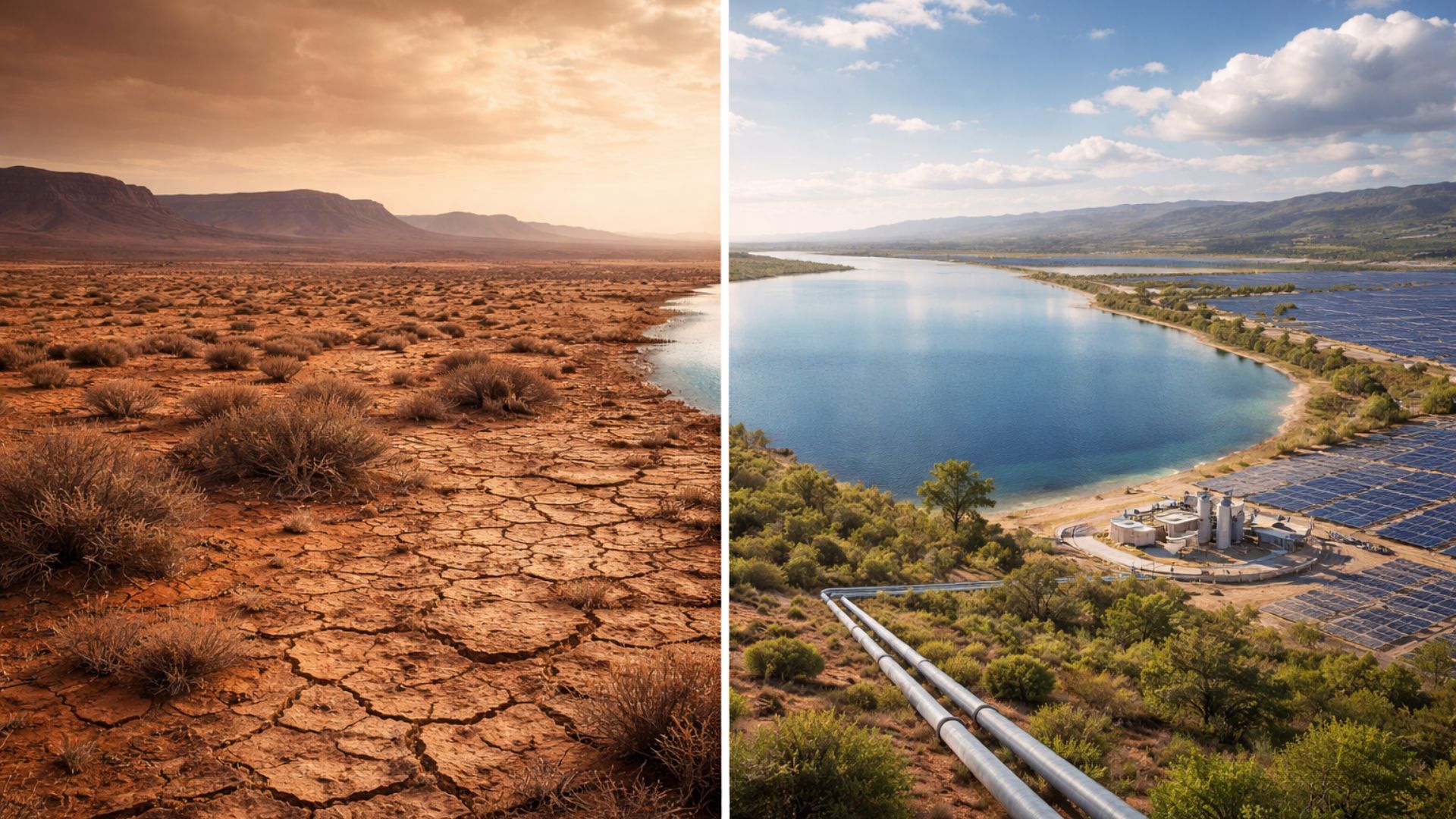
Megaengineering Project Rescues Historical Idea to Confront Extreme Water Crisis, Redesign the Australian Interior, and Create an Artificial Sea in the Outback, Combining Desalination, Solar Energy, and Continent-Scale Pumping, According to Content Released in Specialized Video.
Australia is once again debating one of the most ambitious engineering projects ever considered in the country.
The initiative proposes the creation of a permanent artificial sea in the arid interior of the continent, reviving an idea that has circulated among engineers and territorial planners for decades.
The proposal was presented and detailed in a video published on YouTube by the channel Elite Construction.
-
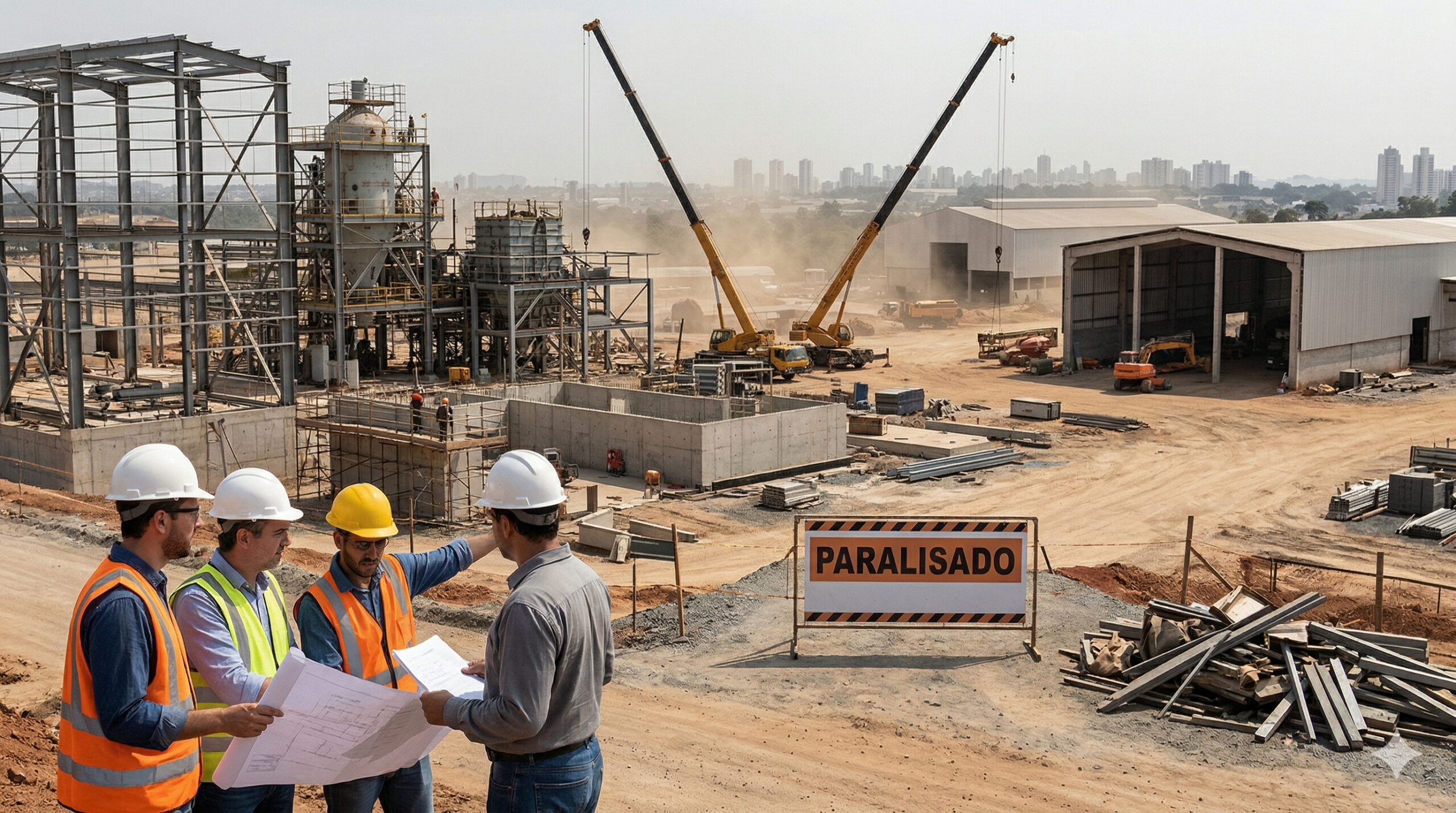
The lack of welders, electricians, and operators becomes a structural threat in 2025, with the construction industry and manufacturing already suffering from delays, cost pressures, and labor shortages in Brazil.
-
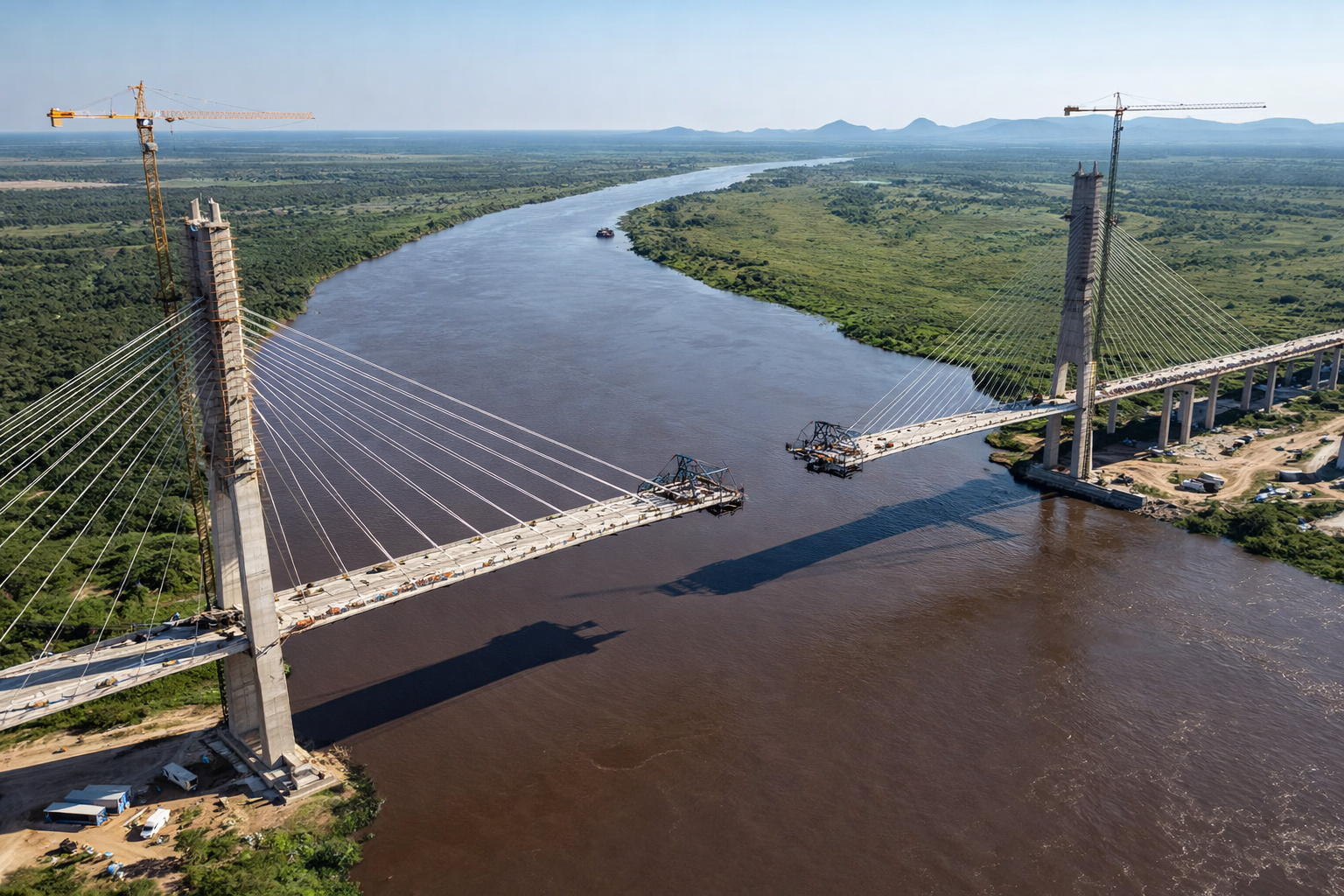
Brazil and Paraguay are just 46 meters away from a historic union on the bioceanic bridge that promises to revolutionize trade between the Atlantic and the Pacific.
-
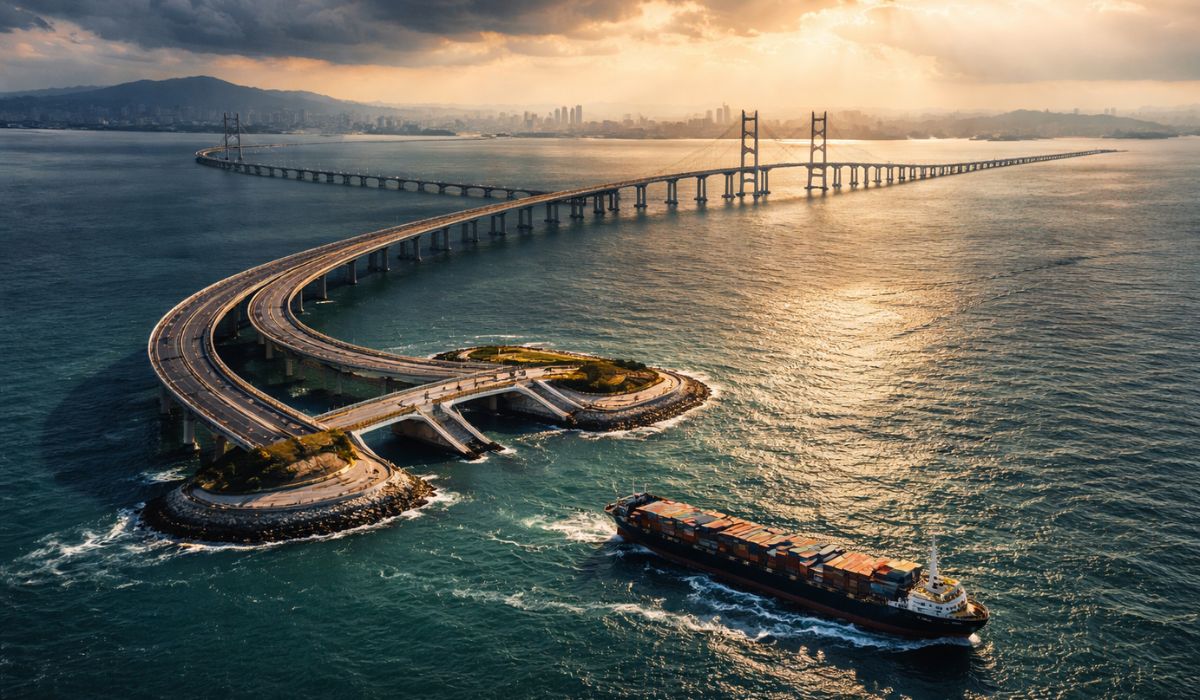
With 55 km over the sea, a cost of US$ 20 billion, and enough steel to build 60 Eiffel Towers, China’s largest project has connected Hong Kong, Zhuhai, and Macau in a colossal bridge that defies the logic of engineering.
-
A trick with joint compound transforms a Styrofoam ceiling into a plaster-like ceiling: leveled panels, wires and mesh at the joints, sand, paint, and change the environment while spending little today.


According to the released material, the plan involves a set of large-scale works, including desalination plants along the coast, high-power pumping systems, pipelines crossing hundreds of kilometers of desert, and massive solar energy generation.
The estimated cost exceeds US$ 200 billion, with potential, according to the project, to alter regional climate patterns and confront the chronic water scarcity affecting the country.
According to the content released by the channel, the central idea is to take water from the ocean to the center of Australia to form a continuous body of water in a natural depression associated with the Lake Eyre basin.
More than just ensuring supply, the plan appears as an attempt to reorganize the settlement of Australian territory, which is currently extremely concentrated on the coastline, creating new economic and human possibilities in the Outback.
Population Concentration and Emptiness in the Australian Interior
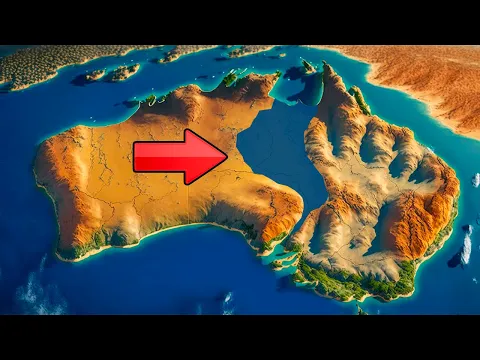

The video from the Elite Construction channel highlights that Australia has continental dimensions, similar to those of the United States, but has a highly unequal population distribution.
While most of the population lives in a narrow coastal strip, about 80% of the territory is sparsely or uninhabited, according to the material.
It is in this coastal strip that cities like Sydney, Brisbane, and Perth are集中。
In the interior, the Outback is described as an environment of climatic and logistical extremes, historically complicating human settlement.
In summer, temperatures easily exceed 45 °C.
In winter, on the other hand, they can drop below zero, reinforcing the hostility of the environment.
The irregularity of rainfall exacerbates the scenario.
In some areas, according to the video, it can take years to rain, while the dry, salty soil severely limits vegetation growth.
Isolation is also reflected in access to basic services.
Hospitals can be hundreds of kilometers away, and cell phone signals usually exist only close to major highways.
This combination of factors helps explain why the Australian interior remains one of the largest population voids on the planet.
The human presence is concentrated mainly in Indigenous communities and workers linked to specific activities, such as mining, often on a temporary basis.
Origin of the Interior Sea and the Proposal by John Bradfield
The plan for the interior sea, as noted by Elite Construction, is not a recent idea.
Its origin dates back to the 1930s, when it was advocated by engineer John Bradfield, known for his work on the Sydney Harbour Bridge project.
During that time, Bradfield proposed redirecting the floodwaters from the northern tropical regions of Australia, especially from the state of Queensland.
The destination would be the Lake Eyre basin, described as a large natural depression located about 15 meters below sea level.
To make the project feasible, he envisioned an extensive network of dams, channels, and pumps.
The system would extend over 2,300 kilometers, on a scale comparable, according to the video, to that of large works like the Panama Canal.
The difference lay in the goal.
Instead of connecting two oceans, the proposal sought to create a massive permanent oasis in the middle of the Australian desert.
The promises associated with the plan were ambitious.
The new sea would help cool the interior climate, allow for hydroelectric energy generation, and open space for large-scale agriculture.
The channel recalls that Lake Eyre, naturally, already occasionally fills up.
When heavy rains in the north reach the area, the desert temporarily transforms into a large marsh full of life, reinforcing the idea that the phenomenon could be maintained continuously.
Abandonment of the Project and International Environmental Alert
Despite initial enthusiasm, the project never got off the ground.
Elite Construction points out that high costs and technical complexity have weighed against the proposal from the start.
Over time, environmental risks began to be seen as an even greater obstacle.
By the 1970s, the Australian government decided to officially shelve the idea.
One of the decisive factors mentioned in the video was the disaster of the Aral Sea in the former Soviet Union.
There, the diversion of rivers for irrigation caused the collapse of an entire ecosystem, with serious and lasting environmental consequences.
The episode became a global alert.
From then on, large interventions in natural systems began to be approached with more caution.
Even so, the idea of the interior sea never completely disappeared.
It remained latent and returned to the debate decades later, driven by a much more severe climate context.
Historical Drought and Water Collapse in the East of the Country
The video reports that, starting in 2017, eastern Australia faced one of the worst droughts ever recorded.
This was not just about less rain, but about the collapse of entire water supply systems.
Cities began depending on water trucks to ensure potable water.
In some cases, there was direct military support to maintain a minimum supply to the population.
The content cites the case of Tamworth, with about 60,000 inhabitants.
There, residents faced long lines to collect water and drastically reduced domestic consumption.
Another locality mentioned in the video, called Storp, experienced an even more critical situation.
Five thousand people were left without running water and received a daily limit of 100 liters per family.
In the field, the impacts were profound.
According to the channel, farmers had to cull part of their herds because the animals were dying of thirst.
In a period of three years, Australia reportedly lost about a third of its cattle, around 10 million head.
The result was the abandonment of properties maintained by families for several generations.
Wildfires and Large-Scale Environmental Losses
This scenario of extreme drought coincided with the so-called “black summer” of 2019 and 2020.
The event was widely covered by Elite Construction.
According to the video, approximately 3 billion animals died in the wildfires.
Among them were iconic species such as koalas and kangaroos.
The smoke reached great heights and spread across the planet.
The phenomenon was detected by satellites and its effects were felt even in New Zealand.
The estimated economic losses exceeded US$ 100 billion.
Entire regions were destroyed, communities became isolated, and strategic sectors suffered direct impacts.
Agricultural production fell, tourism lost billions, and the Great Barrier Reef underwent mass bleaching events.
In just a few years, much of the coral died, deepening the environmental crisis.
Interior Sea 2.0, Solar Energy, and Limits of Technology
In this context, the channel presents the so-called “Interior Sea 2.0.”
This is a modern reinterpretation of the original plan, now supported by technologies that did not exist at the beginning of the last century.
The project proposes desalination plants powered by solar energy and more efficient pumping systems.
These systems would be capable of transporting water from the ocean over 600 kilometers into the arid interior of the country.
Proponents argue that the new sea could increase air humidity and raise rainfall by up to 15% in nearby areas.
Still, the video itself highlights the risks involved.
Salinity is pointed out as the main problem, with the potential to sterilize the surrounding soil and create an environment similar to that of the Dead Sea.
Furthermore, technologies considered essential, such as advanced filters and large-scale salt mining systems, are still not fully available.
There is also the cultural dimension. Lake Eyre is considered sacred by the Arabana people, and flooding the area would be seen as a spiritual affront.
With high costs, environmental uncertainties, and significant social impacts, the plan remains under study and is being monitored by governments and investors.
In the face of an increasingly intense climate crisis, should Australia invest in a project capable of redesigning its territory or prioritize smaller solutions with less risk and more immediate returns?








-

-

-

6 pessoas reagiram a isso.