





 Portuguese
  English
  Spanish
  3 min of reading
  0 comments



Azul Announces Closure of Over 50 Routes and Exit from More Than 10 Cities. Airline Concentrates Operations in Major Hubs to Address Financial Challenges and Optimize Resources
Azul Announces Closure of Over 50 Routes and the end of operations in more than 10 Brazilian cities as part of a restructuring plan announced this week. The measure aims to reduce costs, improve operational efficiency, and concentrate flight offerings in strategic airports.
According to an official statement, the company plans to reinforce operations at its main hubs Campinas, Belo Horizonte, and Recife by redirecting resources to routes with higher demand and more competitive schedules. Although the list of affected cities has not yet been disclosed, the impact on passengers and local economies could be significant.
Why Azul Is Reducing Routes
The company stated that the decision is part of a strategy to ensure financial sustainability in a still unstable global scenario. High operational costs, exchange rate fluctuations, and rising fuel prices are factors that pressure the margins of the airline sector and require adjustments to maintain competitiveness.
-
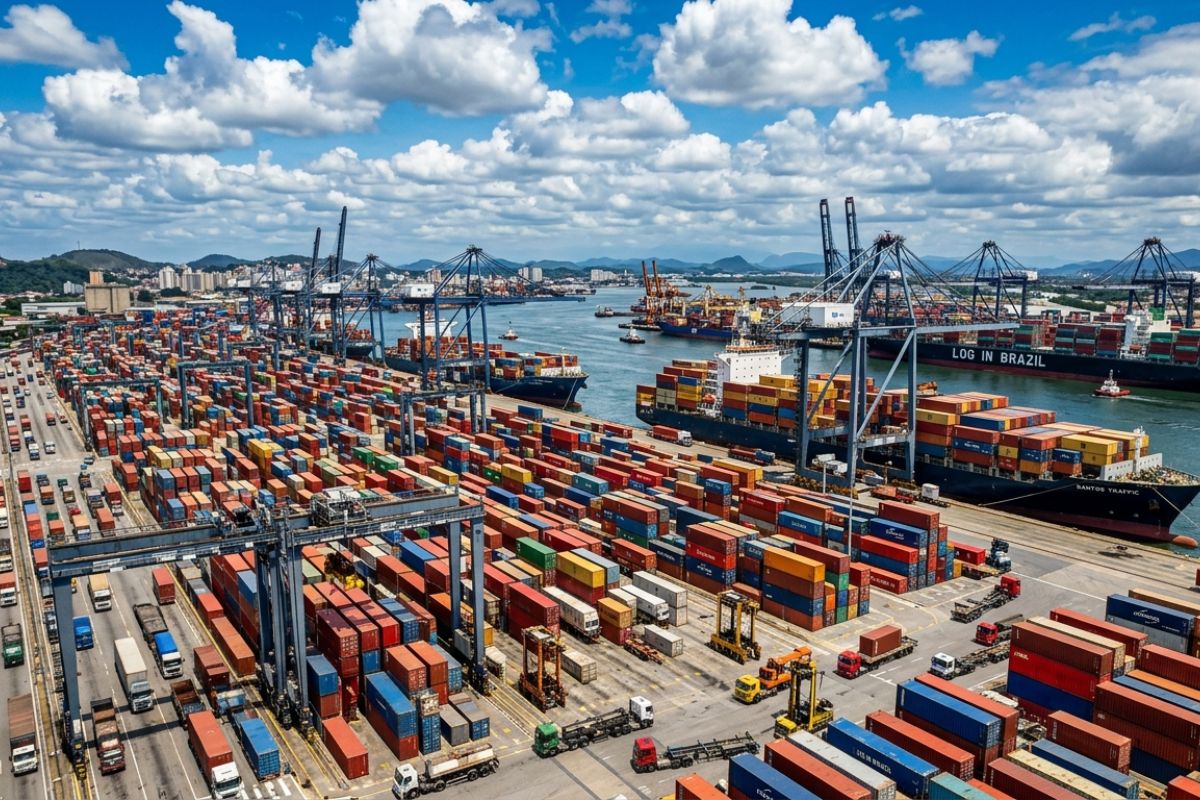
Ports like Santos and Paranaguá are operating at their limits and may block containers as early as 2030, warns a study by Macroinfra; bottlenecks increase costs and delays and push cargo to Rio, Salvador, Pecém, and Suape across Brazil.
-
Lula reveals in an interview that he asked President Xi Jinping three times to invest in a major project in Brazil, the Salvador-Itaparica bridge, which is set to begin in June with the participation of a Chinese consortium and is expected to be extraordinary, according to the president.

-
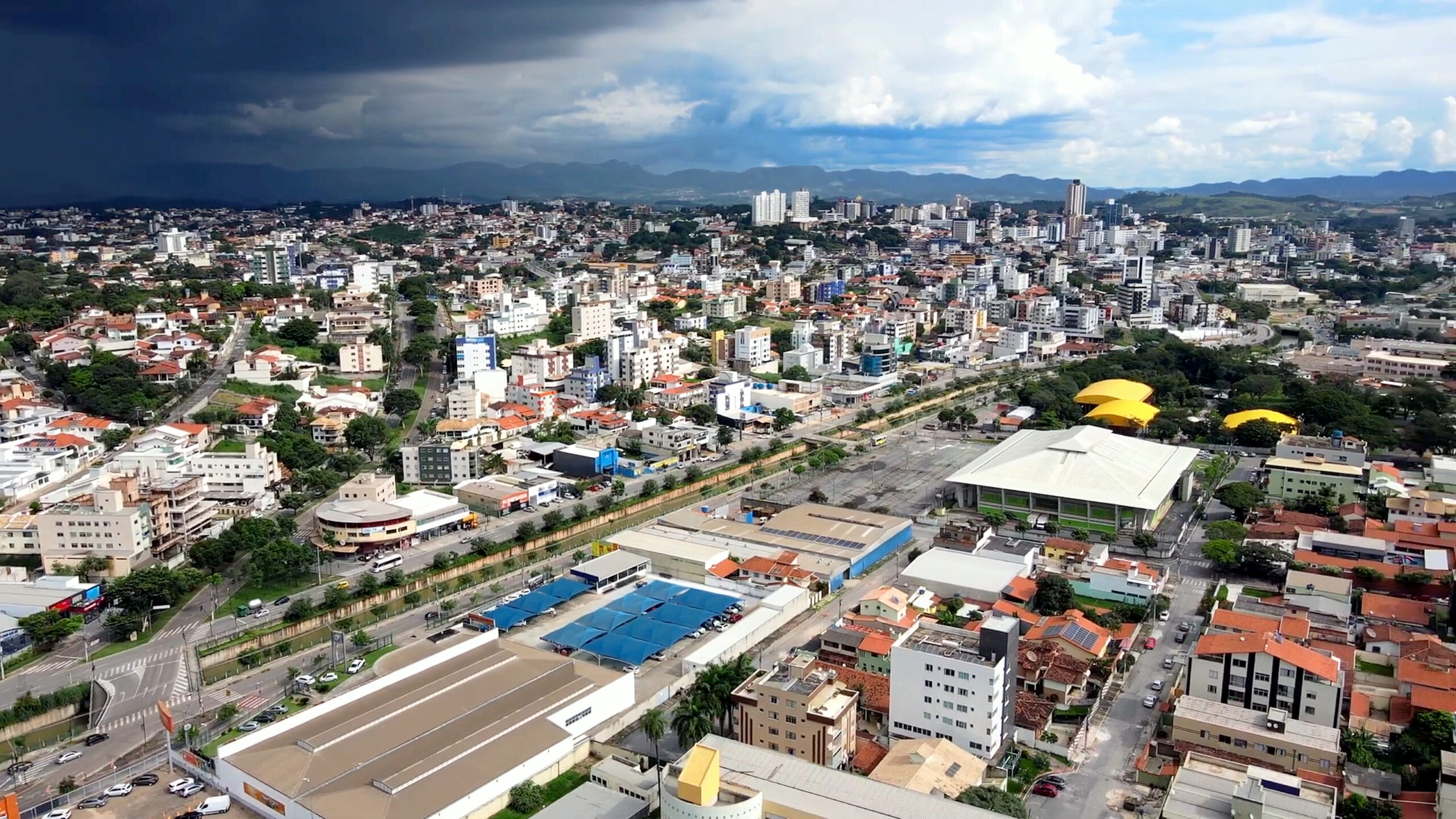
Neighboring city of Belo Horizonte has properties starting at R$ 139,000 with 90 m² and a price per square meter much lower than the capital, even concentrating automotive, petrochemical, and logistics hubs.
-
Drought in northern Bahia forces family farmers to invest in expensive irrigation and seek microcredit from Banco do Nordeste; with high interest rates and a default rate of 6.5%, the debt becomes a threat to the crops.


This move also reflects the trend of concentrating flights in airports with higher passenger traffic and connectivity, which increases the efficiency in the use of aircraft and improves the utilization of teams and infrastructure.
Cities and Regions That May Be Affected
Although it did not disclose the complete list, Azul confirmed that more than 10 cities will stop receiving regular flights from the company. Industry experts assess that locations with lower demand, lower profitability, and low integration with strategic hubs are among the most vulnerable to cuts.
The focus now will be on strengthening routes departing from Campinas (SP), Belo Horizonte (MG), and Recife (PE), which serve as distribution centers for passengers to different regions of the country and abroad.
Economic and Social Impacts
The closure of routes may directly affect sectors such as tourism, hospitality, and commerce, especially in cities that rely on air transport to receive visitors and investors. In some cases, the reduction in flight availability may also raise ticket prices for nearby destinations.
For Azul, the expectation is that the measure will generate short-term efficiency gains, allowing a reevaluation of the air network and even the resumption of part of the operations in the future, should market conditions improve.
Prospects for the Brazilian Airline Sector
Azul’s decision comes at a time when the airline sector in Brazil is still seeking to fully recover from the impacts of the pandemic and economic instability. High competition, combined with elevated costs, forces companies to make strategic adjustment decisions.
Analysts indicate that despite the initial impact, the concentration of flights may help Azul maintain profitability and offer better connections at its hubs, strengthening its position in the domestic market.
Do you think that Azul’s reduction of routes is a necessary measure to ensure the company’s financial health or will it hurt too much the cities that will lose flights? Share your opinion in the comments and join the discussion.







-

-

-

3 pessoas reagiram a isso.