





 Portuguese
  English
  Spanish
  5 min of reading
  0 comments



BNDES Expands Support for Clean Energy by Releasing Credits in 2025 for Biofuels, Stimulating Ethanol, Biogas, Decarbonization of the Economy, and Sustainable Growth in Brazil.
The National Bank for Economic and Social Development (BNDES) approved R$ 6.4 billion in credits in 2025 for the production of biofuels, establishing the largest volume ever recorded in the institution’s history for this strategic segment. According to a publication made by BNDES this Thursday (15), the amount surpasses the previous record from 2010, when R$ 4.8 billion was approved, and marks a new cycle of strengthening clean energy in Brazil, with a special focus on expanding ethanol and biogas.
BNDES and Credits in 2025: The Largest Financing in History for Biofuels
The historic financing consolidates BNDES as the main driver of Brazil’s energy transition. The decision reinforces the role of biofuels as a sustainable alternative to fossil fuels and highlights a public policy aligned with combating climate change, generating jobs, and regional development.
Since 2023, the Bank has consistently resumed its support for the sector, accumulating R$ 13.3 billion approved in just three years, a figure 204% higher than the total released between 2019 and 2022. Therefore, the credits in 2025 do not represent an isolated movement, but rather the peak of a structured strategy to promote clean and renewable energy.
-
Brazil accelerates hydrogen and biofuel projects to consolidate the fuel of the future and reduce dependence on oil by 2026.
-
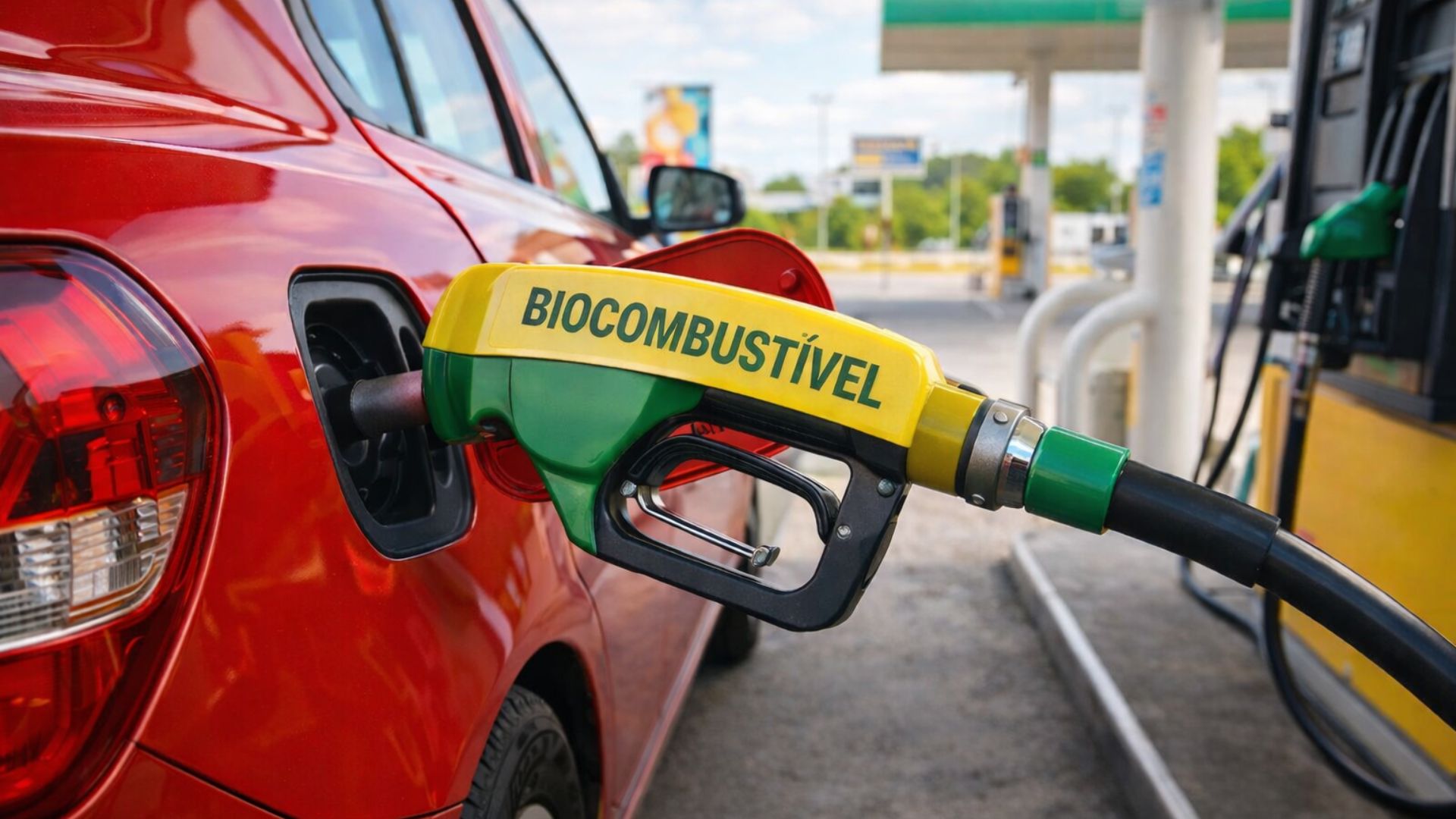
CNPE strengthens policy and prevents imported biodiesel from being mixed with diesel, aiming to strengthen the Brazilian industry and protect jobs by reducing external dependence amid tensions in the global market.
-
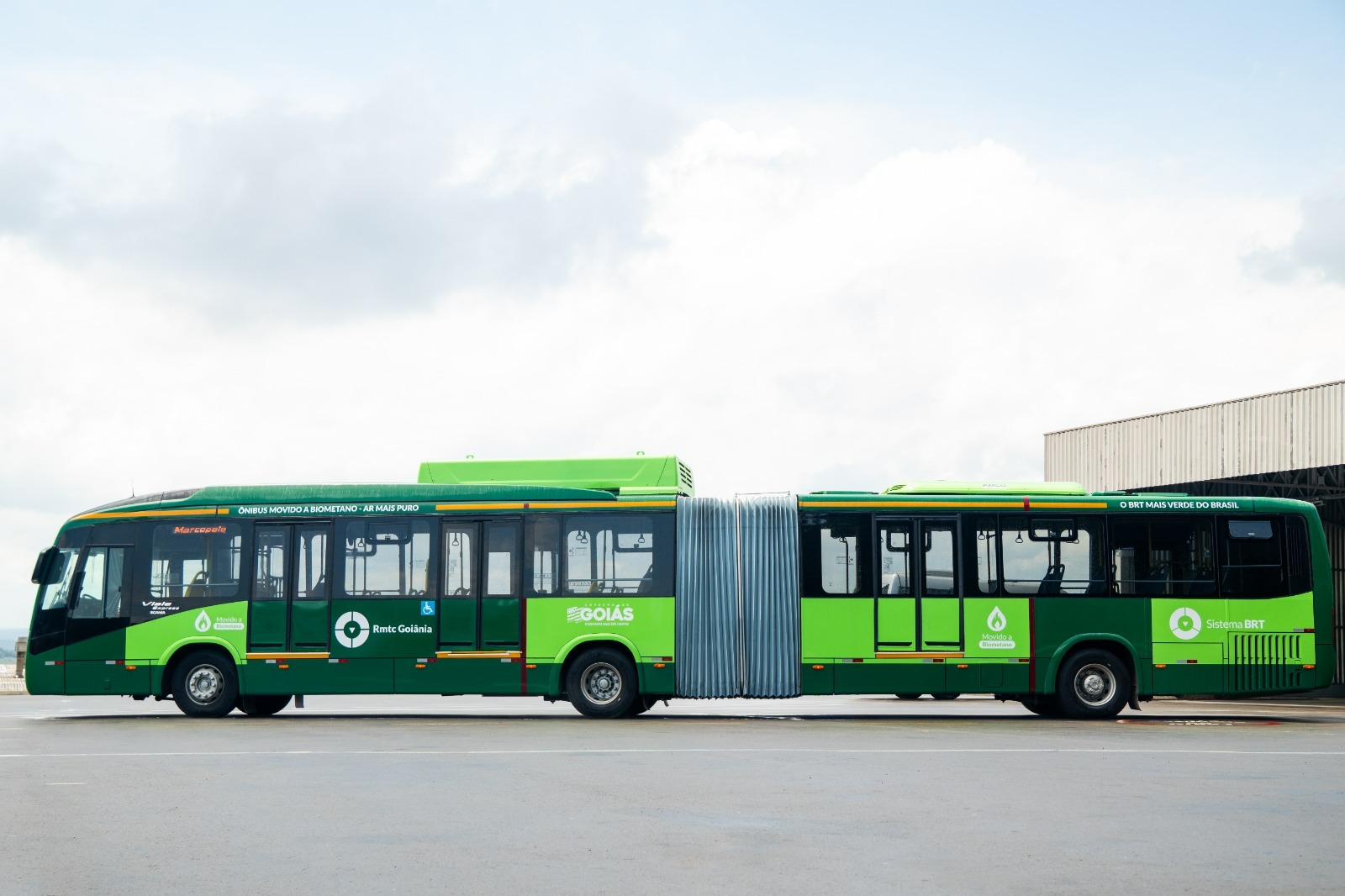
Revolution in public transport: Goiânia puts into circulation the first articulated buses powered by biomethane in Brazil and promises to drastically reduce pollution on the Anhanguera Corridor.
-
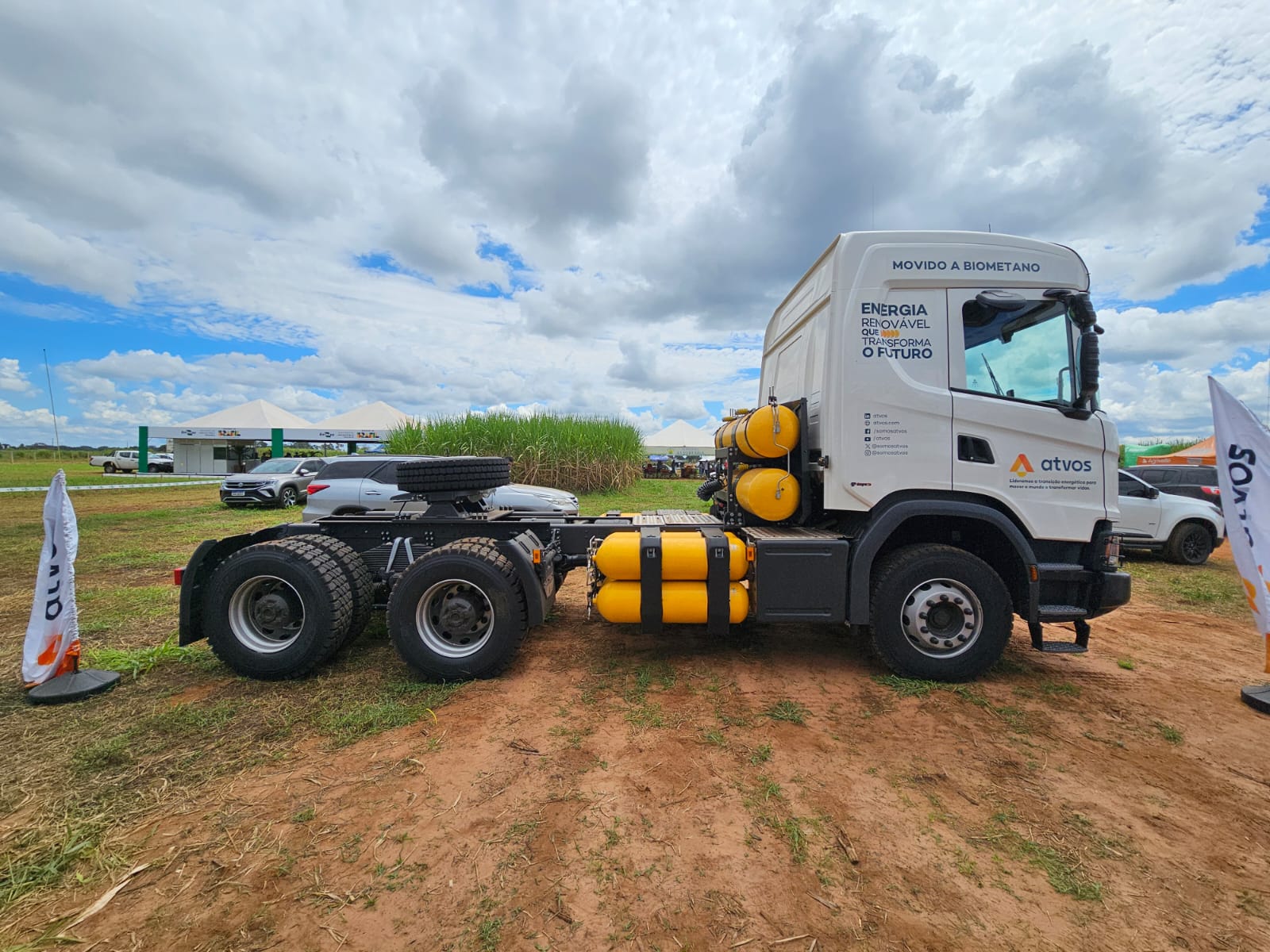
From the field to the pipelines: Mato Grosso do Sul accelerates the energy transition and consolidates a new axis in renewable energy with the arrival of a giant biogas plant.

The record reached in 2025 confirms the centrality of BNDES in financing projects related to biofuels. The approved volume reflects the institution’s confidence in Brazil’s productive potential and the sector’s ability to contribute to a low-carbon economy.
When comparing historical data, a clear change in priorities is observed. After a period of retraction in support for the segment, the Bank has once again directed significant resources towards the production of clean energy, especially from agricultural raw materials that are widely available in the country.
This new level of financing enhances the competitiveness of the national biofuels industry, in addition to stimulating technological innovation and the modernization of industrial plants. Thus, public credit assumes again a strategic role in sustainable economic development.
Biofuels as Pillars of Clean Energy and Decarbonization
Biofuels hold a prominent position in Brazil’s energy matrix, internationally recognized for their high degree of renewability. Ethanol and biogas, in particular, have lower carbon intensity and contribute significantly to reducing greenhouse gas emissions.
In this context, BNDES’s support for clean energy goes beyond financial financing. It strengthens an integrated production chain that involves farmers, industries, research centers, and local governments. This is a model that combines environmental sustainability with economic growth.
Furthermore, the credits in 2025 can enhance Brazil’s capacity to meet international climate commitments while reinforcing national energy security.

Credits in 2025 Boost Production of Corn and Wheat Ethanol
A significant portion of the resources approved by BNDES for biofuels in 2025 is directed towards ethanol production from corn and wheat. This production model has gained ground in the country, especially in regions where these crops already have a strong presence.
According to Bank experts, this type of investment generates substantial economic benefits. By transforming grains that would be exported in their natural state into biofuels, the country adds value to agricultural production, stimulates local industrialization, and strengthens regional economies.
Additionally, plants installed close to producing areas reduce logistical costs and promote greater integration between the field and industry. Thus, the credits in 2025 act as catalysts for regional development and innovation in the agroeconomic sector.
Biomethane, Circular Economy, and Clean Energy at the Center of Investments
Another highlight of BNDES financing is the growing support for biomethane production, one of the most promising biofuels today. Produced from agro-industrial and urban waste, biomethane combines clean energy generation with sustainable waste management.
This model fits into the concept of a circular economy, in which waste becomes productive inputs. The result is the reduction of environmental liabilities and the creation of new economic opportunities, especially in regions with strong agro-industrial activity.
By including biomethane among the projects covered by the credits in 2025, BNDES expands the environmental and social reach of its financing, reinforcing its commitment to innovative and sustainable energy solutions.
BNDES Statements Reinforce Clean Energy Strategy
The president of BNDES, Aloizio Mercadante, stated that the resumption of support for biofuels starting in 2023 represents a strategic step for Brazil in facing climate change. According to him, financing clean and renewable energy strengthens the national industry, contributes to emission reductions, and positions the country as a leader in the global energy transition.
The financial support for biofuels strengthens a balanced, inclusive, and environmentally sustainable energy transition, highlighted Mercadante when commenting on the credits in 2025. The statement reinforces the Bank’s alignment with public policies focused on sustainability and long-term development.
Meanwhile, the head of the Department of Agro-Food Complex and Biofuels at BNDES, Mauro Mattoso, emphasized that these projects generate jobs and income in the regions where they are implemented, benefiting farmers and local communities.

Economic and Social Impacts of Biofuels Funded by BNDES
BNDES investments in biofuels produce effects that go beyond the energy sector. The implementation of new industrial plants stimulates local production chains, creates job opportunities, and boosts municipal and state revenue.
Additionally, the expansion of clean energy reduces dependence on imported fossil fuels, increasing the resilience of the Brazilian economy in the face of international crises. The credits in 2025 contribute, therefore, to energy security and economic stability in the country.
Another relevant point is the encouragement of innovation. Projects funded by the Bank often incorporate more efficient technologies, promoting productivity gains and reducing environmental impact.
BNDES Consolidates Leadership in Clean Energy Financing
With the record of credits in 2025, BNDES reaffirms its historical role as the main financier of clean energy in Brazil. The Bank’s actions combine strategic vision, technical capacity, and alignment with public sustainability policies.
This leadership is essential to attract private capital and reduce risks in long-term projects. By leading the financing of biofuels, BNDES creates a favorable environment for the sector’s expansion, driving the energy transition in a structured manner.






Seja o primeiro a reagir!