





 Portuguese
  English
  Spanish
  3 min of reading
  0 comments


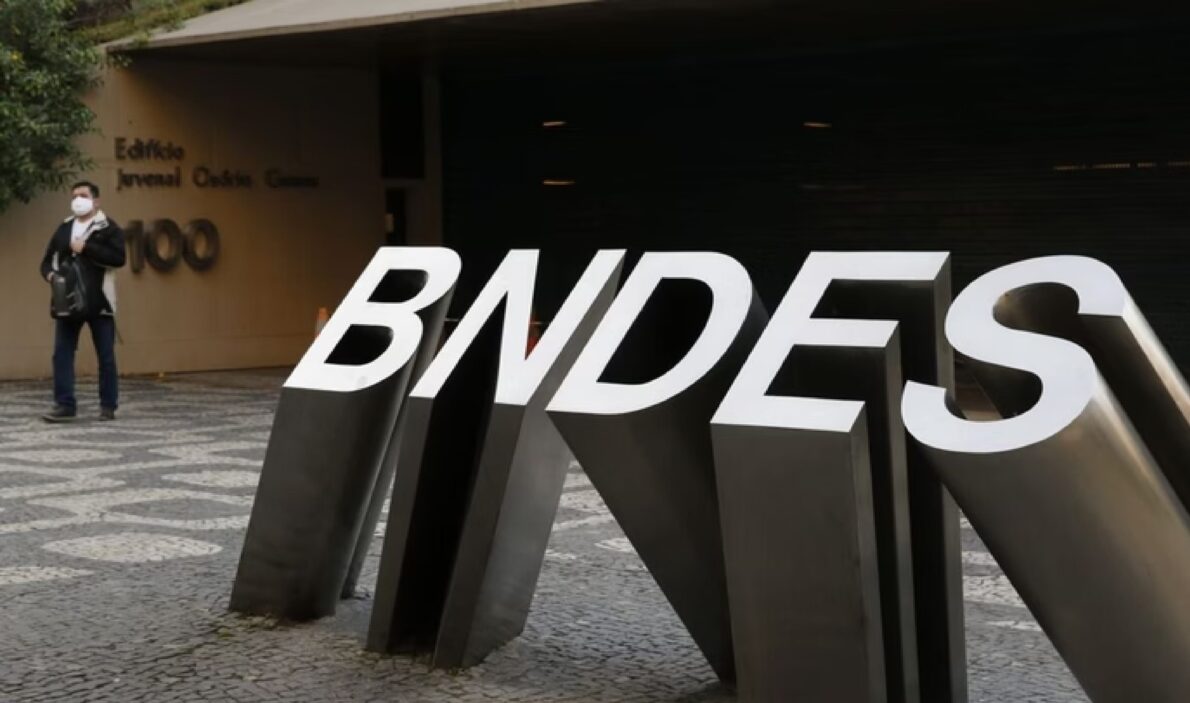
The Initiative Is Part of Mission 4 of the New Brazil Industry and Aims to Digitalize National Companies, Focusing on North and Northeast Regions
The National Bank for Economic and Social Development (BNDES) announced this Wednesday, September 11, a new credit line of R$ 2 billion aimed at the development of data centers in Brazil. The measure was presented during a ceremony in Brasília (DF), which included the presence of the President of the Republic, Luiz Inácio Lula da Silva, and is part of Mission 4 of the New Brazil Industry program, whose goal is to promote the digital transformation of companies in the country, according to the News Agency website.
The credit line is composed of resources from BNDES itself and the Telecommunications Services Universalization Fund (FUST), managed by the Ministry of Communications. The focus of the initiative is the installation and modernization of data centers, essential environments for processing, storing, and distributing large volumes of data in the digital landscape. With projections indicating that, by 2030, the volume of data worldwide is expected to reach 600 trillion gigabytes, the demand for technological infrastructure in Brazil is a strategic priority.


Interest Rates and Benefited Regions
The new credit line offers differentiated financing conditions for different regions of the country. For projects located in the North and Northeast regions, interest rates start at 6.3% per year, while for other regions, the rates start at 8.5%. This difference aims to encourage technological development in areas that traditionally have less digital infrastructure, promoting greater equity in access to innovations.
-
The government requests the Federal Revenue Service for a new system to automate the income tax declaration, reducing errors, time, and bureaucracy for millions of Brazilians.

-
Pix in installments, international Pix, and contactless payment without internet: the Central Bank revealed the new features coming to the tool that is already used by almost every adult in Brazil.

-
Mercado Livre has just started selling medications with delivery in up to three hours to your door, and this move could completely change the way Brazilians buy medicines on a daily basis.

-
In Dubai, rising tensions from the war in the Middle East are causing super-rich individuals to leave the Gulf and direct their fortunes to a new financial refuge in Asia.


Brazil’s Competitiveness in the Data Center Sector
According to Aloizio Mercadante, president of BNDES, Brazil has a significant competitive advantage in the data center sector due to its energy matrix, which consists of nearly 90% clean sources. Since data centers are large consumers of energy, the use of clean energy can make the country an attractive hub for these investments.
Additionally, Mercadante highlighted the current government’s focus on promoting the digitalization of companies as part of a new industrial policy. Since the beginning of the current administration, BNDES has already approved R$ 36.1 billion in resources for digital transformation initiatives, demonstrating a commitment to technological advancement in strategic sectors.
The Role of FUST and Digital Transformation in Brazil
The Telecommunications Services Universalization Fund (FUST), which had been inactive for decades, has been reactivated to support innovation projects in the telecommunications sector. The Minister of Communications, Juscelino Filho, emphasized that investment in digital infrastructure, such as data centers, is essential to ensure security, agility, and reliability in digital services, especially in crisis situations. FUST plays a crucial role in this context, channeling resources to promote technological advances in Brazil.
Support for the Digitalization of Micro, Small, and Medium Enterprises (MSMEs)
During the event at the Palácio do Planalto, in addition to the launch of the credit line for data centers, other significant investments aimed at the digitalization of micro, small, and medium enterprises (MSMEs) were announced. BNDES and the Financing Agency for Studies and Projects (Finep) will allocate R$ 160 million to support digital transformation projects through the Smart Factory initiative. Each institution will contribute R$ 80 million, and the resources will be directed to collaborative projects between Senai Network Institutes and technology solution providers.
The goal is to allow MSMEs to have access to specialized consulting, such as those offered by the Brazil More Productive Program, which aims to increase the competitiveness of small businesses through process digitalization.








Seja o primeiro a reagir!