





 Portuguese
  English
  Spanish
  4 min of reading
  0 comments



BP Appoints Meg O’Neill As New CEO, Reinforces Oil And Gas-Focused Strategy, Responds To Investor Pressure, And Signals A Definitive Change After Weak Renewable Energy Results.
BP has initiated a new chapter in its trajectory by announcing the appointment of Meg O’Neill as the new CEO. The executive takes the helm of the company at a decisive moment, marked by market demands and the need to reposition the strategy of the oil giant.
The change occurs only two years after Murray Auchincloss’s management, who leaves the position amid results deemed below expectations.
With this decision, the company signals to the market a clear return to the focus on oil and gas, following a failed attempt to accelerate investments in renewable energy. The move is also historic for the company, as O’Neill becomes the first woman to lead BP.
-
The rise in oil prices could ensure an extra revenue of R$ 100 billion for the Federal Government, indicates a recent economic study.

-
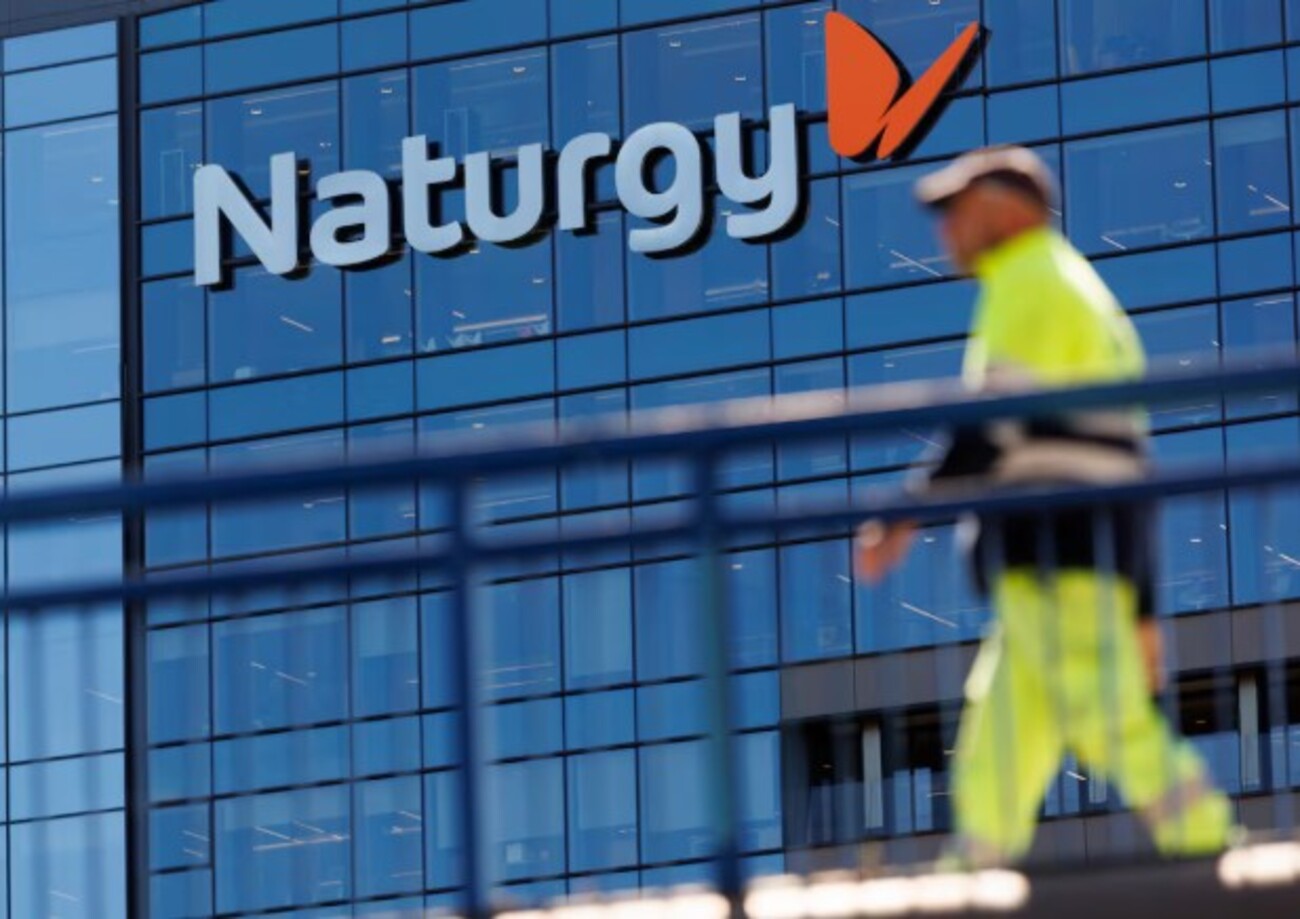
Naturgy begins an investment of R$ 1.6 million to expand the gas network in Niterói and benefit thousands of new residences and businesses.
-
A major turn in the Justice system suspends tax increases and directly impacts oil and gas companies in Brazil by affecting costs, contracts, and financial planning, leaving uncertain what could happen to the sector if these costs had increased.

-
Brava Energia begins drilling in Papa-Terra and Atlanta and could change the game by reducing costs in oil while increasing production and strengthening competitiveness in the offshore market.


Investor Pressure Accelerates Strategic Reorientation
In recent years, BP has faced a combination of challenges. These include weak returns on green projects, corporate disasters, geopolitical impacts, and underperformance compared to direct competitors. This scenario created space for activist investor Elliott Investment Management, which began pressuring the company for significant changes.
The fund acquired just over 5% stake in BP and started advocating a return to the traditional focus on oil and gas. Additionally, it demanded significant cost cuts, asset sales, and a reduction in exposure to businesses deemed unprofitable.
This context was decisive for the change in leadership. Analysts believe O’Neill’s selection reinforces the intention to execute a more pragmatic strategy aligned with the core business of the company.
Technical Profile Reinforces “Back To Basics” Strategy
Meg O’Neill built a solid career in the oil sector. Before being chosen by BP, she led Woodside Energy, one of Australia’s largest oil companies, for four years. Previously, she accumulated more than two decades of experience at Exxon Mobil, one of the global giants in the industry.
According to Neil Beveridge, managing director of research at Bernstein, the new CEO’s profile points to a more direct approach. “She has a very practical background in engineering and operations, which suggests a back-to-basics approach for BP,” he stated. He added, “With Meg coming on board, the direction will clearly be focused on oil, gas, and LNG.”
While O’Neill has not officially taken over, in April, Carol Howle will serve as interim CEO, according to a statement released by the company.
Previous Strategy Did Not Convince The Market
Murray Auchincloss became the executive chairman in January 2024, following the sudden departure of Bernard Looney. The former CEO’s resignation occurred after he failed to disclose previous relationships with colleagues, which undermined the company’s governance.
Under pressure, Auchincloss attempted to redefine BP’s direction. In February of this year, he announced divestment plans to reduce debt and strengthen the balance sheet. However, so far, asset sales have been limited. The investors’ reaction, therefore, was considered lukewarm.
In the meantime, the company became the target of acquisition rumors. In May, Bloomberg reported that Shell Plc was exploring the possibility of acquiring BP. However, the following month, Shell denied any intention to make an offer, rebuffing reports from the Wall Street Journal about advanced negotiations.
O’Neill’s History Reinforces Commitment to Oil and Natural Gas
During her tenure at Woodside, Meg O’Neill focused on expanding strategic gas assets. The company advanced in acquiring a liquefied natural gas plant project in the United States, located in Louisiana. Additionally, it obtained authorization to keep the largest and oldest gas export facility in Australia operational until 2070.
Since 2021, O’Neill also led the multibillion-dollar acquisition of BHP Group’s oil unit. At the same time, she expanded LNG business operations outside Australia, strengthening Woodside’s global presence.
Another relevant point was her public defense of natural gas as a transition fuel. For the executive, gas can reduce global dependence on coal and contribute to lower emissions, without compromising energy security.
Investors View Change As A Positive Signal
Despite the initial impact, analysts evaluate that the change in leadership may benefit BP in the medium term. For Piper Sandler, the change is likely to be well received by the market.
“Although the announcement was surprising in terms of timing and immediacy, we expect the change to ultimately be positive” for BP’s stock price, stated analysts from the firm, including Ryan Todd.
They also noted that there was a growing demand for a more aggressive approach. According to the note, investors advocated that “everything should be on the table,” including a complete review of the strategy, portfolio, and even corporate culture, something that could benefit from external leadership.
Reflections On The Global Oil Market
BP’s movement comes at a time when major companies in the sector are reevaluating their commitments to the energy transition. The return to a focus on oil and gas indicates that, for part of the industry, the accelerated withdrawal from fossil fuels has not delivered the expected results.
Meanwhile, Woodside is also undergoing adjustments. Shares of the Australian company fell by 2.7% in Sydney, hitting the lowest level since October. The company announced that Liz Westcott will assume the role of interim CEO following O’Neill’s departure.
This scenario reinforces how strategic decisions in the oil sector remain highly connected to investor sentiment, pressures for profitability, and uncertainties in the global energy market.









Seja o primeiro a reagir!