





 Portuguese
  English
  Spanish
  4 min of reading
  0 comments


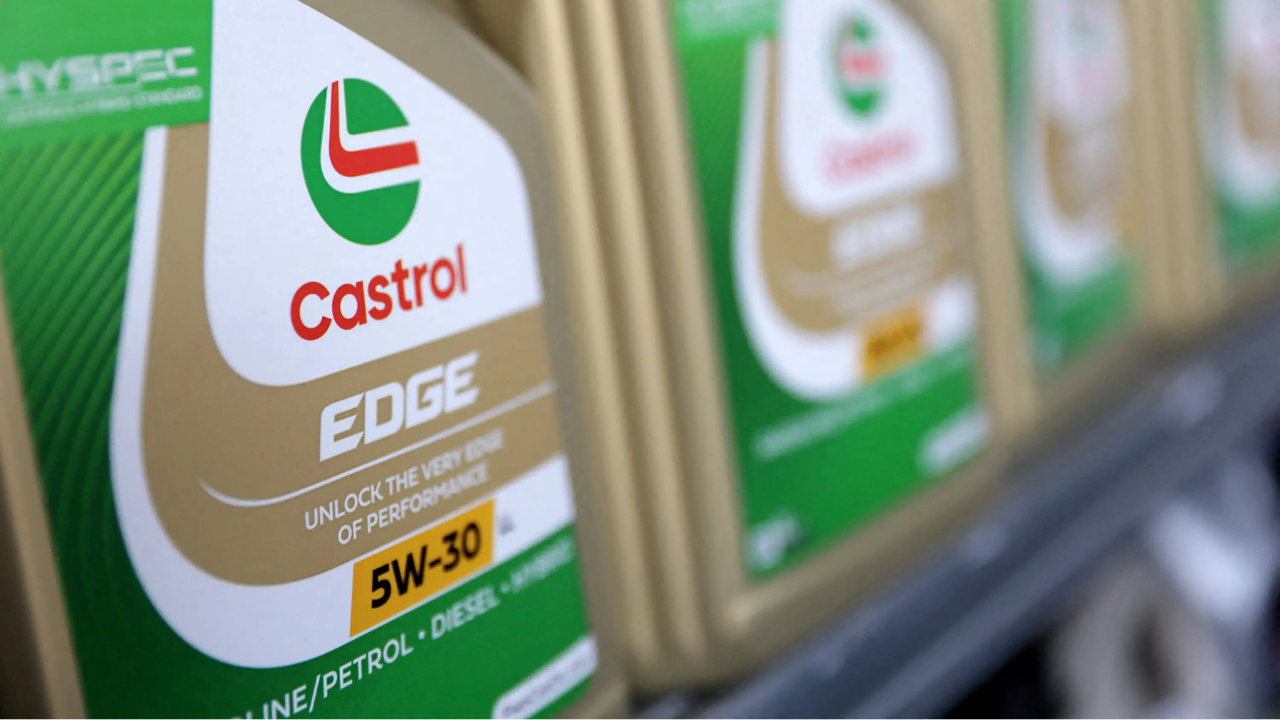
BP Announced The Sale Of Control Of Castrol For US$ 6 Billion As Part Of Its Strategy To Reduce Debt And Reinforce Focus On Oil Amid Investor Pressure And Leadership Changes.
BP, one of the largest global oil and gas companies, announced the sale of a 65% majority stake in Castrol, its lubricants division, to American manager Stonepeak Partners. The operation is part of a broader move by the company to reduce its debt and adjust its business model in light of a challenging international oil market.
With the agreement, BP is expected to raise about US$ 6 billion. This amount includes not only the payment for the sold stake but also the anticipation of part of the future dividends related to the share that will remain under the control of the British company. Although the amount is below initial expectations from analysts, the deal is seen as a significant step within the current corporate strategy.
Investor Pressure And Strategic Course Change
The sale of Castrol comes after a period considered turbulent for BP. Under strong pressure from activist manager Elliott Investment Management, the company was forced to thoroughly review its strategic plans at the beginning of the year. In February, the company announced a reduction in its exposure to renewable energy projects and a renewed focus on its core oil and gas business.
-
A study confirms that the natural gas sector will reduce greenhouse gas emissions in Brazil by 0.5% and accelerate the energy transition by 2026.

-
Petrobras implements a severe adjustment and confirms a 55% increase in the price of aviation kerosene with a proposal for installment payments for the companies.

-
The rise in oil prices could ensure an extra revenue of R$ 100 billion for the Federal Government, indicates a recent economic study.

-
Naturgy begins an investment of R$ 1.6 million to expand the gas network in Niterói and benefit thousands of new residences and businesses.


This repositioning, however, has not been without obstacles. In addition to demands for faster results, BP faces oil prices below the assumptions used in its financial models. This scenario limits cash generation and increases the urgency for measures that reinforce its balance sheet.
Assets For Sale And Goals Still Distant
BP’s divestment program aims to sell assets worth a total of US$ 20 billion by the end of 2027. With the operation involving Castrol, the company stated that it has already raised approximately US$ 11 billion. Still, this amount represents just over half of the announced target.
In light of this, investors are likely to maintain pressure for further progress. Since taking over as chairman in October, Albert Manifold has been conducting a broad review of the company’s portfolio. Although the agreement with Stonepeak is a concrete sign of progress, the pace of previous sales has been considered slow by the market.
Leadership Changes And Dialogue With Activist Investor
The new chairman has already made his mark by promoting significant changes in leadership. Manifold replaced then-CEO Murray Auchincloss with Meg O’Neill, current president of Woodside Energy Group. The executive will take the helm of BP in April, in a move aimed at signaling renewal and greater strategic alignment.
At the same time, Manifold has maintained private discussions with Elliott Investment Management. According to reports from Bloomberg News, the meetings were deemed constructive. Nevertheless, expectations remain that the activist investor will stay vigilant regarding the execution of the plan and the financial discipline of the oil company.
Castrol Goes Beyond Traditional Lubricants
While widely known for automotive and industrial lubricants, Castrol has also been investing in new technological fronts. Among these, the development of liquid cooling solutions for artificial intelligence data centers stands out, a segment growing rapidly.
Under the terms of the agreement, BP will maintain a 35% stake in Castrol through a joint venture. This share will allow the company to remain exposed to the business’s growth potential, even after losing control. Additionally, BP will have the option to reduce this stake after a two-year lock-up period.
Business Evaluation And Financial Impact
The transaction values Castrol at US$ 10.1 billion, including debt. However, after deducting minority interests, the implied equity value falls to about US$ 8 billion. Analysts note that the price fell short of initial projections, which estimated up to US$ 10 billion for the deal.
According to BP, all proceeds from the sale will be used to reduce debt, which exceeded US$ 26 billion at the end of the third quarter. This priority reflects the need to strengthen the balance sheet in a context of oil price volatility.
“Accelerated dividends now will help reduce debt, but clearly at the expense of cash flow in the medium term,” wrote analyst Biraj Borkhataria from RBC in a report.
“The better long-term alternative would have been to cut share buybacks, as they have been financed by the balance sheet, or sell some development exploration and production assets.”
Market Reaction And Next Steps
BP’s shares rose by as much as 1.4% on Wednesday (24) before trading almost flat by mid-morning in London. The movement reflects a cautious reading from the market, which acknowledges the company’s efforts but still awaits clearer signs of consistent execution.
The completion of the transaction involving Castrol is expected to occur by the end of next year. The closing relies on regulatory approvals, which could influence the final timeline of the deal and BP’s next steps in the competitive global oil market.







-

Uma pessoa reagiu a isso.