





 Portuguese
  English
  Spanish
  6 min of reading
  0 comments


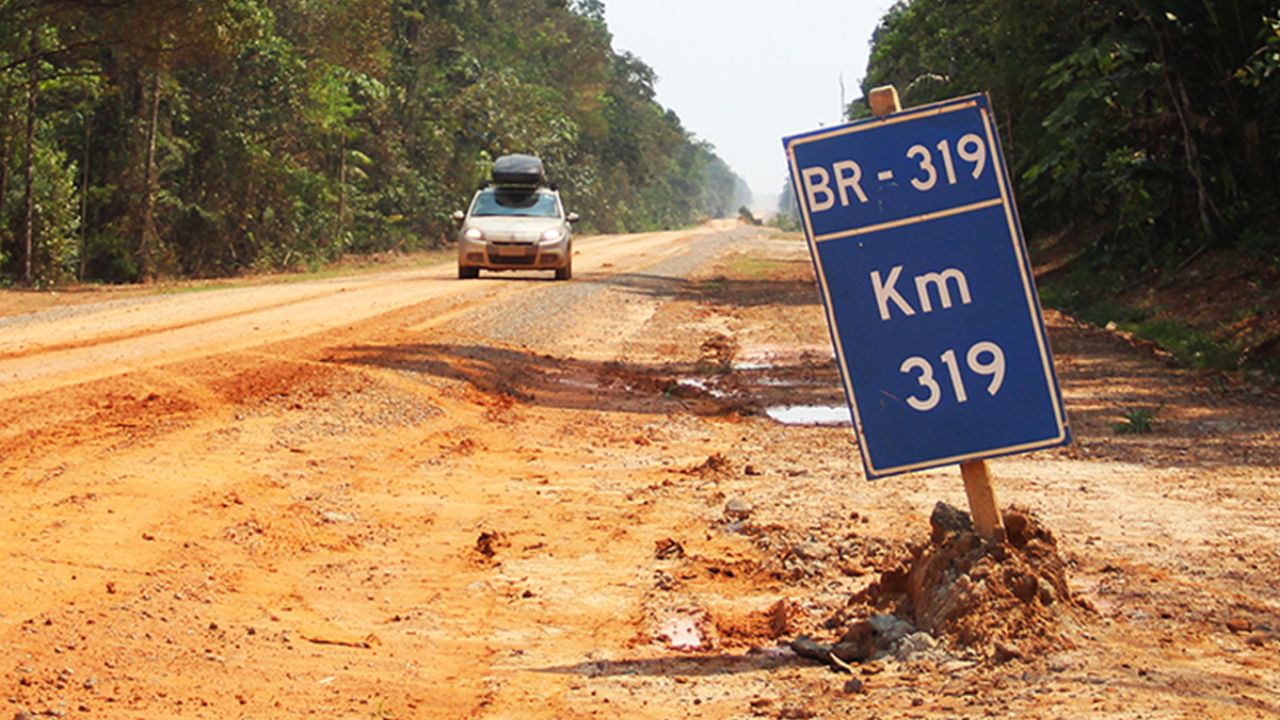
Veto Repealed to the Licensing Bill Opens Up Works on 918 km of BR-319 Without Requirement for a New Environmental License After More Than 20 Years of Legal Impasse Over the Highway Connecting Manaus to Porto Velho
BR-319 is back at the center of political and environmental disputes in Brasília. With the repeal of one of the presidential vetoes to Bill 2,159/2021, the Licensing Bill, Congress has paved the way for the repaving of BR-319 without specific environmental licensing for previously paved highways, changing the course of a debate that has dragged on for more than two decades.
The decision meets a long-standing demand of politicians and business leaders from Amazonas, who see the recovery of BR-319 as a promise of logistical and economic integration. At the same time, it rekindles the alarm bells for environmental organizations and part of the federal government itself, which views the change as a dismantling of the environmental protection system and a direct risk to the Amazon.
BR-319 at the Center of the Vote in Congress
On Thursday, the 27th, the National Congress overturned 52 presidential vetoes to the Licensing Bill. Among them was the provision that directly benefits BR-319, a 918-kilometer highway that connects Manaus to Porto Velho.
-
Scientists use sawdust mixed with clay to create a lighter brick, promising efficient thermal insulation and impressing by transforming waste into a solution for construction.

-
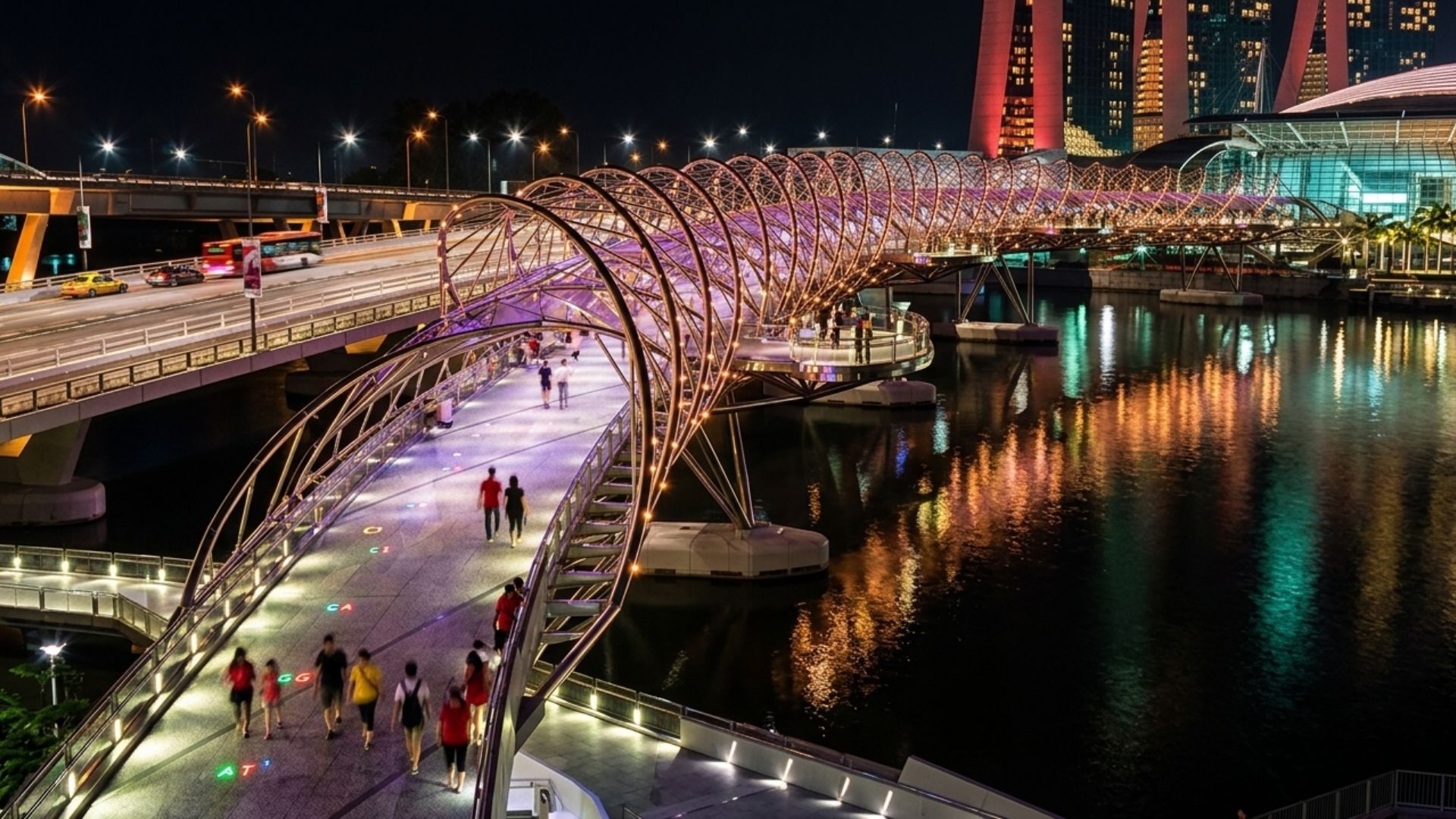
With a DNA shape, this bridge in Singapore draws attention in modern architecture and surprises tourists by transforming a simple crossing into an unforgettable visual experience in the urban heart.
-
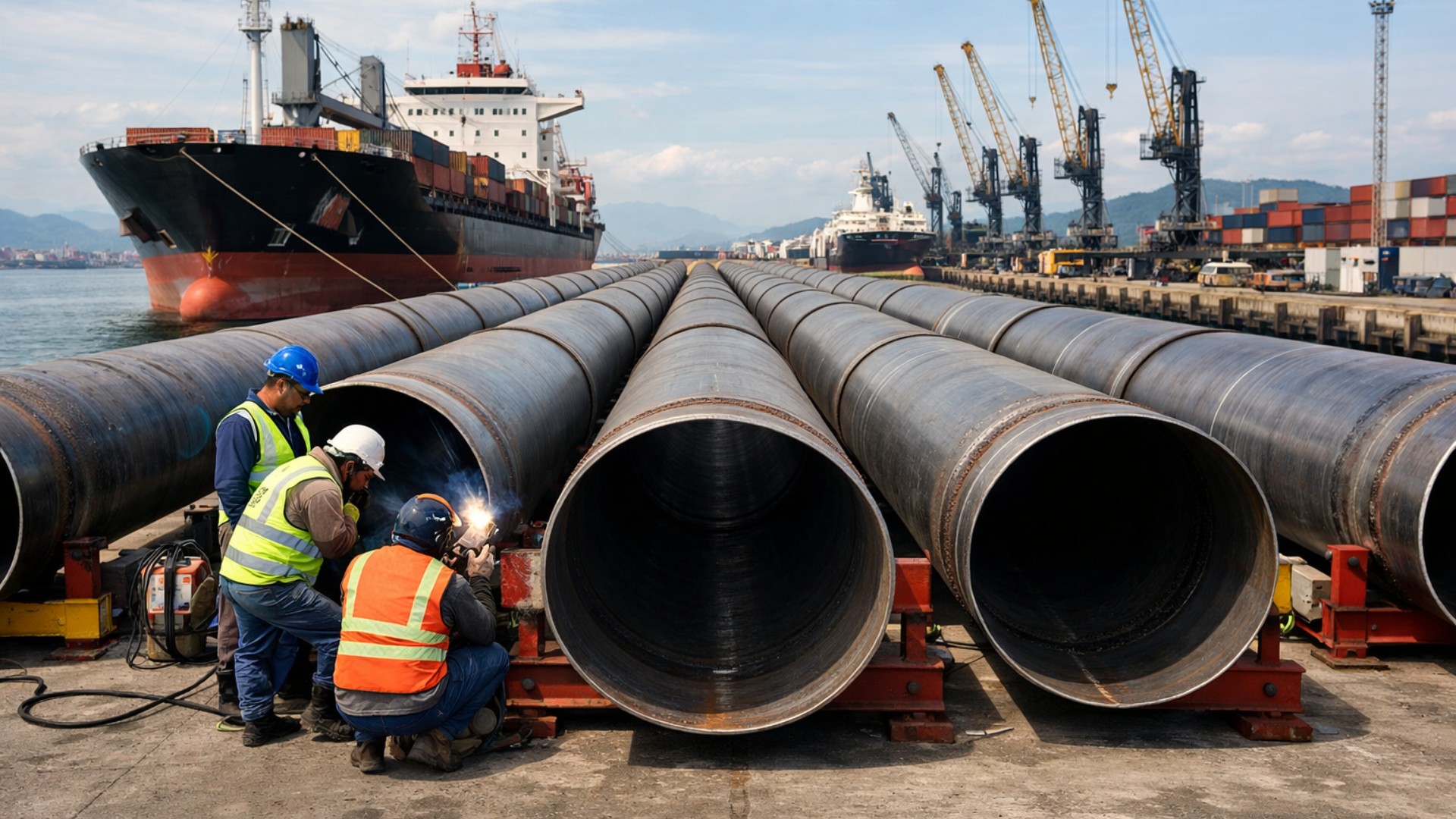
Giant underwater pipeline begins to take shape with a R$ 134.7 million project at the Port of Santos: the 1.7 km structure uses 12-meter and 700 mm pipes to supply water to 450,000 people in Guarujá.
-
A mason reveals a professional plastering technique that uses aligned guides and a 3-meter ruler to plaster an entire wall in up to 3 hours, without visible seams, with uniform thickness, perfect plumb, and a finish ready for painting without rework.


Of the 11 parliamentarians from Amazonas, three senators and seven federal deputies voted to reject President Lula’s vetoes, while Deputy Amom Mandel from Cidadania did not register a vote in the session.
In the Chamber of Deputies, there were 295 votes to overturn the vetoes against 167 to maintain them. In the Senate, the score was 52 votes in favor of the repeal against 15 for maintenance. The numbers show a comfortable majority in favor of flexibility, in line with the historical pressure for the repaving of BR-319.
The Amendment by Eduardo Braga That Reaches BR-319
The key point for BR-319 is a last-minute amendment proposed by Senator Eduardo Braga of the MDB from Amazonas, directly in the Senate floor.
The amendment alters Article 8 of the Bill, including the exemption from environmental licensing for services and works aimed at the maintenance and improvement of infrastructure in already existing installations or in domain and servitude areas, including previously paved highways.
In practice, this provision opens the door for BR-319 to be repaved without undergoing a complete environmental licensing process again, as long as it is classified as a previously paved highway and as maintenance or improvement work. The text is now awaiting promulgation to be incorporated into Law 15,190 of August 2025, which established the General Environmental Licensing Law.
Political Pressure and Silence on Social Media

The paving of BR-319 has been defended for years by different political and business actors from Amazonas. Eduardo Braga, in particular, made the amendment a public commitment when Lula vetoed 63 provisions of the Licensing Bill in August. At the time, the senator promised to work to overturn the veto on the part that benefited BR-319.
However, after the victory in Congress, the senator had not yet released his vote or celebrated the result on social media by Monday afternoon, the 1st, a contrast to the stance taken in August when he openly opposed the Executive’s vetoes.
The retreat in public discourse occurs right at a time when the reaction from environmental entities and sectors of the government is growing.
BR-319 and the Dispute Over Environmental Licensing
The licensing of BR-319 has been discussed between the federal government and state governments for over 20 years, without a stable solution. In 2022, at the end of Jair Bolsonaro’s government, a Preliminary License was granted for repaving works.
However, a judicial decision later confirmed by the Federal Regional Court of the 1st Region suspended this license, putting the process back in impasse.
With the new legislation approved, environmental organizations and the federal government itself are considering resorting to the courts again.
For these groups, the provision that exempts licensing for previously paved highways represents a deep weakening of environmental safeguards, especially in sensitive areas such as the Amazon.
The trend is that BR-319 will once again become an emblematic case in the dispute between infrastructure development and environmental protection.
Special Environmental License, Vetoes, and MP 1308
When initially vetoing Braga’s amendment, the federal government argued that works like those of BR-319 could be handled through the Special Environmental License, the LAE. This instrument would allow the classification of projects considered strategic and expedite their analysis without eliminating the licensing, maintaining the requirement for studies and conditions.
President Lula decided to veto all seven articles addressing the LAE, restoring the traditional three-phase licensing model: preliminary, installation, and operation licenses. Subsequently, the Executive sent to Congress Provisional Measure 1308, which seeks to redefine the licensing framework for strategic projects. The MP is under review by a mixed committee made up of deputies and senators.
The committee is chaired by Senator Tereza Cristina of the PP from Mato Grosso do Sul, who reported the Licensing Bill in the Senate and incorporated the main flexibilities approved by Congress. The rapporteur of MP 1308 is Deputy Zé Vitor of PL from Minas Gerais, who also reported the original project in the Chamber.
The MP has already received at least 800 amendments, revealing the degree of dispute over the new rules. Lawmakers have until the 5th to vote on the final text, which could directly influence how BR-319 is treated moving forward.
BR-319: History of a Strategic Highway in the Amazon
BR-319 was built during the Military Dictatorship to connect the states of Amazonas and Roraima to the state of Rondônia. Construction began in 1968 and the highway was inaugurated in 1972. However, in 1988, the central section ceased to have continuous traffic, and the road has been considered, in practice, deactivated over much of its length.
Today, only the sections near Manaus and Porto Velho remain passable, while the central segment, between kilometers 250 and 655, concentrates the main pressures for repaving.
Since 2001, some stretches have been worked on again, but in a fragmented manner. In 2005, the attempt to repave the entire highway was blocked by the Federal Justice, which began to demand more robust Environmental Impact Studies.
Since then, there have been new attempts to advance in 2008, 2011, and 2021, always without concrete results. The repeal of the veto on the provision that benefits previously paved highways puts BR-319 back in the spotlight, this time with broader legal support for the resumption of works, albeit under strong contestation.
What Could Happen Now with BR-319
From the promulgation of the new rule, the federal government, the involved states, and the judiciary will play a decisive role. The exemption from licensing for previously paved highways could be used as an argument to accelerate the repaving of BR-319, but lawsuits and restrictive interpretations of the law could limit or condition this advance.
At the same time, the outcome of MP 1308 and how Congress defines the treatment of strategic projects could reconfigure the institutional path of BR-319, either by reinforcing the recently approved flexibility or by reintroducing new environmental requirements.
In all scenarios, the highway remains a symbol of the dispute between development, regional integration, and the preservation of the Amazon rainforest.
And you, do you believe that BR-319 should be repaved without a complete environmental licensing or do you think that this step poses an excessive risk to the Amazon?






-

Uma pessoa reagiu a isso.