





 Portuguese
  English
  Spanish
 6 min of reading
  0 comments


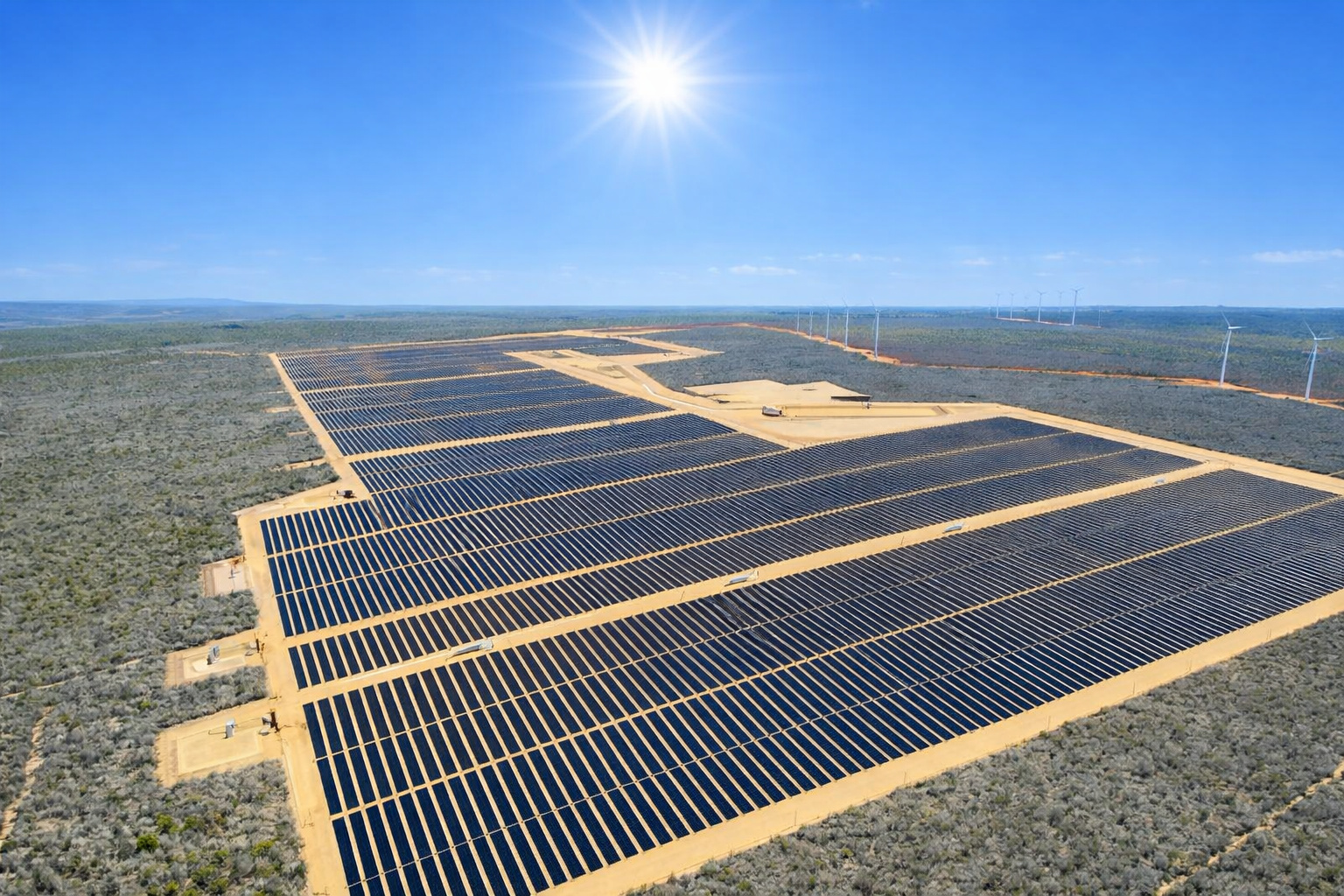
Bahia Expands Renewable Matrix by Commissioning the Babilônia Sul Solar Complex, Strengthening Clean Energy Generation, Boosting the Local Economy, and Consolidating the State’s Protagonism in Brazil’s Energy Transition.
The Bahia Expands Renewable Matrix by commissioning the Babilônia Sul Solar Complex, a project that symbolizes the state’s continuous advancement in Brazil’s energy transition.
Moreover, located in the municipality of Várzea Nova, the complex reinforces Bahia’s vocation for clean and renewable energy generation, while consolidating a historical trajectory of investments in sustainable sources.
More than a one-off project, the commissioning of the complex represents a milestone within a broader process of transforming the regional and national electricity matrix.
-
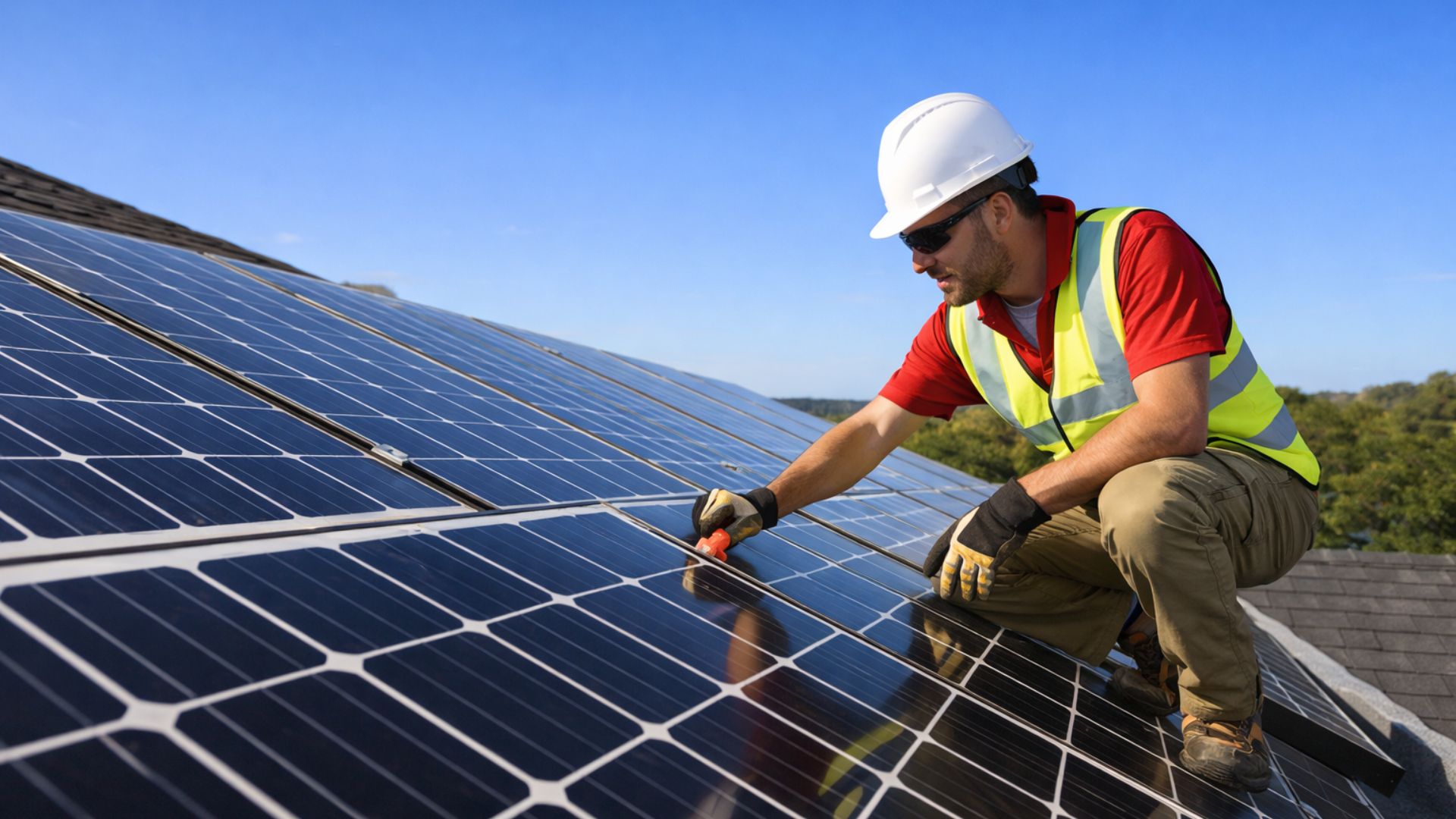
Seagri’s headquarters invests in solar energy with Neoenergia Coelba and promises to cut electricity costs, highlighting a strategic advance in sustainability and energy efficiency within state public administration.
-
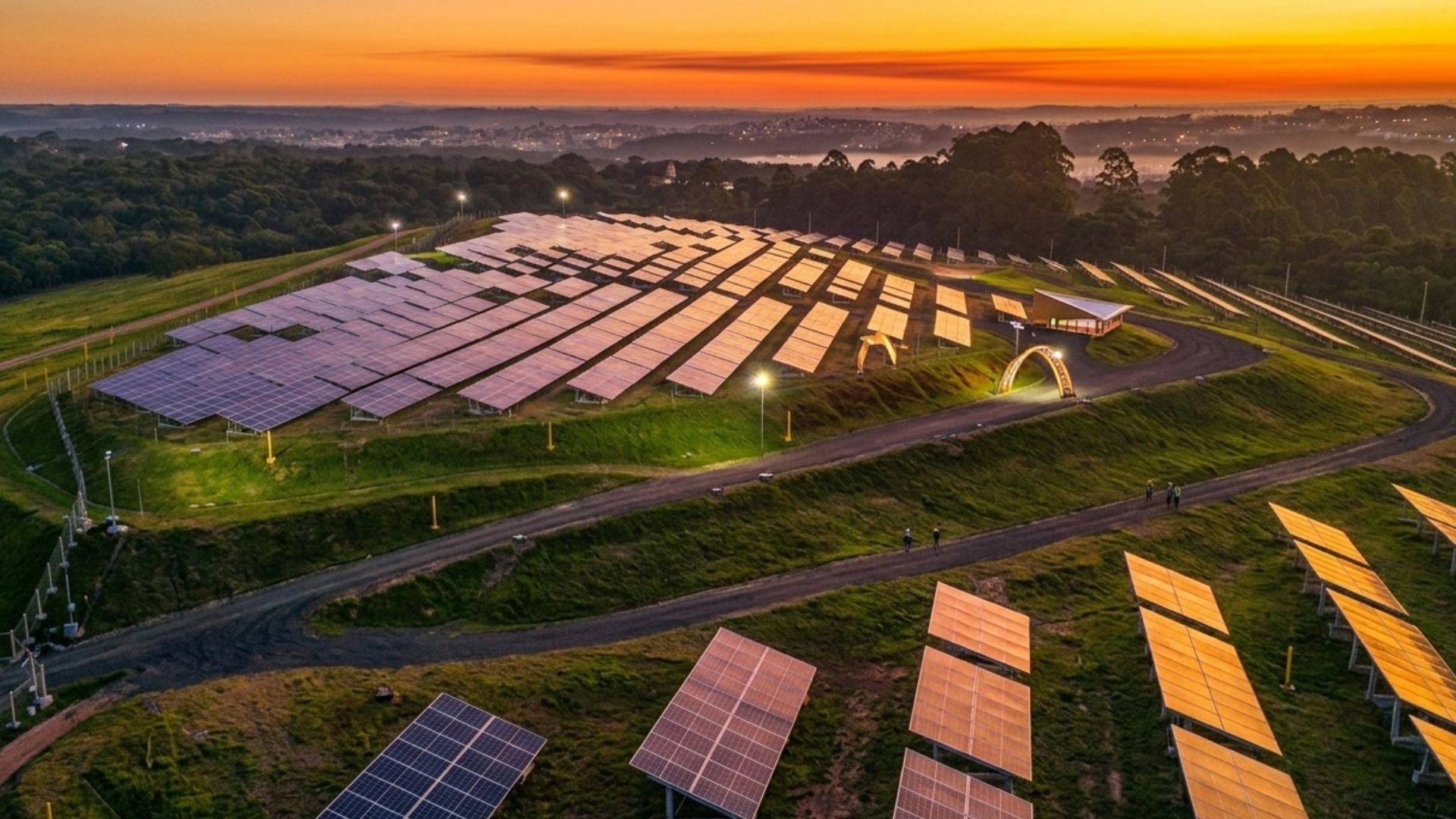
Solar Pyramid draws attention by converting solar energy into million-dollar savings and repositioning the City Hall of Curitiba as an example of innovation, sustainability, and intelligent use of public resources.
-
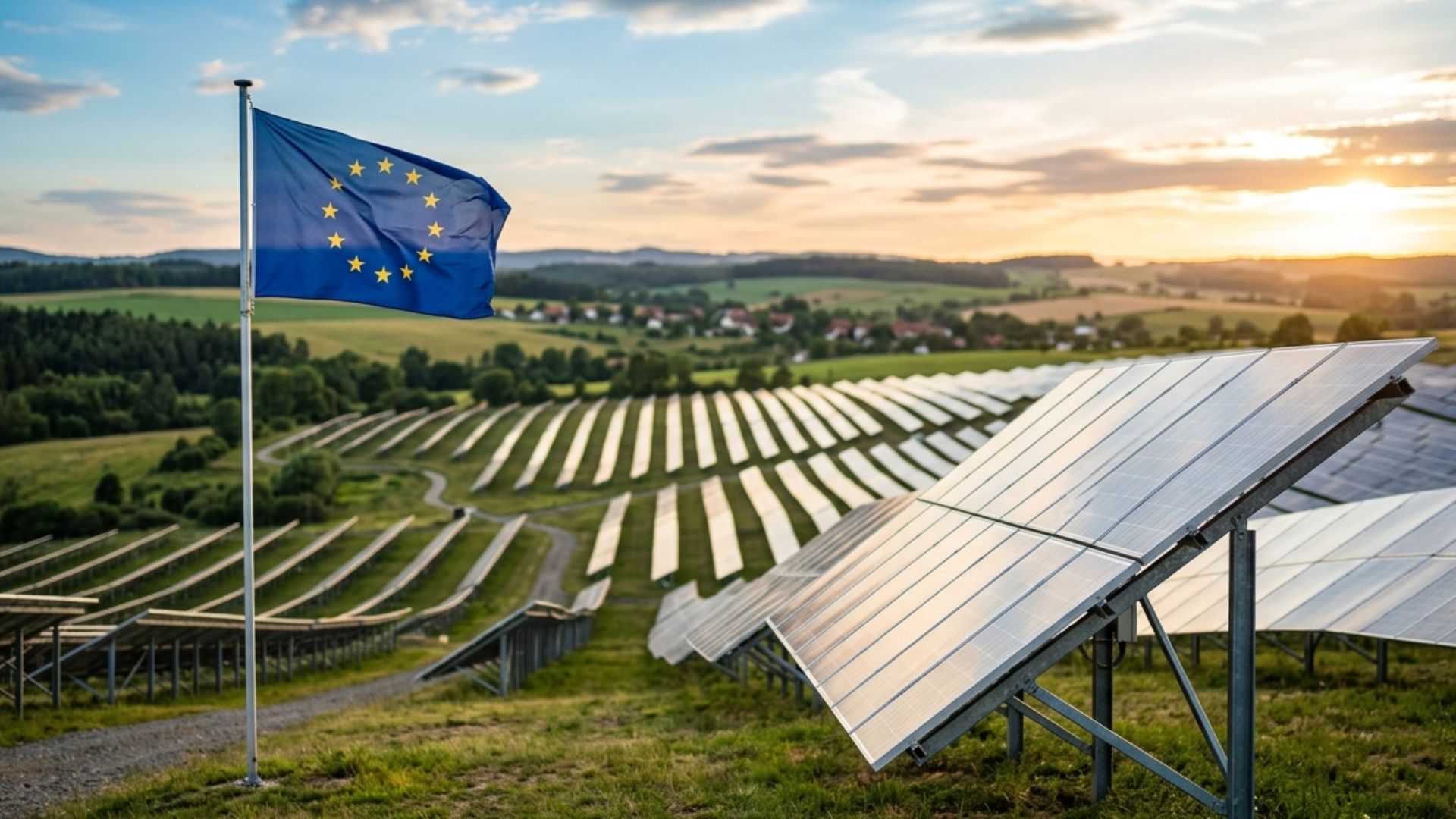
Europe records strong euro economy with solar energy in March and sparks curiosity about which country leads growth that redefines the energy market and reduces costs.
-
Piauí reaches a historic milestone in energy transition: State records nearly 160,000 households powered by solar energy and leads growth in the Northeast.

Historically, the Brazilian energy matrix has been marked by a strong presence of renewable sources, especially hydropower. Since the mid-20th century, the country has built large plants that sustained economic and industrial growth.
However, over the past few decades, the increase in electricity demand, coupled with recurring droughts, has highlighted the need to diversify generation sources.
In this sense, Bahia has assumed a strategic role in national energy planning, given that it has high solar irradiation levels and vast areas available for large-scale projects.
Furthermore, the state has become a favorable environment for the development of photovoltaic projects, which consequently attracted investments and accelerated the deployment of new solar plants.
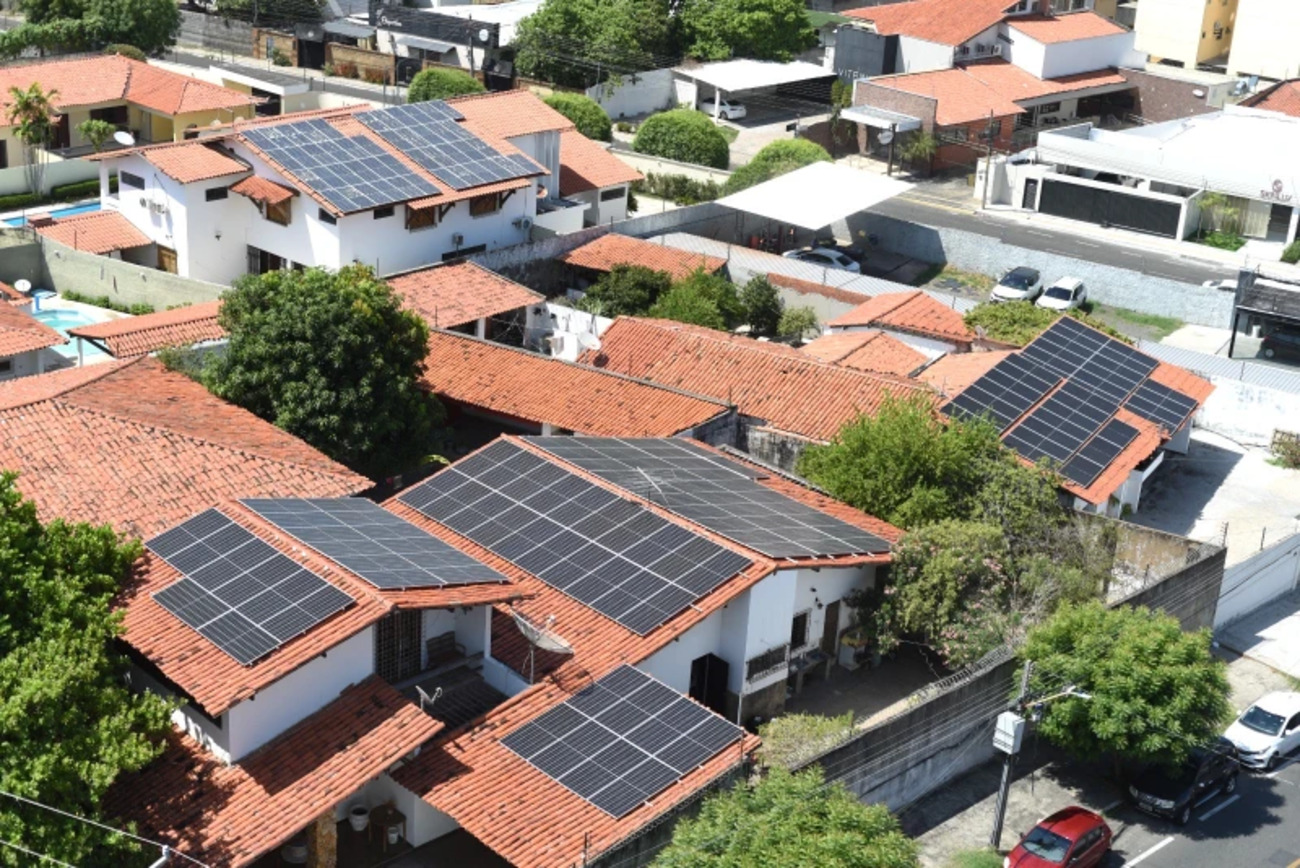
It is in this context that the Babilônia Sul Solar Complex gains relevance. With an installed capacity of 100 megawatts, the project integrates the New Growth Acceleration Program, a federal initiative that aims to boost structural works and stimulate sustainable development in different regions of the country.
Thus, the operation of the complex demonstrates how public policies, private investments, and favorable natural conditions converge to strengthen clean energy generation.
Expansion of Solar Energy and Strengthening of the Electric Matrix
The complex comprises two solar plants, Fótons de São Claus 1 and 2, made up of dozens of generating units strategically distributed.
In this way, the structure highlights the technological advancement of the photovoltaic sector in Brazil, which has rapidly evolved from experimental projects to large-scale enterprises. Moreover, solar energy, once seen as complementary, now plays a central role in electricity supply.
The physical guarantee of the complex allows it to serve thousands of households, directly contributing to supply security. Consequently, in an increasingly integrated electricity system, solar generation reduces dependence on more polluting sources and balances energy supply during peak consumption periods.
In addition to the energy aspect, the project also positively impacts the local economy. During the implementation phase, the Babilônia Sul Solar Complex created thousands of direct and indirect jobs, boosting the regional economy.
Thus, the arrival of an investment of this magnitude dynamizes interior municipalities, promoting income, resource circulation, and new opportunities for the population.
Additionally, this dynamism contributes to the formation of specialized labor, generating effects that extend beyond the completion of the works.
When analyzing Bahia’s recent history, it is noted that the state has consolidated a leadership position in the renewable energy sector.
Initially recognized for its wind potential, Bahia rapidly expanded its involvement in solar energy.
This movement aligns with the global trend of reducing the costs of photovoltaic technologies, making projects consequently more viable and attractive from an economic perspective.
Integration into the Electrical System and Environmental Responsibility
The expression Bahia Expands Renewable Matrix is not limited to simply adding new megawatts to the electrical system.
It reflects, therefore, a structural change involving long-term planning, integration into the National Interconnected System, and attention to environmental issues.
In the case of the Babilônia Sul Complex, the connection to the high-voltage substation ensures that energy efficiently reaches consumption centers, contributing to system stability.
Additionally, this integration strengthens the reliability of supply during periods of high demand.
The transmission infrastructure plays a crucial role in the success of renewable projects.
Without it, the produced energy does not reach consumers.
Therefore, investments in transmission lines and substations go hand in hand with the expansion of solar generation in Bahia, ensuring that the state’s energy potential is fully utilized.
The environmental licensing of the enterprise, conducted by the competent state body, reinforces the importance of aligning economic development and environmental preservation.
Although solar energy projects have low environmental impact compared to other sources, they still require detailed studies to ensure responsible land use and the protection of natural resources.
Thus, the complex exemplifies how it is possible to reconcile economic growth and environmental sustainability.
Another relevant point is the role of solar energy in reducing greenhouse gas emissions. By increasing the participation of clean sources in the electrical matrix, Bahia helps the country to meet its climate commitments.
Moreover, solar generation prevents the emission of thousands of tons of carbon over its lifespan, thus strengthening the sustainability agenda.
Social, Economic Impacts and Long-Term Vision
From a social perspective, the presence of large solar complexes transforms the reality of regions previously marked by lower economic dynamism. In this sense, the arrival of infrastructure, investments, and jobs generates lasting positive effects, even after the completion of the works.
Additionally, the tax revenue associated with the operation of the enterprises strengthens municipal and state coffers, allowing for new investments in essential areas.
Over time, the consolidation of solar energy in Bahia also stimulates the formation of a local production chain.
Engineering, maintenance, logistics, and specialized services companies operate more intensively, creating a favorable environment for innovation, knowledge transfer, and technical qualification of the regional workforce.
In this way, the state strengthens its technological autonomy and reduces dependence on imported solutions.
It is important to highlight that the expansion of the renewable matrix does not occur in isolation. It is part of a broader strategy of energy diversification, which also includes wind energy, biomass, and other clean sources.
In this context, solar energy stands out for its rapid implementation and operational flexibility, serving both large consumption centers and more remote areas.
Bahia as a National Reference in Renewable Energy
Looking at the historical panorama, it is noted that Bahia has been able to leverage its natural and institutional advantages to become a reference in renewable energy.
Thus, the operation of the Babilônia Sul Solar Complex reinforces this trajectory and signals that the state will continue attracting new projects in the coming years, further increasing its share in the Brazilian electricity matrix.
Therefore, when it is said that Bahia Expands Renewable Matrix with the Operation of the Babilônia Sul Complex, an advancement is recognized that goes beyond the installed capacity numbers.
The result reflects a vision of the future based on sustainability, energy security, and balanced economic development. Thus, as a timeless article, this movement remains relevant as it points to a consistent path of growth sustained by clean energy.
Finally, the Babilônia Sul Solar Complex is inserted as an important chapter in the energy history of Bahia and Brazil.
It demonstrates that the transition to a more renewable matrix is possible, viable, and beneficial in multiple dimensions, consolidating the state as a protagonist in building a more modern, resilient electrical system aligned with the demands of the 21st century.









-

Uma pessoa reagiu a isso.