





 Portuguese
  English
  Spanish
  7 min of reading
  0 comments


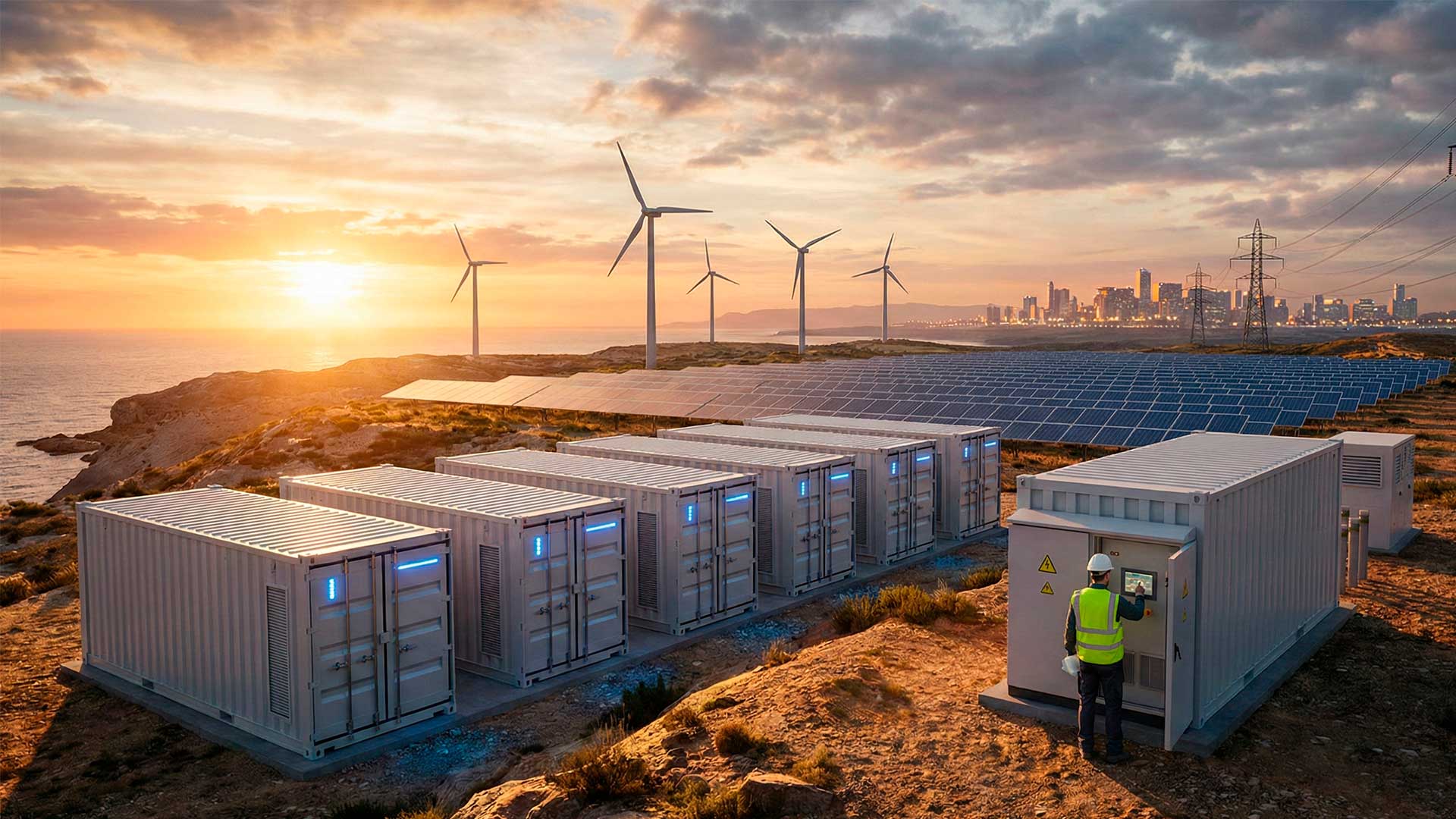
Battery Storage Systems Come Out of the Shadows and Start to Support Power Grids in Countries Like Chile, the United States, Australia, and Increasingly Brazil. Over 90% Drop in Costs and New Rules from Aneel Put the Country on the Global Radar of Energy Transition.
Lithium-ion batteries were treated for decades as technology suitable only for cell phones and laptops. They were seen as expensive, risky, and unreliable for something as critical as a national power grid. Today, they are at the center of a structural change in the way energy is generated, transmitted, and consumed.
Systems the size of shipping containers are already installed next to large solar power plants and wind farms on several continents. They store electricity when the wind blows strong and the sun is high in the sky, then return it to the grid during peak hours, when consumption spikes. The result is less need for expensive and polluting thermal power plants and lower investment in new transmission lines.
According to the International Energy Agency (IEA), the average costs of batteries have dropped over 90% in less than 15 years, transforming this technology into one of the central pieces of the global energy transition. In 2023, battery storage deployment in electricity generation grew more than 130% in a single year.
-
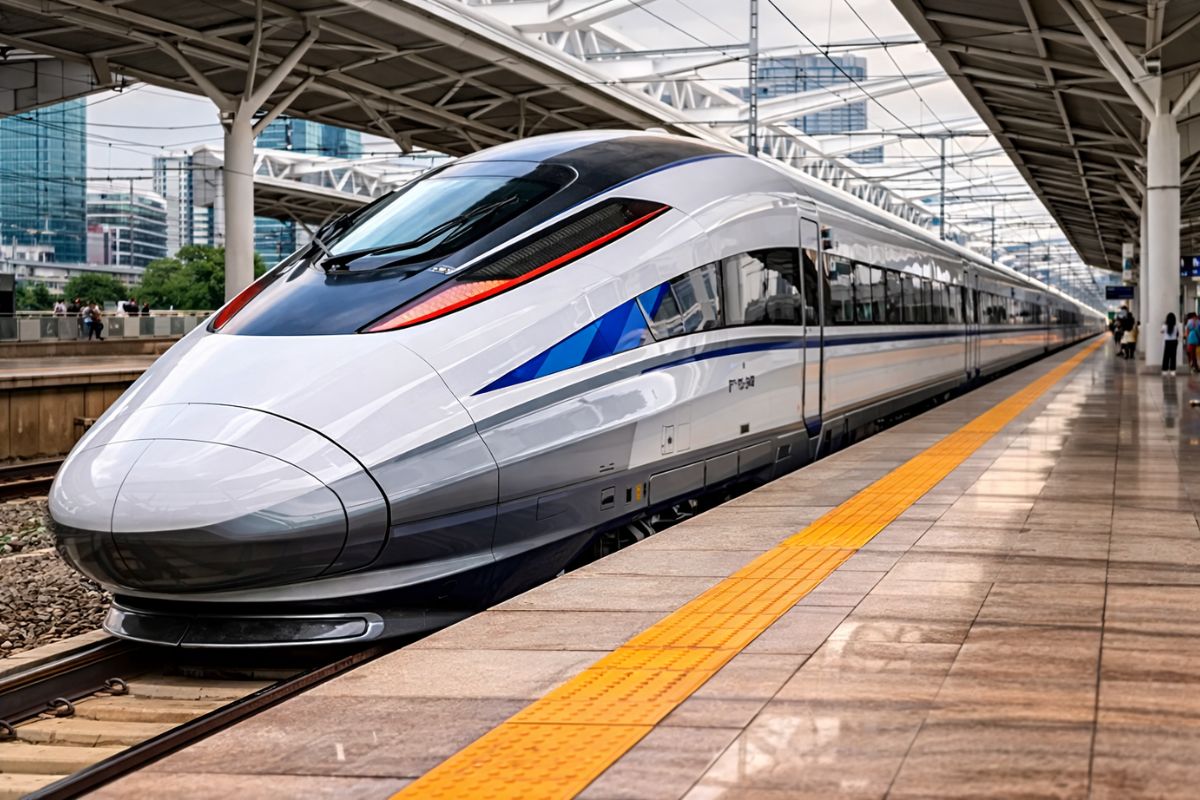
China is testing a train that will operate at 400 km/h in daily service, which is 80 km/h faster than the French TGV, and uses carbon fiber, magnesium alloys, and more than 4,000 sensors to become the fastest commercial train on the planet.
-
Forget about having an air fryer, electric oven, and steam pot taking up space in your kitchen because a 30-liter smart oven combines all these functions, automatically selects the ideal temperature, and even turns off by itself when cooking is done.

-
Engineers rewrote all the apps from scratch and bet everything on a buttonless screen: now the creator of the iPhone says that Apple needs to make the same revolution again because of AI.

-
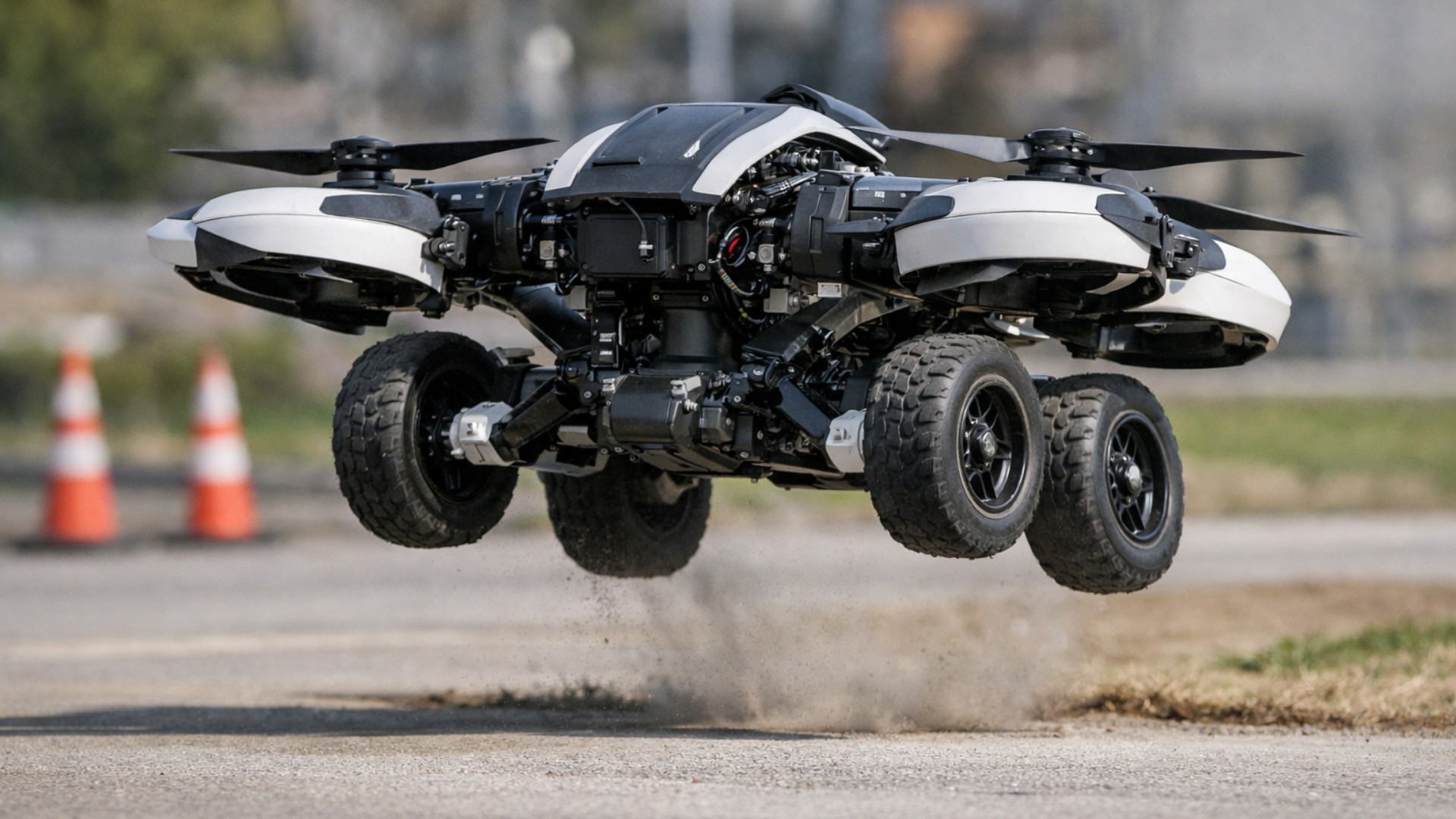
Researchers in the U.S. have created a flying robot that transforms into a land vehicle while still in the air. The technology, based on aerodynamic transition, converts landing into a scene worthy of Transformers and redefines mobility between sky and ground.
While Chile, California, and Australia show that it is possible to avoid blackouts with large storage systems, Brazil is starting to take its first steps in large-scale projects. New regulations from Aneel, studies from ONS, and movements from companies like ISA CTEEP, Petrobras, and CGN Brazil indicate that batteries are set to gain ground here as well.
From Doubts to Protagonism: How Lithium-Ion Batteries Came Out of the Laboratory to the Power Grid
The technology of lithium-ion batteries began to be developed in the 1970s in laboratories in the United States and Japan. At that time, the focus was on powering portable electronic devices, not high-voltage grids. For decades, system operators and executives from utility companies dismissed the idea of using batteries on a large scale, citing high costs and risk of failures.
Historically, energy storage has always existed but in different forms. Pumped hydroelectric plants, which pump water to higher reservoirs and then generate electricity as it flows down, were for a long time the dominant solution. Technologies such as alkaline and sodium-sulfur batteries were also tested but remained restricted to specific niches, without global scale.
The leap came with the combination of research, industrial scale, and demand for electric vehicles. According to the IEA, the average price of battery packs fell from about $1,400 per kilowatt-hour in 2010 to less than $140 in 2023, one of the largest cost reductions ever seen in any energy technology. This movement opened space for batteries to come out of cars and be directly coupled to power grids.
Chile, California, and Australia Show the Power of Battery Energy Storage
Chile was one of the first open-air laboratories for this transformation. In 2009, in the Atacama Desert, AES operated one of the first commercial lithium-ion battery storage systems connected to the grid, designed to ensure stable power to a mining region in a remote area. The Los Andes project was followed by an even larger installation, Angamos, and demonstrated that batteries could maintain grid frequency and prevent power drops during demand peaks.
In California, which faces heat waves and strong solar energy growth, batteries have changed the game in recent years. State authorities began using large storage systems to shift solar energy from midday to late afternoon, reducing emergency consumption cut requests and the risk of blackouts. Meanwhile, Australia has become a reference in large “battery farms” connected to wind and solar parks, reinforcing the grid in areas with high penetration of renewables.
Brazil Begins to Install Batteries in the Power Grid and Becomes a New Market for Investors
In Brazil, the symbolic milestone of this new phase occurred in 2022, with the commissioning of the first large-scale battery storage project in the transmission system. Installed by ISA CTEEP at the Registro substation, on the southern coast of São Paulo, the 30 MW and 60 MWh system was designed to operate during peak hours, helping to avoid supply interruptions for about 2 million consumers. The project was approved and monitored by Aneel and is considered historic for the energy sector.
The National Electric System Operator (ONS) has listed storage systems as one of the regulatory priorities, alongside topics such as network modernization and operational flexibility. In 2024, the operator highlighted the need to regulate the use of batteries and pumped hydroelectric plants to ensure greater security and flexibility for the Brazilian electric matrix, increasingly dependent on wind and solar energy.
In 2025, Aneel published new guidelines for the installation of storage systems, focusing on safety requirements, integration with the grid, and defining rules for connection and operation. According to the agency, the goal is to allow batteries to operate efficiently and in coordination with other power plants, increasing the utilization of renewable generation and reducing the need to trigger costly thermal plants. These guidelines are seen as an initial step towards a more complete regulatory framework.
Studies from EPE and other agencies indicate that the first pilot projects of battery storage systems are beginning to spread across states like Bahia, Ceará, Pernambuco, and Minas Gerais, often co-located with large solar and wind plants. The idea is to test business models, evaluate flexibility gains, and prepare the ground for future expansion on a larger scale.
Private companies are also moving. CGN Brazil, for example, is evaluating two pilot battery energy storage systems in a wind and solar complex in Bahia to compensate for generation losses caused by production cuts that have reached around 20% of assets in 2025. Simultaneously, Petrobras is studying participation in specific battery auctions and plans a pilot dedicated to storing energy starting in 2028, signaling that the topic is already on the agenda of major energy companies.
Recent analyses from the Instituto E+, specialized in energy, indicate that the inclusion of 4 GW of battery storage in the Southeast could generate average savings of hundreds of millions of reais in the operating cost of the National Interconnected System over slightly more than a decade. The studies also indicate a reduction in the marginal operating cost and greater penetration of renewables, with potential impact on tariff stability and supply security.
Declining Costs, Security Risks, and the Race for New Battery Technologies
Even with the sharp drop in prices, batteries are still high-value investments and require careful planning. The IEA and other studies highlight that the reduction of over 90% in just over a decade was driven mainly by gains in scale in battery factories for electric cars and the diffusion of chemistries like lithium iron phosphate, which already represents about 80% of new storage batteries in 2023. Alternative technologies, such as sodium-ion batteries, are beginning to emerge but are still in the early stages.
The issue of safety is also at the center of the debate. Incidents of fires in battery systems in other countries and recalls of residential products, such as the Powerwall in certain markets, led regulators to tighten protection, ventilation, and thermal monitoring standards for systems. According to international reports, the combination of high energy levels and design flaws can create significant risks if clear requirements for design, installation, and operation are not established.
At the end of the supply chain, the race for lithium and other critical metals raises environmental and geopolitical questions. Mining companies like Rio Tinto are betting that the metal will remain central in batteries, despite the drop of up to 90% in lithium hydroxide prices from the peak in 2022, and are forming partnerships with countries like Chile for new projects. Experts warn that the expansion of the sector must be accompanied by strict sustainability, reuse, and recycling standards, at the risk of merely shifting one environmental problem to another.
What Changes for the Energy Transition and for Brazilians’ Electricity Bills
For the climate, the combination of solar, wind, and battery storage is regarded by international organizations as one of the quickest paths to reduce emissions in the electric sector. By allowing renewables to provide energy even when there is no sun or wind, batteries reduce the need to trigger gas or oil thermal plants and postpone investments in new base-load plants, which often have high costs and long implementation times.
For consumers, the effects are expected to appear gradually. The expectation of studies and regulators is that the use of batteries will help avoid blackouts, reduce price volatility in extreme weather events, and generate structural savings in system operation, which can reflect in more stable tariffs in the medium and long term. At the same time, discussions continue on how to share the costs of investments among generators, distributors, and users, a topic in which Aneel is already studying contract models where part of the bill is divided across the entire chain.
In the end, the pressing question is how much Brazil is willing to bet on battery energy storage to accelerate its energy transition. Do you think the country should rush to install large battery systems, even with costs and risks, or prioritize hydropower, new transmission lines, and energy efficiency programs? Leave your opinion in the comments and participate in the debate about what the ideal strategy should be to ensure cleaner, safer, and cheaper energy in the coming years.




Seja o primeiro a reagir!