






 Portuguese
  Spanish
  3 min of reading
  0 comments


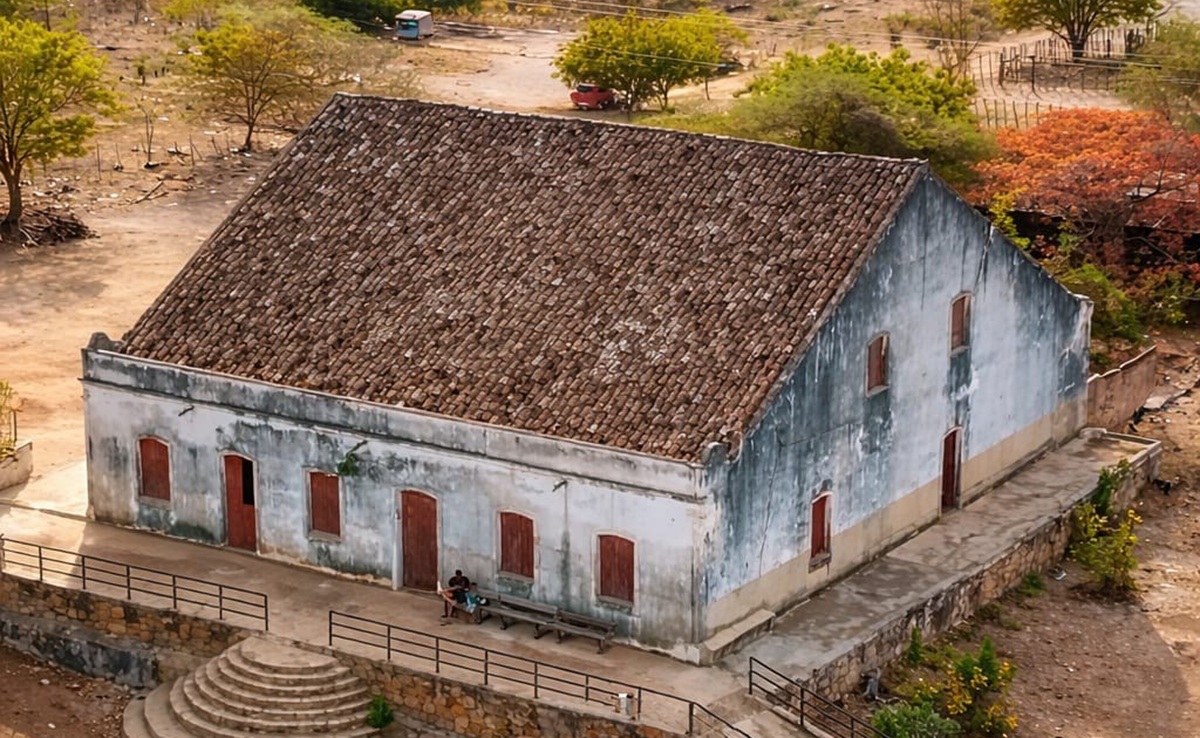
Built around 1790, the mansion of Fazenda Trigueiro, in Pereiro, Ceará, brings together 38 rooms, marks of the slavery period, defensive architecture, and stories of haunting preserved over four generations of the same family
The mansion of Fazenda Trigueiro, in the municipality of Pereiro, Ceará, remains one of the most striking properties in local history. Built around 1790 with 38 rooms, the building has crossed centuries carrying signs of the slavery period, the rural occupation of the region, and stories of haunting that remain alive in the memory of the residents.
On the banks of the road between Pereiro and São Miguel, in Rio Grande do Norte, the mansion draws attention for its size and structure.
The construction is said to have been built with sand taken from the bed of the Jaguaribe River, about 100 kilometers away, and transported by enslaved people, who were also responsible for raising the walls of the large house. According to reports, the property was built at a time when Brazil was still under slavery, making the site a symbol of a harsh and deeply unequal past.
-
Federal Police involved in the case to identify the person responsible for hacking the Civil Defense system, which sent ten false alerts, frightened residents of different capitals, and turned messages about real risks into notifications with “misanthropy” and even alien attacks.

-
Extreme drought causes ghost village to reappear at the bottom of the reservoir that supplies Athens, revealing houses, a school, and ruins swallowed since the 1980s as the lake shrinks and exposes the water crisis threatening the capital of Greece.

-
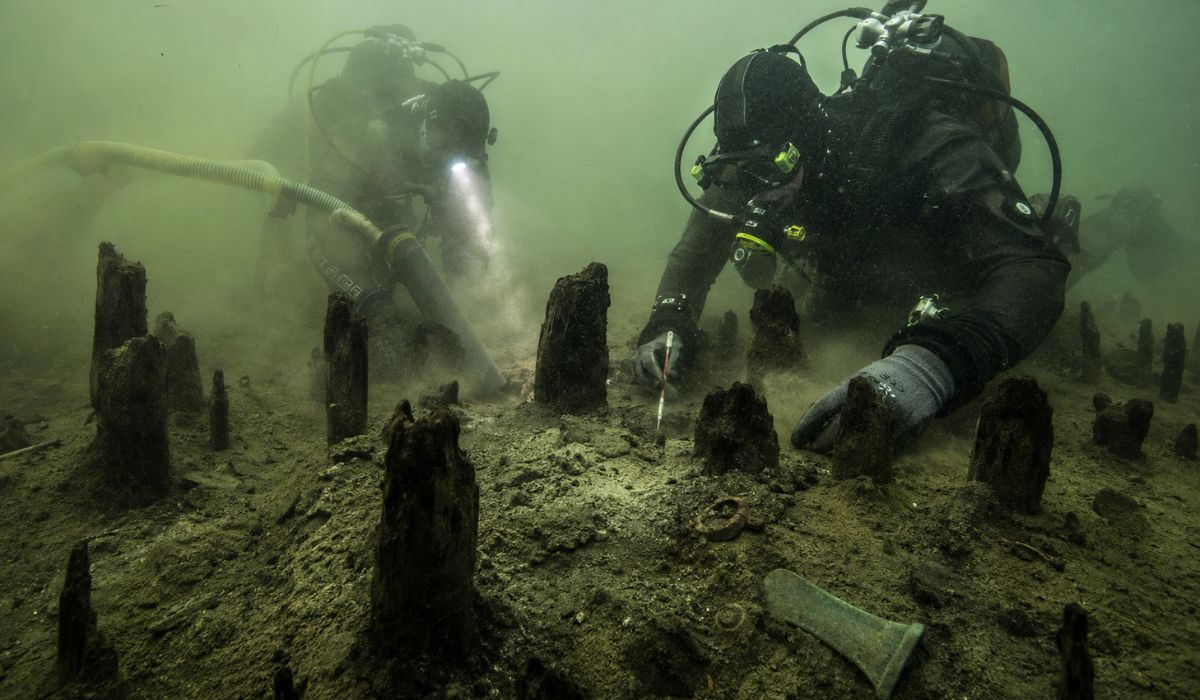
An entire village lay asleep at the bottom of a lake for 3,000 years: divers suction sediments in Italy and reveal more than 600 wooden stakes, bronze tools, and traces of a Bronze Age settlement hidden underwater.
-
They call it the “Shopee house” and even cardboard, but the R$ 20,000 house is a certified Wood Frame from Alea, financed by Minha Casa Minha Vida: understand if it’s worth more than masonry.



Architecture of the mansion reveals dimension and defense strategy
The mansion of Fazenda Trigueiro impresses with its proportions. There are 38 rooms, in addition to very thick walls, huge doors and windows, and a roof with tiles that also stand out for their size. The architecture refers to the colonial period and holds characteristics that went beyond mere habitation.
One of the most curious details is that the ground floor has windows only at the front. According to researchers who visited the property, this configuration served as a form of defense. In case of an attack, whether by indigenous people or bandits, the only door to access the interior of the house could be closed, making invasion difficult and protecting the farm.
The property also bears direct marks of the slavery period. In the large house, there was a slave quarters, which reinforces the mansion’s connection to the social and economic structure of the time. Thus, the construction draws attention not only for its size but also for the historical weight it carries.
Residents’ stories keep the fame of the haunted mansion alive
The large house of Fazenda Trigueiro has passed through four generations of the same family. The first resident mentioned in the accounts was the farmer Manuel Diógenes Osório. Today, descendants still maintain their connection to the property and preserve the stories surrounding the site.
Among these narratives are reports of sounds and occurrences considered strange. José Denis, a member of the fourth generation of the family, recounts that the residents have become accustomed to unusual occurrences. According to him, there are sounds of children crying, accordion and guitar playing, pounding sounds, voices, and noises of objects, such as pots and lids, falling to the ground. However, when someone goes to check, everything is in its place.
The upper part of the mansion has not been used for many years but remains associated with mysterious noises, perceived both during the day and at night. There are also stories that speak of human bones and remains buried in the walls, which are about a meter wide.
Amid family memory, the legacy of slavery, and stories of haunting, the mansion of Fazenda Trigueiro continues to stand as a landmark of Pereiro’s past and as a construction surrounded by history and mystery.





Be the first to react!