





 Portuguese
  English
  Spanish
  4 min of reading
  0 comments


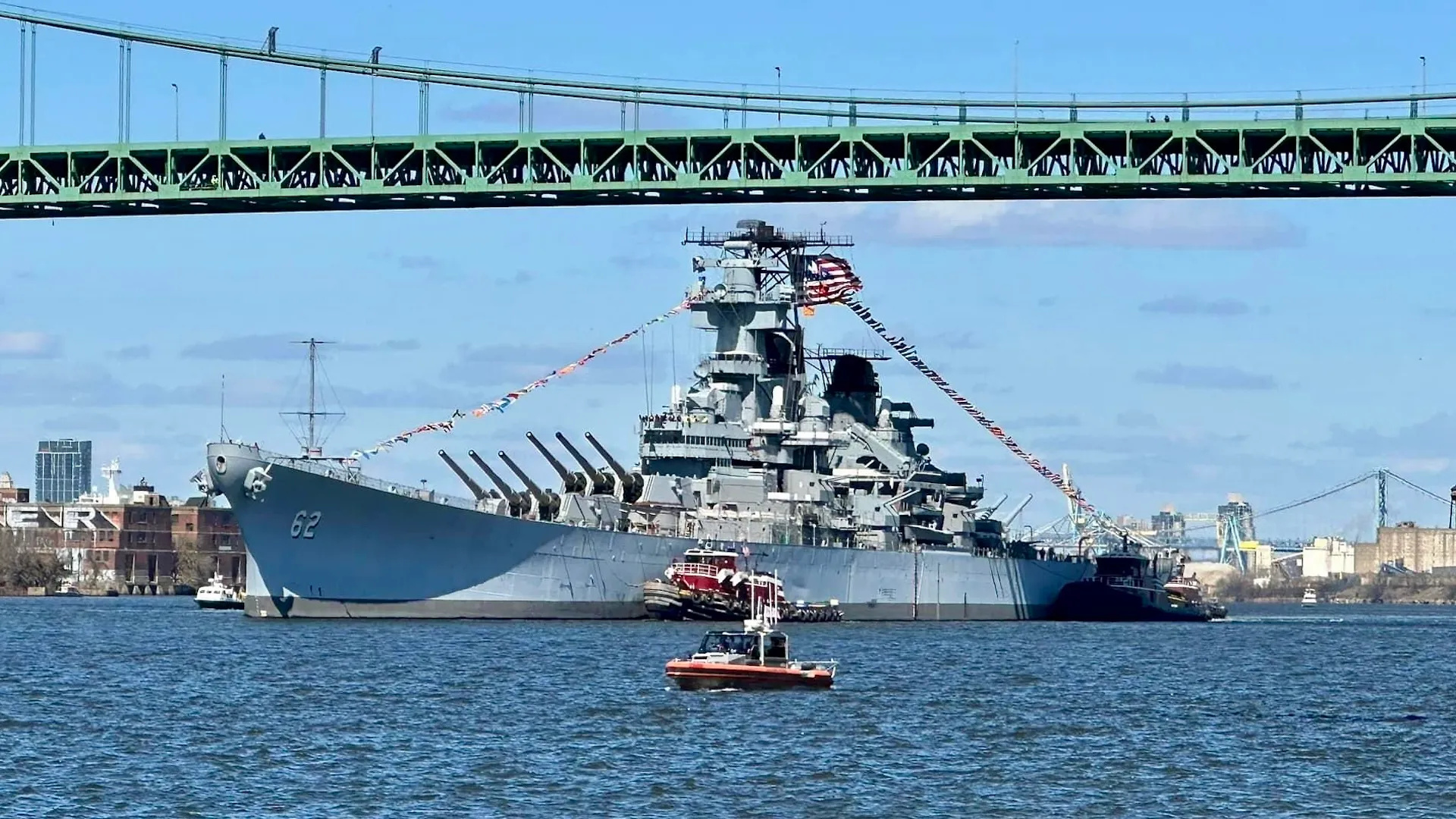
USS New Jersey Fired 1.2 Ton Projectiles At Over 40 Km, Fought In Real Combat In The 80s And Challenged The Missile Age In Naval Warfare.
For decades, military analysts repeated the same phrase: battleships were relics of the past. After World War II, aircraft carriers and guided missiles seemed to have sealed the fate of the steel giants. But in February 1984, off the coast of Lebanon, the USS New Jersey fired its 406 mm guns in real combat, proving that heavy naval artillery still had a role that no other platform completely replaced. What seemed obsolete proved to be brutally effective.
The Day They Said Battleships Were Dead
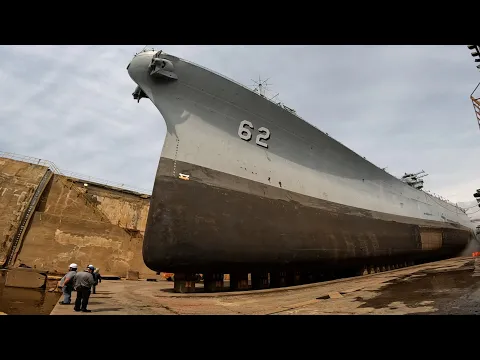
The USS New Jersey (BB-62), of the Iowa class, was commissioned in 1943. At that time, the world believed that naval battles would still be decided by gigantic guns trading fire at kilometers away.
But the landscape changed quickly. Aircraft carriers dominated the Pacific. Then came anti-ship missiles, nuclear submarines, and electronic warfare. Huge ships began to be seen as targets that were too large.
-
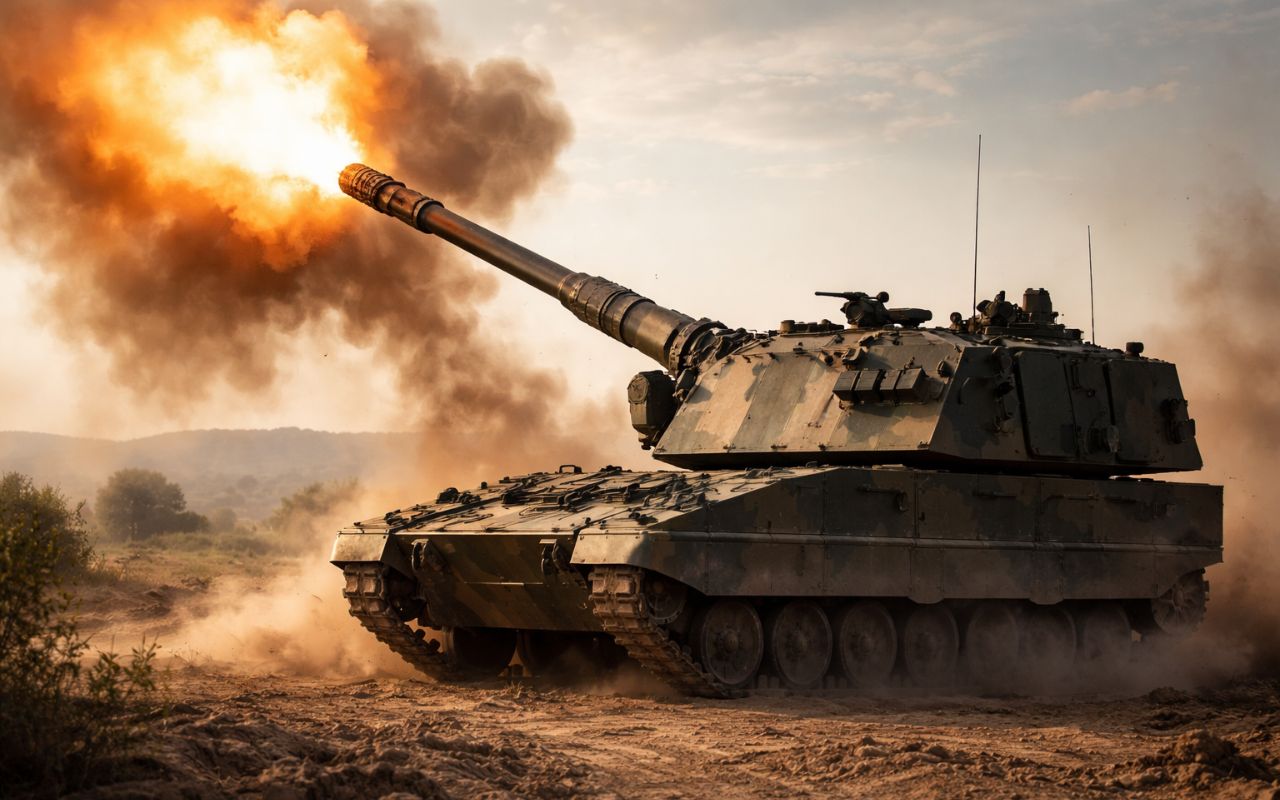
The German “steel monster” weighing 55 tons fires up to 10 projectiles per minute at over 40 km and avoids counterattacks on the battlefield by moving quickly to escape enemy attacks; meet the Panzerhaubitze 2000.
-
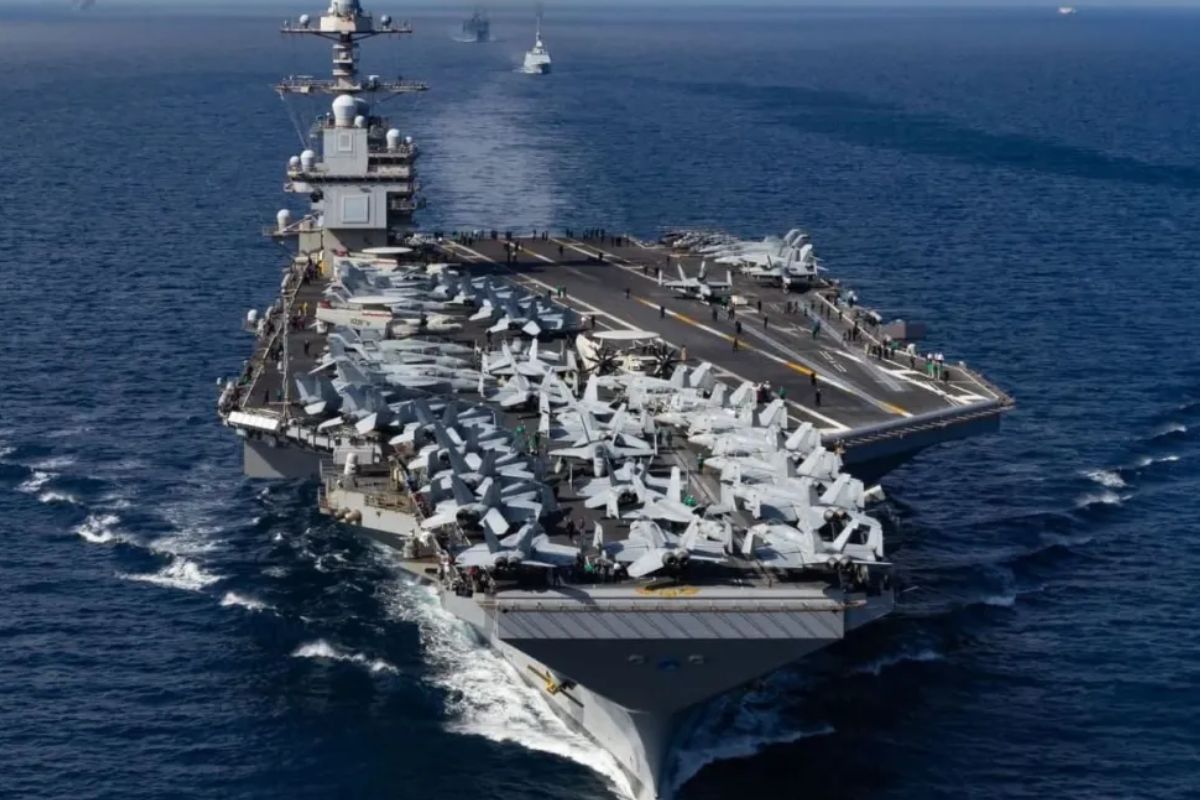
USS Gerald R. Ford, the largest aircraft carrier in the world, returns to sea after a fire in the laundry in the Red Sea; repaired in Crete, it resumes missions of Operation Epic Fury against Iran.
-
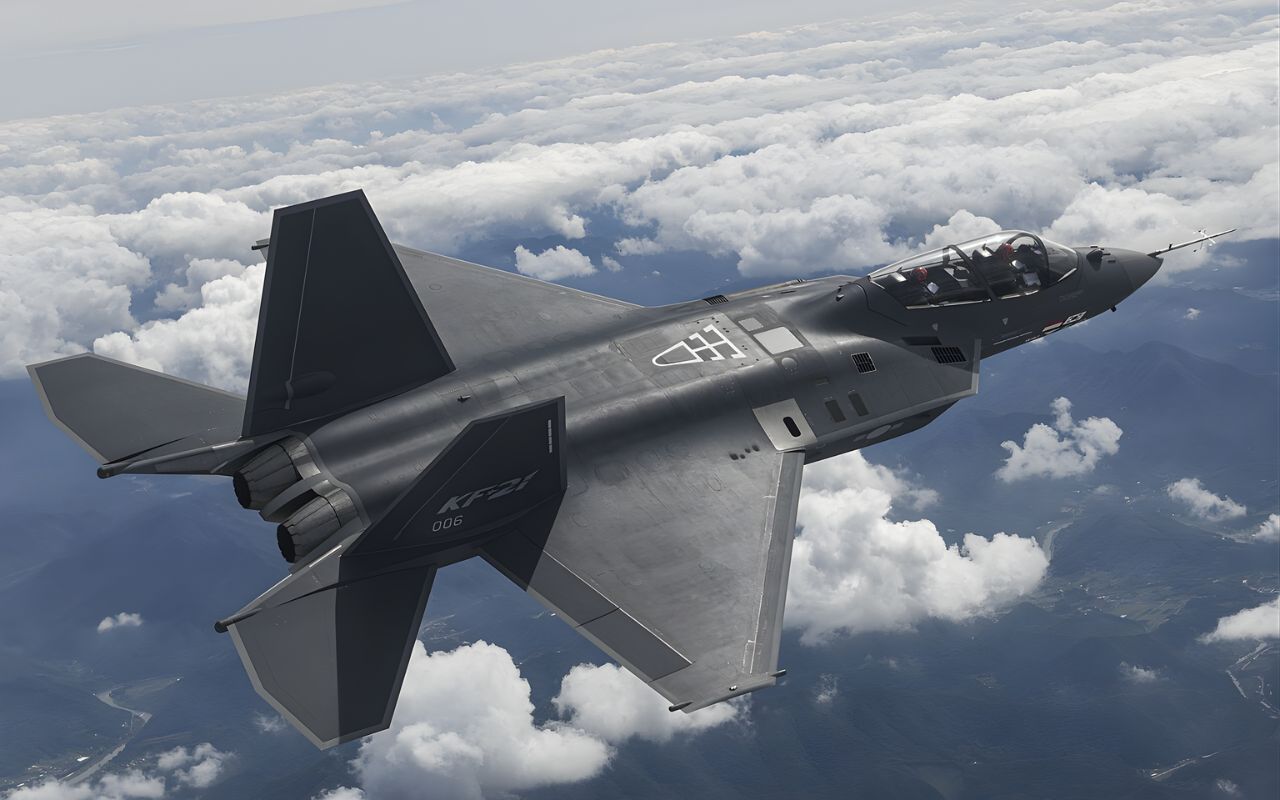
Military power: South Korea’s new KF-21 fighter jet will be a key component in replacing the aging aircraft of the air force, placing the country on the map of air military powers.
-
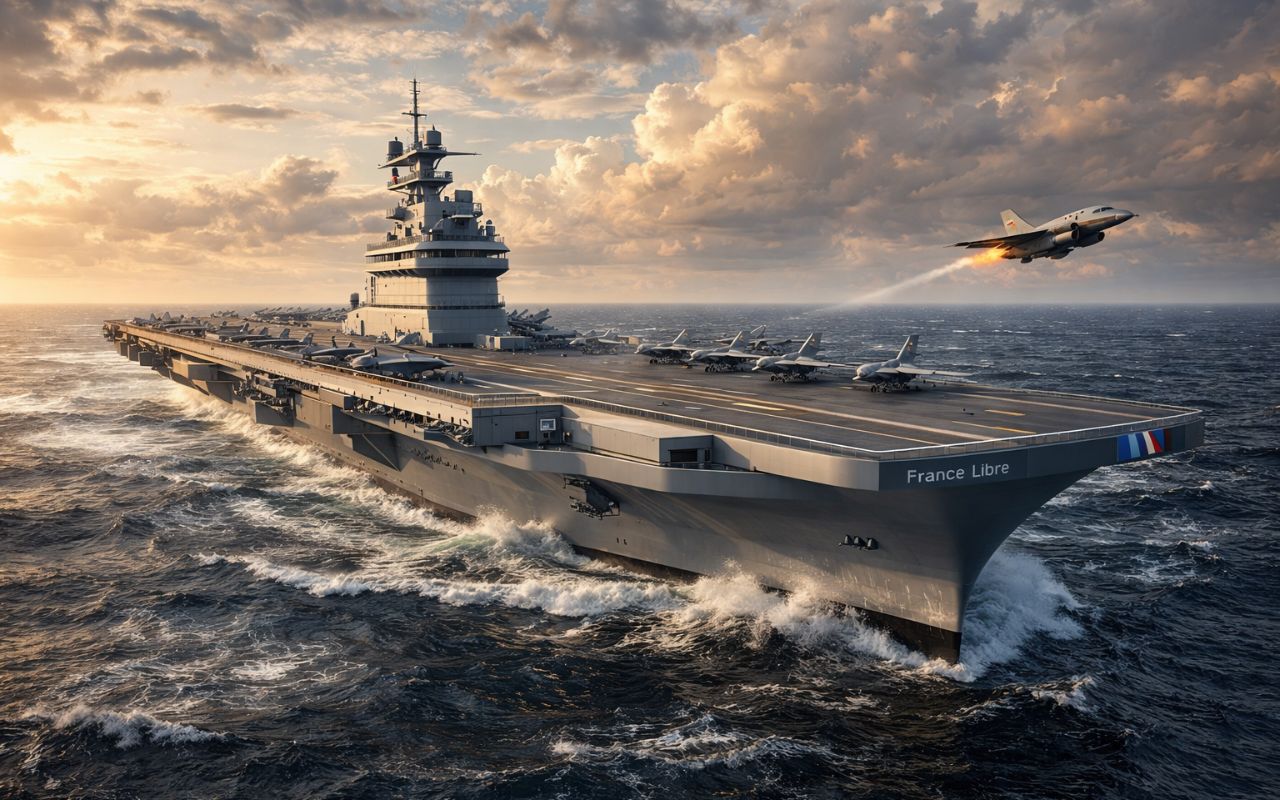
With 310 meters, 80 thousand tons, and capable of operating for 45 years, the new nuclear aircraft carrier France Libre will be the largest in France and will enter service in 2038.

Still, the New Jersey did not disappear. It was reactivated for the Korean War, then for Vietnam, and again in the 1980s. Each return seemed to contradict the prevailing strategic logic.
How The 406 Mm Guns Fired 1.2 Ton Projectiles At Over 40 Km
The heart of the USS New Jersey was its nine Mark 7 16-inch (406 mm) guns, arranged in three triple turrets.
Each shot could fire a penetrating projectile weighing approximately 2,700 pounds, about 1,225 kg. In high-explosive versions, the weight was less, but still devastating.

The maximum range cited for these shots was around 23 to 23.6 nautical miles, about 37 to 38 km, often rounded to “over 40 km” in public communications.
The rate of fire reached about two shots per minute per gun. In full operation, this meant nearly six projectiles of almost a ton being fired per minute at dozens of kilometers away.
Each shot generated enough kinetic and explosive energy to destroy reinforced structures, coastal facilities, and fortified positions.
It was not just fire. It was industrial impact applied to the battlefield.
War In Lebanon: The Bombardment That Showed The Giant Was Still Feared
In 1983 and 1984, the USS New Jersey was sent to the eastern Mediterranean during the Lebanese Civil War. There, it returned to use its 406 mm guns against hostile positions on land. Reports from that time describe 16-inch shots being employed against targets inland, in support of American and allied forces.
It was one of the last combat uses of the 16-inch guns of an American battleship. The symbolism was enormous. In the midst of the cruise missile and electronic warfare era, a ship designed in the 1940s still exerted real strategic pressure.
Why Missiles Did Not Fully Replace Heavy Artillery
In the 1980s, the USS New Jersey was not just a gun ship. It was modernized to also operate with Tomahawk cruise missiles and Harpoon anti-ship missiles.
This combination created a hybrid platform. Missiles offered intercontinental range and guided precision. But they were expensive, limited in quantity, and aimed at specific strategic targets.
The 406 mm guns, on the other hand, could maintain continuous fire for hours, with a cost per shot much lower than that of a missile. In coastal operations, this persistence made a difference.
While aircraft needed climate windows and refueling, the battleship could remain off the coast, ready to fire again in minutes. This capacity for constant presence was what kept the ship relevant.
What Really Killed The Battleships
The end of the battleship era did not come from technical failure. It came from cost, logistics, and doctrinal change.
Maintaining an Iowa-class ship required thousands of crew members, intensive maintenance of steam systems, and a supply chain specific to massive munitions that were no longer produced on a large scale.
Additionally, the proliferation of modern anti-ship missiles increased the risk for large ships close to shore. Gradually, the U.S. Navy opted for smaller, more versatile platforms integrated into modern digital systems.

The USS New Jersey was decommissioned in 1991 and turned into a museum ship. But the question never completely disappeared: is there today any platform that combines physical presence, firepower, and psychological impact like a 16-inch battleship?
The Technical Legacy Of The USS New Jersey In Modern Naval Warfare
The USS New Jersey represented the peak of heavy naval artillery.
It Crossed Three Distinct Military Eras:
- the era of gun duels
- the era of aircraft carriers
- and the era of guided missiles
Even when deemed obsolete, it showed that it was still functional. What changed was not its destructive capacity, but the way warfare began to be conducted.

Today, modern ships prioritize stealth, advanced sensors, and smart missiles. But none of them fire projectiles over a ton at dozens of kilometers with repetitive cadence. The story of the USS New Jersey reveals something unsettling for modern military theory:
Technologies considered obsolete sometimes remain useful longer than experts imagine. And when that happens, it is not nostalgia. It is engineering applied to the reality of conflict.









-

-

2 pessoas reagiram a isso.