





 Portuguese
  English
  Spanish
 5 min of reading
  1 comment


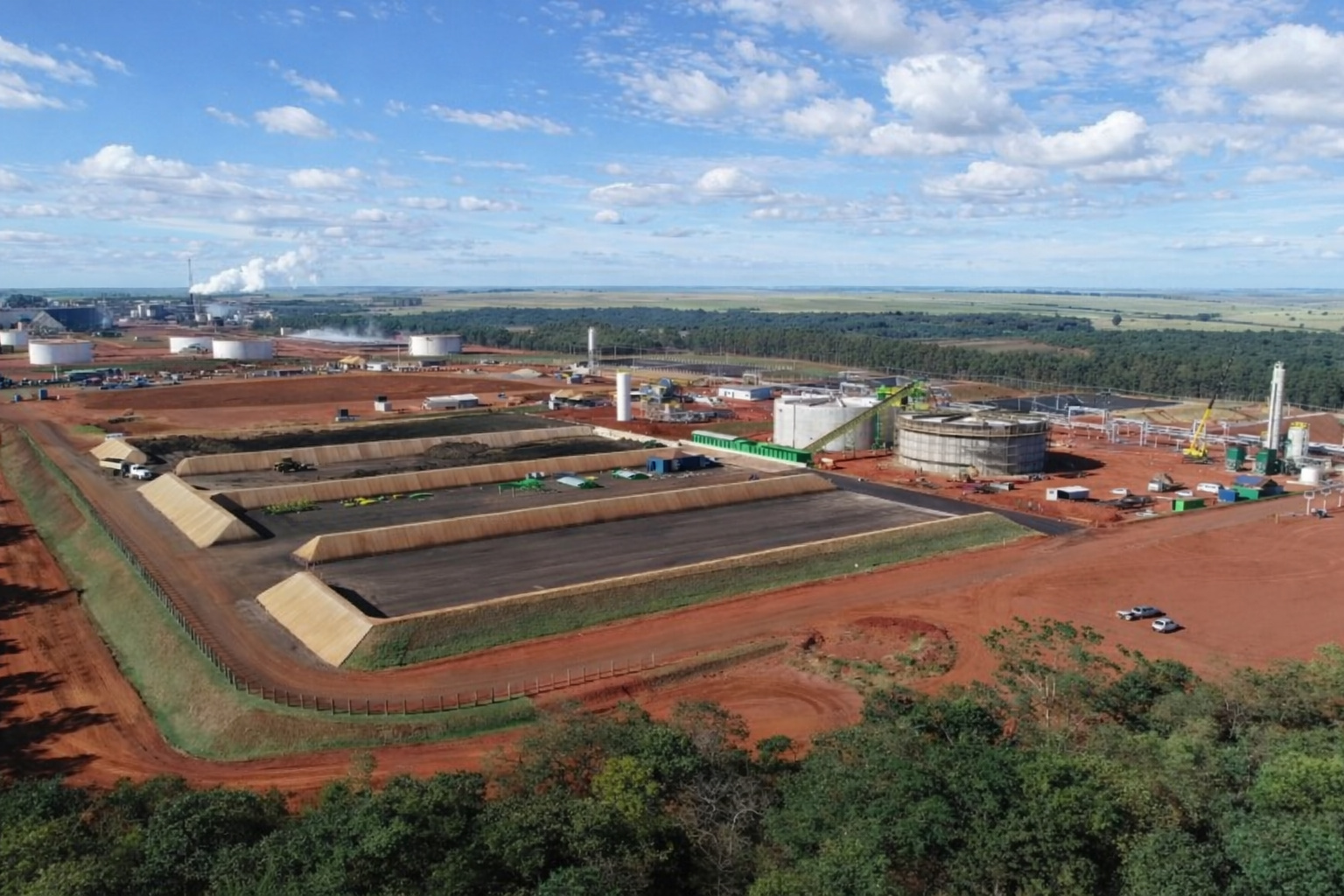

Boost The Energy Transition By Understanding How The Bet On Biogas Transforms Waste Into Clean Energy, Attracts Investments, And Consolidates São Paulo As A Sustainable Reference In Brazil.
The bet on biogas, in this context, gains strength in Brazil. Especially, it finds in the State of São Paulo a favorable environment to consolidate itself as a strategic and lasting energy solution.
Over the past few decades, the debate on energy transition has ceased to occupy only the environmental field. Progressively, it has started to integrate the economic and institutional agendas.
Thus, the São Paulo municipalities take on a leading role by transforming waste into energy, strengthening local economies, and consequently contributing to the construction of a cleaner and more diversified energy matrix.
-
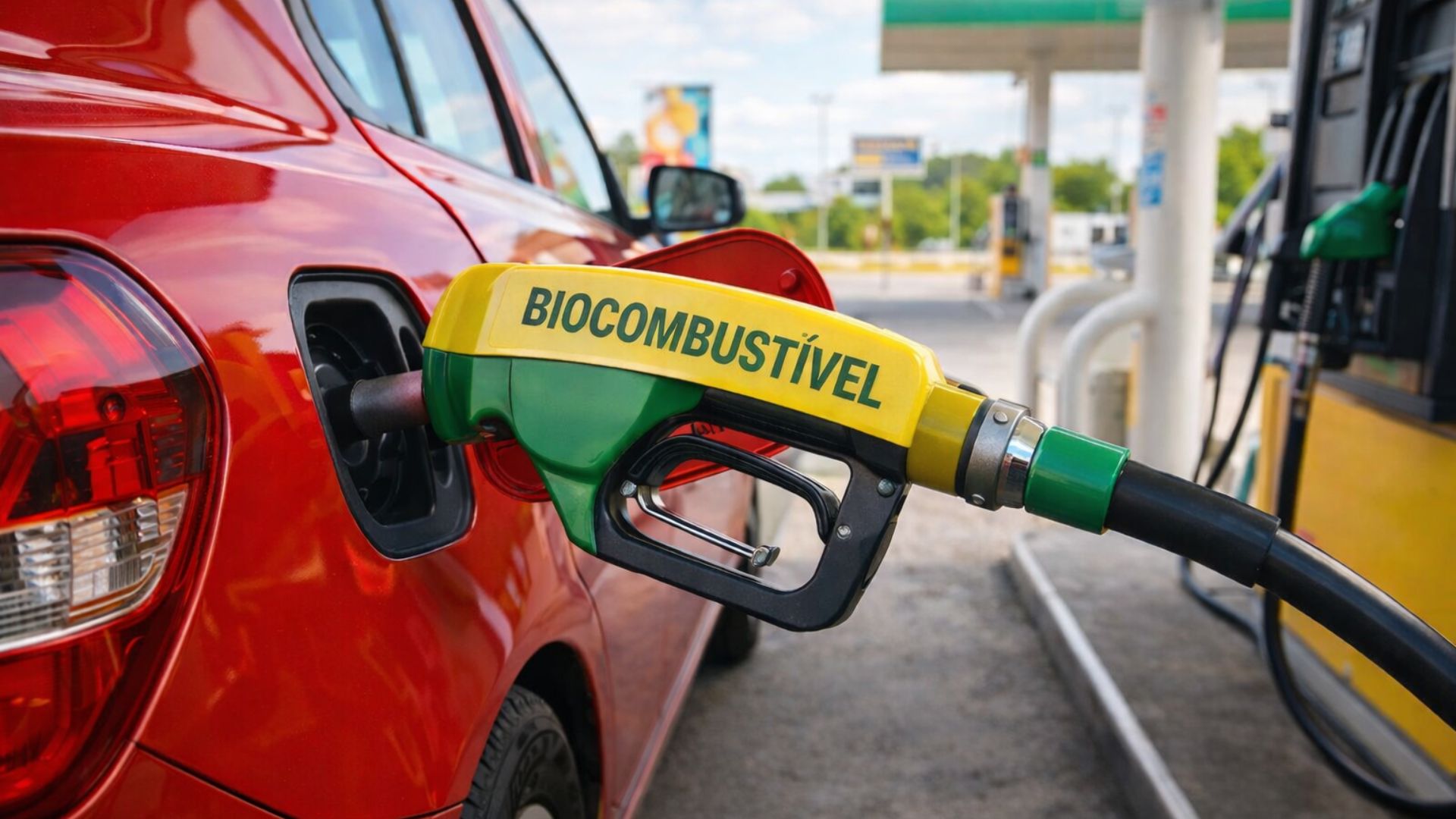
CNPE strengthens policy and prevents imported biodiesel from being mixed with diesel, aiming to strengthen the Brazilian industry and protect jobs by reducing external dependence amid tensions in the global market.
-
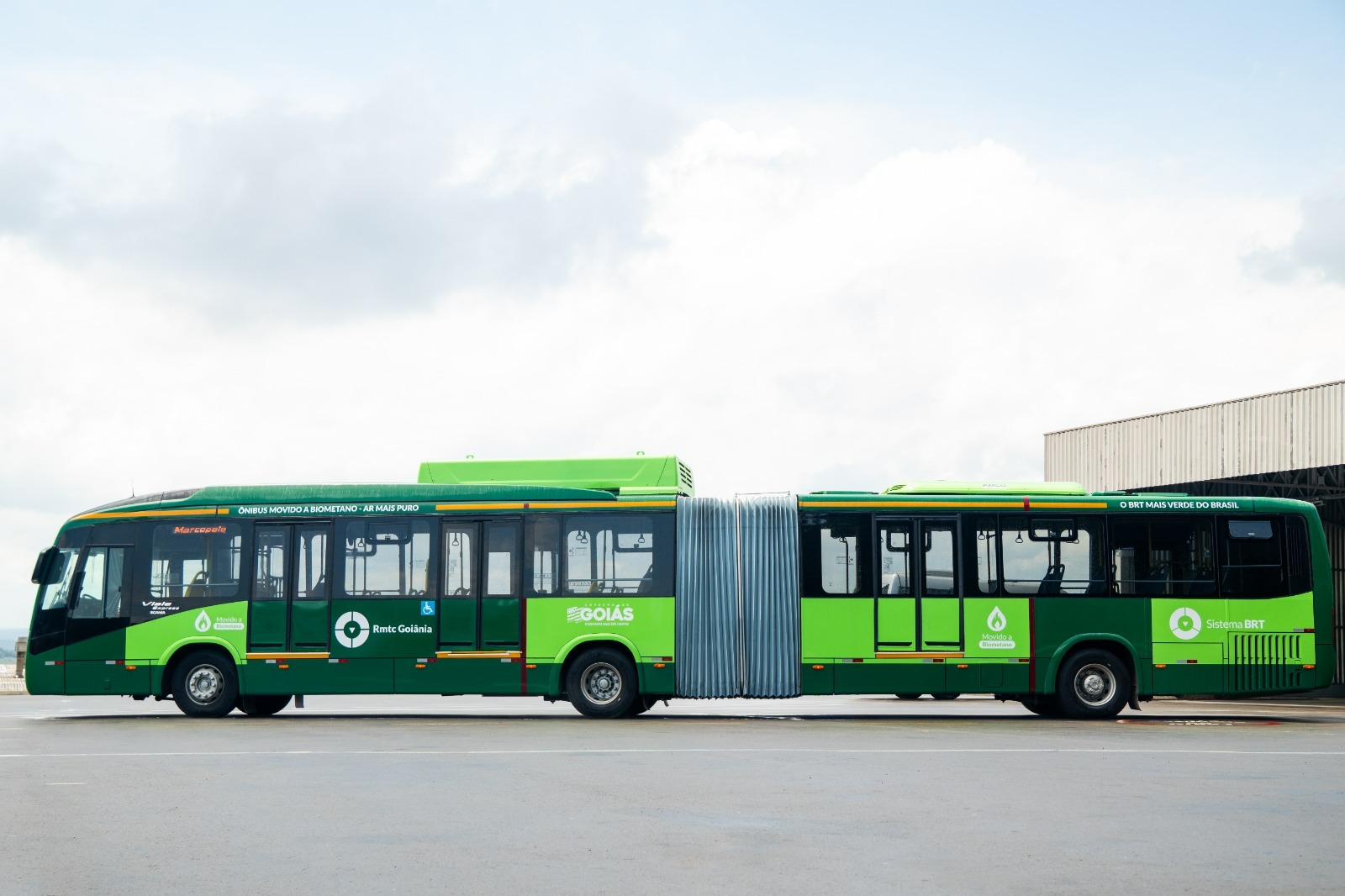
Revolution in public transport: Goiânia puts into circulation the first articulated buses powered by biomethane in Brazil and promises to drastically reduce pollution on the Anhanguera Corridor.
-
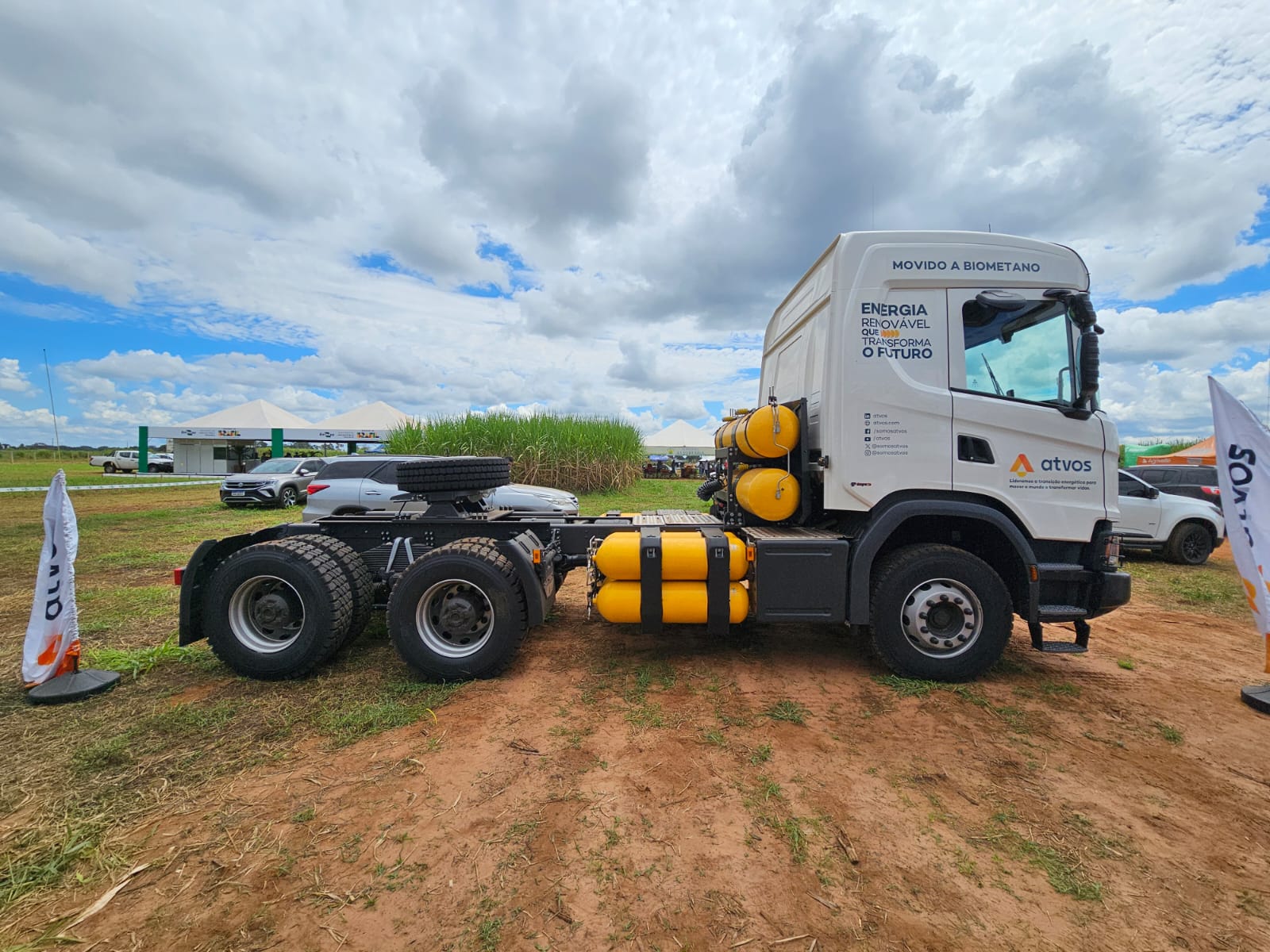
From the field to the pipelines: Mato Grosso do Sul accelerates the energy transition and consolidates a new axis in renewable energy with the arrival of a giant biogas plant.
-
The Economist states that Brazil has a “secret weapon” against expensive oil and highlights how the country can reduce economic impacts even in international scenarios of high volatility.

Historically, the Brazilian energy matrix has always had a significant participation of renewable sources, especially hydropower. On one hand, this differentiated profile placed the country in international prominence. On the other hand, it exposed important limitations.
In particular, the excessive dependence on rainfall has posed risks to supply, especially during prolonged droughts. Faced with this scenario, other sources have gained space, such as solar energy, wind energy, and more recently, biogas.
Thus, the bet on biogas emerges as a modern response to old challenges, integrating waste management, energy generation, and reduction of greenhouse gas emissions.
The State of São Paulo, in turn, occupies a strategic position in this process. This is because it has a high population density, strong industrial activity, and a large production of urban and agroindustrial solid waste. As a result, the São Paulo territory brings together ideal conditions to expand the use of biogas and biogas.
Over the years, the concentration of people and economic activities has created complex environmental challenges. Even so, this same context has stimulated innovative solutions.
By utilizing waste that previously went to landfills without generating value, municipalities have begun to see, clearly, a concrete opportunity for economic and environmental transformation.
The Historical Role of São Paulo Municipalities in The Energy Transition
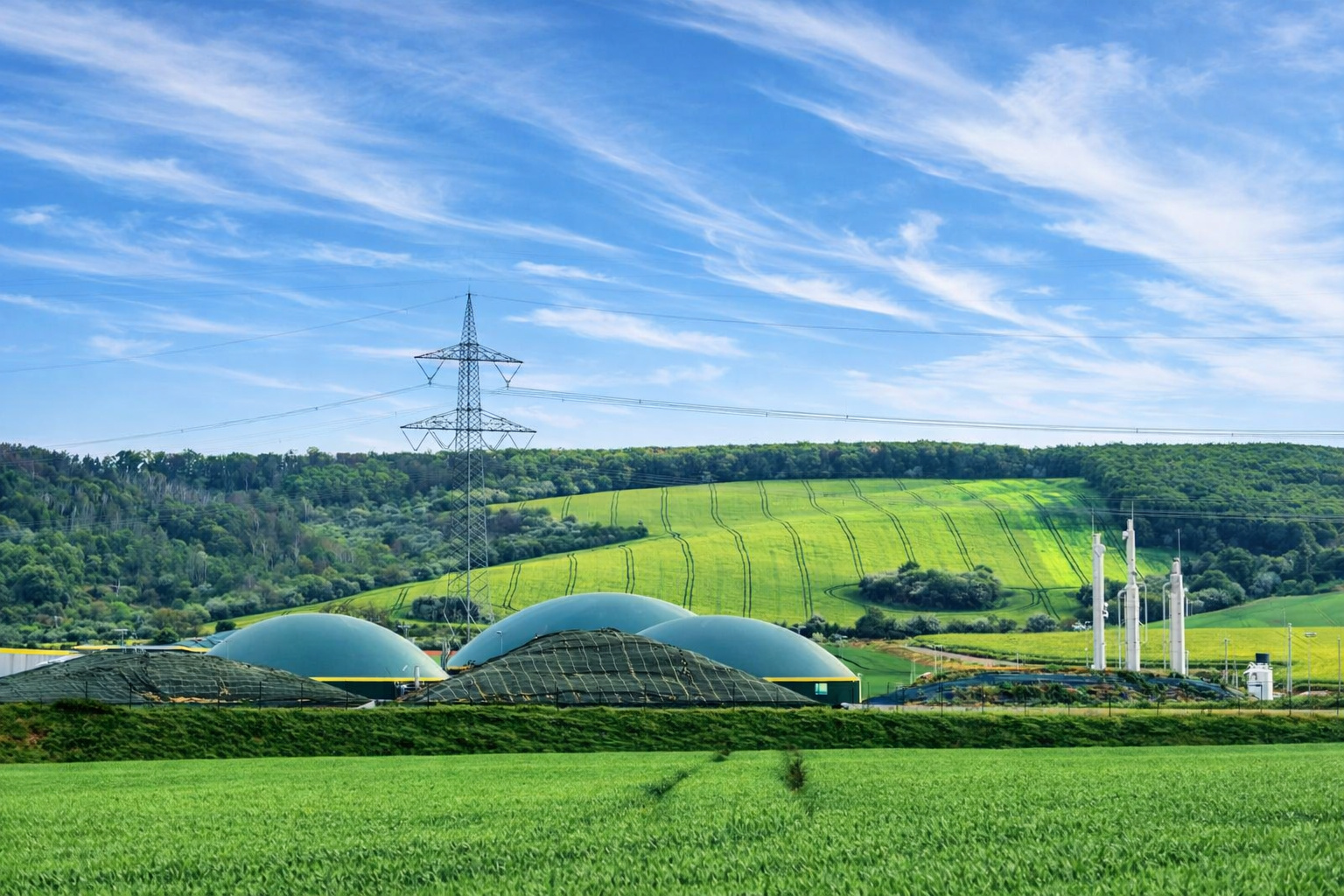
In this sense, one of the most emblematic examples of this bet on biogas appears in Paulínia, a municipality located in the Campinas region. Currently, the city houses the largest biogas production plant in Brazil from urban solid waste.
The enterprise, installed in the Ecoparque da Orizon VR, represents a historical milestone. This is because it proves that urban waste can generate renewable energy on a large scale.
Furthermore, with significant investments, the project processes waste from dozens of municipalities, produces sustainable fuel, and at the same time directly reduces methane emissions into the atmosphere.
In addition to the energy impact, initiatives like the one in Paulínia also generate relevant social and institutional gains. For example, the operation of biogas plants creates direct and indirect jobs. At the same time, it strengthens local productive chains and increases municipal revenue.
For this reason, public managers have begun to see the bet on biogas as a regional development policy, and not just as a specific environmental solution.
This experience, however, did not arise in isolation. In practice, it results from a historical process of maturation of environmental and energy policies in the state.
Since the 2000s, São Paulo has invested in integrated waste management programs and, at the same time, encourages solutions that go beyond simple final disposal.
Thus, the bet on biogas integrates into a broader movement by transforming environmental liabilities into energy assets capable of generating continuous value.
Another case that reinforces the leading role of São Paulo occurs in Presidente Prudente. In this municipality, the adoption of biogas as the basis for energy supply represents a national milestone. Thus, the initiative signals a turning point in the history of municipal energy in Brazil.
By integrating the production, distribution, and consumption of biogas, the municipality proves that the energy transition can advance at a local scale, without relying exclusively on large federal projects.
Biogas As A Strategic Solution For The Energy Matrix
Over time, biogas has ceased to occupy an experimental space. Gradually, it has begun to integrate into long-term energy planning.
This happens because the fuel, produced from biogas generated from the decomposition of urban, agroindustrial waste, and effluents, has characteristics similar to those of natural gas.
In this way, this compatibility allows its use in existing networks, industrial processes, and in heavy transportation. Consequently, it facilitates adoption without requiring major structural changes.
This, therefore, helps to explain why the bet on biogas attracts record investments. Unlike other sources, biogas combines production predictability with environmental sustainability.
While sources like solar and wind depend on climatic conditions, biogas allows for continuous production, as long as there is available raw material.
Thus, in a state with a large generation of waste, this characteristic becomes a relevant competitive advantage.
Furthermore, the production of biogas strengthens the circular economy. In other words, instead of discarding waste, municipalities reinstate them into the productive cycle. This way, they generate energy, income, and new businesses.
Consequently, this logic stimulates technological innovation, improves the efficiency of public services, and expands the social benefits of the energy transition.
Environmental, Economic Impacts, and Long-Term Perspectives
The results of this strategy, therefore, are already reflected in the energy indicators of the state. São Paulo has one of the cleanest energy matrices in the world, especially due to the high participation of renewable sources.
This performance, in turn, results from a historical process of diversification, in which biogas assumes an increasingly relevant role.
Thus, the bet on biogas complements other renewable sources, reinforces energy security, and reduces the dependence on imported fossil fuels.
From an environmental point of view, the gains are expressive and cumulative. By capturing the methane generated from waste decomposition and transforming it into fuel, the projects prevent the release of one of the most potent greenhouse gases.
In this way, this practice contributes directly to decarbonization goals and to confronting climate change.
At the same time, using biogas instead of fossil fuels reduces the carbon footprint of energy-intensive sectors such as industry, logistics, and urban transportation.
The advancement of biogas in São Paulo, moreover, results from the joint action of the public power and private initiative.
Through state incentive programs, clearer regulatory frameworks, and partnerships with specialized companies, the state has created a favorable environment for long-term investments.
Over the years, this ecosystem has allowed projects to gain scale and, consequently, consolidated the bet on biogas as a structuring policy.
The future, finally, points to a continuous expansion. With new plants in the licensing phase and high technical potential, the state is equipped to significantly increase its production in the coming years.
By investing in biogas, these cities not only produce energy but also build a legacy of sustainability, innovation, and responsibility for future generations.







Excelente projeto.