





 Portuguese
  English
  Spanish
  6 min of reading
  0 comments


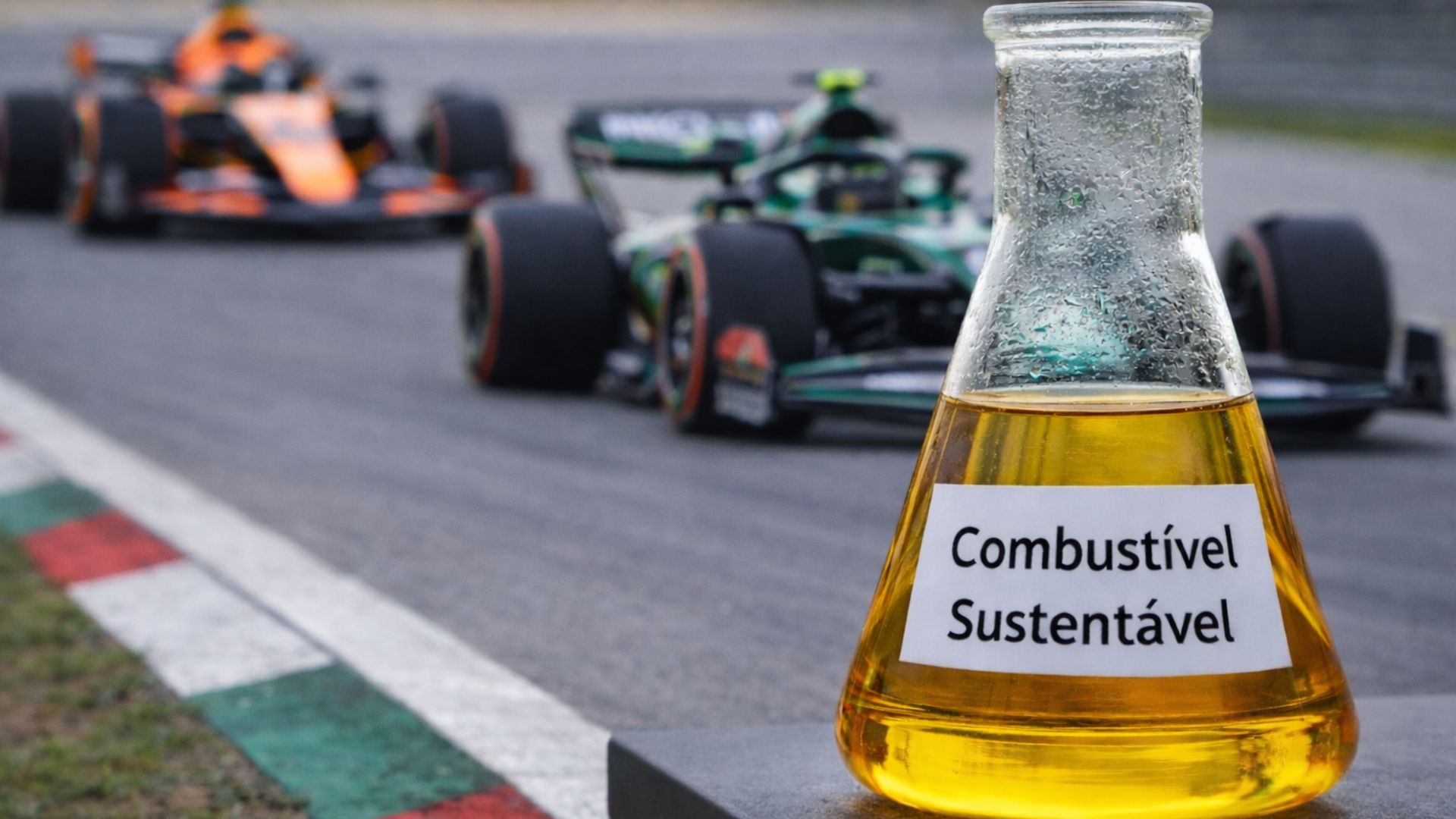
Biofuels And Synthetic Fuels Enter The Scene In Formula 1 Starting In 2026, Marking A New Era In Motorsports With A Focus On Innovation, Emission Reduction And The Development Of High-Tech Sustainable Fuel For The Future Of Mobility.
After more than seven decades racing with petroleum-derived fuels or other fossil raw materials, Formula 1 is initiating a historic shift in the 2026 season. According to an article published by Globo Rural on March 7, the premier category of motorsport worldwide will start using 100% sustainable fuel in all cars on the grid, marking an important transition in how the sport interacts with environmental issues.
New Sustainable Fuel In Formula 1 Aims To Transform Motorsport
The new season, which traditionally begins with the Australian Grand Prix in Melbourne, symbolizes the start of this new phase. The 22 cars that make up the grid will operate with advanced energy technologies based on biofuels and next-generation synthetic fuels.
This transformation is part of a broader strategy for the category to reduce emissions and reinforce the role of motorsport as a platform for technological innovation. By betting on sustainable fuel, Formula 1 aims to maintain high performance in racing while contributing to the development of cleaner energy solutions.
-
Brazil accelerates hydrogen and biofuel projects to consolidate the fuel of the future and reduce dependence on oil by 2026.

-
CNPE strengthens policy and prevents imported biodiesel from being mixed with diesel, aiming to strengthen the Brazilian industry and protect jobs by reducing external dependence amid tensions in the global market.
-
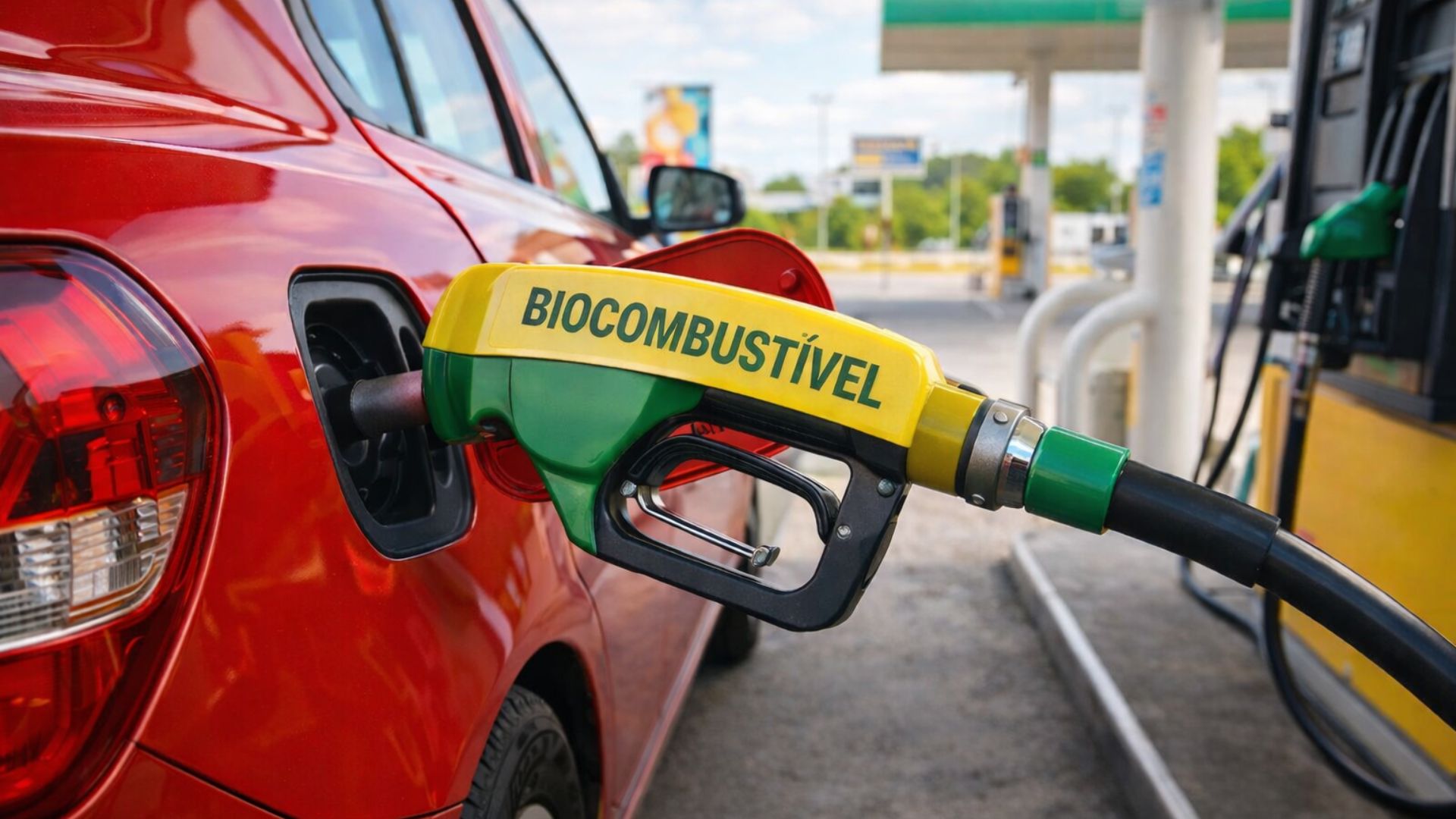
Revolution in public transport: Goiânia puts into circulation the first articulated buses powered by biomethane in Brazil and promises to drastically reduce pollution on the Anhanguera Corridor.

-
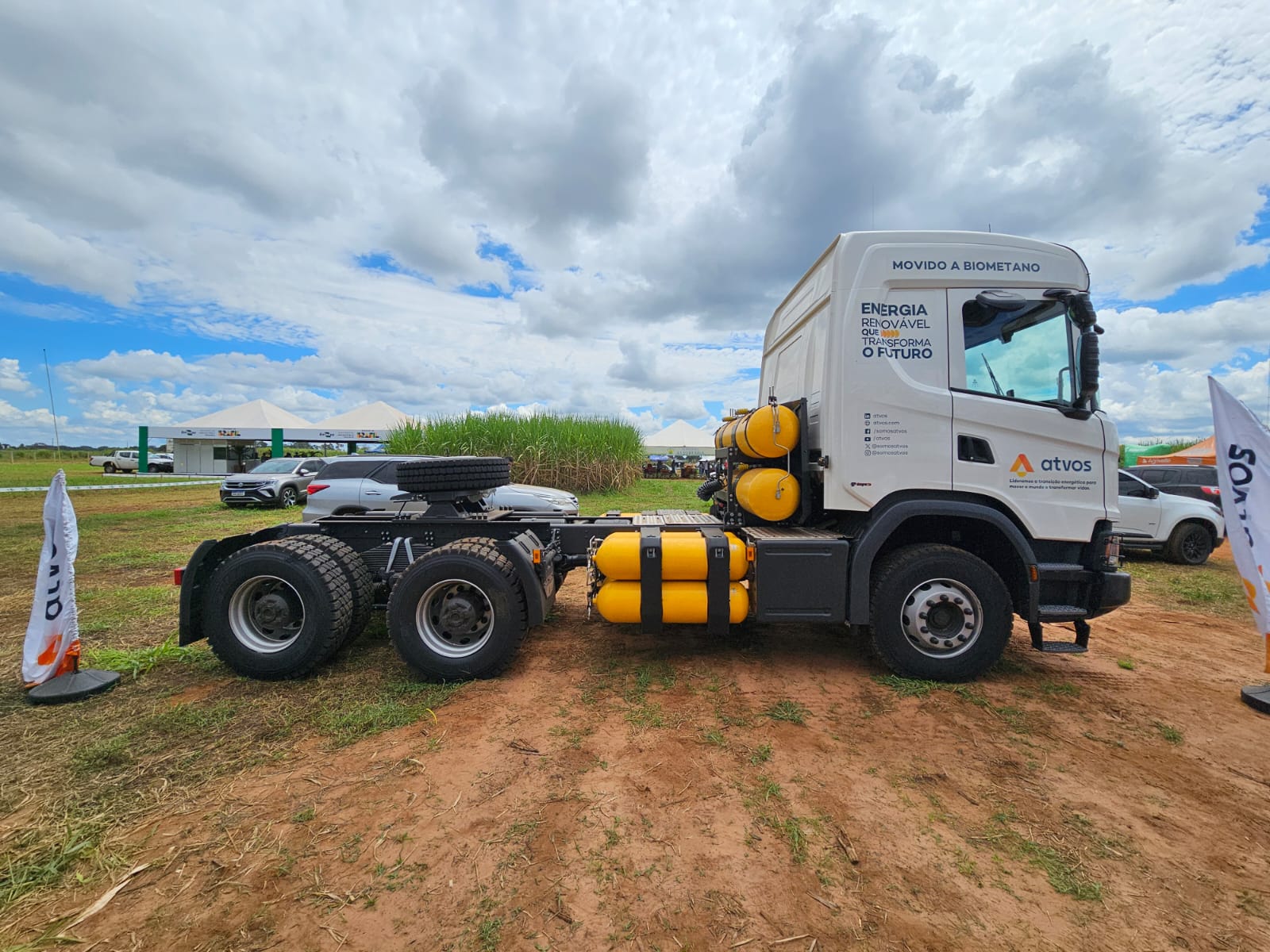
From the field to the pipelines: Mato Grosso do Sul accelerates the energy transition and consolidates a new axis in renewable energy with the arrival of a giant biogas plant.

In addition to the fuel change, the technical regulations for the season bring other important innovations, such as narrower and lighter cars, active aerodynamics, and new electronic features on the steering wheel. These changes were planned to make the races more competitive and bring fans even closer to the spectacle.
Even with these changes, the introduction of biofuels is considered one of the most significant decisions in the history of the category since the formation of the world championship in 1950.
What Is The Sustainable Fuel Developed For Formula 1
The sustainable fuel used in Formula 1 is the result of years of research and development conducted by teams, energy companies, and chemical engineering experts. Unlike traditional gasoline, it is produced from alternative sources that reduce the environmental impact of the carbon cycle.
According to the organization of the category, these fuels are classified as “Advanced Sustainable Fuels.” They are developed in laboratories using innovative raw materials and sophisticated industrial processes. Among the main sources used in production are: carbon dioxide capture from the atmosphere; urban waste; non-food biomass; and hydrogen-based chemical processes.
These methods allow the creation of a sustainable fuel with chemical characteristics similar to conventional gasoline. This means that the high-performance engines of Formula 1 continue to operate at maximum power, which is essential to maintain the competitive level of motorsport.
By incorporating biofuels and synthetic fuels into their energy matrix, the category demonstrates that technological innovation can coexist with the pursuit of more sustainable transportation solutions.
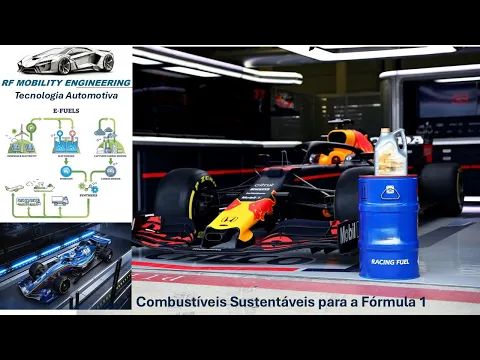

Tests With Biofuels In The Base Categories Of Motorsport
Before definitively reaching Formula 1, the new sustainable fuel underwent a testing phase in other categories of motorsport organized by the International Automobile Federation (FIA).
In 2025, the Formula 2 and Formula 3 competitions used fully sustainable fuels during their seasons. The tests were considered successful and showed that the transition to biofuels does not compromise car performance.
According to the organizers, no significant losses in power or efficiency were observed during the races. The engines continued to operate within the expected parameters for high-level competitions.
This stage was essential to ensure that the sustainable fuel could be used in Formula 1 without negatively affecting the sporting experience. As motorsport heavily relies on performance and mechanical reliability, any technical change needs to be thoroughly tested before being officially adopted.
With the positive results achieved in the base categories, the main category decided to proceed with the definitive implementation of biofuels in its technical regulations.
How Much Does The Sustainable Fuel Used By Formula 1 Cost
Despite the environmental and technological benefits, the sustainable fuel used in Formula 1 still has a high cost. This is primarily because large-scale production of this type of fuel is still in its early stages.
Industry estimates indicate that the liter can cost around US$ 300, approximately equivalent to R$ 1,5 thousand at current exchange rates. This value is the result of three main factors: high research costs, technological development, and still limited production.
Another factor influencing the price is that each of the 11 teams in Formula 1 works with different suppliers of biofuels. This means there is no single or official price for the fuel used in the championship.
One of the few publicly disclosed values came from the company Saudi Aramco, the exclusive supplier for the Aston Martin team. The company reported that the liter of fuel developed for the team costs between US$ 170 and US$ 225, corresponding to values between approximately R$ 887 and R$ 1,174.
Experts say these prices are likely to decrease in the future as technology advances and the production of sustainable fuel becomes more widespread. Historically, many innovations introduced in motorsport start with high costs and become more accessible over time.
The Formula 1 Plan To Reduce Emissions And Achieve Climate Neutrality
The adoption of biofuels is not an isolated initiative within the strategy of Formula 1. It is part of an environmental plan announced in 2019, which sets the goal of making the category carbon neutral by 2030.
The project was developed in partnership with the FIA and sustainability experts. The aim is to reduce emissions across all operations related to the championship, not just in races.
Among the measures adopted by the category are: the use of sustainable fuel in all cars; improvements in logistics for transportation between countries; waste reduction at events; and increasing the use of renewable energy in race infrastructures. According to data published by Formula 1 itself, these initiatives have already allowed for a reduction of about 26% of carbon emissions by 2024.
The current president and CEO of the category, Stefano Domenicali, stated on the official competition website that the organization is strongly committed to achieving net-zero emissions, even with the global growth of the championship. This strategy reinforces the idea that motorsport can continue to evolve technologically without ignoring the environmental demands of the 21st century.
Motorsport As A Platform For Energy Innovation
The history of Formula 1 shows that motorsport often acts as a laboratory for the development of technologies that later reach mass production vehicles.
Over the last few decades, several innovations have appeared on the track before being incorporated into the automotive industry. Among them are significant advances in aerodynamics, braking systems, lightweight materials, and hybrid energy recovery technologies.
Now, the investment in biofuels and sustainable fuel follows the same logic. By testing these technologies under extreme performance conditions, teams help accelerate the development of energy solutions that can be applied in street cars.
This process is especially relevant at a time when the automotive sector is seeking alternatives to reduce emissions and diversify the energy sources used in transportation.
In this scenario, the role of Formula 1 goes beyond sports entertainment. The category acts as an advanced research environment that contributes to the technological evolution of motorsport and global mobility.

The Race For Clean Mobility Gains Strength On The Tracks
The introduction of biofuels in Formula 1 represents a significant step in the energy transformation of motorsport. By investing in sustainable fuel, the category demonstrates that technological innovation and environmental responsibility can go hand in hand.
Although current costs are still high, the history of the automotive industry shows that new technologies tend to become more accessible as production increases and industrial processes evolve.
With millions of viewers around the world and strong influence over the automotive industry, Formula 1 has the potential to drive the development of energy solutions that transcend the limits of the tracks.
If biofuels and other forms of sustainable fuel continue to advance, motorsport can play an important role in building a future of cleaner, more efficient, and technologically advanced mobility.









Seja o primeiro a reagir!