Portuguese
  Spanish


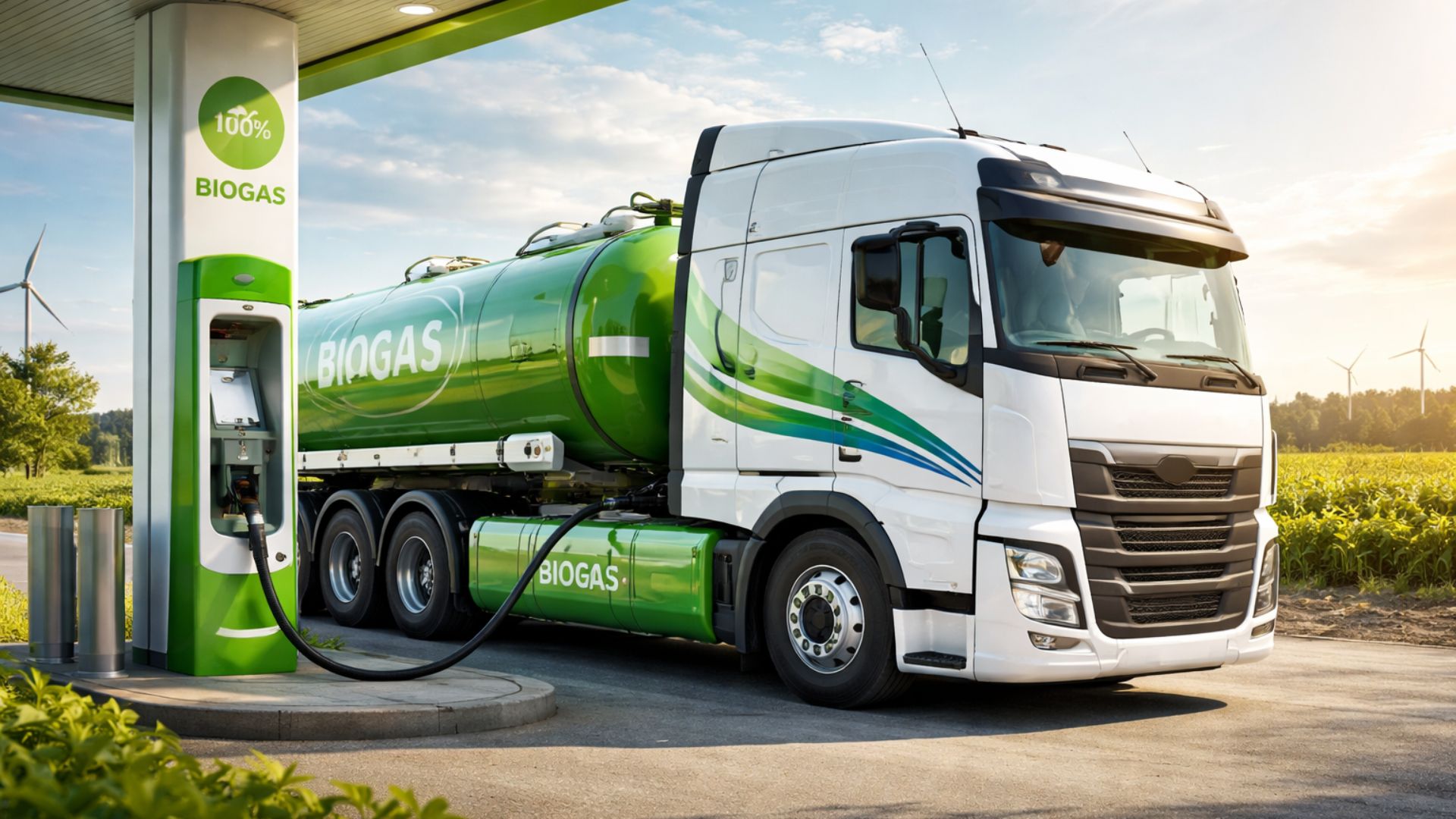


Government of Paraná Holds Workshops in Paranaguá and Ponta Grossa to Accelerate Fleet Decarbonization, Expand the Use of Biomethane, and Reduce Emissions in Road Transport.
The regional workshops promoted by the Government of Paraná mark a strategic stage in the decarbonization policy for road transport. According to an official publication from the Government of Paraná on February 27, the next editions will take place in Paranaguá on March 3 and in Ponta Grossa on March 5, consolidating the expansion of the Paraná Fleet Decarbonization Program.
The initiative is coordinated by the State Secretariat for Industry, Commerce and Services of Paraná (SEIC), in partnership with the Fetranspar System. The main objective is to expand the use of biomethane in cargo transportation, promoting cooperation between producers and transporters to structure supply and consolidate regional demand.
Transport Accounts for 74% of Emissions in the Energy Sector in the State
The focus on heavy fleets responds to a relevant data point from the State Plan for the Decarbonization of the Paraná Economy (PEDEP): the energy sector is the second-largest emitter of greenhouse gases in the state, and 74% of emissions from this sector are associated with transportation. In light of this scenario, decarbonizing road transport becomes a strategic priority.
-
Brazil Advances with JetBio’s Megaproject to Build the World’s Largest Ethanol-Based Sustainable Aviation Fuel Plant, Aiming to Become a Global Exporter

-
Brazil on Track for Record 40.7 Billion Liters of Ethanol in 2026/27 Season, Driven by Corn Ethanol
-
Petrobras Approves $1.2 Billion Refinery in Brazil to Produce Aviation Fuel and Diesel from Plants
-
US$ 7 billion, green hydrogen, and steel with up to 95% less CO₂: the first green steel plant on the planet emerges in Sweden and targets Brazil as the next chapter


According to data from PEDEP, any consistent emissions mitigation strategy must necessarily involve road transport. The logistics network connects industrial hubs, agricultural cooperatives, and distribution centers, especially on routes leading to the Port of Paranaguá.
The State Secretary for Industry, Commerce and Services, Marco Brasil, emphasizes that industry represents the starting point of the production chain, commerce is the final destination, and transport is the link that connects these two extremes. If the goal is to reduce CO₂, this link needs to be modernized.
The workshops emerge precisely to structure this transformation. By bringing together transport companies, government, and the energy sector, the meetings allow for mapping the fleet profiles, identifying strategic routes, and assessing the feasibility of adopting renewable fuels like biomethane and natural gas.
Paranaguá and Ponta Grossa as Strategic Hubs for Workshops and Decarbonization
The choice of Paranaguá and Ponta Grossa is not random. Paranaguá houses one of the main ports in Brazil and concentrates intense truck traffic that handles exports and imports. Ponta Grossa is a key logistics junction in the Campos Gerais region, connecting highways that link the inland to the coast.
In Paranaguá, the workshop will be held at SEST SENAT, located at Avenida Belmiro Sebastião Marques, 551, Parque São João, at 2 PM on March 3. In Ponta Grossa, the meeting takes place at SINDIPONTA, at Rua Professor Cardoso Fontes, 990, Ronda, at 5 PM on March 5.
By bringing the workshops to these logistics centers, the program aims to reach companies operating high-intensity routes. The goal is to structure regional arrangements that ensure scale for biomethane consumption and enable the progressive decarbonization of fleets.
Paraná Leads in Number of Biogas Plants and Strengthens Fleet Decarbonization
The state strategy is supported by concrete data on biogas production. According to 2025 information from CIBiogás, Paraná is the third largest state in Brazil in terms of biogas production volume and the first in the number of installed plants.
The Western Region has 249 units, with a capacity of 220.3 million Nm³ per year. The Northwest has 67 units, with a capacity of 152.8 million Nm³ per year. The Metropolitan Region of Curitiba has 12 units with a capacity of 85.4 million Nm³ annually.
In the Campos Gerais, considering the subdivisions of Central East, Central, and South-Central, there are 70 units totaling more than 97 million Nm³ per year. The Southwest has 42 plants with 27.5 million Nm³ annually, while the Northern region has 11 units and 5.1 million Nm³ of installed capacity.
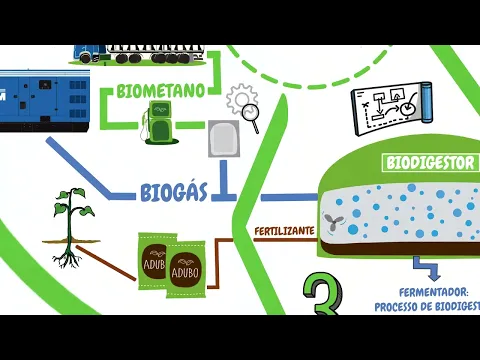
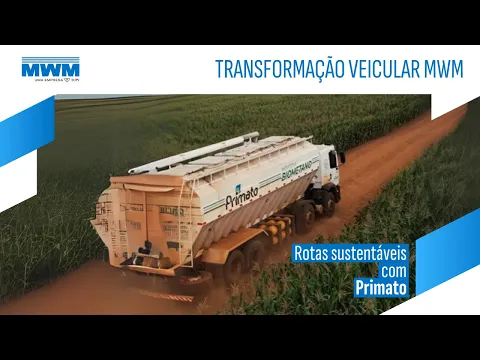
This productive prominence creates real conditions for biomethane, the refined version of biogas, to be incorporated into heavy fleets. Decarbonization no longer becomes just an environmental goal and instead transforms into an economic project based on local production and regional development.

How the Workshops Structure Market, Demand, and Regional Scale
The workshops have a technical and practical character. The program’s coordination works on organizing demand, mapping logistical priorities, and identifying the profiles of fleets that can shift to renewable fuels.
The Director of Markets and New Businesses at SEIC, Anna Paula Muller, states that Paraná has the production, scale, and technical capacity to lead the energy transition applied to road transport. The challenge now is to transform potential into a structured market, with predictability for investors and security for transport companies.
During the meetings in Paranaguá and Ponta Grossa, topics such as supply infrastructure, operational costs, incentives, and contract models are discussed. The goal is to consolidate a business environment that makes decarbonization competitive for companies.
Additionally, the workshops allow for the creation of a strategic database. By mapping bottlenecks and sector interests, the program gathers information that can guide future public policies and support instruments for fleet modernization.
Institutional Partnerships Strengthen the Workshops and Expand Regional Impact
The agenda is supported by relevant institutions in the transport sector. Among them are the National Transport Confederation, SEST SENAT, and the Institute of Transport and Logistics. The environmental program Despoluir is also part of the partnership.
In Ponta Grossa, support from the Regional Cargo Transport Companies Union reinforces business mobilization. In Paranaguá, the port environment enhances the debate for large-scale operations, including exports and international logistics chains.
The participation of these entities increases the legitimacy of the workshops and expands the capacity for coordination between the public sector and private initiative. This shared governance is considered essential for decarbonization to advance consistently.
Economic and Environmental Impacts of Fleet Decarbonization in Paraná
The gradual replacement of diesel with biomethane can contribute to the reduction of CO₂ emissions and other pollutants associated with road transport. As 74% of emissions in the energy sector in Paraná are linked to transportation, any progress in this segment has a significant effect.
In Paranaguá, where truck traffic is intense due to the port, fleet modernization can generate direct environmental benefits. In Ponta Grossa, a logistics and industrial hub, the adoption of renewable fuels can strengthen regional competitiveness.
In addition to environmental gains, there are significant economic impacts. The use of fuel produced in the state stimulates local production chains, reduces dependence on imported fossil fuels, and strengthens the biogas industry. This creates a virtuous cycle between production, consumption, and development.
A New Scenario for Fleets and Decarbonization in the State
With previous editions held in December 2025 in Foz do Iguaçu, Toledo, and Cascavel, and now with meetings in Paranaguá and Ponta Grossa, the Paraná Fleet Decarbonization Program consolidates a permanent regional agenda.
The workshops serve as a starting point to structure the biomethane market aimed at heavy transport. By connecting producers, transporters, and government, the program creates the foundations for a planned and competitive energy transition.
Paraná has 249 biogas units in the West, 67 in the Northwest, 12 in the Metropolitan Region of Curitiba, 70 in the Campos Gerais, 42 in the Southwest, and 11 in the Northern region. This set, combined with capacities of 220.3 million, 152.8 million, 85.4 million, more than 97 million, 27.5 million and 5.1 million Nm³ per year, demonstrates that there is productive scale.
By transforming this potential into structured consumption by fleets, the workshops in Paranaguá and Ponta Grossa reinforce the role of transport in the decarbonization strategy. The topic transitions from being solely environmental to integrating into the economic agenda of the State, with direct impacts on competitiveness, innovation, and sustainable development in Paraná.