





 Portuguese
  English
  Spanish
  5 min of reading
  0 comments


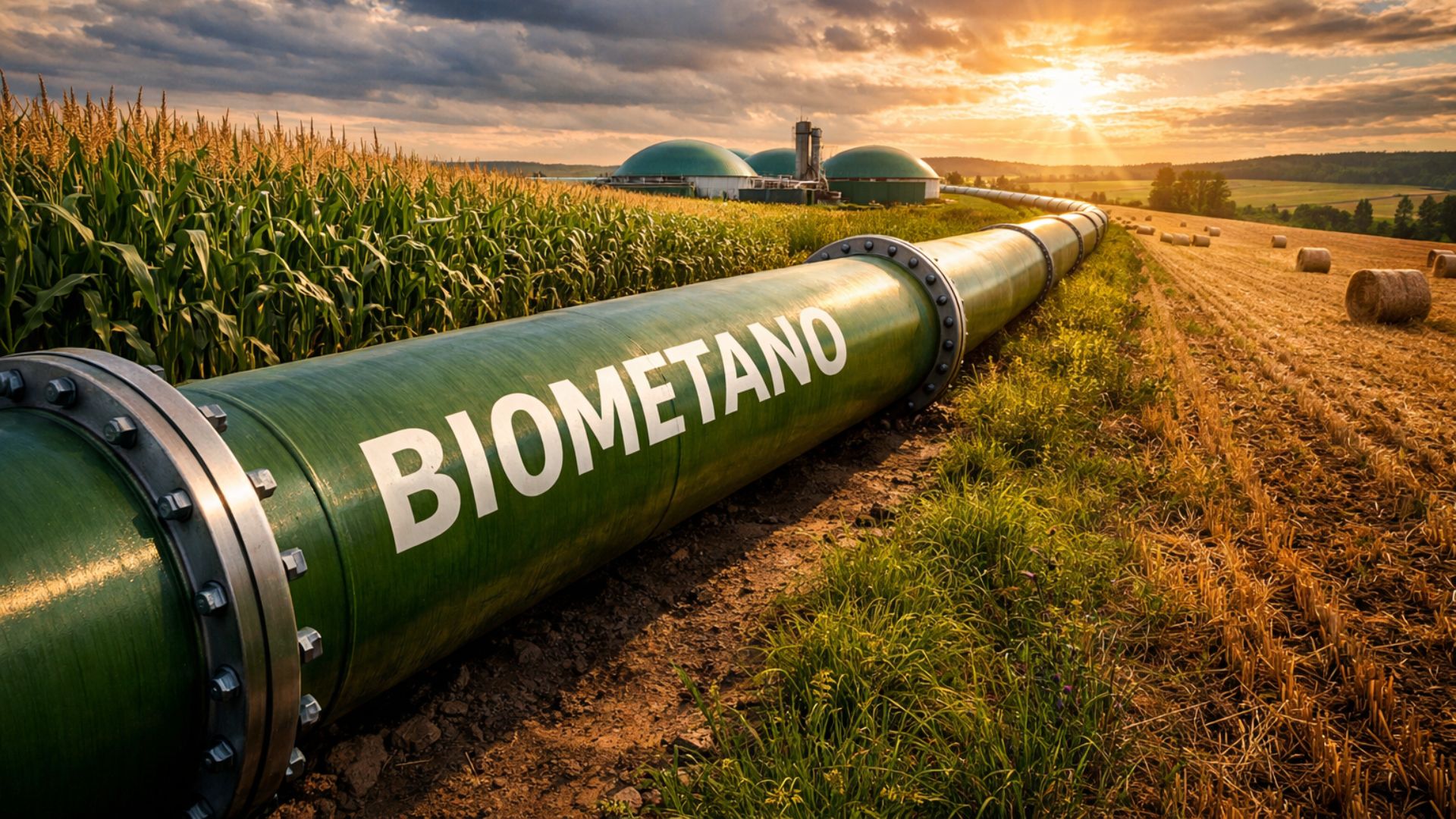
The Advance of Biogas in Brazil Accelerates the Energy Transition by Transforming Agricultural Waste into Renewable Energy, Expanding Investments, Reducing Emissions, and Strengthening the National Energy Matrix.
The production of biogas in the Brazilian agribusiness entered a new phase of expansion in 2025, consolidating the sector as a protagonist of renewable energy in the country. According to an article published by Globo Rural this Wednesday (07), with new plants under construction or ready to operate, Brazil has practically doubled its installed capacity for producing this renewable gas, reinforcing the role of the countryside in the energy transition and in reducing greenhouse gas emissions.
According to data from the National Agency of Petroleum, Natural Gas and Biofuels (ANP), the agribusiness ended 2025 with 23 biogas production units under construction or already completed and awaiting authorization to operate. These projects add an installed capacity of 688.1 thousand cubic meters per day, a volume that nearly doubles the current production of the agricultural sector in the country.
Biogas in the Agribusiness Boosts the Expansion of Renewable Energy in Brazil
The advance occurs at a strategic moment, marked by the implementation of the Future Fuels Law, which creates mandatory decarbonization targets and drives the demand for low-carbon fuels. Biogas emerges as one of the most immediate and efficient solutions for the Brazilian energy transition.
-
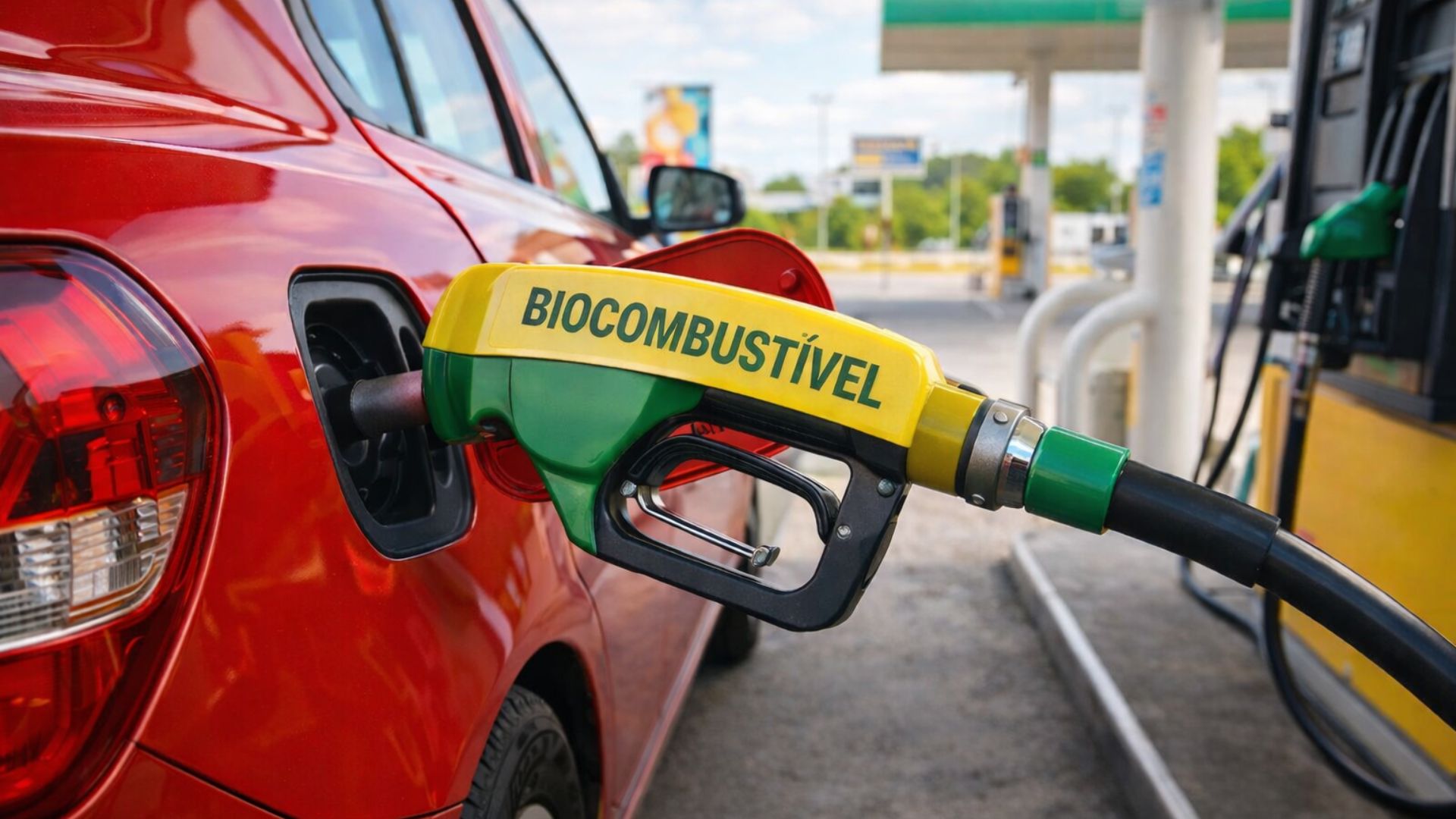
CNPE strengthens policy and prevents imported biodiesel from being mixed with diesel, aiming to strengthen the Brazilian industry and protect jobs by reducing external dependence amid tensions in the global market.
-
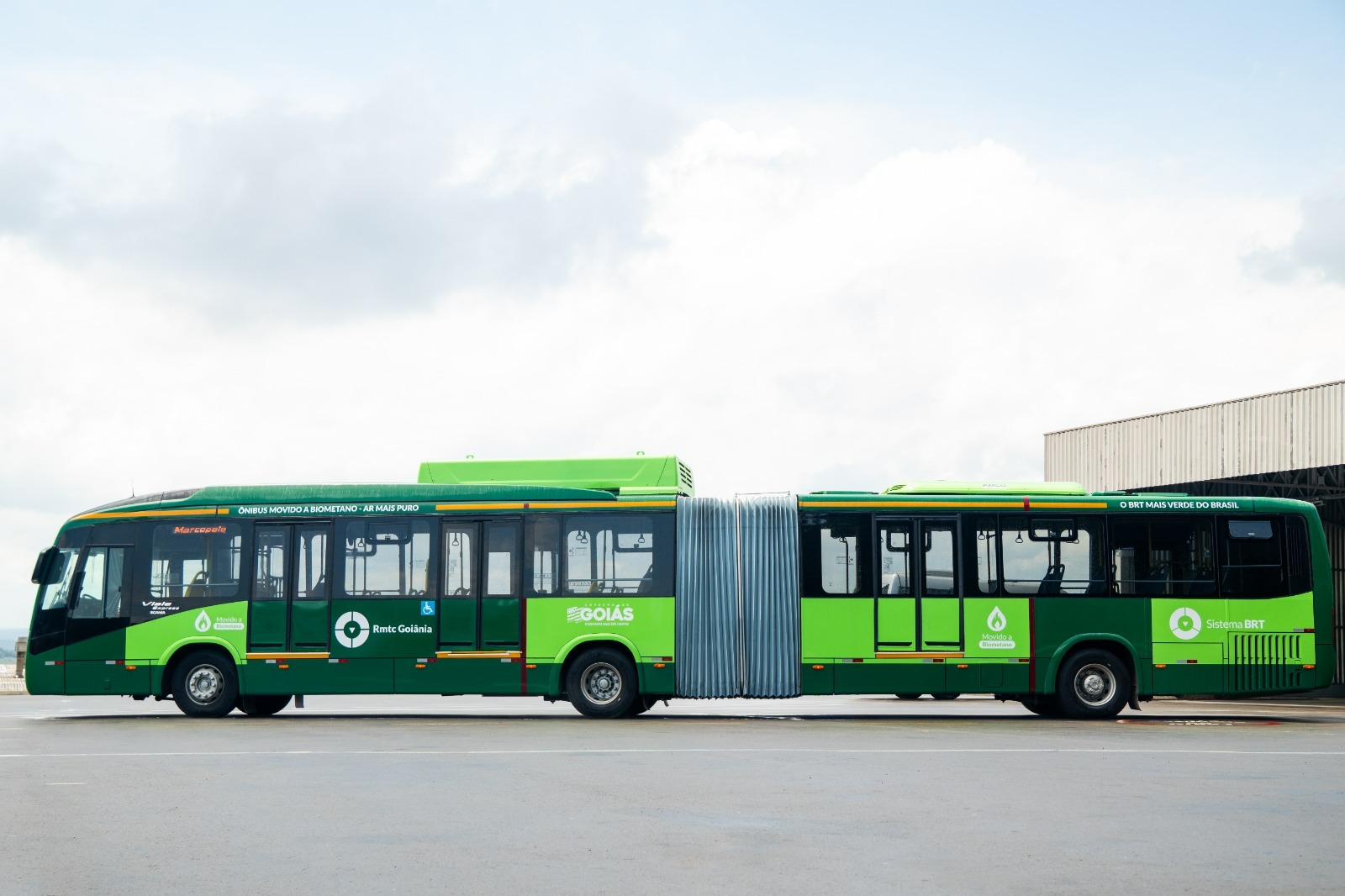
Revolution in public transport: Goiânia puts into circulation the first articulated buses powered by biomethane in Brazil and promises to drastically reduce pollution on the Anhanguera Corridor.
-
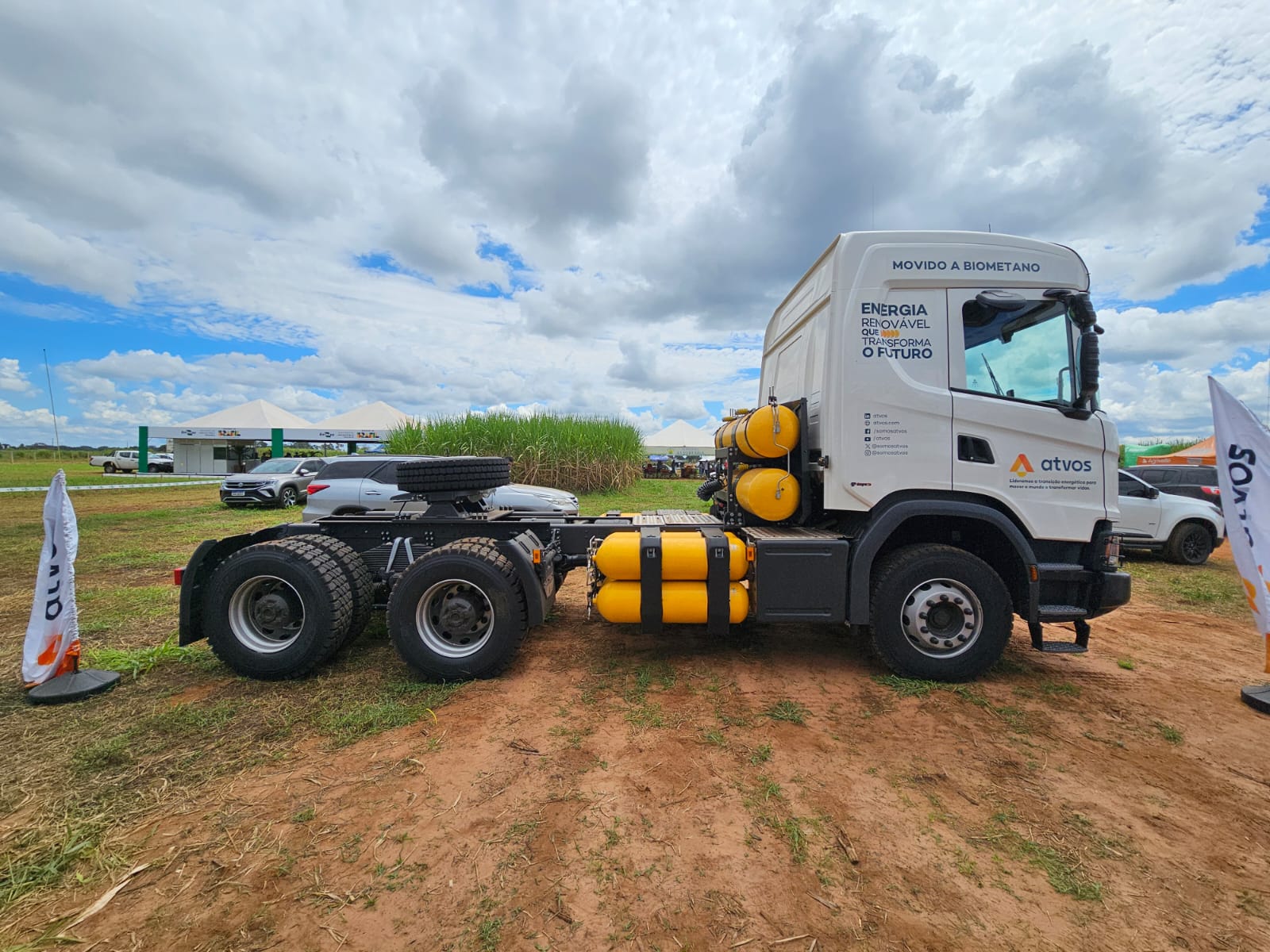
From the field to the pipelines: Mato Grosso do Sul accelerates the energy transition and consolidates a new axis in renewable energy with the arrival of a giant biogas plant.
-
The Economist states that Brazil has a “secret weapon” against expensive oil and highlights how the country can reduce economic impacts even in international scenarios of high volatility.

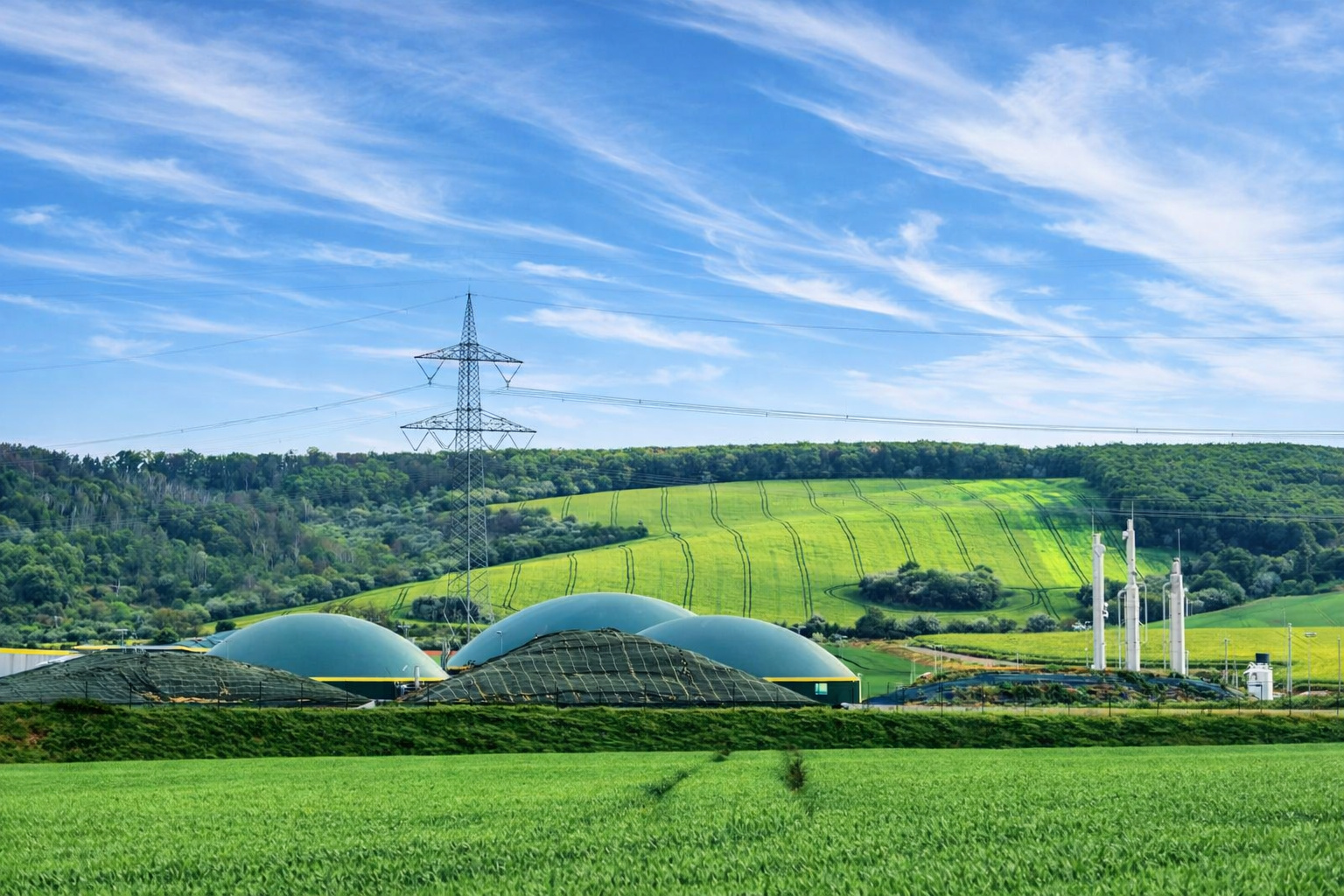
Currently, Brazil has eight biogas plants directly linked to the agribusiness, with a total production capacity of 355.9 thousand cubic meters per day. With the operation of new units, this number will be nearly doubled, consolidating the agricultural sector as one of the main drivers of renewable energy in the country.
Considering all sources of production, including urban waste and landfills, Brazil currently has 17 biogas plants in operation and another 42 under construction. Nevertheless, experts point out that the country still exploits a small portion of its technical potential.
Even with the projects already authorized and planned, the country is expected to reach just over 5% of the national potential, says Talyta Viana, technical and regulatory coordinator of the Brazilian Biogas Association (Abiogás). This data reinforces the enormous room for expansion, especially in the agribusiness, where the supply of waste is abundant.
Regulatory Framework Strengthens Biogas in the Energy Transition
The growth observed in 2025 is directly related to the consolidation of the regulatory framework of the sector. The Future Fuels Law stipulates that natural gas producers and importers must meet emission reduction targets by acquiring biogas or certificates backed by this fuel.
Initially, the program set a target of 1% emission reduction by 2026. However, in a public consultation opened by the Ministry of Mines and Energy (MME), the department proposed an adjustment to 0.25%. For Deputy Arnaldo Jardim (Cidadania-SP), author of the law, the change does not compromise the program’s objectives.
This is a short-term adjustment, mainly linked to technological adaptation, and not to costs. According to him, the strategy aims to ensure that the policy reaches maturity and stability in the medium term, favoring structuring investments in renewable energy.
Sugar-Energy Sector Leads Biogas Potential in the Agribusiness
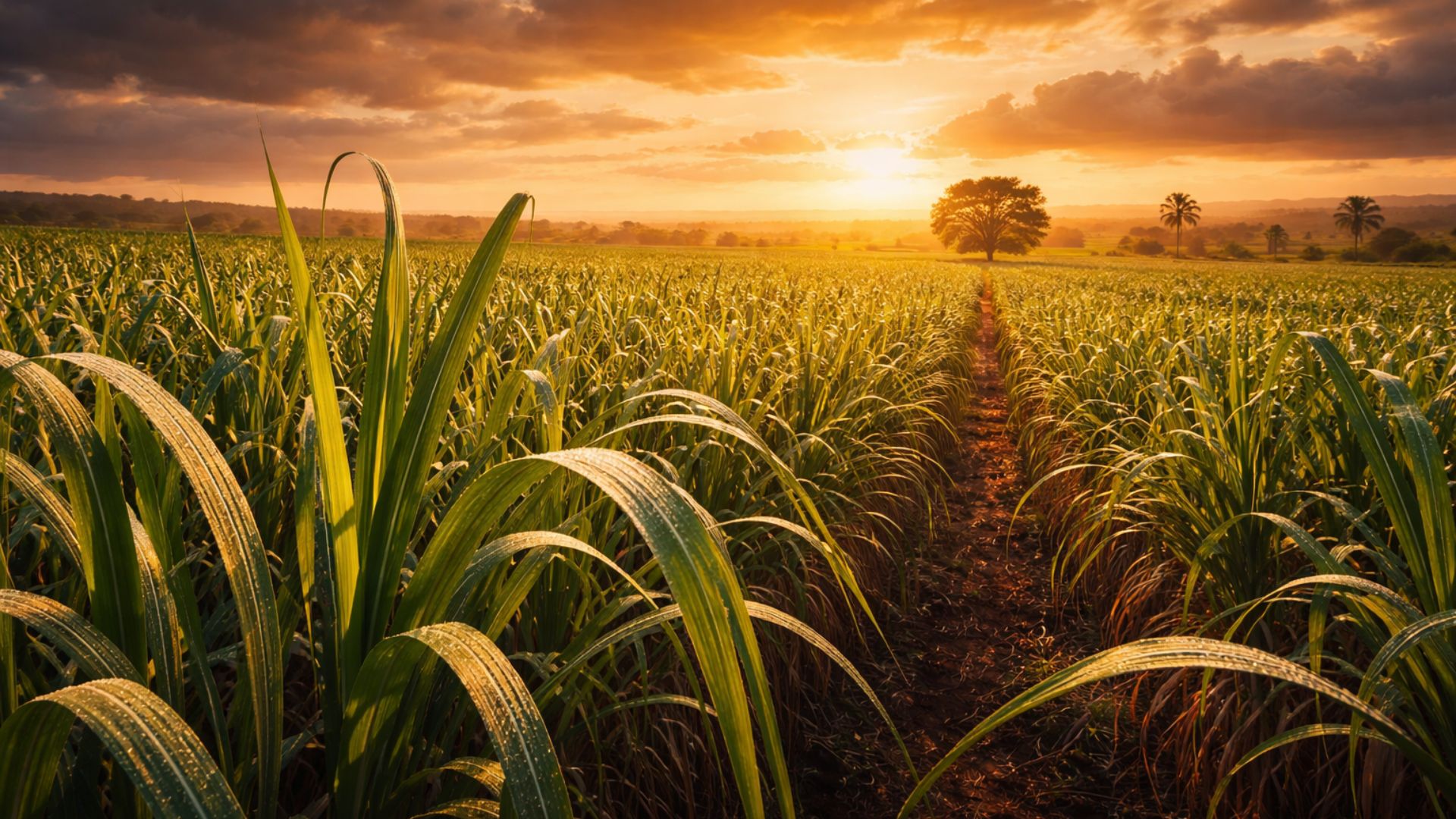
The sugar-energy sector concentrates almost 50% of the biogas production potential attributed to Brazilian agribusiness. The fuel is generated from residues such as vinasse and filter cake, by-products of the sugarcane chain widely available in the country’s mills.
In addition to sugarcane, other productive chains also show high potential. Residues from soy, corn, cassava, açaí, and livestock emerge as relevant raw materials for the expansion of renewable energy in rural areas.
The assessment indicates that there is potential in all states of the country, highlights Talyta Viana. This diversity of sources strengthens the role of agribusiness as a central agent of the energy transition, promoting regional development and reducing environmental impacts.
Decarbonization Targets Increase Demand for Biogas
The legislation provides that the decarbonization target may reach up to 10% of the volume of natural gas marketed in the country. If this threshold is reached, the additional potential for growth in biogas production could vary between 6 million and 7 million cubic meters per day, depending on national consumption.
For Tiago Santovito, director of Abiogás, the clear definition of these targets is essential to unlock investments. Both the projects and the capital already exist and depend only on this signaling, he says.
The scenario indicates that the agribusiness should lead this expansion, increasing its share in the supply of renewable energy and reducing dependence on imported fossil fuels.
Origin Certification Strengthens the Renewable Energy Market
Another milestone expected for 2026 is the issuance of the first Biogas Guarantee of Origin Certificate (CGOB). The instrument will function as a traceability seal, ensuring the renewable origin of the fuel and increasing market transparency.
The definition of the cost of this certificate is crucial to enable new investments, explains Santovito. The expectation is that certification will strengthen the confidence of distributors, industrial consumers, and investors, consolidating biogas as a strategic vector in the energy transition.
Urban and Industrial Use of Biogas Proves Economic Viability
A concrete example of the integration between production and consumption is in the interior of São Paulo. Presidente Prudente has become the first Brazilian city to have an urban network supplied with biogas produced from sugarcane waste.
The fuel, supplied by Cocal Mill in Narandiba, provides energy to residences, businesses, industries, and CNG stations. Biogas is injected into the network and can be directed to different applications, explains Talyta Viana. The experience demonstrates that agribusiness can serve as a strategic supplier of renewable energy for urban centers, strengthening the regional energy transition.
Biogas Reduces Emissions and Replaces Fossil Fuels
The use of biogas as a substitute for diesel in heavy fleets is another factor driving the sector. Studies indicate that the fuel can reduce greenhouse gas emissions by up to 90% compared to fossil fuels.
According to Abiogás, fully exploiting the national potential would allow for more than 100% of Brazil’s gas imports to be met and could replace up to 60% of the national diesel consumption. Currently, about 30% of diesel demand is met by imports. Biogas presents itself as a strategic alternative to reduce dependence on external sources, reinforces Talyta Viana.
Biogas Consolidates a New Cycle of Agribusiness in the Energy Transition
The advance of biogas marks a new cycle of innovation in Brazilian agribusiness, transforming waste into economic, environmental, and energy value. With a low carbon intensity — less than 10 g of CO₂ equivalent per megajoule, according to the Energy Research Company (EPE) — the fuel stands out among the main solutions for renewable energy in the country.
By increasing production, reducing emissions, and strengthening energy security, agribusiness consolidates its role as the protagonist of the Brazilian energy transition. Biogas moves from being merely an alternative to occupying a central position in the future of the national energy matrix.






Seja o primeiro a reagir!