





 Portuguese
  English
  Spanish
  5 min of reading
  0 comments


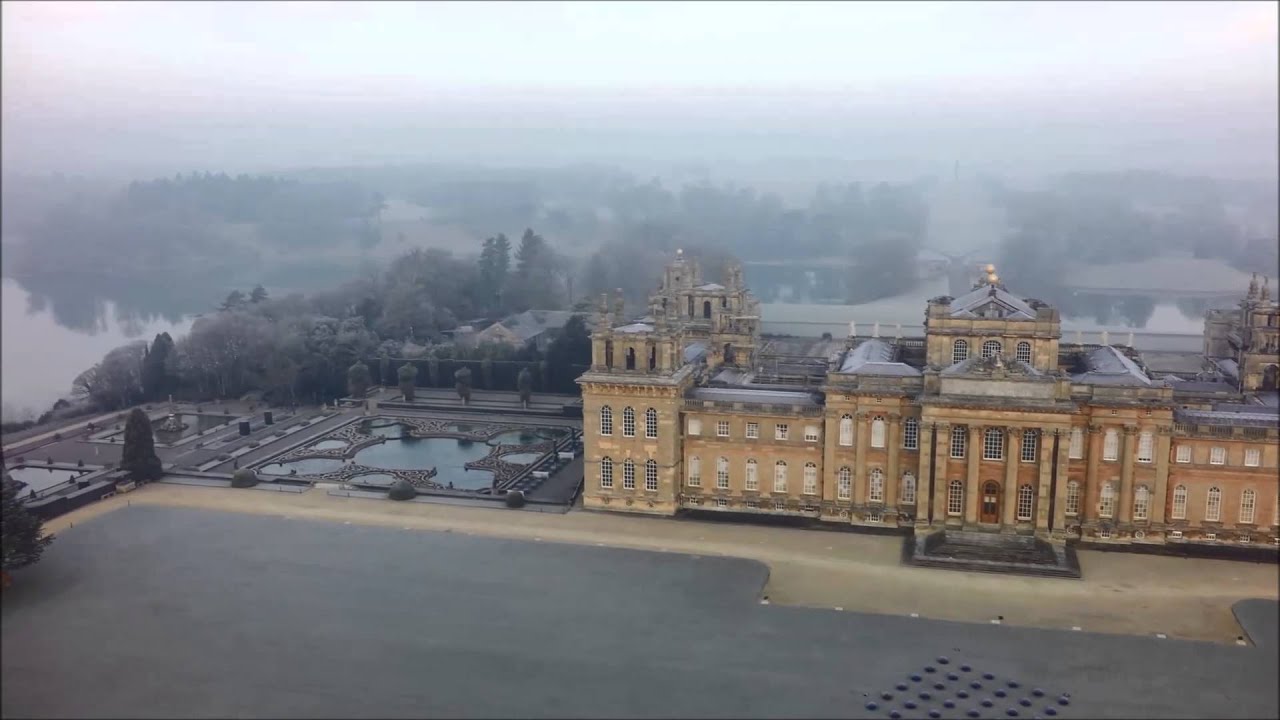
With More Than 2,000 Acres of Park and 18,000 m² Built, Blenheim Palace Is the Largest Private Palace in England and a Colossus of European Historical Architecture.
When it comes to historic mansions of absurd scale, most people automatically think of royal palaces. What almost no one imagines is that the largest palace in England does not belong to the monarchy. It wasn’t built for a reigning king, is not managed by the Crown, and has never been an official residence of a British monarch.
Still, its scale, historical cost, and architectural impact place it on par with the largest palatial constructions in Europe. This place is Blenheim Palace.
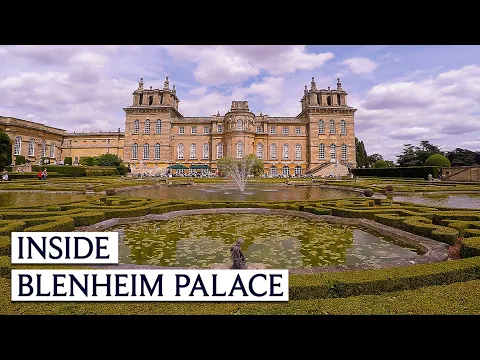

Located in the city of Woodstock, in Oxfordshire County, Blenheim Palace functions as a true private historic city.
-
A trick with joint compound transforms a Styrofoam ceiling into a plaster-like ceiling: leveled panels, wires and mesh at the joints, sand, paint, and change the environment while spending little today.

-
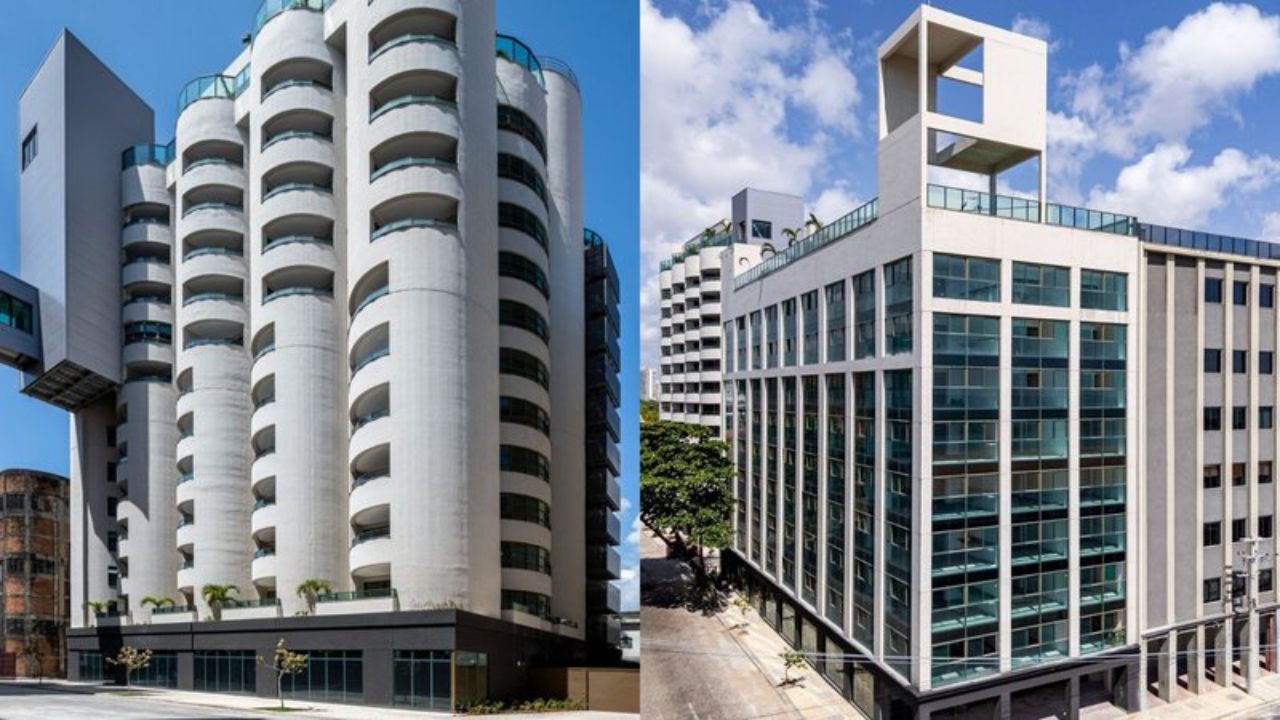
Abandoned for over a decade, century-old silos in the state of Recife have been transformed into 251 apartments with curved walls in one of the most complex retrofits ever done in Brazil.
-
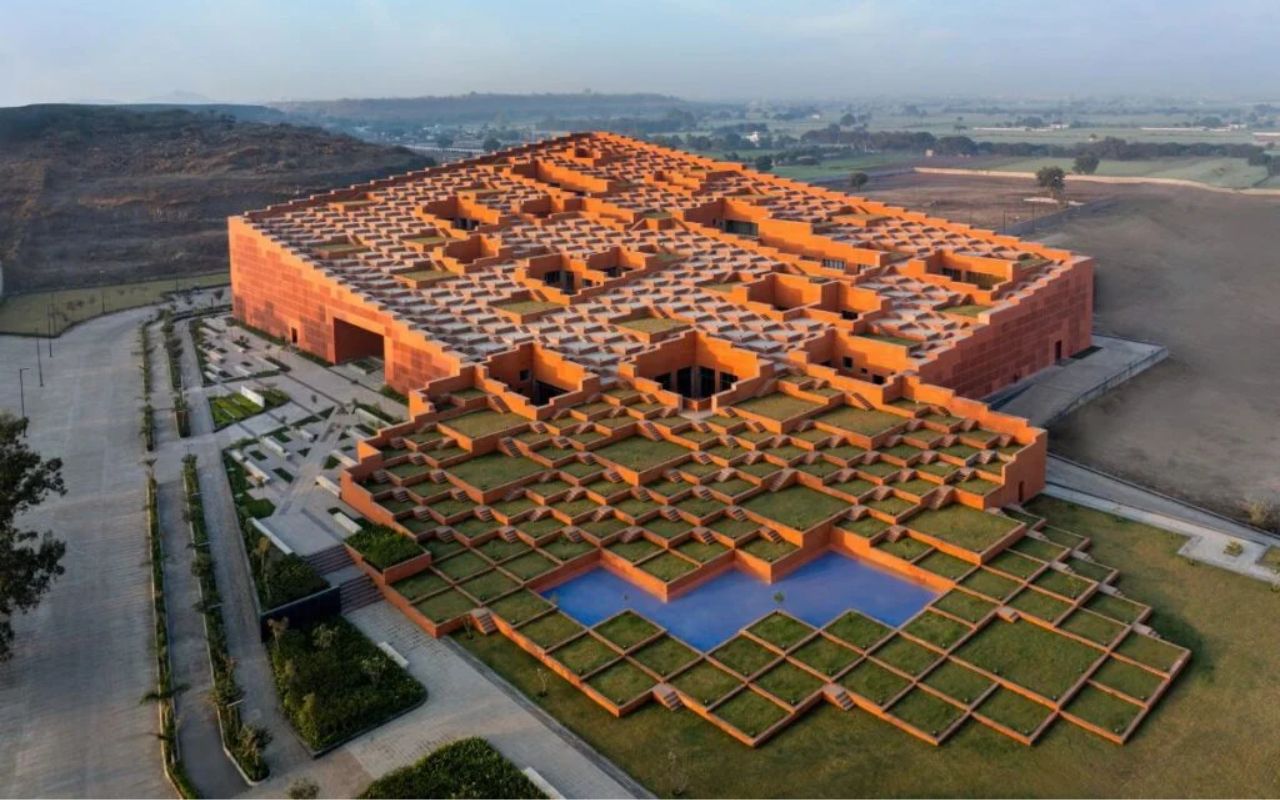
Inspired by millennia-old structures, a “differentiated” roof with 463 levels and a capacity for 9,000 people was built on top of a building in India; the tiered roof is almost a kind of giant garden of 9,000 m², reducing energy consumption and promoting interaction among students of Prestige University.
-
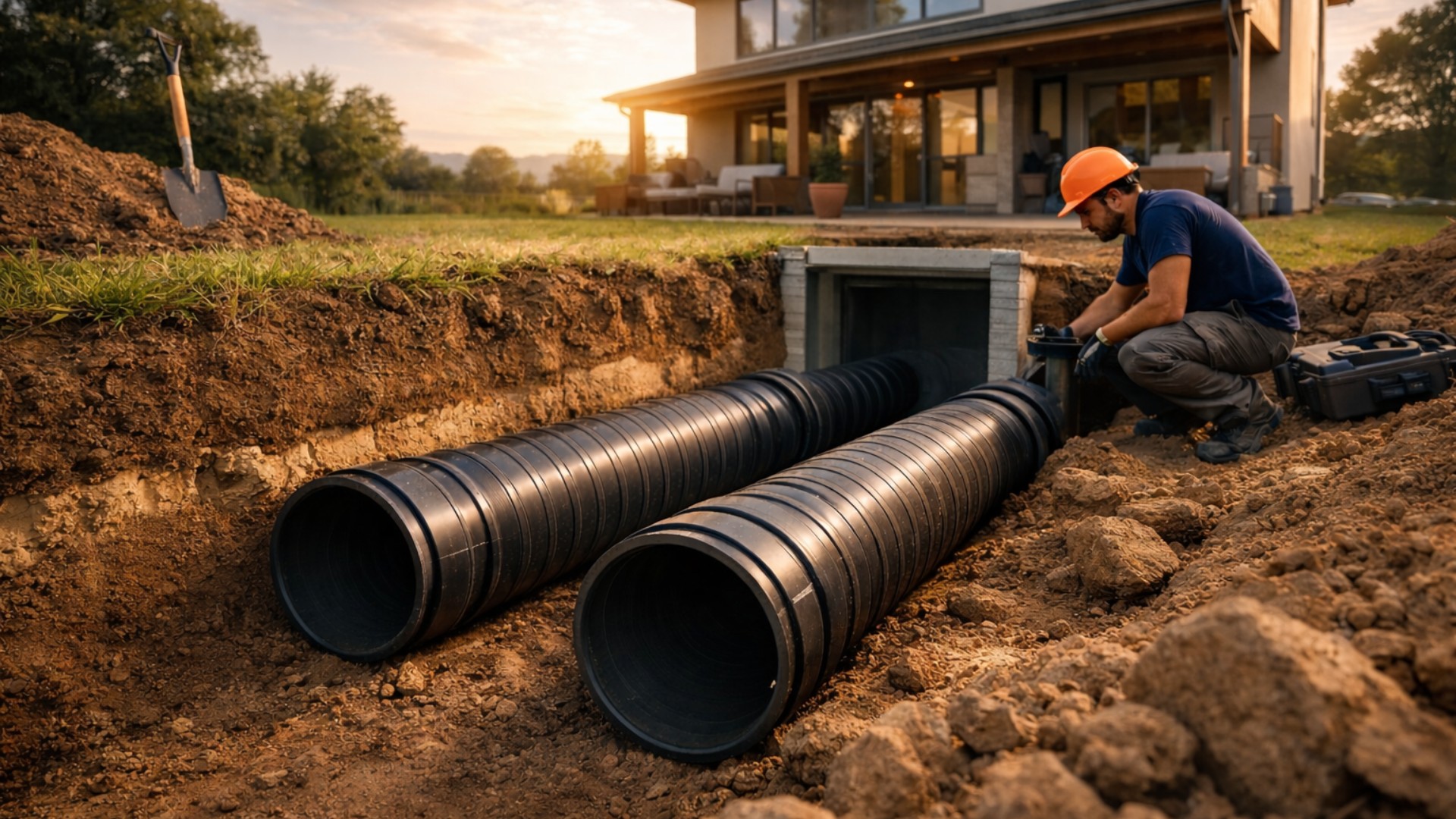
Architects are burying plastic pipes 2 meters deep and using ducts up to 30 meters long to cool homes without electricity, with low-consumption fans and natural heat exchange that drastically cuts the electricity bill.
The complex impresses not only with its monumental baroque aesthetics but mainly with the technical numbers that support its grandeur: built area comparable to large shopping malls, parks larger than entire neighborhoods, and a landscaped system designed to visually manipulate the terrain on a continental scale.
The Largest Private Palace in England in Absolute Numbers
Blenheim Palace occupies an area of approximately 2,000 acres, equivalent to more than 8.1 million square meters. For comparison purposes, it is a territory larger than many historic European urban centers.
Within this space, there exists not just the main building but a complete complex of formal gardens, planned forests, artificial lakes, monumental bridges, internal roads, and auxiliary structures.
The built area of the main palace exceeds 18,000 m², distributed across more than 300 rooms, corridors, galleries, and halls. These are not simple bedrooms but environments with high ceilings, thick stone masonry walls, and heavy ornamentation typical of early 18th-century English baroque.
This volume of construction makes Blenheim Palace one of the largest private residences ever built in the UK, surpassing in scale many contemporary royal residences.
Baroque Architecture Designed to Impress on Monumental Scale
The construction of Blenheim Palace took place between 1705 and 1722, a period of 17 years of continuous work. The project was led by architects John Vanbrugh and Nicholas Hawksmoor, two of the most important names in English architecture of the period.

The adopted style was monumental English baroque, characterized by massive facades, rigid symmetry, heavy volumes, and a deliberate sense of power and permanence. Unlike palaces adorned with lightness, Blenheim was designed to appear indestructible, almost like an aristocratic fortress.
The external walls use large stone blocks, and the openings are wide, allowing natural light into unusually scaled environments. Many state rooms were designed not only for living but for ceremonies, political receptions, and displays of institutional prestige.
More Than 300 Rooms and an Almost Urban Internal Circulation
One of the most impressive aspects of Blenheim Palace is the quantity of internal spaces. With more than 300 rooms, the palace functions like an aristocratic labyrinth, interconnecting state rooms, ceremonial galleries, libraries, private chambers, service areas, and technical corridors.
The internal circulation was designed to allow large movements of people without compromising the fluidity of space. During historical events, hundreds of guests could move simultaneously throughout the building, something impossible in conventional residences.
The high ceilings of many environments contribute to thermal and acoustic stability, while the thickness of the walls ensures insulation and structural durability. It is architecture designed to last for centuries, not decades.
A Park Larger Than Cities, Planned as Landscape Engineering
If the palace itself is already impressive, the park surrounding it elevates the project to another level. The 2,000 acres of land were redesigned by the famous landscaper Lancelot “Capability” Brown, responsible for transforming natural areas into visually calculated compositions with almost mathematical precision.
The terrain was shaped to create long sightlines, gentle hills, artificial valleys, and a monumental lake that serves as the central element of the ensemble. This lake is not just decorative: it acts as a visual and climatic regulator, reflecting the palace’s facade and enhancing the perception of the building’s scale.
The engineering involved in creating this lake required large-scale earth movement, rerouting watercourses, and constructing containment systems that remain functional today.
Monumental Bridges and Infrastructure Integrated into Landscaping
Within the park of Blenheim Palace lies one of the most emblematic bridges in British landscape architecture: the Grand Bridge. With multiple stone arches, it was designed not only for crossing but as a visually prominent architectural element.
The bridge functions as a symbolic extension of the palace, connecting different areas of the park and serving as a focal point in various planned perspectives. Its construction required deep foundations and advanced masonry techniques to withstand the weight and action of water over the centuries.
In addition to the bridge, the complex includes internal roads, drainage systems, service areas, and agricultural structures that supported the self-sufficiency of the estate.
A Private Palace with World Heritage Status
Despite not belonging to the monarchy, Blenheim Palace has received a rare recognition: it was declared UNESCO World Heritage Site in 1987. The title was granted not only for the architecture but for the unique integration between building, landscaping, and historical context.
The palace continues to be the residence of the family of the Dukes of Marlborough, maintaining its status as private property. At the same time, it functions as a site for public visitation, cultural events, and historical preservation, balancing contemporary use with strict conservation.
This hybrid condition — private residence and global heritage — makes Blenheim Palace a unique case in the world.
Birthplace of Winston Churchill and Stage of British History
Beyond its physical scale, Blenheim Palace carries immense historical weight. It was here that Winston Churchill was born, one of the most influential figures of the 20th century. The site was also involved in political decisions, diplomatic meetings, and events that shaped the history of the United Kingdom.
This combination of residential, symbolic, and political function reinforces the palace’s importance as something far beyond a luxury mansion. It is an infrastructure of power built in stone, landscape, and time.
Why Blenheim Palace Still Challenges Modern Logic
In a world where modern mansions impress with price or technology, Blenheim Palace remains a conceptual challenge. Its grandeur lies not in automation, glass, or reinforced concrete, but in territorial scale, historical engineering, and long-term planning.
Building something of this magnitude today would require billion-dollar investments, complex environmental licenses, and decades of construction. In the 18th century, it was erected as a definitive statement of power, permanence, and symbolic dominance.
More than 300 years later, Blenheim Palace remains intact, functional, and relevant, proving that some works were not made just for one generation, but to last through entire centuries.








-

Uma pessoa reagiu a isso.