





 Portuguese
  English
  Spanish
  4 min of reading
  0 comments


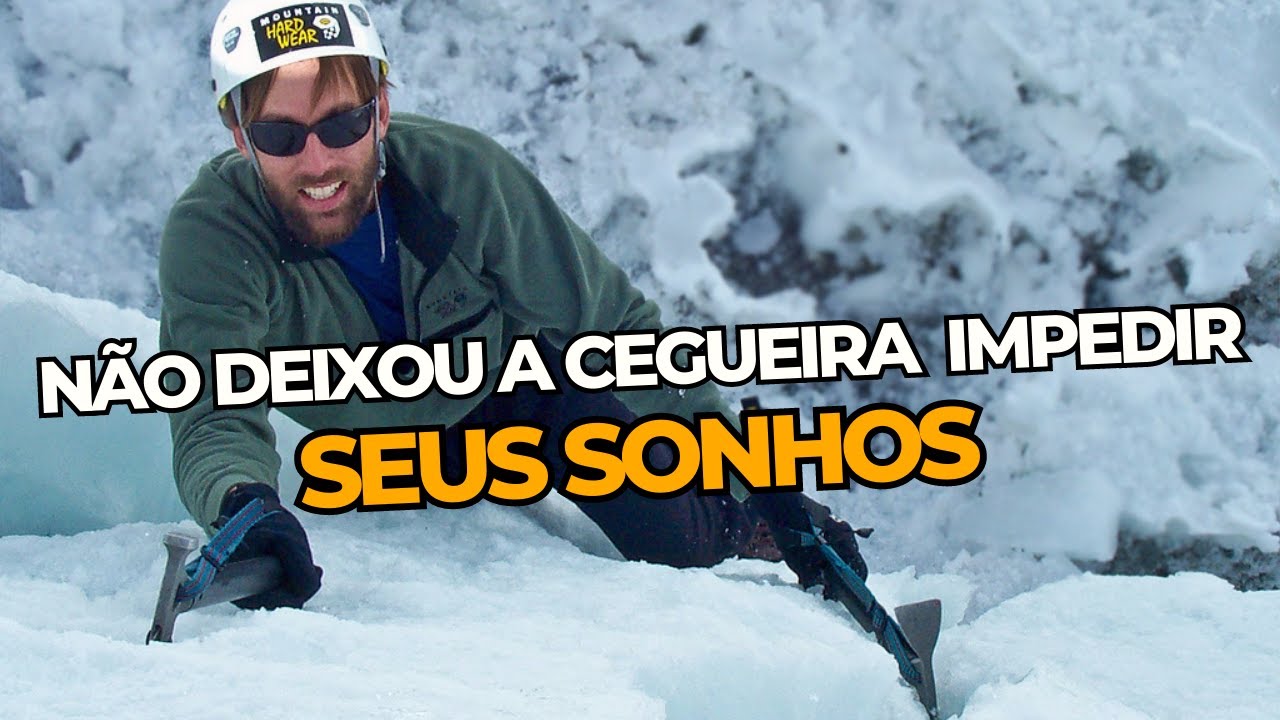
Blind Since Adolescence, Erik Weihenmayer Climbed Everest Guided by Touch and Sound and Became the First Blind Climber to Conquer the Highest Peaks on the Seven Continents.
Losing vision at a young age could have ended any adventure dream, but for him, the darkness became a new kind of horizon. Diagnosis: retinitis pigmentosa, a degenerative retinal disease that, over the years, reduces the field of vision until total blindness occurs. This was the starting point for one of the most extraordinary journeys ever recorded in the world of endurance sports.
As his vision faded, a more intense determination emerged. Instead of accepting limits, he decided to turn them into purpose. What would come next had never been done by another human without vision: climbing the highest mountains on the planet, including the most feared of them all.
At 33, he would reach the summit of Mount Everest, the highest point on Earth, proving that courage does not depend on eyes, but on will. And at the end of his journey, he would complete the Seven Summits, the highest peaks of all the continents. His name — known to many only after the story — is Erik Weihenmayer, a global symbol of overcoming and a reference for athletes and researchers.
-
The water crisis that could change everything this year has already begun; it’s not just about the climate, it affects technology, raises product prices, and can halt entire companies without warning.

-
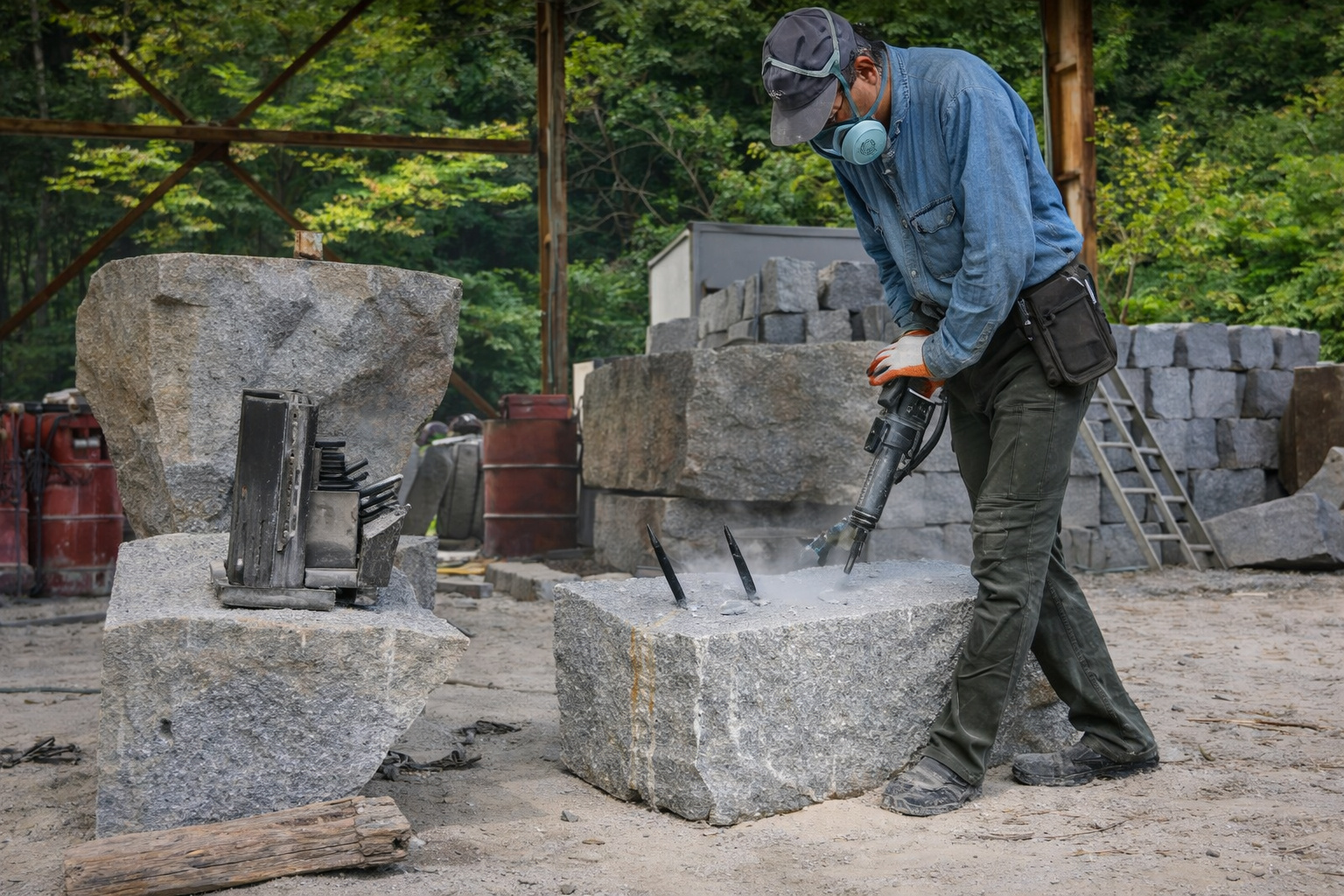
A Japanese mason transforms raw granite into small cups and handcrafted utensils, collects giant stones, cuts with precision, and impresses with detailed manufacturing and finishing.
-
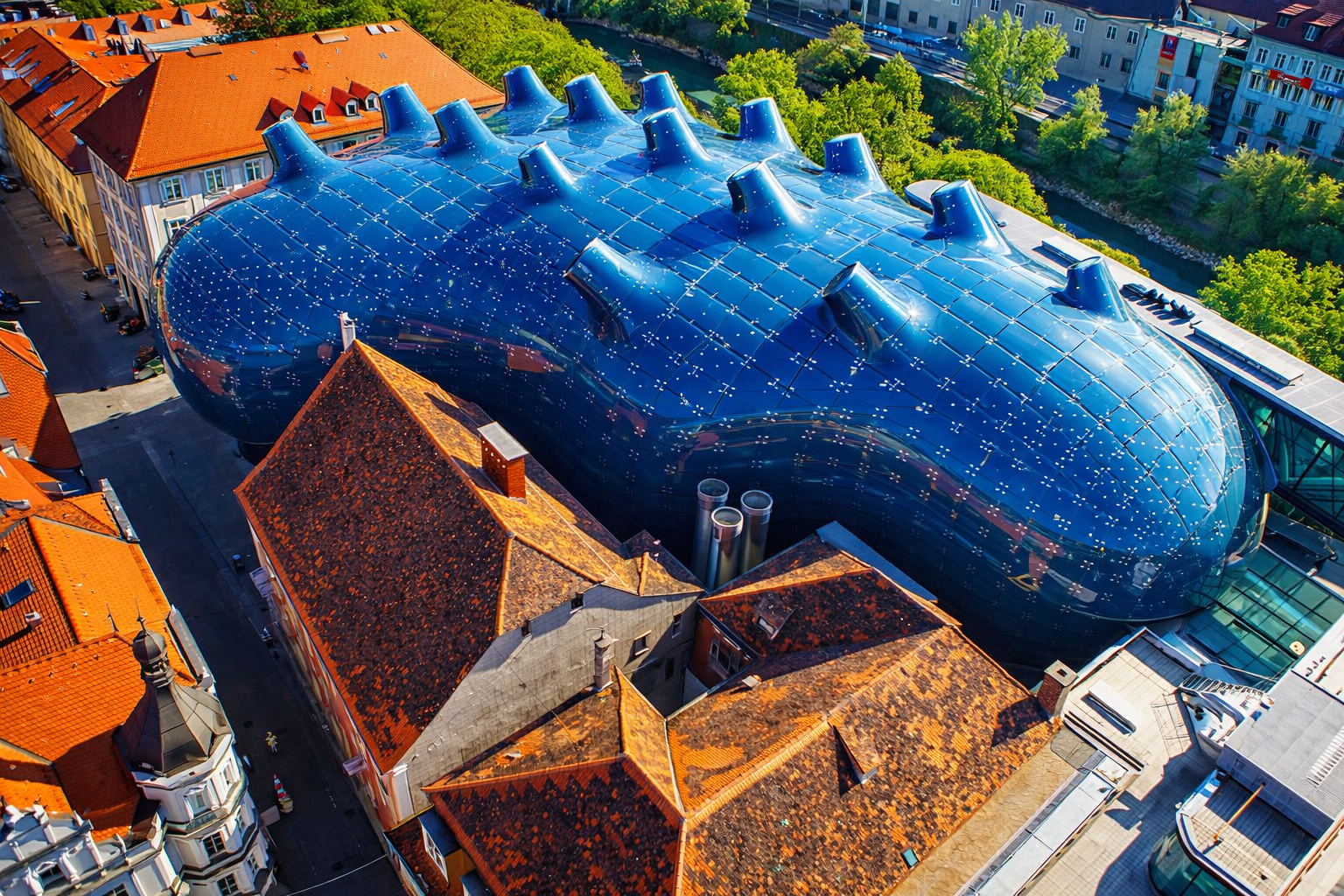
With 1,066 acrylic panels, the building known as the friendly alien is supported by a steel skeleton, has a façade that functions as a giant screen, and impresses the world without any internal columns.
-
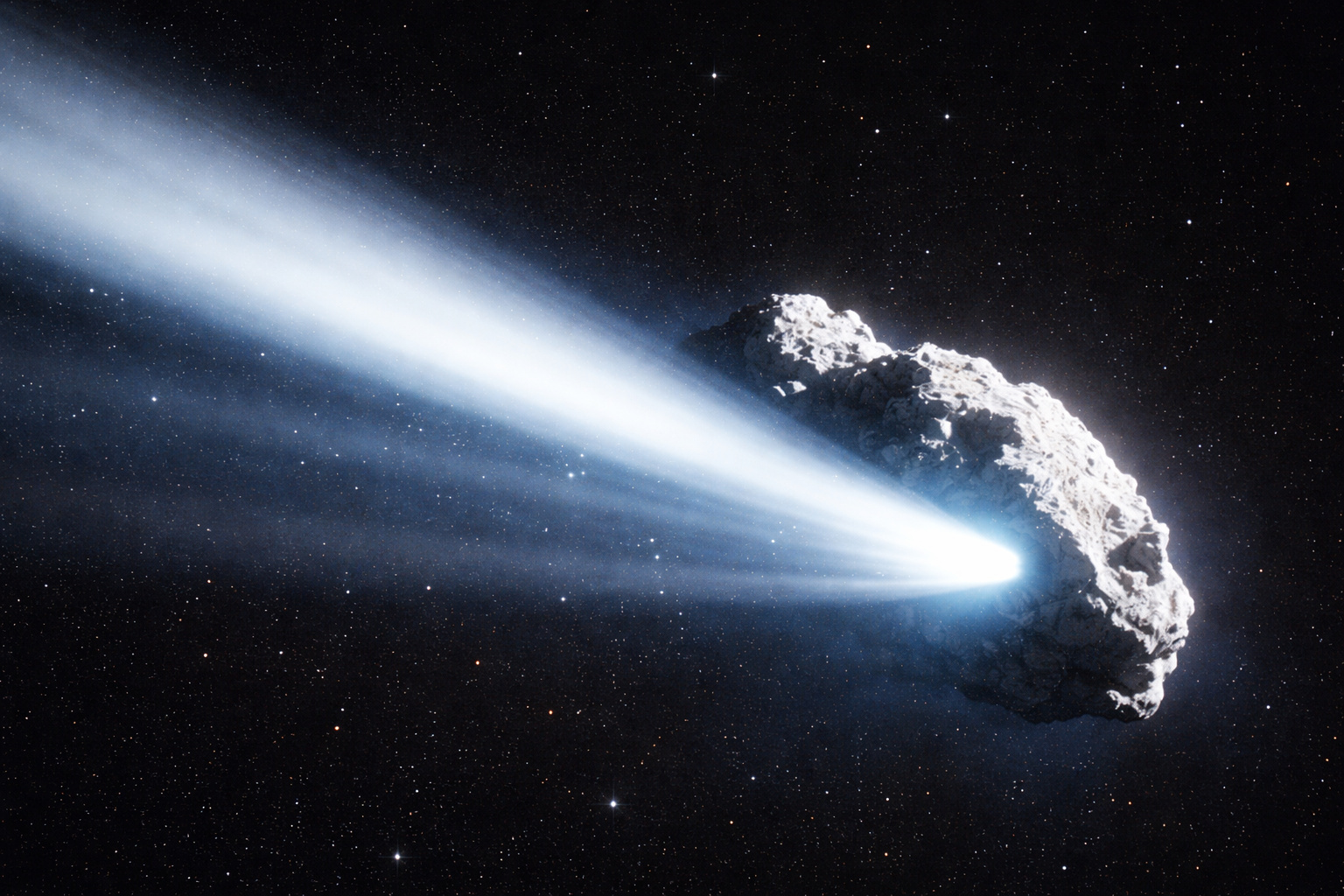
Scientists warn that a comet about 1 km in size that has started to release gases may actually change direction in space. It was spotted by NASA and surprises with potential impacts near Earth.

How a Blind Climber Confronts the Most Dangerous Mountain in the World
The Everest is an environment where even small mistakes can be fatal. In the “Death Zone,” above 8,000 meters, the rarefied oxygen compromises consciousness, freezes fingers in minutes, and causes physical collapse. For someone without vision, all these risks increase exponentially.
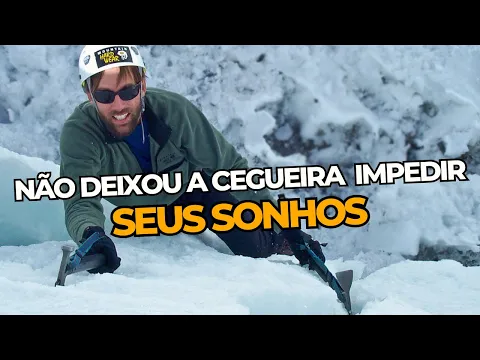

For this reason, Erik developed a unique way of climbing. He followed trails guided by bells attached to his companions’ backpacks, assessed the firmness of the ground by the sound of the ice axe striking the ice, and identified changes in the weather by the wind touching his face. Each rope was explored with the tips of his fingers, each rock crevice was “read” like a natural braille text.
His highly trained sense of hearing allowed him to identify even the vibration of cracking ice — a sign of imminent danger.
This is how he crossed the Khumbu Icefall, one of the most unstable regions of the Himalayas, with ice blocks that move daily. He also faced vertical walls, deep crevasses, and sudden storms this way. Everything depended on absolute precision.
The Arrival at the Top and Global Impact
When he touched the summit of Everest, amidst the biting silence of extreme altitude, Erik became the first blind person in history to achieve such a feat. The impact was immediate.
International outlets such as The New York Times, BBC, National Geographic, and Outside Magazine classified the expedition as a milestone in the history of mountaineering and a watershed moment in the global perception of visual impairment.
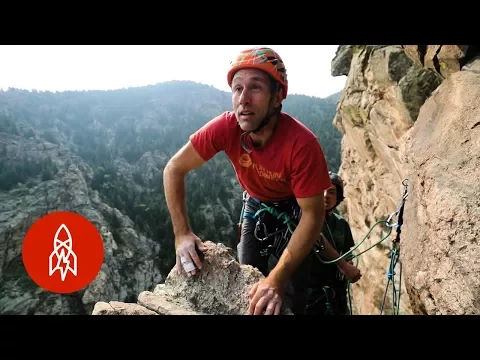
But he didn’t stop. He continued to the summits of Africa, Antarctica, South America, Oceania, and Europe, completing the Seven Summits, something that few fully physically capable climbers had managed to achieve.
For experts, his journey not only changed mountaineering; it transformed scientific understanding of human adaptation to extreme environments. Researchers still analyze his sensory perception and his ability to navigate dangerous terrains without visual references.
The Transformation That Inspired the Whole World
Erik transformed his experience into a global movement. He founded sports and educational organizations for blind youth, developed tactile and auditory orientation methods for outdoor activities, and began speaking at international institutions, including meetings supported by organizations linked to the UN.

In many schools and sports centers, techniques inspired by his training are already being used to teach visually impaired people to climb safely. He also participated in adapted expeditions and social projects, encouraging new athletes to overcome physical and emotional barriers.
His philosophy has always been clear: “Limitations are not in the body, but in what we believe is possible.”
The Legacy of a Man Who Climbed What Nobody Saw
Today, Erik Weihenmayer is considered one of the greatest symbols of human overcoming in the 20th century. His journey combines physical courage, mental discipline, and boldness, elements that continue to inspire climbers, researchers, and people facing challenges of any kind.
His life proves that limits are not defined by the absence of vision, but by the absence of purpose. He climbed not only mountains but the very perception of the world about what a blind person can achieve. And every step taken on ice, rock, and wind remains a reminder that when vision fades, determination must learn to see much further.







Seja o primeiro a reagir!