





 Portuguese
  English
  Spanish
  3 min of reading
  0 comments


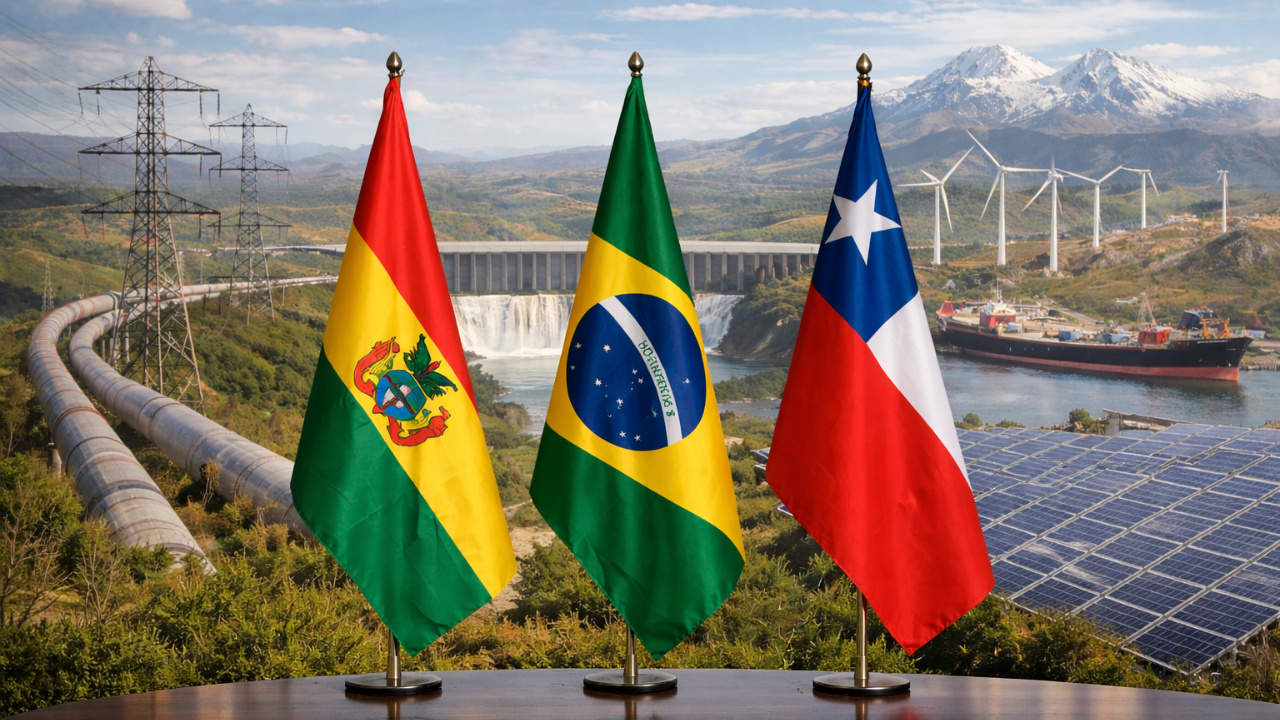
Bolivia Presented An Energy Cooperation Plan With Brazil And Chile That Promises To Change Routes, Reduce Costs, And Transform The Country Into A Strategic Link Between The Pacific And The Atlantic.
The word energy has gained new political weight in South America. At a time when countries seek to reduce costs, expand exports, and ensure supply security, Bolivia decided to take action. And it did so directly.
During the International Economic Forum of Latin America and the Caribbean, held in Panama City, Bolivian President Rodrigo Paz presented a proposal that involves Brazil and Chile in an energy and logistics cooperation project.
The idea goes beyond electricity and gas. It is a strategy to redesign the map of regional integration.
-
Brazilians paid R$ 18 billion more for energy from the Itaipu plant, reflecting a direct impact on tariffs and generating discussions about costs, transparency, and balance in the national electricity sector.

-
Equatorial adopts new national number for consumer units on electricity bills starting in April, following ANEEL standards and modernizing energy bills in several states.
-
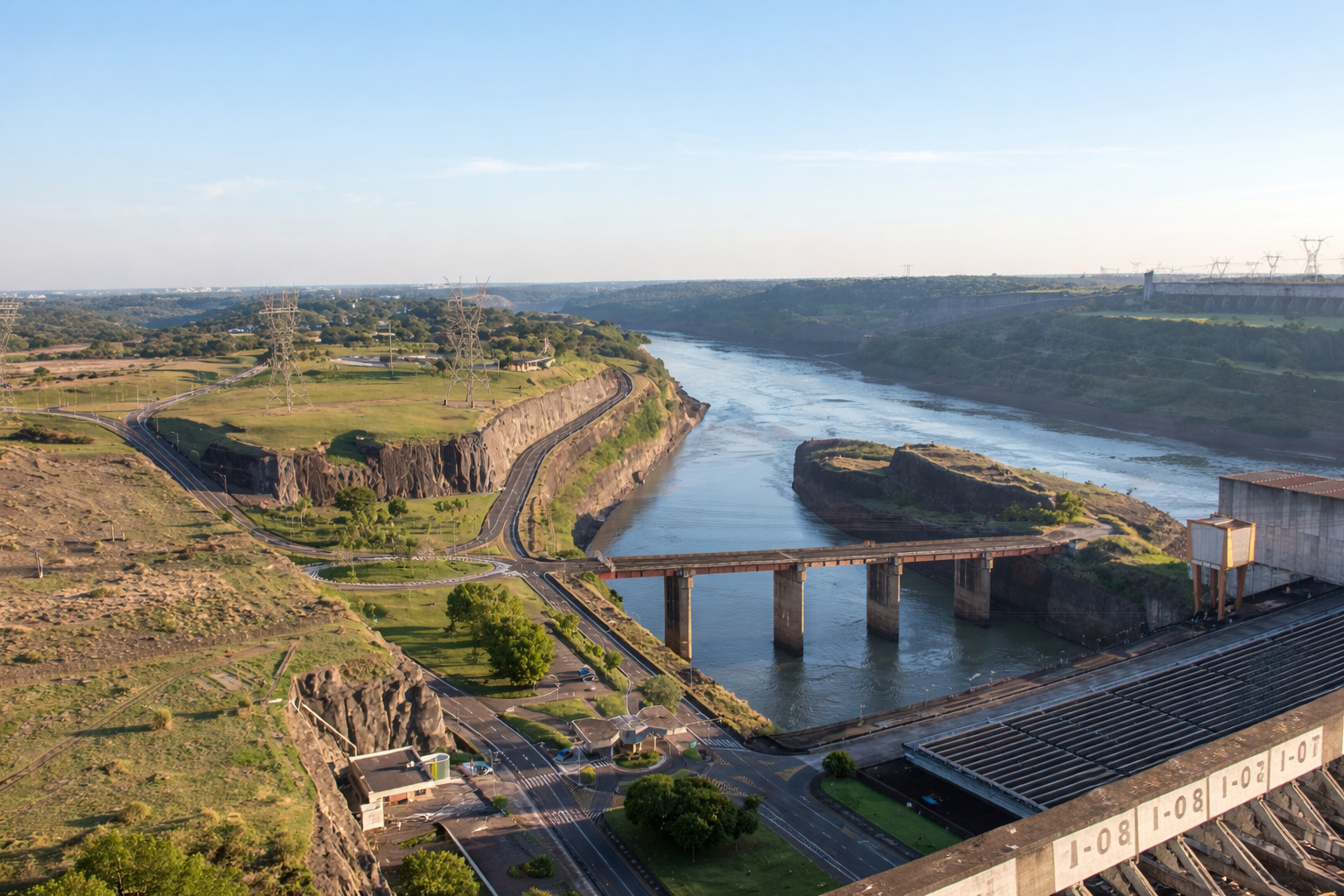
Itaipu Impresses the World: Hydroelectric Plant with 20 Turbines and 14,000 MW Generates Over 2.9 Billion MWh and Leads Global Clean Energy Production
-
Aneel Revokes CMAA Thermal Power Plants After Network Restrictions and Excess Energy in the System


Bolivia Wants To Become An Energy Bridge Between Two Oceans
Rodrigo Paz argued that Bolivia can become a true energy and infrastructure hub. The argument is based on the country’s geography, which borders five nations and is positioned between the Pacific and Atlantic Oceans.

According to the president, this location allows for the creation of logistics corridors that connect producing areas, ports, and industrial centers, in addition to facilitating the transportation of energy inputs.
In his speech, he got straight to the point. Cooperation in energy should be, according to him, the heart of this new integration model. This includes access to power grids, transportation infrastructure, and logistics for natural gas and other inputs that drive the region’s economies.
Energy And Gas Networks Are Included In The Integration Plan
Moreover, the Bolivian proposal bets on the creation of more connected energy chains between the three countries. The intention is to reduce export and import costs, making the flow of energy cheaper and more efficient.
According to information released by local media, the plan involves improvements in pipelines, transmission networks, and logistics routes, which could accelerate trade and strengthen energy security in the Southern Cone.
Paz also emphasized that Bolivia does not want just to use its position as a passage. The country wants to be an active part of the system. Therefore, he mentioned the possibility of expanding cooperation in the future to include renewable energies, creating new business and investment opportunities.
Brazil And Bolivia Have Already Scheduled A New Round Of Negotiations
Meanwhile, the plan has already begun to move from discourse to the diplomatic agenda. Brazilian President Luiz Inácio Lula da Silva and Rodrigo Paz confirmed that they will meet between March and April 2026.

The bilateral meeting will focus on regional integration routes, Bolivia’s access to international ports, and, most importantly, projects related to energy and infrastructure.
The expectation is that this conversation will define practical paths to transform the proposal presented in Panama into real agreements.
What do you think is behind this partnership? In what ways might the union between Bolivia, Brazil, and Chile impact your wallet, especially regarding the electricity bill and fuel prices?









-

Uma pessoa reagiu a isso.