





 Portuguese
  English
  Spanish
  3 min of reading
  0 comments


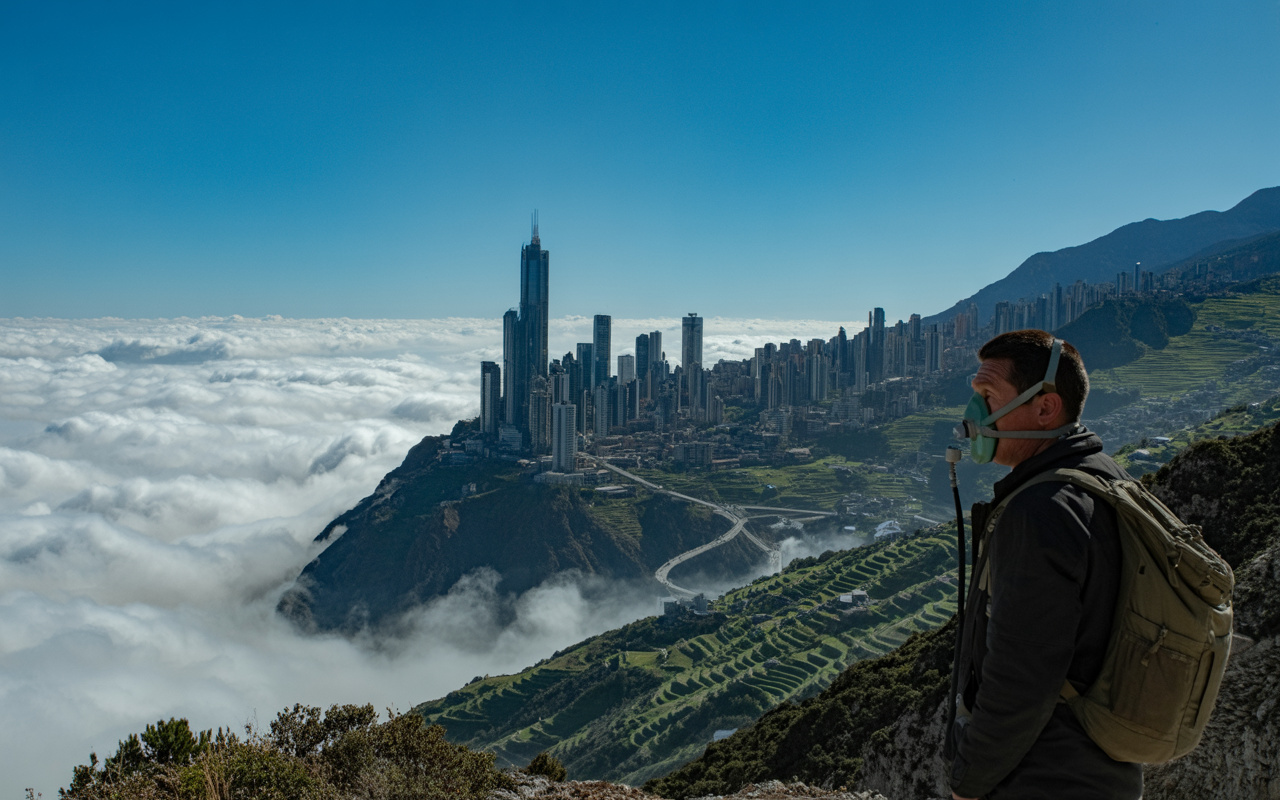
South American Country Hosts Cities Above 3,600 Meters and Faces Real Challenges in Health, Agriculture, and Infrastructure Due to Extreme Altitude.
There are places in the world where high altitude is just a geographic detail. In this case, it defines practically everything. Millions of people live permanently in regions where the air has a lower concentration of oxygen, temperatures are lower, and the terrain imposes physical limits on urban and economic growth.
These are not isolated villages or remote communities, but large urban centers situated at altitudes that, in other countries, would be considered extreme. Daily life takes place above 3,000 meters, with direct impacts on the human body, food production, and basic infrastructure.
Entire Cities Operating Above 3,600 Meters
The country in question is home to some of the highest cities in the world in permanent operation. La Paz, the seat of government, and El Alto, one of the fastest-growing cities in the Andean region, are located at altitudes reaching 3,600 meters above sea level.
-
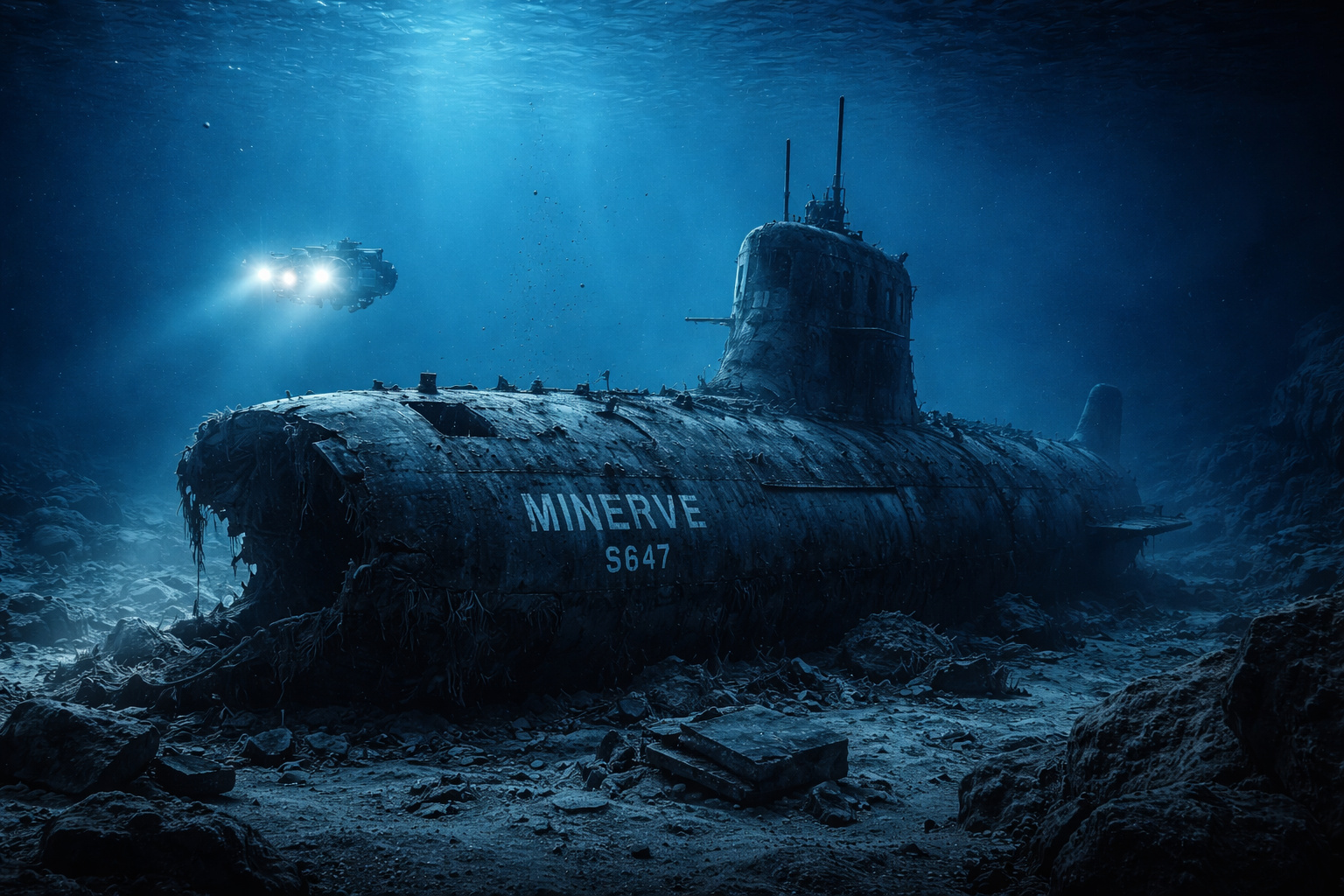
Few remember, but the submarine that disappeared in 1968 with 52 crew members was found after 51 years at the bottom of the sea at more than 2,000 meters, intriguing the entire world.
-
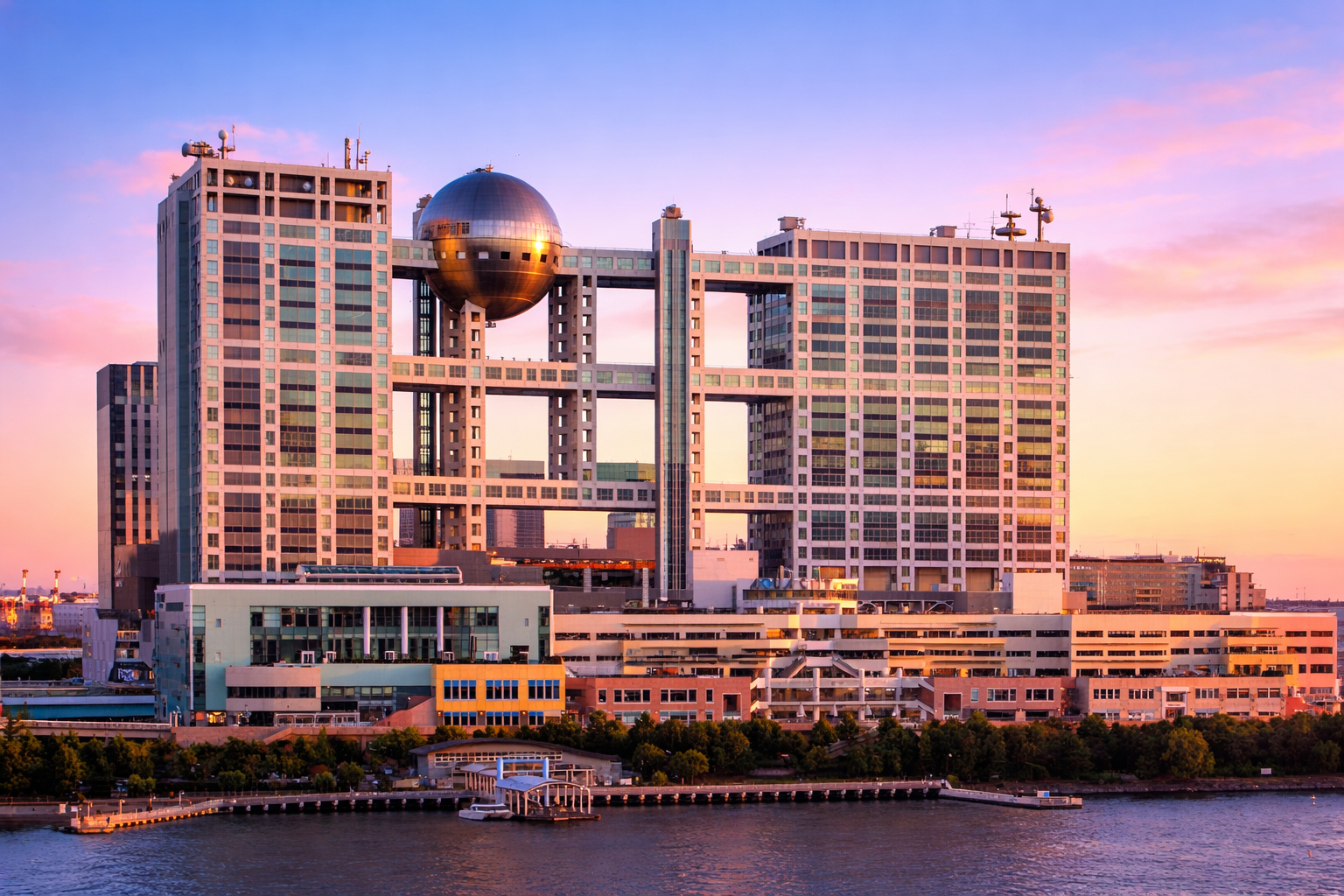
With 1,200 tons suspended, the Japan mega-structure in a grid shape with a floating sphere from Fuji TV features two 25-story towers connected by elevated walkways, titanium panels, and impresses the world with its ability to reduce wind impact.
-
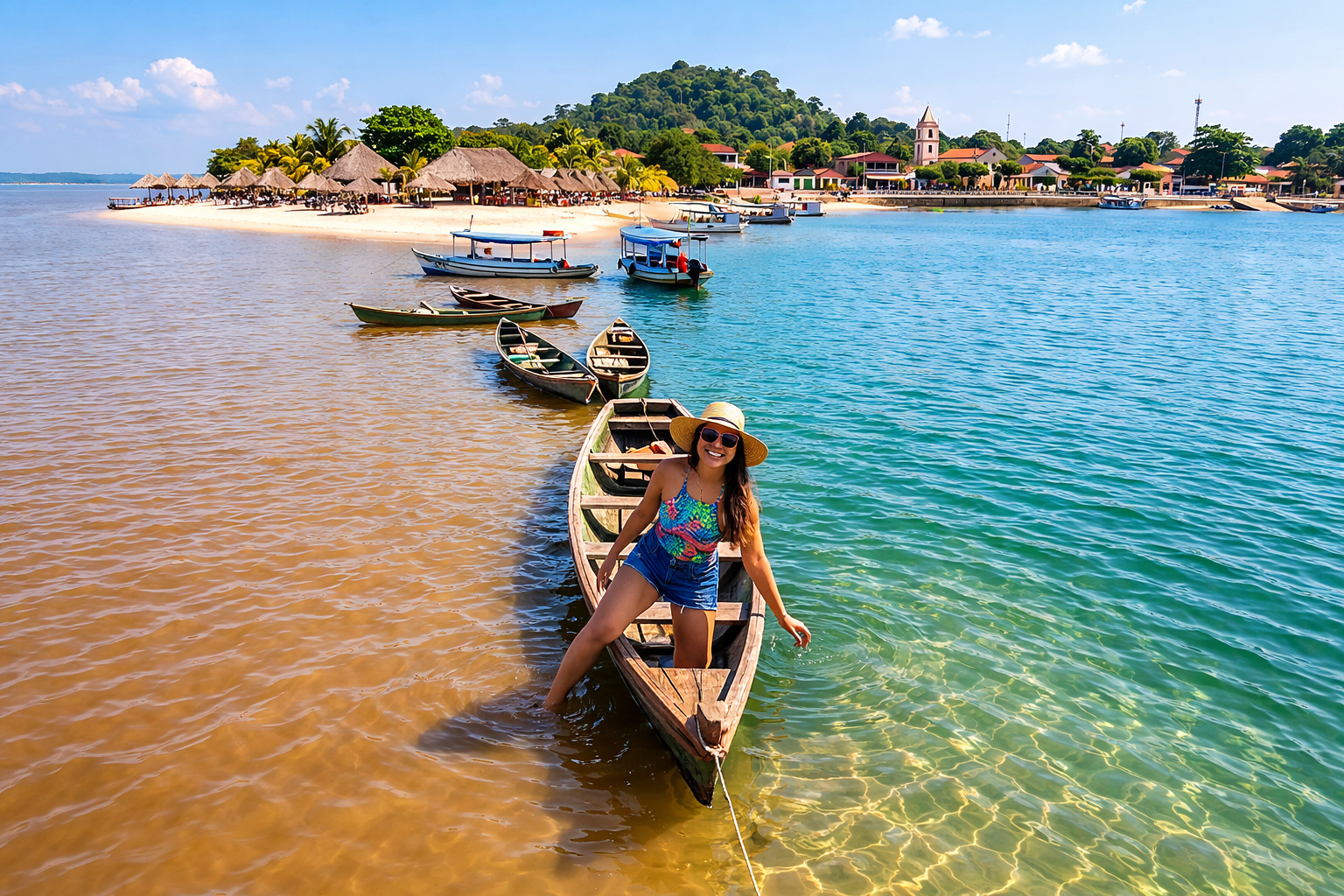
The village where two rivers run side by side without mixing in Santarém and Alter do Chão reveals some of the most beautiful freshwater beaches on the planet.
-
Brazil’s nuclear submarine with a speed 5 times greater than normal advances after nearly 50 years and R$ 40 billion spent.



Under these conditions, the human body receives less oxygen with each breath. For visitors, this often causes what is called altitude sickness, with symptoms such as shortness of breath, headache, and fatigue. For the local population, adaptation occurs over generations, but that doesn’t mean the impacts disappear.
Public Health Shaped by Thin Air
High altitude directly influences the health of the population. Respiratory diseases, cardiovascular problems, and complications related to blood oxygenation are more frequent in high-altitude regions. Hospitals and healthcare systems need to operate considering these specific conditions, which increases costs and complexity.
Moreover, medical emergencies require specialized care. Common procedures in low-altitude regions may require adapted protocols when performed above 3,000 meters.
Agriculture Limited by Climate and Altitude
Agricultural production faces severe restrictions. Cold weather, shallow soil in many areas, and lower atmospheric pressure reduce the variety of crops possible. Agriculture concentrates on traditional products adapted to altitude, such as potatoes, quinoa, and some hardy grains.
Large flat areas are rare, limiting mechanization and keeping production dependent on traditional practices. This affects productivity and makes the country more vulnerable to climate fluctuations and extreme events.
Infrastructure Challenged by Extreme Terrain
Building and maintaining infrastructure at high altitudes requires more resources. Roads must overcome plateaus, steep slopes, and areas prone to erosion, while civil works suffer from intense thermal variations between day and night.
Transporting goods is slower and more expensive, impacting prices and making economic integration between regions more difficult. Sanitation, energy, and urban mobility projects also face technical limitations imposed by geography.
The Country Revealed: Bolivia in the Heart of the Andes
The country is Bolivia, located in the center of South America. Although its national average altitude is about 1,190 meters, a large part of the population lives in the Andean Altiplano, where altitudes easily exceed 3,000 meters.
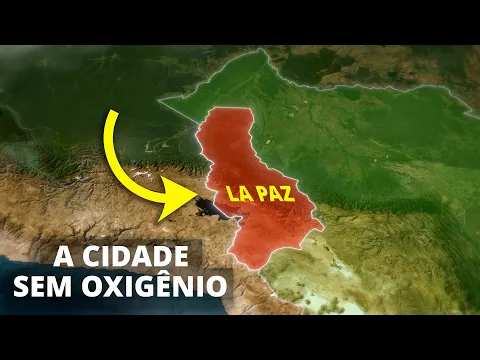
Cities like La Paz and El Alto are home to millions of inhabitants living daily in conditions that, in other parts of the world, would be considered extreme. This characteristic makes Bolivia a unique case of large-scale human adaptation to high altitude.
Economic Impacts That Go Beyond Geography
Altitude directly influences the country’s economic development. High logistical costs, agricultural limitations, and infrastructure challenges make growth slower. On the other hand, geography also drives specific sectors, such as mining and mountain tourism.
The exploration of mineral resources in the Andes and tourism linked to high-altitude landscapes help to offset some of the limitations imposed by the terrain, although they do not eliminate structural challenges.
A Country Adapted to the Extreme
Bolivia demonstrates how entire societies can adapt to harsh environmental conditions. Nevertheless, altitude remains a real limiting factor, affecting everything from public health to economic competitiveness.
Living above 3,600 meters is not just a geographical curiosity. It is a permanent condition that shapes public policies, infrastructure, and the pace of development of an entire country.







-

-

-

-

6 pessoas reagiram a isso.