





 Portuguese
  English
  Spanish
  3 min of reading
  0 comments


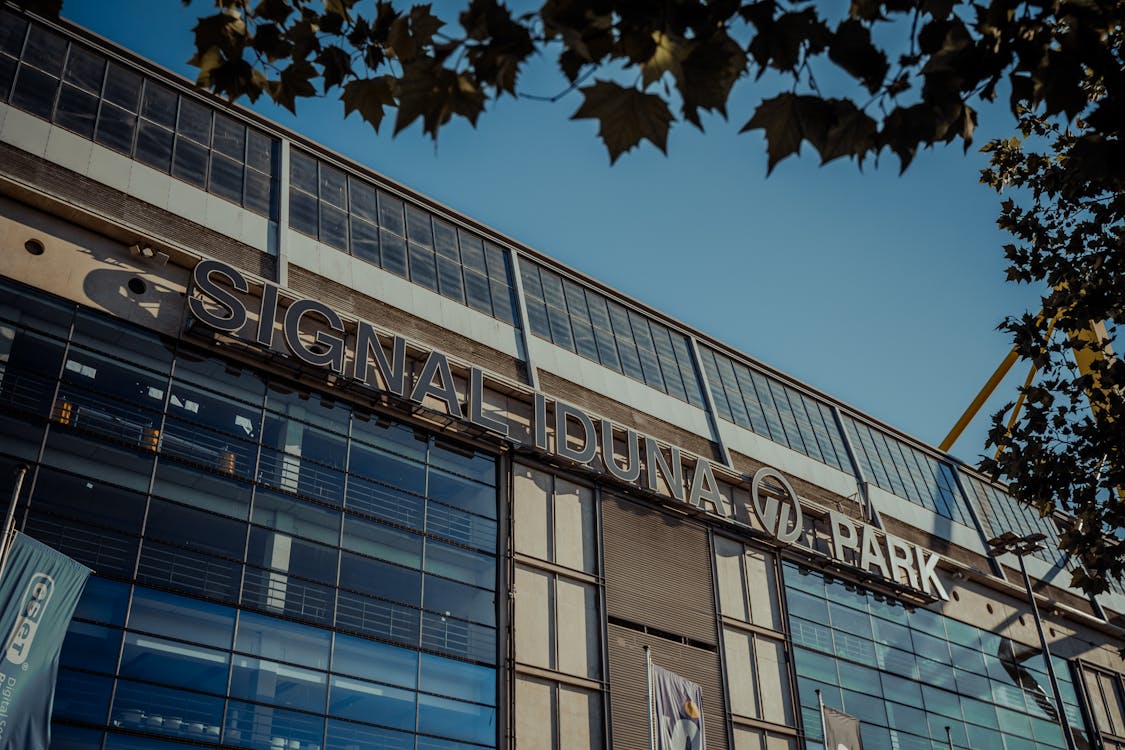
Borussia Dortmund Installs 11 Thousand Solar Panels at SIGNAL IDUNA PARK. System Will Be the Largest in the World at a Stadium, with Capacity of 4.2 MW. See Project Details
Borussia Dortmund is betting high on sustainability. The German club has entered into a six-year partnership with the company RWE to modernize the solar energy system at SIGNAL IDUNA PARK. The goal is to install 11 thousand solar panels and turn the arena into the largest example of renewable energy in European football.
Solar Energy: Unprecedented Expansion
The project anticipates an impressive leap in solar energy generation. The new structure will have 9,500 solar modules on the stadium roof, with a peak power exceeding 4.2 megawatts (MWp).
This represents about 3.36 megawatts of alternating current (MWac). Compared to the previous system, the capacity will be four times greater.
-
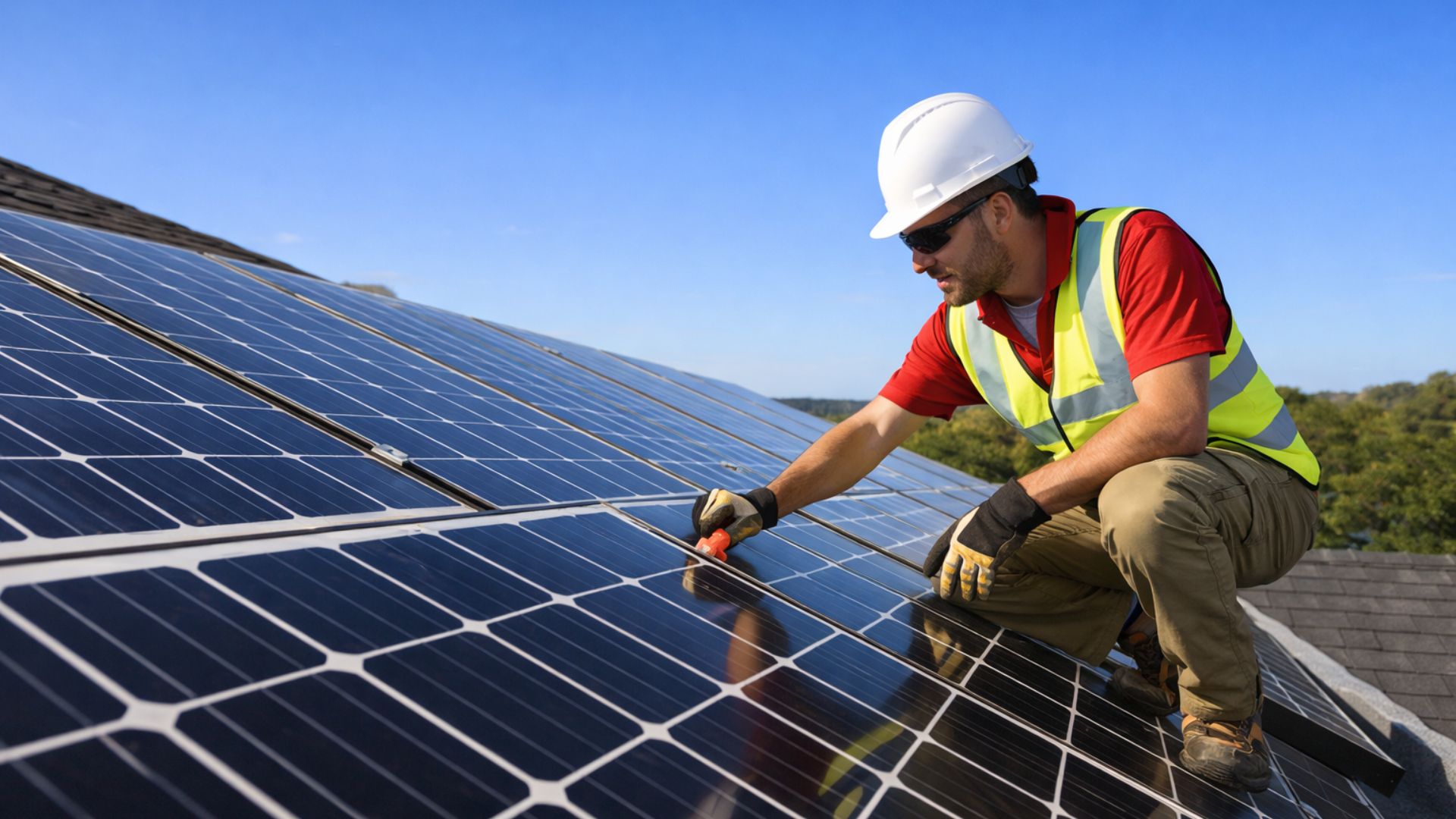
Seagri’s headquarters invests in solar energy with Neoenergia Coelba and promises to cut electricity costs, highlighting a strategic advance in sustainability and energy efficiency within state public administration.
-
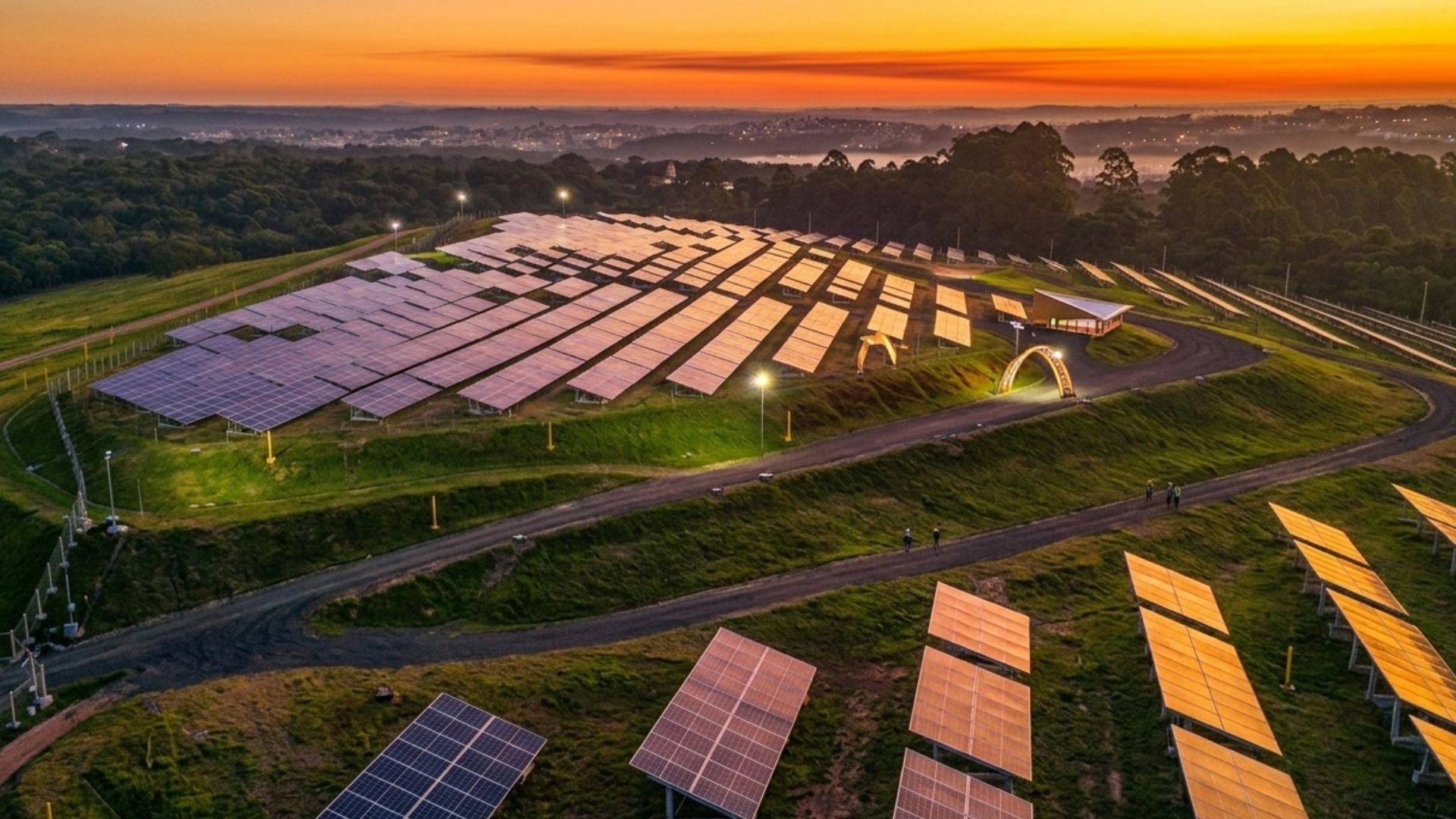
Solar Pyramid draws attention by converting solar energy into million-dollar savings and repositioning the City Hall of Curitiba as an example of innovation, sustainability, and intelligent use of public resources.
-
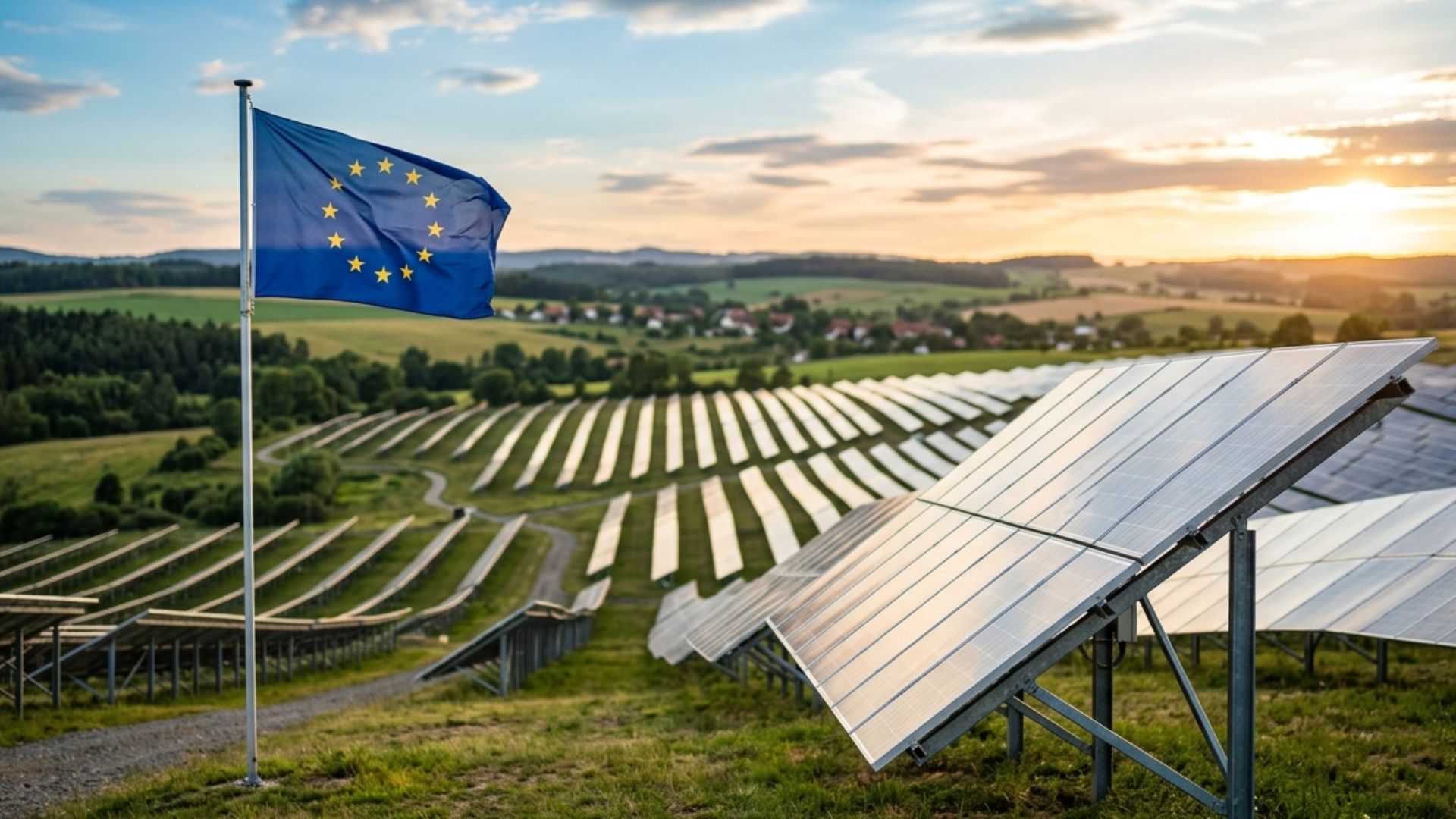
Europe records strong euro economy with solar energy in March and sparks curiosity about which country leads growth that redefines the energy market and reduces costs.
-
Piauí reaches a historic milestone in energy transition: State records nearly 160,000 households powered by solar energy and leads growth in the Northeast.
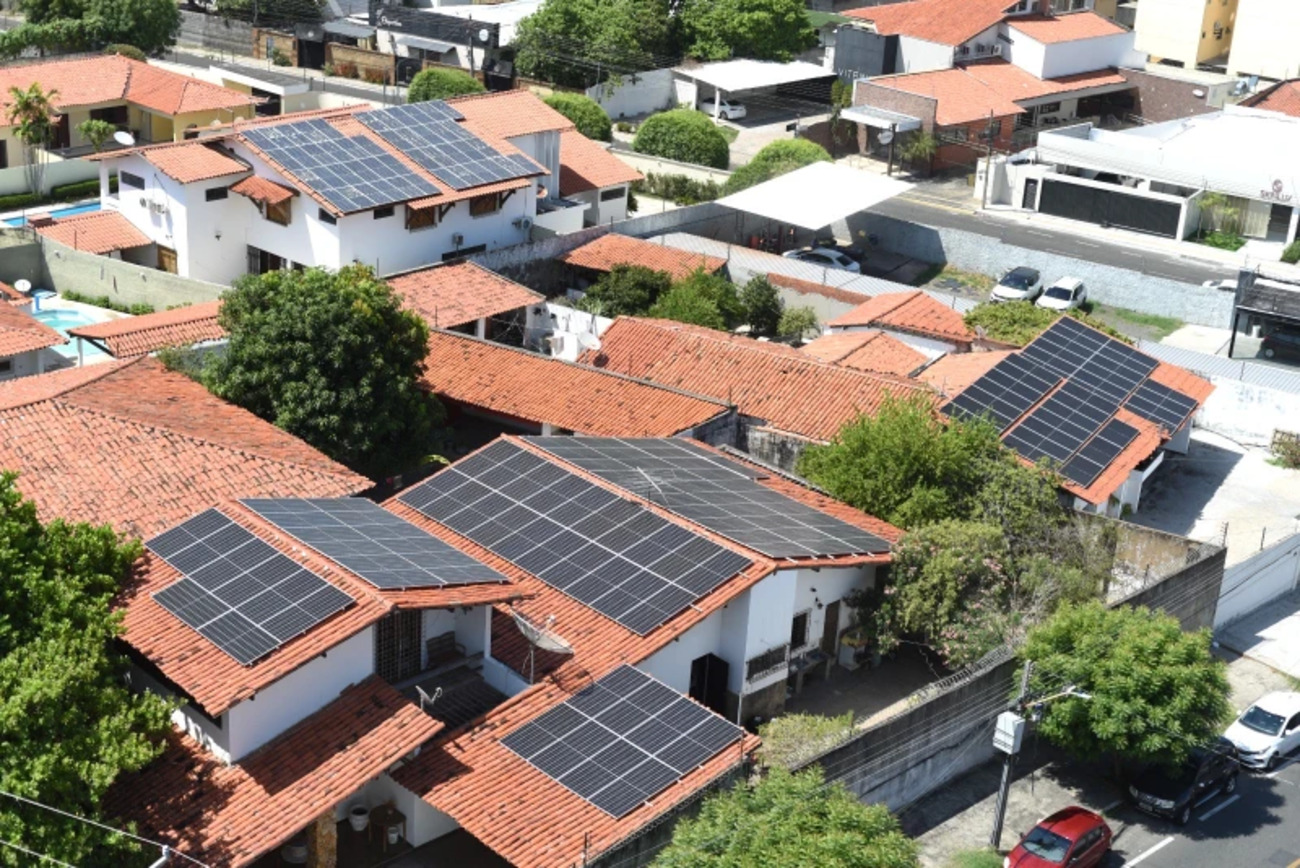

Additionally, the adjacent BVB Fan World building will also receive 226 solar panels, with an additional peak power of 99 kilowatts (kWp). With this, the generated energy will be sufficient to power the stadium even during major games.
Storage for Cloudy Days
To ensure the continuous use of generated energy, even when there’s no sun, the system will be linked to a storage unit with a capacity of 3.4 megawatt-hours (MWh).
This allows for the storage of electricity to be used at night or on days of low solar intensity. The result is more efficiency and less reliance on other sources of energy.
Clean Energy at Games
The electricity produced will be used to power the stadium during Bundesliga matches, the German Cup (DFB Pokal), and the Champions League. This includes lighting, sound systems, big screens, and other energy demands on game days.
When there is a surplus, the solar energy generated will be sent to the regional power grid. This injection contributes to the stability of the local energy system and encourages the use of renewable sources on a larger scale.
The initiative brings financial benefits to the club. The electricity bill will be reduced, and the investment helps protect Borussia Dortmund against fluctuations in energy prices.
At the same time, the project reinforces the club’s environmental commitment and shows that sports can lead to positive changes.
Long-Term Alliance
Markus Krebber, CEO of RWE AG, declared that the goal is to transform the largest stadium in Germany into a model of sustainability. Hans-Joachim Watzke, CEO of Borussia Dortmund, stated that this is an important step towards a more responsible future for the climate.
A Model for the Sports World
The installation of the large-scale photovoltaic system goes beyond football. This initiative:
– Reduces CO₂ emissions by replacing fossil fuels.
– Utilizes underused urban spaces, such as stadium rooftops.
– Stimulates environmental awareness among fans.
– Can serve as an example for other clubs and cities.
– Drives innovation in energy storage technologies.
The partnership between Borussia Dortmund and RWE represents more than just a modernization. It is a change in mindset.
With information from Eco Inventos.








Seja o primeiro a reagir!