





 Portuguese
  English
  Spanish
  4 min of reading
  0 comments


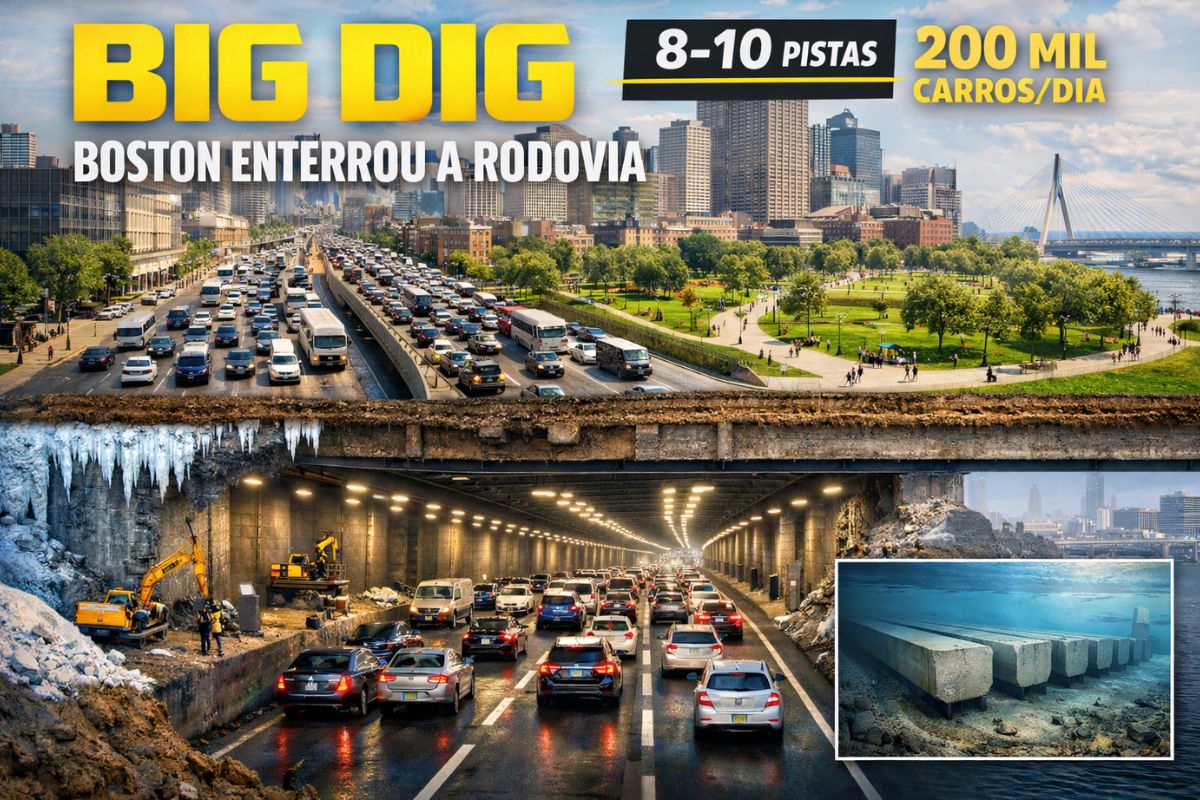
With Giant Tunnels Beneath The City, The Capital Of Massachusetts Buries A Chaotic Elevated Highway, Builds Record Works, Reconnects Neighborhoods And Transforms Traffic, Pollution And Concrete Into Quality Of Life.
Boston decided to do the unthinkable: bury its main highway and create giant tunnels under the city to solve an urban collapse that had lasted for decades. The solution was not a patch, but a deep surgery in the middle of the city’s operation.
The project became known as the Big Dig and forever changed the local urban dynamic. Where there was once congestion, pollution, and social division, today there exists efficient mobility, parks, and reconnecting neighborhoods, a direct result of this radical intervention based on giant tunnels beneath the city.
The Highway That Became A Giant Urban Problem

In the 20th century, Boston invested in the Central Artery, Interstate 93, built in the 1950s as a symbol of modernity. Over time, it became an expensive urban mistake.
-
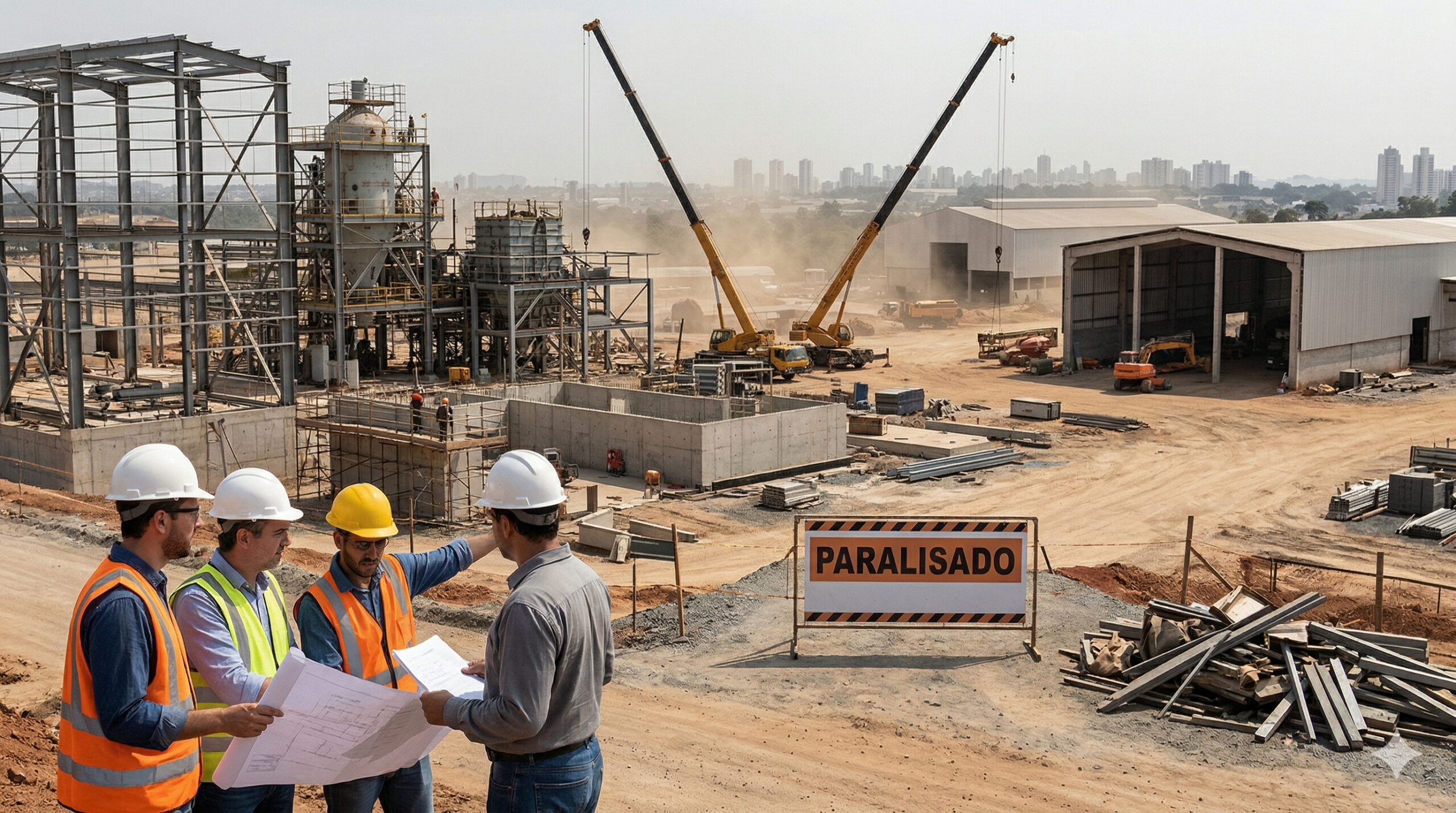
The lack of welders, electricians, and operators becomes a structural threat in 2025, with the construction industry and manufacturing already suffering from delays, cost pressures, and labor shortages in Brazil.
-
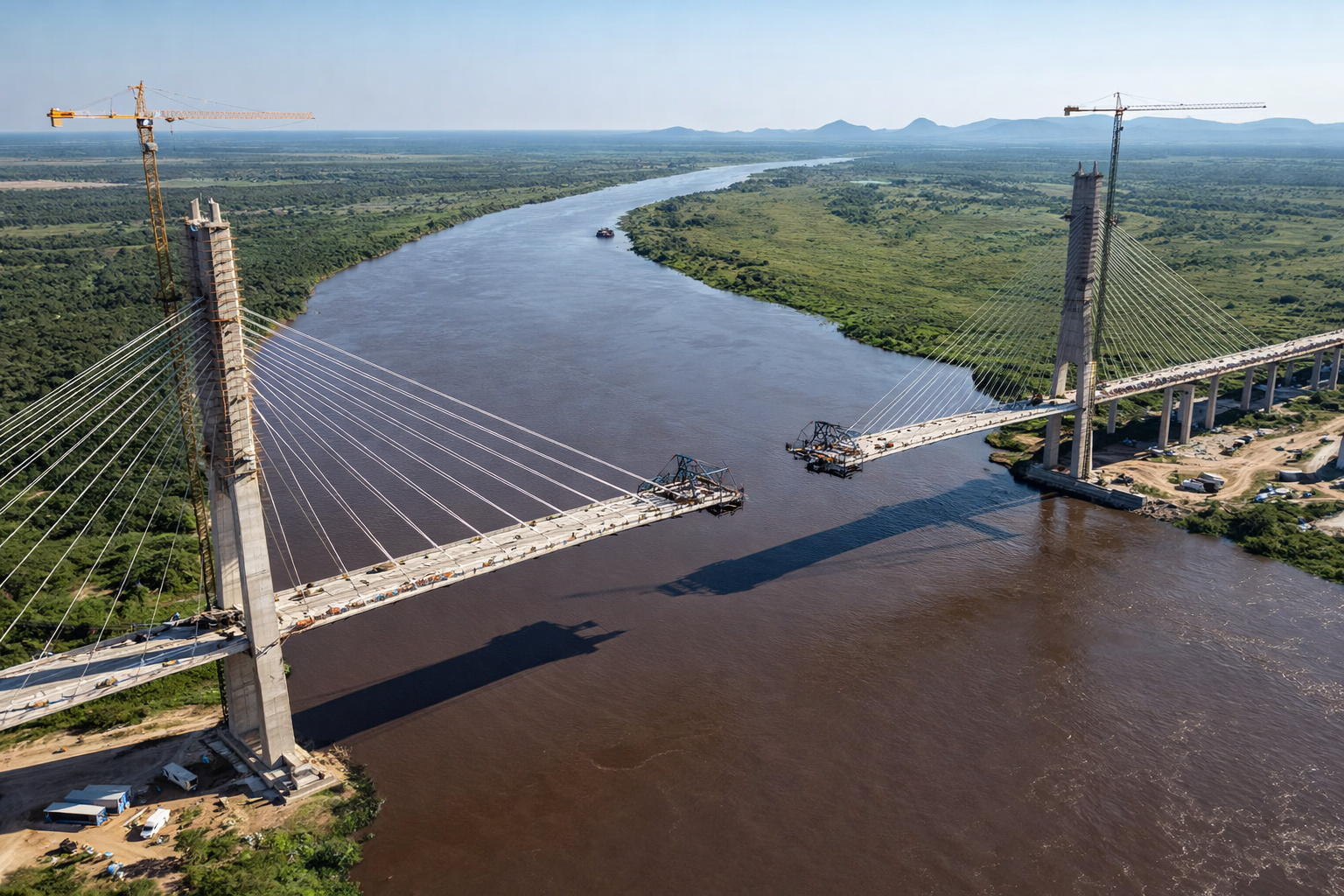
Brazil and Paraguay are just 46 meters away from a historic union on the bioceanic bridge that promises to revolutionize trade between the Atlantic and the Pacific.
-
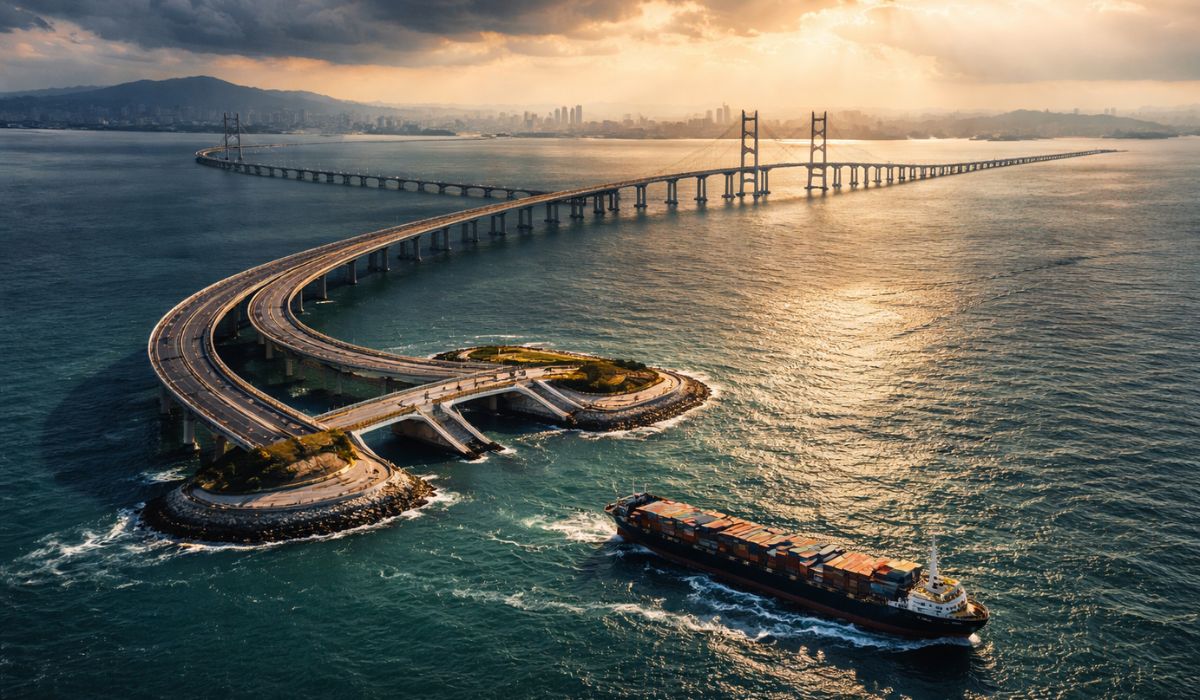
With 55 km over the sea, a cost of US$ 20 billion, and enough steel to build 60 Eiffel Towers, China’s largest project has connected Hong Kong, Zhuhai, and Macau in a colossal bridge that defies the logic of engineering.
-
A trick with joint compound transforms a Styrofoam ceiling into a plaster-like ceiling: leveled panels, wires and mesh at the joints, sand, paint, and change the environment while spending little today.


Designed for 75,000 vehicles, it began to receive around 200,000 cars per day, generating daily traffic jams that totaled more than 10 hours.
In addition to chronic traffic, the elevated structure brought air pollution, constant noise, and accident rates well above the national average. More critically, the highway functioned as a physical barrier, isolating historic neighborhoods and fragmenting the city center.
The Radical Idea Of Digging Giant Tunnels Beneath The City


Faced with the collapse, an extreme proposal emerged: bury Interstate 93 in giant tunnels beneath the city, with eight to ten lanes, going directly underneath the urban center. The proposal sought not only traffic fluidity but also to return the surface of the city to the people.
The official plan, called the Central Artery and Tunnel Project, quickly gained the nickname Big Dig. The complexity was enormous.
Digging giant tunnels beneath the city meant dealing with active subways, pipelines, power cables, and historic foundations, all without paralyzing Boston.
Engineering At The Limit Of The Possible

Construction began in 1991 and required unprecedented solutions. One of the first milestones was the Ted Williams Tunnel, nearly 3 km long, connecting South Boston to Logan Airport beneath the harbor.
Giant sections of steel and concrete were manufactured outside the city, towed, sunk, and connected at the bottom of the sea with millimeter precision.
In the urban center, the challenge was even greater. To protect active subway lines, engineers resorted to soil freezing, creating frozen earth walls that allowed safe excavations just below the city. This method was crucial in making the giant tunnels beneath the city viable without interrupting urban life.
The Record-Breaking Cable-Stayed Bridge That Became A Symbol

As the tunnels advanced underground, a new icon emerged on the surface. The Bunker Hill Bridge, with its cable-stayed design and imposing towers, became a symbol of transformation.
With ten lanes, it is the widest cable-stayed bridge in the world, uniting engineering, functionality, and visual identity.
Demolition, Parks, And Urban Reconnection
Starting in 2003, traffic was transferred to the giant tunnels beneath the city. Shortly after, the demolition of the old elevated highway began.
The sunlight returned to streets that had lived in shadow for decades, and neighborhoods that were previously separated began to connect again.
In place of concrete, the Rose Fitzgerald Kennedy Greenway was born, a green corridor with parks, gardens, fountains, and public spaces. Where there was an endless traffic jam, today there are people walking, cultural events, and community areas.
A Controversial Yet Transformative Project
The Big Dig faced delays, leaks, and costs far exceeding initial estimates. It was a controversial and exhausting project for the population for years. Still, the final result is clear. Travel times decreased, the air became cleaner, and the city gained a new urban heart.
Boston proved that giant tunnels beneath the city can be more than just roadworks. They can be tools for urban reconciliation, capable of healing historical scars and returning the city to the people. Would you have the courage to bury an entire highway to transform your city?








-

-

2 pessoas reagiram a isso.