





 Portuguese
  English
  Spanish
  4 min of reading
  0 comments



Bradesco Decision Affects 844 Bank Employees in the Investments Area and 50 in the Treasury, Who Will Have to Return 100% to In-Person Work in January 2026, While Union Points Out Discontent, Demands Adequate Structural Conditions, and Criticizes Attempts for Greater Control Over Employees’ Daily Routines in São Paulo and Surrounding Areas.
Bradesco announced that it will end remote work for almost 900 employees from two departments starting January 2 and 5, 2026, requiring a full return to in-person work. This decision primarily affects the investments area and one division of the bank’s treasury, according to the Union of Bankers and Financial Workers of São Paulo, Osasco, and Surrounding Areas.
According to the UOL portal, the announcement was made in stages over the week, with prior notices to hundreds of bank employees currently working remotely. The measure reignited the internal debate about Bradesco’s work policy, at a time when about 50% of the more than 82,000 bank employees remain in a hybrid model, splitting their schedules between home and office.
Who Will Be Required to Return to In-Person Work
On Monday, the 1st of this week, Bradesco informed 844 employees from the investments department that starting January 2, 2026, all will be required to work exclusively in-person.
-
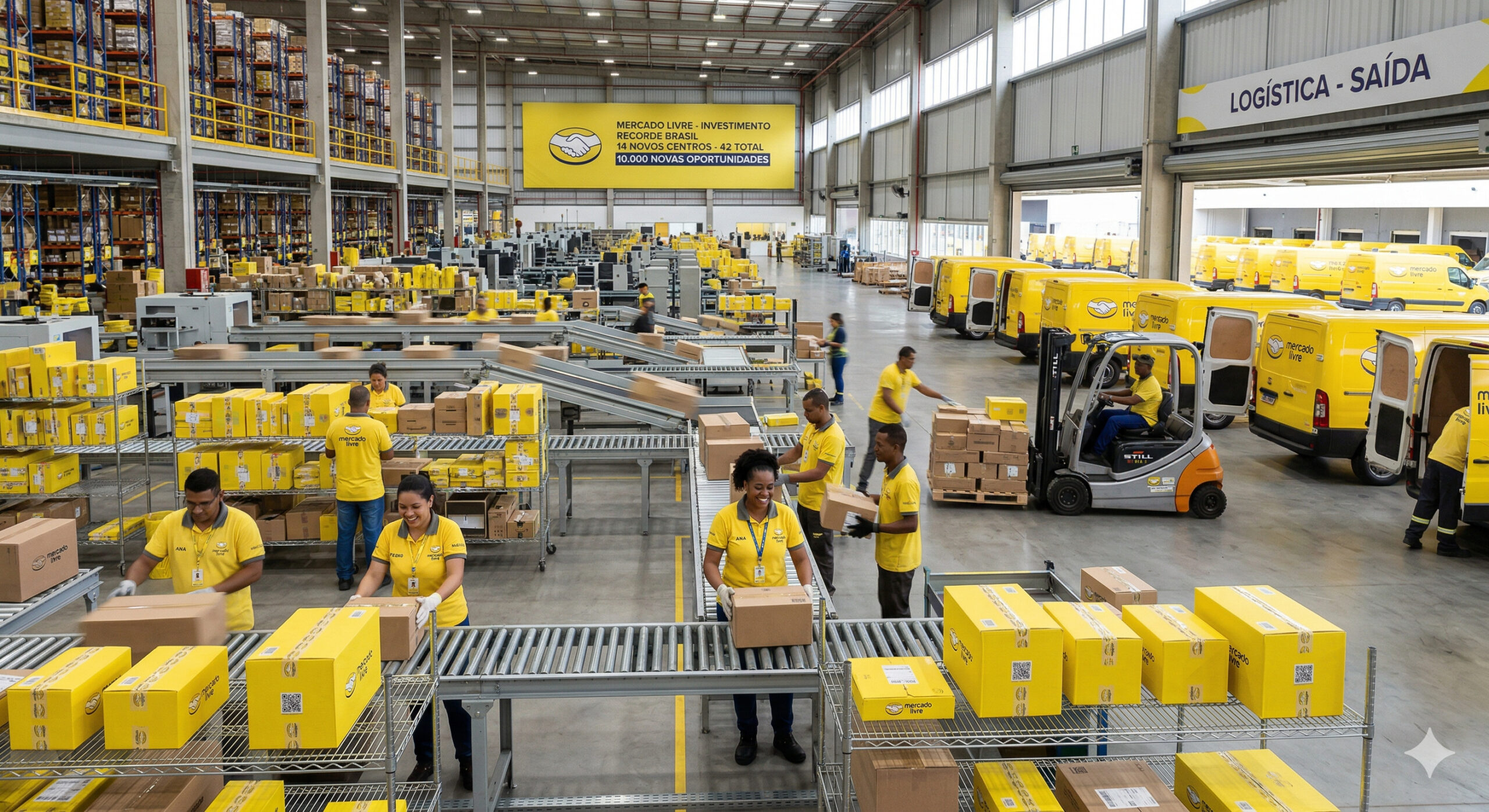
Mercado Livre “opens the vault” and announces a record investment of R$ 57 billion in Brazil in 2026, a value 50% higher than the previous year, with an expansion plan that includes 14 new logistics centers, totaling 42 units in the country and hiring an additional 10,000 employees.
-
How investment in technology can revolutionize the national economy and enhance industrial gains, according to a study that highlights the direct impact on productivity, innovation, and wealth retention within Brazil.

-
The largest food company on the planet, JBS, has just opened a 4,000 square meter laboratory in Florianópolis to develop customized proteins that modulate muscle mass gain, immune response, and metabolic performance.

-
After nearly 30 bids and competition among industry giants, a Spanish company purchases one of the largest airports in Brazil for almost R$ 3 billion and takes over the management of Galeão in a concession that will last until 2039.


According to the union, the notification complied with the deadline set in the Collective Labor Agreement, which requires prior notice for changes in work regimes.
On Wednesday, the 3rd, Bradesco broadened the initiative and decided to end remote work in one of the three divisions of the treasury as well.
This change affects 50 employees, who will have to return to the office starting January 5, 2026, physically concentrating teams that currently work remotely on sensitive bank operations.
Union Sees Discontent and Demands Structure
For the Union of Bankers in São Paulo, Osasco, and Surrounding Areas, the way Bradesco defined the end of remote work generated dissatisfaction, especially among treasury employees.
The director of the Fiscal Council of the union and a bank employee at Bradesco, Vanderlei Alves, reports that many of these workers do not clock in and have always had the flexibility to work from anywhere, which increases the feeling of loss of autonomy.
According to him, bank employees became discontented upon learning they would have to return 100% to in-person work, as the bank acknowledges the commitment of the teams but signals that it desires to regain greater control over employees’ daily routines.
The union states it is monitoring the entire process and that the return must occur with adequate structural and organizational conditions, such as sufficient workstations, ergonomics, and environments compatible with the workload of these areas.
What Bradesco Says About the End of Remote Work
In a statement sent to the press, Bradesco affirmed that the definition of work routines in the areas is made by each team’s leadership, which determines the ideal number of in-person and remote days according to operational needs.
The bank seeks “balance between in-person and remote work, focusing on productivity and the well-being of people” and emphasizes that there will be space to accommodate all workers affected by the decision.
According to the institution, about half of the total workforce remains in a hybrid model, which, in the bank’s assessment, shows that the strategy is not of a generalized return, but of specific adjustments in certain sectors, like investments and treasury.
However, for the union, the way Bradesco focused these changes in these areas fuels the perception that the goal is to increase surveillance over teams that handle higher risk and financial volume operations.
Changes in Remote Work Go Beyond Bradesco
The movement from Bradesco occurs in a broader context of reviewing remote work policies in the financial system.
In early November, Nubank announced it would stop adopting a predominantly remote model to switch, starting next year, to a hybrid format.
The change at Nubank was met with resistance from employees and sparked protests during a live presentation by founder and CEO David Vélez, attended by over seven thousand people.
Following the incident, 12 employees were dismissed for just cause and two others were subsequently terminated, which heightened the atmosphere of tension surrounding the discussion about remote work and the pressure for a return to in-person work in major financial institutions.
And you, how do you evaluate Bradesco’s decision to end remote work for these sectors starting in 2026, does the bank have reason to demand full presence or is it enforcing excessive control over employees’ routines?










-

-

-

4 pessoas reagiram a isso.