





 Portuguese
  English
  Spanish
  3 min of reading
  0 comments


The Gross Domestic Product (GDP) of Brazil registered a 3.4% rise in 2024, driven by the services and industry sectors.
The economic performance of Brazil was directly influenced by various factors throughout the year. According to data from IBGE, GDP reached R$ 11.7 trillion in 2024, reflecting growth of 3.7% in the services sector, driven by technology, communication, and tourism. The industry grew by 3.3%, with emphasis on construction, which maintained steady growth. On the other hand, agriculture recorded a contraction of 3.2%, mainly due to adverse weather events, such as droughts and floods occurring between June and September 2024. At the same time, household consumption increased by 4.8%, significantly contributing to the support of economic growth. However, in the fourth quarter of 2024, growth slowed to 0.2%, highlighting a more subdued pace in the economy, according to a report from the Central Bank published in February 2025.
Sectors That Driven the Economy
Services: The Pillar of Economic Growth
The services sector was the main driver of GDP expansion, representing a significant share of the Brazilian economy. The information and communication technology grew by 6.2%, driven by digitalization and the expansion of connectivity. Other service activities grew by 5.3%, consolidating the sector’s importance in the economic context. Similarly, retail and wholesale trade grew by 4.1%, further strengthening domestic demand. According to the National Confederation of Trade (CNC), this growth was more pronounced in the second half of 2024.
Industry: Construction as a Highlight
The industry maintained a recovery trajectory, reinforcing its relevance to the national economy. The construction sector grew by 4.3%, driven by increased credit availability and new investments. Industrial production also showed growth, fueled by rising domestic demand. Data from the Federation of Industries of the State of São Paulo (FIESP) indicate that growth was more intense in the last months of 2024, reflecting the strengthening of productive sectors.
-
How investment in technology can revolutionize the national economy and enhance industrial gains, according to a study that highlights the direct impact on productivity, innovation, and wealth retention within Brazil.

-
The largest food company on the planet, JBS, has just opened a 4,000 square meter laboratory in Florianópolis to develop customized proteins that modulate muscle mass gain, immune response, and metabolic performance.

-
After nearly 30 bids and competition among industry giants, a Spanish company purchases one of the largest airports in Brazil for almost R$ 3 billion and takes over the management of Galeão in a concession that will last until 2039.

-
The Federal Revenue Service now automatically cross-references everything you declare with data from banks, credit cards, brokerage firms, and insurance companies, and any discrepancy between your income and your expenses triggers an alert in seconds.


Agriculture: Impacts and Challenges
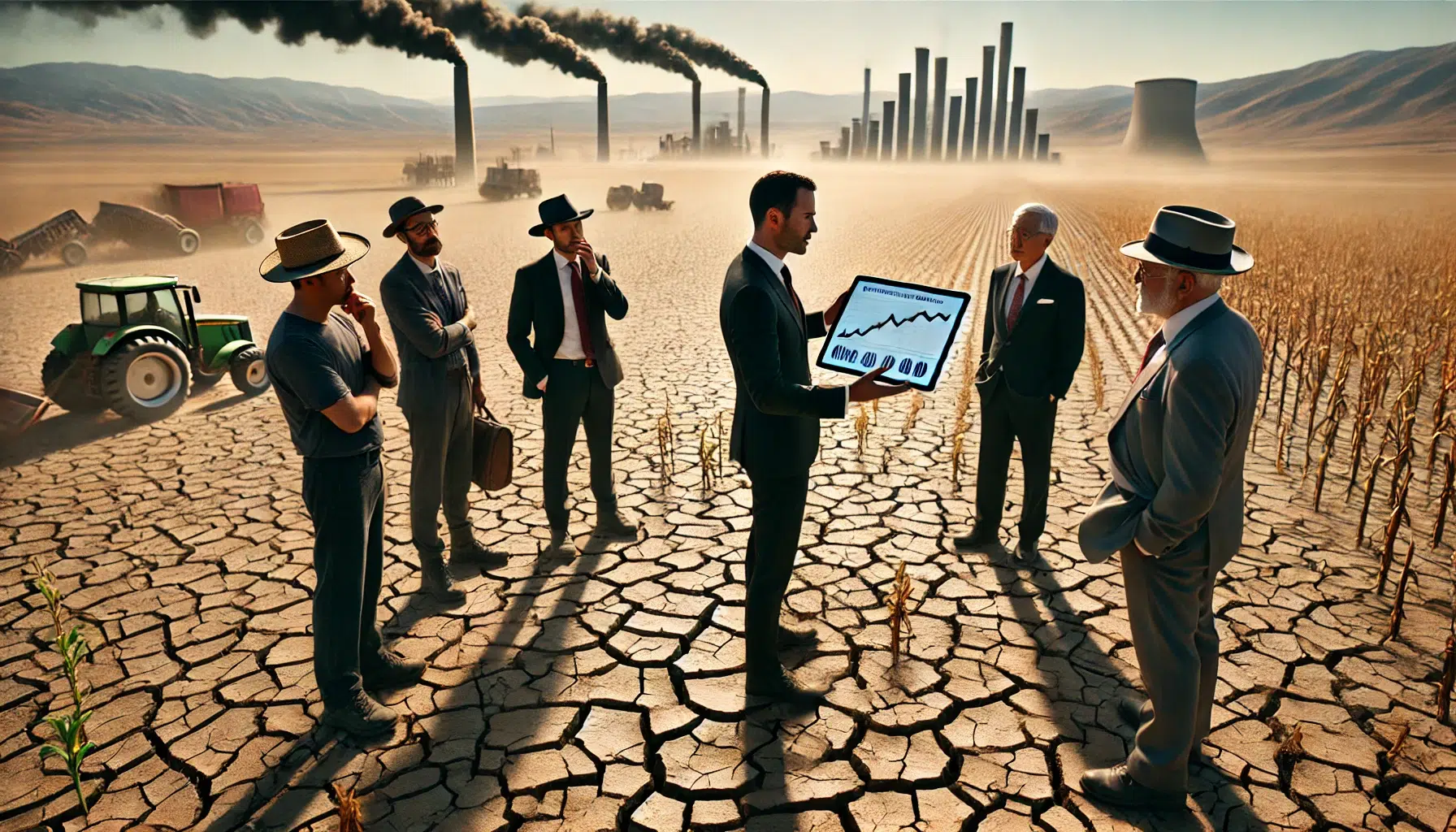
Agriculture, historically one of the most dynamic sectors of GDP, faced significant challenges in 2024. After growing 15.1% in 2023, the sector experienced a decline of 3.2% due to climatic instabilities and fluctuations in commodity prices. Moreover, extreme events such as droughts and floods compromised agricultural production, requiring adjustments in the sector to mitigate risks. The Ministry of Agriculture, in its report from December 2024, indicated that the climatic impact was one of the main factors limiting agribusiness growth.
Factors Influencing the Economy
Selic Rate and Monetary Policy
Monetary policy played a crucial role in the economic performance of 2024, serving as an adjustment factor to control inflation and credit supply. The Central Bank raised the Selic rate to 13.25% per year in January 2024, directly affecting consumption and investments. This increase led companies and consumers to adopt a more cautious approach, impacting credit-dependent sectors. The impact of the elevated Selic rate will be monitored throughout 2025, according to guidelines from the National Monetary Council (CMN).
Inflation and Purchasing Power
Inflation continued to pose a significant challenge, affecting family budgets and restricting consumption in various areas. Data from the National Index of Consumer Prices (IPCA) reveals that inflation closed 2024 at 5.6%, being one of the main economic concerns. Food costs remained high, according to a report from the Ministry of Finance published in February 2025.
Projections for 2025: What to Expect?
Analysts indicate more moderate growth for 2025, requiring strategic planning to maintain economic stability. The Ministry of Finance estimates a 2.3% advance in GDP, while the Central Bank projects growth of 2.1%. Meanwhile, the financial market, according to the Focus report, forecasts a GDP of 2.01% in 2025. These projections were revised in March 2025 to reflect the impact of monetary and fiscal policies.
The Brazilian economy showed solid growth in 2024, with strategic sectors driving GDP, despite challenges faced by agribusiness and the impact of inflation. However, signs of slowdown in the last quarter of 2024 indicate the need for economic adjustments. The market’s attention will remain focused on the government and Central Bank decisions, as indicated by the Macrofiscal Bulletin of the Ministry of Finance, published in February 2025. In light of this scenario, the balance between fiscal and monetary policies will be essential to maintain a sustainable growth trajectory in 2025.







Seja o primeiro a reagir!