





 Portuguese
  English
  Spanish
  6 min of reading
  14 comments


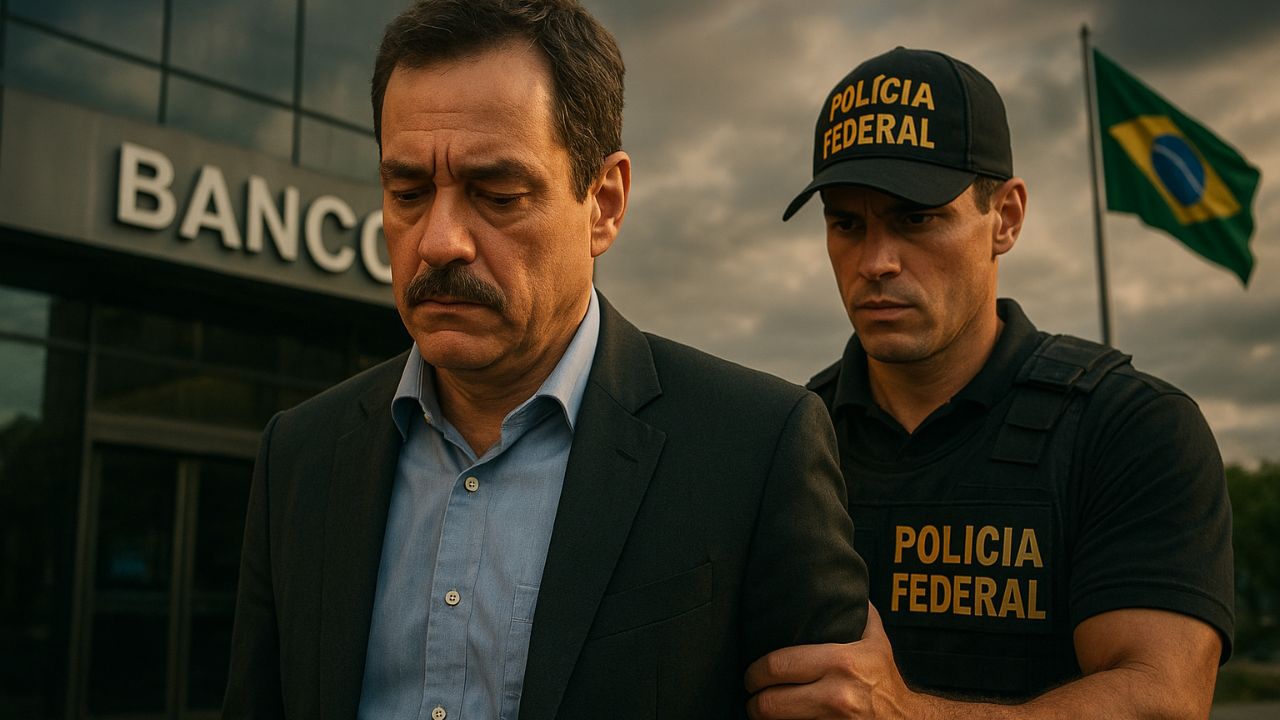


Director Was Fooled by Nigerian Scammers, Paid US$ 12 Million to a Spiritual Leader and Ended Up Arrested; Understand the Case That Marked History and Is Detailed by the Global Knowledge Channel as the Biggest Bank Fraud in Brazil.
The acquisition of a bank is a complex process that involves rigorous financial analyses, known as due diligence. It was exactly during one of these audits, in 1997, that the Spanish bank Santander, while negotiating the purchase of Banco Noroeste, discovered a deficit that would enter history. What appeared to be a US$ 500 million transaction to acquire a healthy financial institution turned out to be the stage of the biggest bank fraud in Brazil, a scheme that diverted US$ 242 million, more than half of Noroeste’s assets.
The case, thoroughly dissected by the Global Knowledge channel, is not just about numbers. The plot involves an experienced executive, Nelson Tetsuo Sakaguchi, who was seduced by a false investment promise in Nigeria, an international hunt for the money, lawsuits in multiple countries, and a surprising element: the diversion of millions of dollars to a spiritual leader in a desperate attempt to recover the lost amount. The story exposed control failures and human vulnerability in the face of ambition and deception.
The Discovery: The Deficit in the Offshore Accounts
In the late 90s, Santander was in full expansion in Brazil and saw the acquisition of Banco Noroeste as a strategic opportunity. Noroeste was a consolidated institution, especially in the state of São Paulo, with more than 70 branches. As per protocol, before closing the deal, Santander’s auditors delved into Noroeste’s accounting books. That was when the alarm rang: half of the bank’s assets, around US$ 250 million, were registered at the Cayman Islands branch.
-
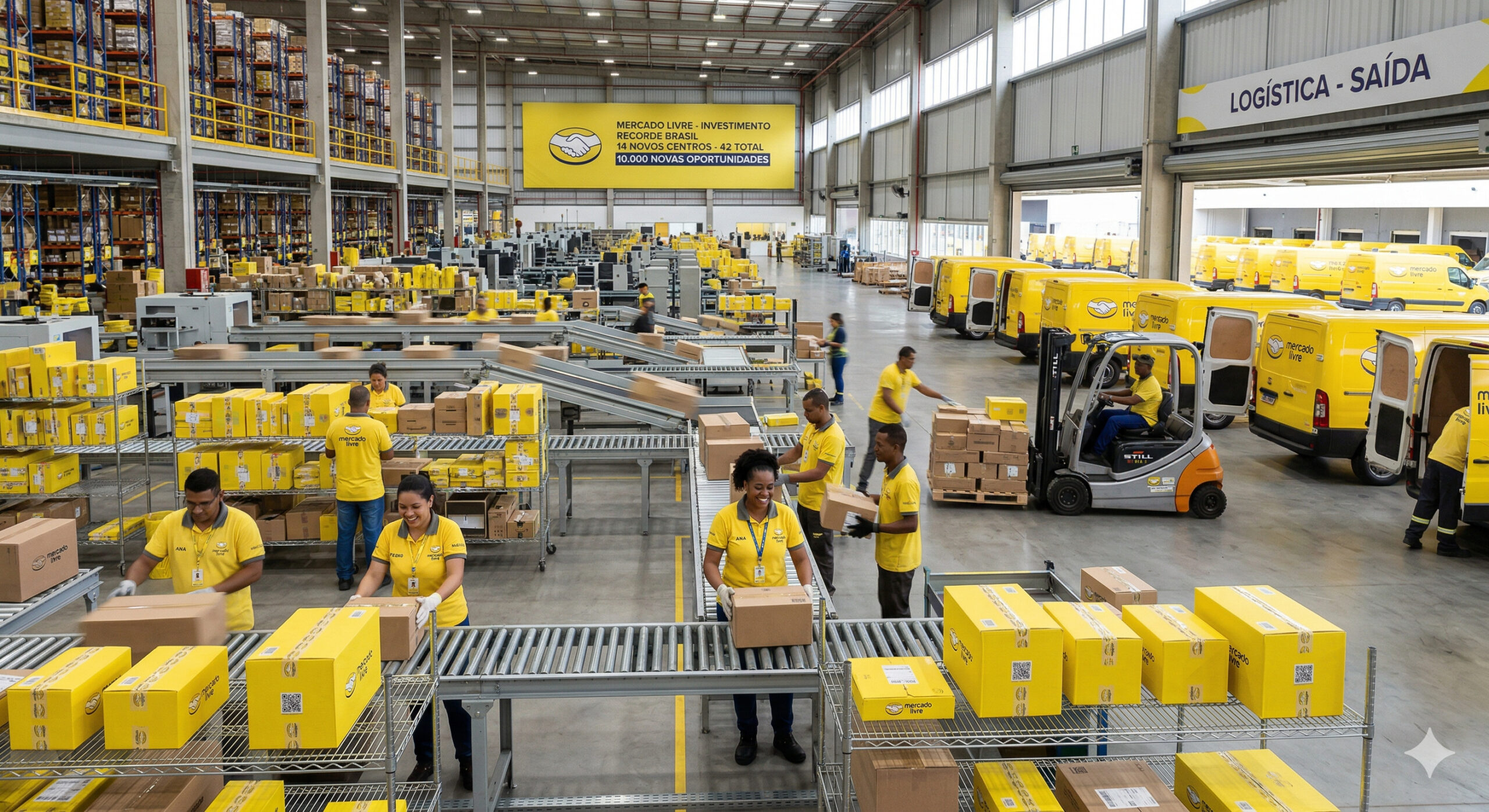
Mercado Livre “opens the vault” and announces a record investment of R$ 57 billion in Brazil in 2026, a value 50% higher than the previous year, with an expansion plan that includes 14 new logistics centers, totaling 42 units in the country and hiring an additional 10,000 employees.
-
How investment in technology can revolutionize the national economy and enhance industrial gains, according to a study that highlights the direct impact on productivity, innovation, and wealth retention within Brazil.

-
The largest food company on the planet, JBS, has just opened a 4,000 square meter laboratory in Florianópolis to develop customized proteins that modulate muscle mass gain, immune response, and metabolic performance.

-
After nearly 30 bids and competition among industry giants, a Spanish company purchases one of the largest airports in Brazil for almost R$ 3 billion and takes over the management of Galeão in a concession that will last until 2039.

The problem, however, was serious. When checking the cash at that branch, the auditors found only US$ 7 million. The difference was colossal, and no one on the board could explain the whereabouts of the money. The person responsible for the international area and for the branch in the tax haven was Nelson Sakaguchi, who conveniently happened to be on vacation. The pressure on him began as soon as he returned, culminating in a confession that would initiate an unprecedented scandal in the national financial system.
The Nigerian Scam: The False Promise of an Airport
It all started in 1995 with a fax. As detailed by the investigation from the Global Knowledge channel, a gang led by Emmanuel Nwude, then director of Union Bank of Nigeria, took advantage of the optimistic economic moment in the African country to devise a sophisticated scam. They created a false investment invitation for the construction of an airport in Nigeria’s new capital, Abuja, and sent it to banks around the world. One of those faxes reached the desk of Nelson Sakaguchi at Banco Noroeste.
Intrigued by the proposal, Sakaguchi responded, asking for more information. From there, the gang put the second phase of the plan into action. The Brazilian executive was invited to a meeting in London, where he was received with extreme luxury, including limousines and accommodations in top-tier hotels. There, he was introduced to a delegation of alleged Nigerian authorities, including a man impersonating the president of the country’s central bank, none other than Emmanuel Nwude. They offered Sakaguchi a generous personal commission, which was enough to convince him to sign the contract without informing his superiors.
The Gears of Fraud: Years of Diversions and Fictitious Accounting
After the meeting in London, Sakaguchi made the first transfer of US$ 4 million, sealing his fate. In the following three years, between 1995 and 1997, the executive made 93 transfers to the scammers, who continuously presented new expenses, such as fees, taxes, and bribes. To avoid raising suspicions, Sakaguchi kept the amount of each transaction below US$ 6 million, an amount that did not require authorization from other directors, exploiting a loophole in Noroeste’s internal controls.
To cover up the growing deficit, he recorded fictitious profits generated by the supposed investment in the airport in the accounting records. This maneuver not only hid the diversions during internal audits but also artificially inflated the bank’s capital. The scheme was meticulous and was only discovered because of Santander’s external audit. The total diverted to Nigeria reached US$ 192 million of the US$ 242 million total deficit.
From Despair to Spiritual Leader: The Trail of US$ 12 Million for Rituals
When the fraud was exposed by the audit, Sakaguchi, pressured by colleagues, finally confessed the “investment” and tried to calm the nerves, saying that the financial return was imminent. At this point, the case ceased to be an administrative problem and became a police matter. It was during the investigations that the most bizarre details came to light. Investigators discovered transfers totaling more than US$ 12 million to a woman named Maria Rodrigues da Silva.
The investigation revealed that she was a spiritual leader, head of the Umbanda house Caboco de Fogo. Apparently, upon realizing he had fallen for a scam and desperate to recover the bank’s money before anyone else found out, Sakaguchi sought spiritual help. He approached her to perform “work” that would bring the investment back. The spiritual leader, according to reports, began to demand increasingly larger amounts for the purchase of thousands of animals for the rituals, leading the executive to fall into a second scam, this time within Brazil.
The International Hunt and the Recovery of the Money
With the deal with Santander threatened, the owners of Banco Noroeste, the Cochrane and Simonsen families, agreed to deduct the loss from the sale price and hired the renowned investigation agency Kroll Associates to trace the money. The investigation uncovered a complex money-laundering network that passed through banks in the UK, Switzerland, Hong Kong, and the United States.
Nonetheless, the hunt was successful. The gang leader, Emmanuel Nwude, and his accomplices were located. They had used the money to buy mansions, and Nwude even became the largest individual shareholder of the bank where he worked. Thanks to international cooperation, the scammers were prosecuted and convicted in Nigeria. Nelson Sakaguchi was arrested in New York in 2002, extradited to Switzerland, where he served time for money laundering, and later convicted in Brazil in 2014. Surprisingly, a large part of the amount was recovered as the criminals invested in real estate that appreciated over time.
A Legacy of Warnings and Consequences
The case of the biggest bank fraud in Brazil is a study on how personal ambition and failure of corporate governance can bring a financial institution to the brink of collapse. The fate of Nelson Sakaguchi was tragic: after serving his sentence, he returned to Brazil and, according to reports at the time, faced severe financial difficulties, having to sell all his belongings to survive. This reinforces the thesis that he was more of a deceived victim than a mastermind of the crime.
The story of Banco Noroeste raises important questions about internal controls, executive accountability, and human nature in the face of promises of easy gain. Do you believe that Sakaguchi’s ambition makes him as guilty as the scammers, or was he primarily a victim of a very well-crafted scheme? What is your opinion on a high-level executive resorting to such desperate measures? Leave your point of view in the comments; we want to understand how you view the complexities of this case.







Outra fraude na CPMF, era criar conta de tesouraria sem marcação da alíquota incidente, que permitia excluir e sonegar parte dos valores transacionado, sem passar pela conta do pagador de títulos em benefício de terceiros. Naquela época dizia-se que aquela contribuição era insonegável. Haja criatividade criminosa.
… transacionado…
Em menor escala, depósitos fraccionados para ultrapassar R$ 10 mil e escapar da exigência de declaração de origem e destino do valor transferido, era utilizado em lavagem de dinheiro de origem ilícita, como foi constatado nas transferências do caso Queirós.
A ganância do brasileiro o fez cair. Acho tão **** quantos os demais.