





 Portuguese
  English
  Spanish
  5 min of reading
  12 comments


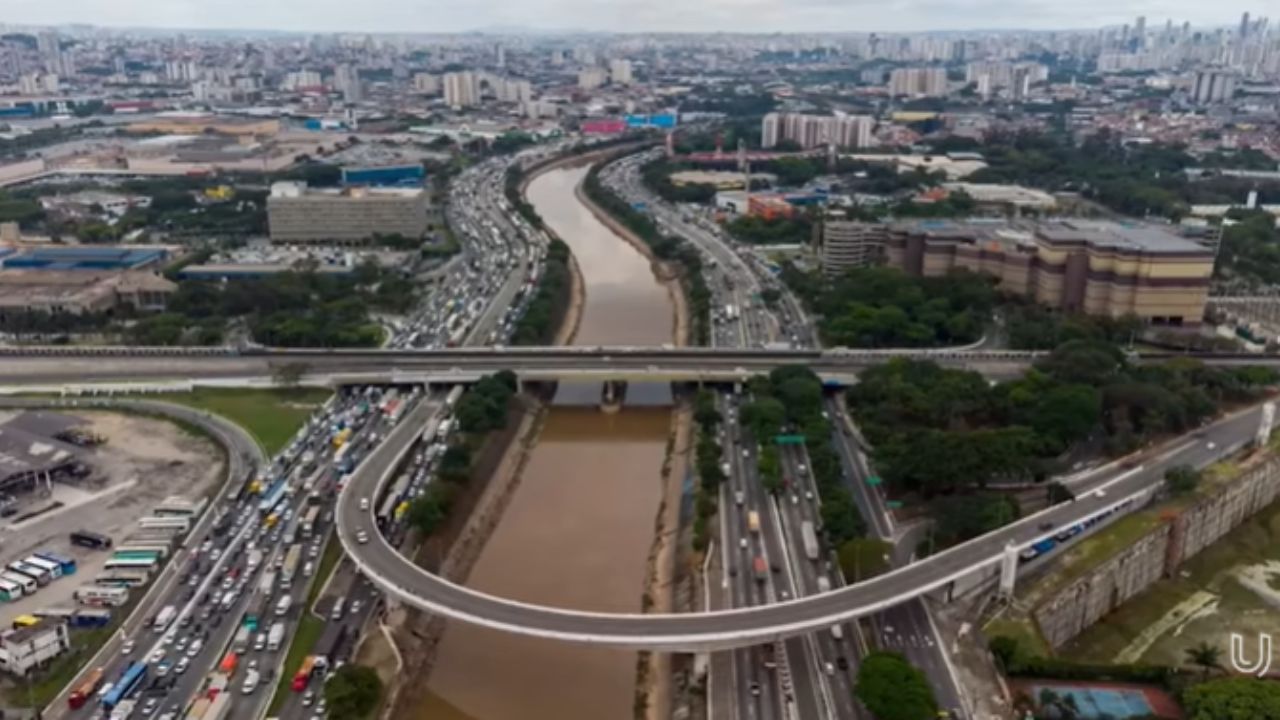


Project Promises to Remove 84,000 Vehicles from Marginal Tietê and Connect Guarulhos Airport; Understand the Timeline and Technical Challenges of the Final Stretch.
The Mário Covas Ring Road, historically awaited as the definitive solution to traffic in Greater São Paulo, has finally entered its decisive phase of execution. According to detailed analyses from the channel Urbana, the most complex highway in Brazil is moving from the realm of promises and advancing with accelerated work fronts, especially between the Presidente Dutra Highway and Fernão Dias. This monumental project aims to complete the ring road of the largest metropolis in the southern hemisphere, connecting vital logistics corridors without forcing heavy traffic to cross the urban core.
With a partial delivery forecast for the end of 2025 and total completion projected for the second half of 2026, the construction site has transformed into a true engineering laboratory in Latin America. The structure includes deep tunnels, successive viaducts, and direct access to Guarulhos International Airport, designed to relieve the burden of trucks on the roads. However, for this most complex highway in Brazil to fully function, there are still critical finishing stages, technological integration, and structural corrections from previous phases that need to be overcome.
The Engineering Challenge in the Northern Stretch
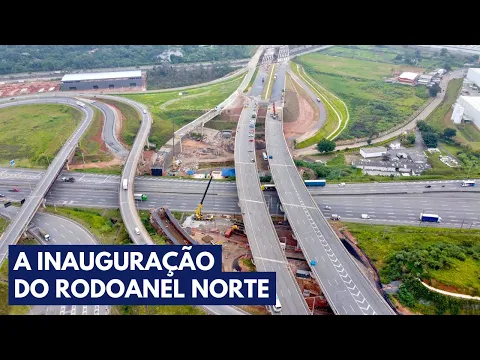

The Northern Stretch represents a scale change for the entire Ring Road project. There are 44 km designed to connect the Western segment and Dutra, passing through São Paulo, Guarulhos, and Arujá. The complexity arises because the route crosses the Serra da Cantareira, requiring a robust package of special engineering works. More than a hundred structures are being completed, including cable-stayed and conventional viaducts, bridges over tight valleys, and twin tunnels on hillside slopes. The technical objective is to overcome the rugged terrain and established urban areas with minimal impact on environmental preservation zones.
-
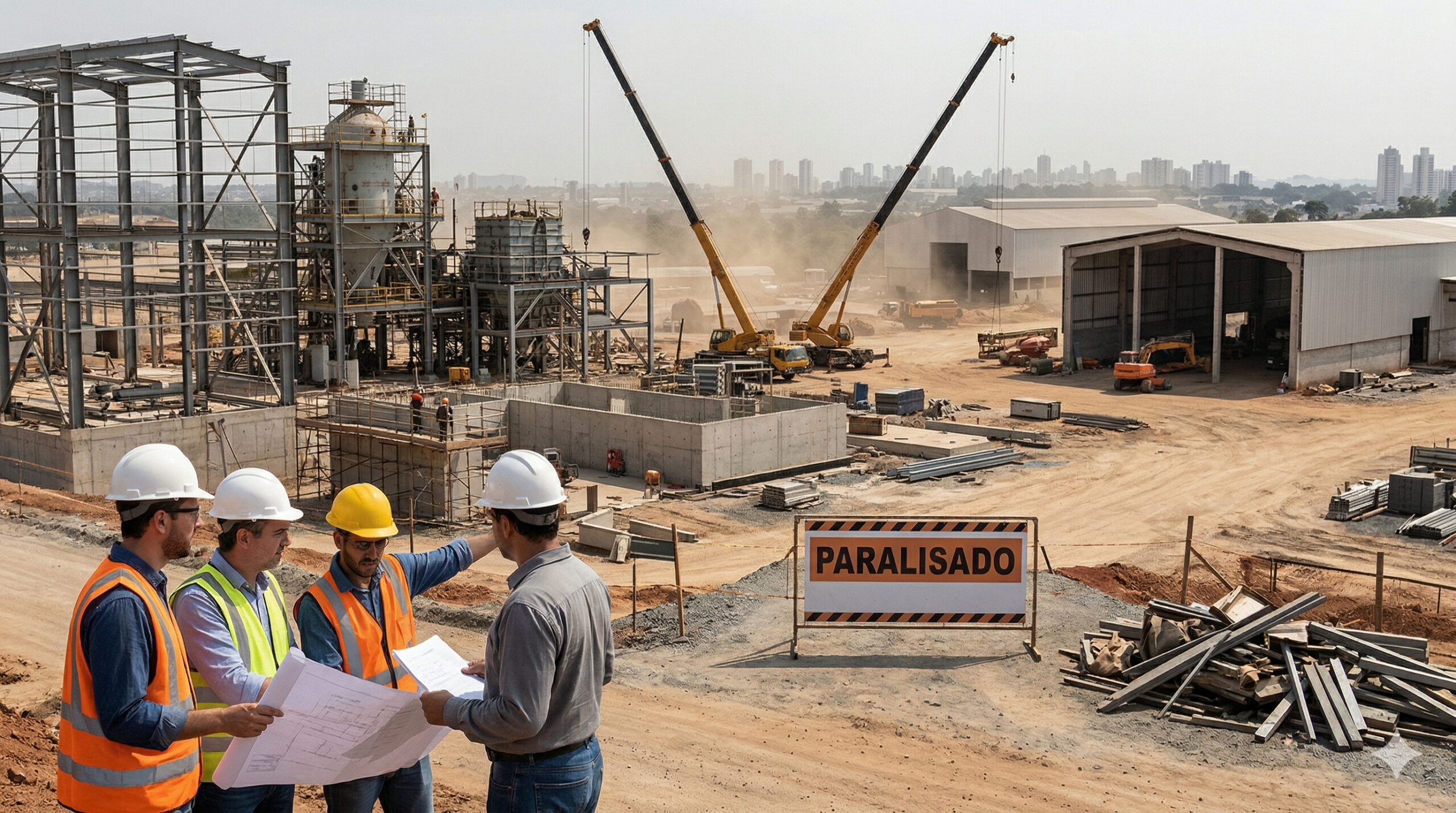
The lack of welders, electricians, and operators becomes a structural threat in 2025, with the construction industry and manufacturing already suffering from delays, cost pressures, and labor shortages in Brazil.
-
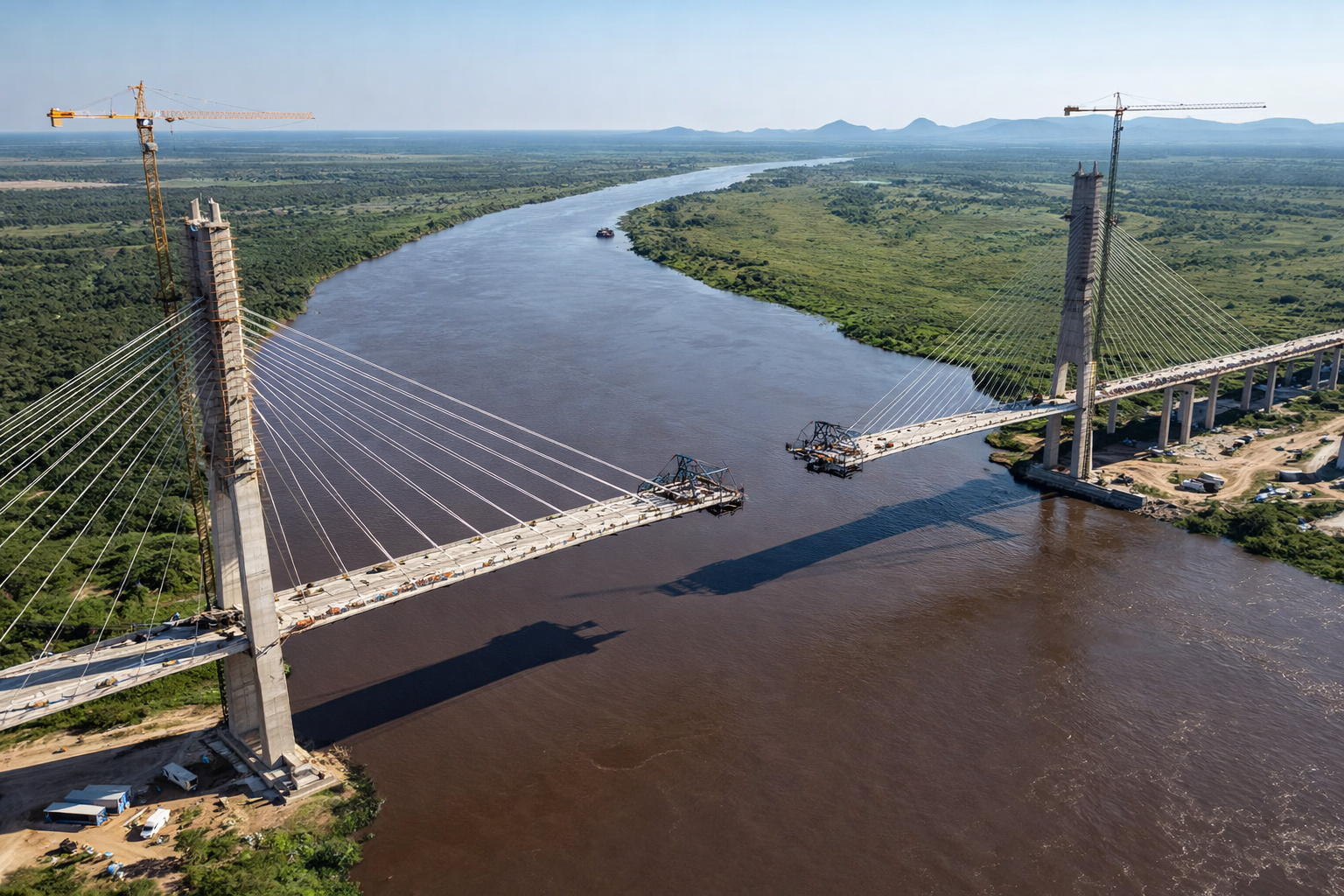
Brazil and Paraguay are just 46 meters away from a historic union on the bioceanic bridge that promises to revolutionize trade between the Atlantic and the Pacific.
-
With 55 km over the sea, a cost of US$ 20 billion, and enough steel to build 60 Eiffel Towers, China’s largest project has connected Hong Kong, Zhuhai, and Macau in a colossal bridge that defies the logic of engineering.

-
A trick with joint compound transforms a Styrofoam ceiling into a plaster-like ceiling: leveled panels, wires and mesh at the joints, sand, paint, and change the environment while spending little today.


The institutional resumption of the project occurred in 2023 when the state government held a new auction, transferring responsibility to a new concessionaire group. The current contract binds minimum investments and the technological modernization necessary to integrate this segment with the other stretches (West, South, and East) already in operation. Unlike previous phases marked by stoppages and disputes, the current focus is no longer on discovering the layout, but on connecting and testing an enormous set of engineering pieces that are already positioned but do not yet operate as a unified system.
Finishing Touches and Technology in the First Segment
In the first priority segment, located between Presidente Dutra and Fernão Dias, the work is now focused on completing the finishing touches and ensuring the functionality of the road. A large part of the main lanes has already been leveled and paved, with viaducts assembled and large metal beams installed to form the final connections, especially in the Arujá region. However, turning this finished asphalt into a safe highway requires the completion of the final pavement layers, finishing joints, guardrails, and the installation of rigid barriers and metal defenses at all engineering works.
Beyond the physical infrastructure, the intelligence of the highway is being implemented. The system for free-flow tolling (Free Flow), which eliminates physical toll booths, still needs to be installed, and the entire stretch must be linked to the operational control center via fiber optics. This includes the placement of variable message panels, surveillance cameras (CCTV), and user service points. The delivery of operational bases, scales, and escape areas for special loads is essential to ensure that the most complex highway in Brazil operates within “class zero” safety standards.
Corrections of Old Failures and Heavy Works
In the second segment, which runs from Fernão Dias to the connection with the Western Stretch, the scenario requires heavier interventions. This region concentrates tunnels and high slopes in critical terrain areas. The work fronts need to complete the excavation, lining, and waterproofing of the remaining tunnels, as well as pour the decks of viaducts that currently only have the pillars ready. It is also necessary to close cuts and embankments, executing deep drainage and retaining walls to stabilize slopes where the earth mass is still exposed.
A critical point revealed by Urbana is the need to recover structures inherited from the old contract. An audit by IPT (Institute of Technological Research) identified more than 1,000 failures in the previous phase, ranging from infiltrations and cracks to stability issues. The new concessionaire’s mission is not only to complete the work but to reinforce, drain, and re-level what was executed before 2018. This means reviewing already excavated tunnels and correcting bridge supports to ensure the longevity of the project.
Logistical Impact and Relief for São Paulo
When fully completed, the most complex highway in Brazil will bring a measurable and immediate impact to the routine of the São Paulo capital. Projections indicate the removal of approximately 30,000 trucks and 54,000 cars per day from Marginal Tietê, totaling around 84,000 vehicles diverted daily to the ring road. In one year, this represents more than 30 million fewer crossings contending for space in the most congested urban corridor in the country, restoring structural capacity to a road that operates at its limit.
For national logistics, the gain is measurable. The direct link between Dutra and Fernão Dias should yield an estimated savings of 21 minutes per trip. Between Dutra and Bandeirantes, the reduction increases to 26 minutes, and in connection with Castelo Branco, it’s 27 minutes less. However, before the total release, there will still be the “invisible stage”: load testing on viaducts, ventilation calibration in tunnels, emergency simulations, and final approval with ARTESP, ensuring that the decades-long promise finally becomes reality.
Do you believe that the timeline will be met and the project will be 100% operational by 2026? Will this traffic diversion solve the problem of your daily route or just change the location of the congestion? Share your opinion in the comments, we want to hear from those who experience traffic firsthand.








Por a gente está aguardando há muitos anos esse Rodoanel está pronto e com muitos atrasos que ouvem nessas obras vai ser uma ótima oportunidade para poder melhorar o congestionamento que ainda existe dentro de São Paulo principalmente as marginais e corredores vamos aguardar o término dessas obras para ver como vai funcionar o fluxo de veículos que cresceu muito em São Paulo e também ver como trans vai fluir pois muitas vezes diminuir a velocidade e colocar muito monitoramento por isso o traço hoje a é caótico
Diante de tanto atraso e promessas só acredito vendo… Carece ligação com extremo sul e norte pra desafogar vias desses bairros com urgência…
Seria viável uma ligação entre castelo branco Raposo Tavares e Anhanguera até BR116 via São Lourenço da Serra tirando o funil que torna Embú das artes ????