





 Portuguese
  English
  Spanish
 5 min of reading
  0 comments


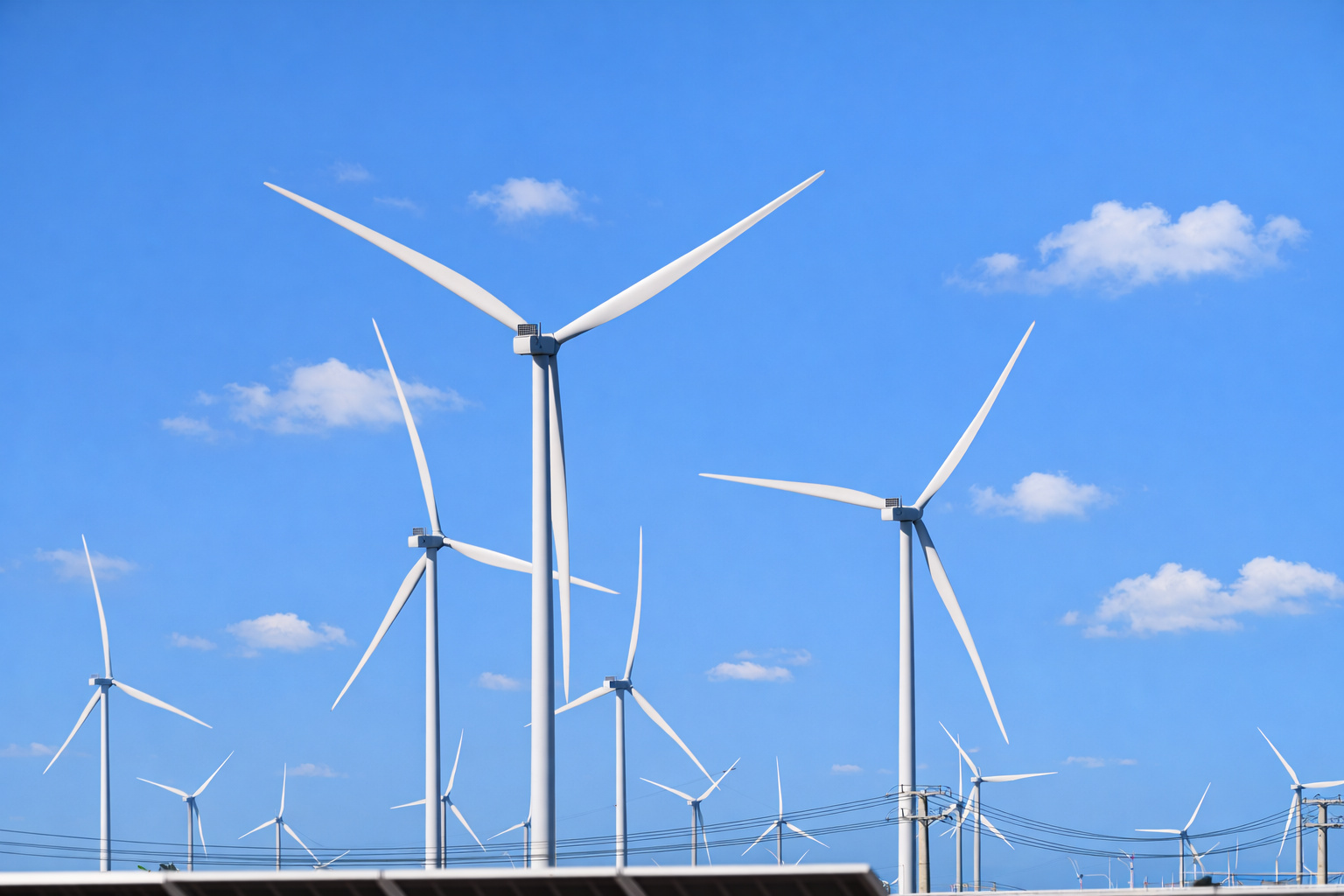
Learn About The Project Of The Tallest Wind Turbine In Brazil, With 257 Meters In Height, That Will Be Built In Ceará And Promises To Enhance The Efficiency Of Renewable Energy Generation In The Country.
The construction of the tallest wind turbine in Brazil, with an impressive 257 meters in height, represents, above all, a new chapter in the history of renewable energy generation in the country. In this sense, the company Casa dos Ventos conceptualized the project and chose Ceará to host the structure. Thus, the initiative reinforces Brazil’s leadership, especially in the Northeast, in the advancement of wind energy. Moreover, more than just a specific venture, the project symbolizes a decisive step in the quest for greater energy efficiency, technological innovation, and better utilization of natural resources.
Over the last few decades, Brazil has gradually built a solid trajectory in the wind sector. Initially, the country treated wind energy as an alternative and complementary source. However, over time, this source has taken on a central role in the national electricity matrix, especially since the 2000s. In this context, government incentives, energy auctions, and the reduction of technological costs have helped Brazil position itself among the largest wind energy producers in the world. Therefore, the proposal for the tallest wind turbine in Brazil arises as a natural evolution of this maturation process in the sector.
The megatower, named the Everest Project, will be installed in the municipality of São Gonçalo do Amarante, in the Metropolitan Region of Fortaleza. The choice of location, in turn, followed well-defined technical and strategic criteria. After all, the Ceará coastline records constant and high-quality winds throughout practically the entire year. Additionally, the region has suitable logistical and energy infrastructure for large projects, which further strengthens its vocation for large-scale renewable energy generation.
-
Giant of the winds in Rio Grande do Norte: Serra do Tigre Wind Complex receives new investments and accelerates the expansion of clean energy generation to supply millions of Brazilian homes.
-
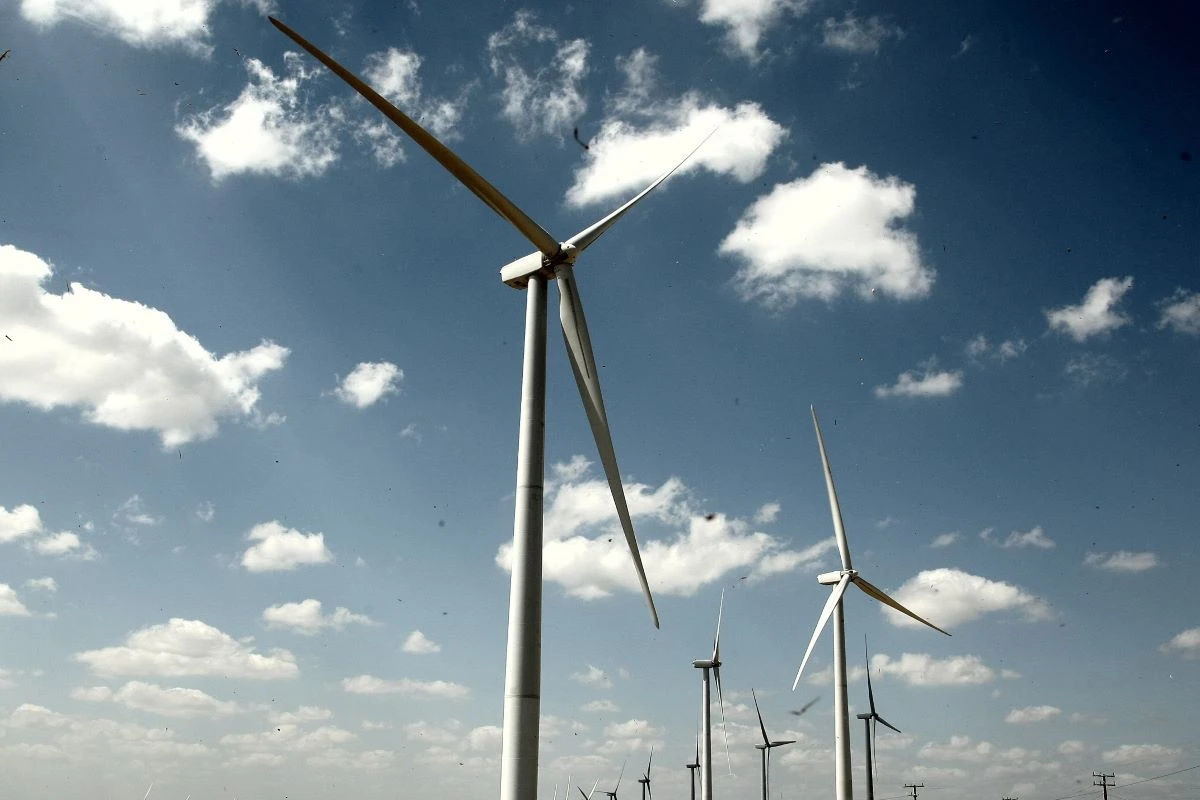
Urgent energy transition: Greenpeace advocates for massive investments and points to Brazil as a global leader in wind energy production in the coming years.
-
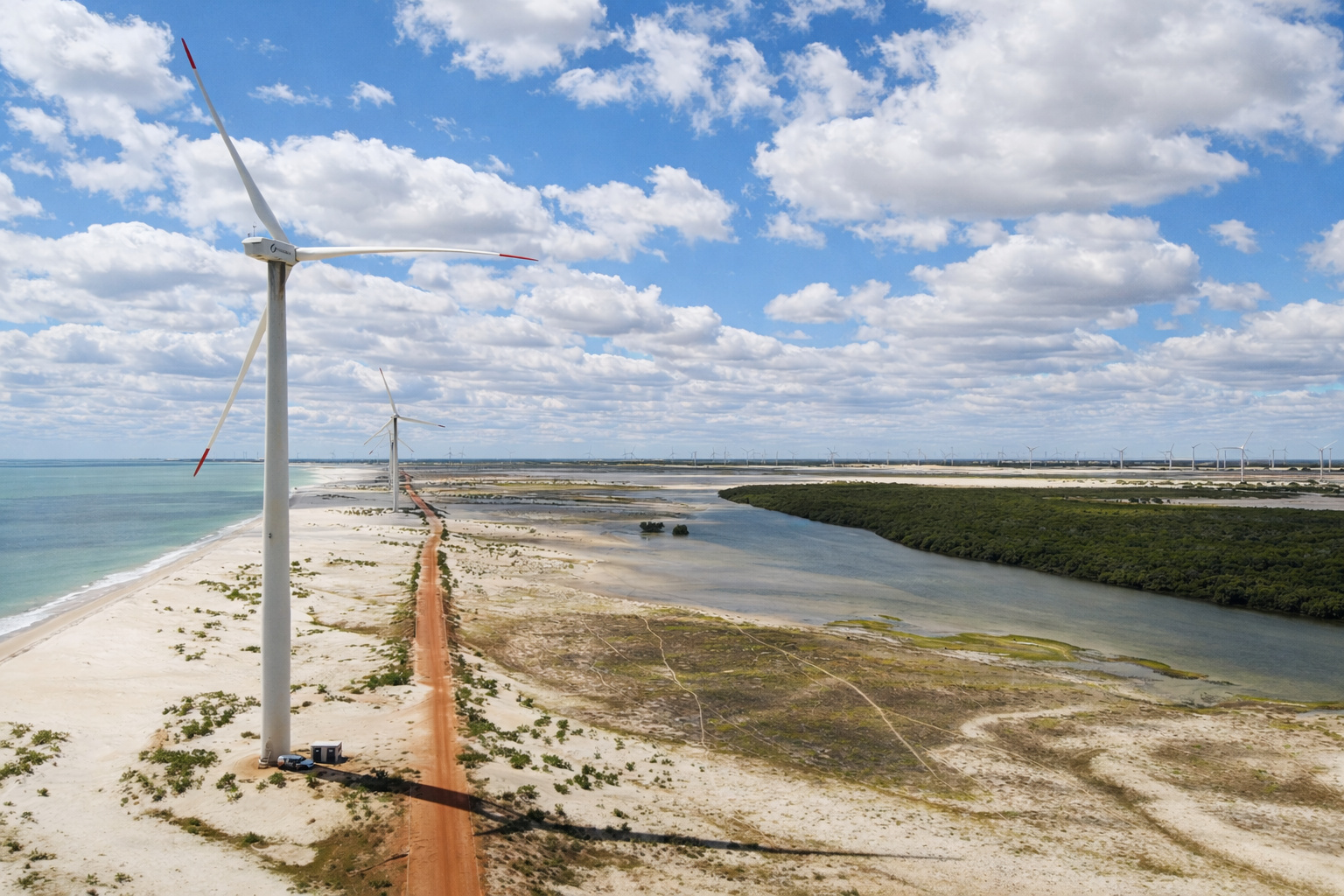
Conflict in the Sertão: Rural communities in Rio Grande do Norte report issues with wind farms and the new challenges of clean energy in the semi-arid region.
-
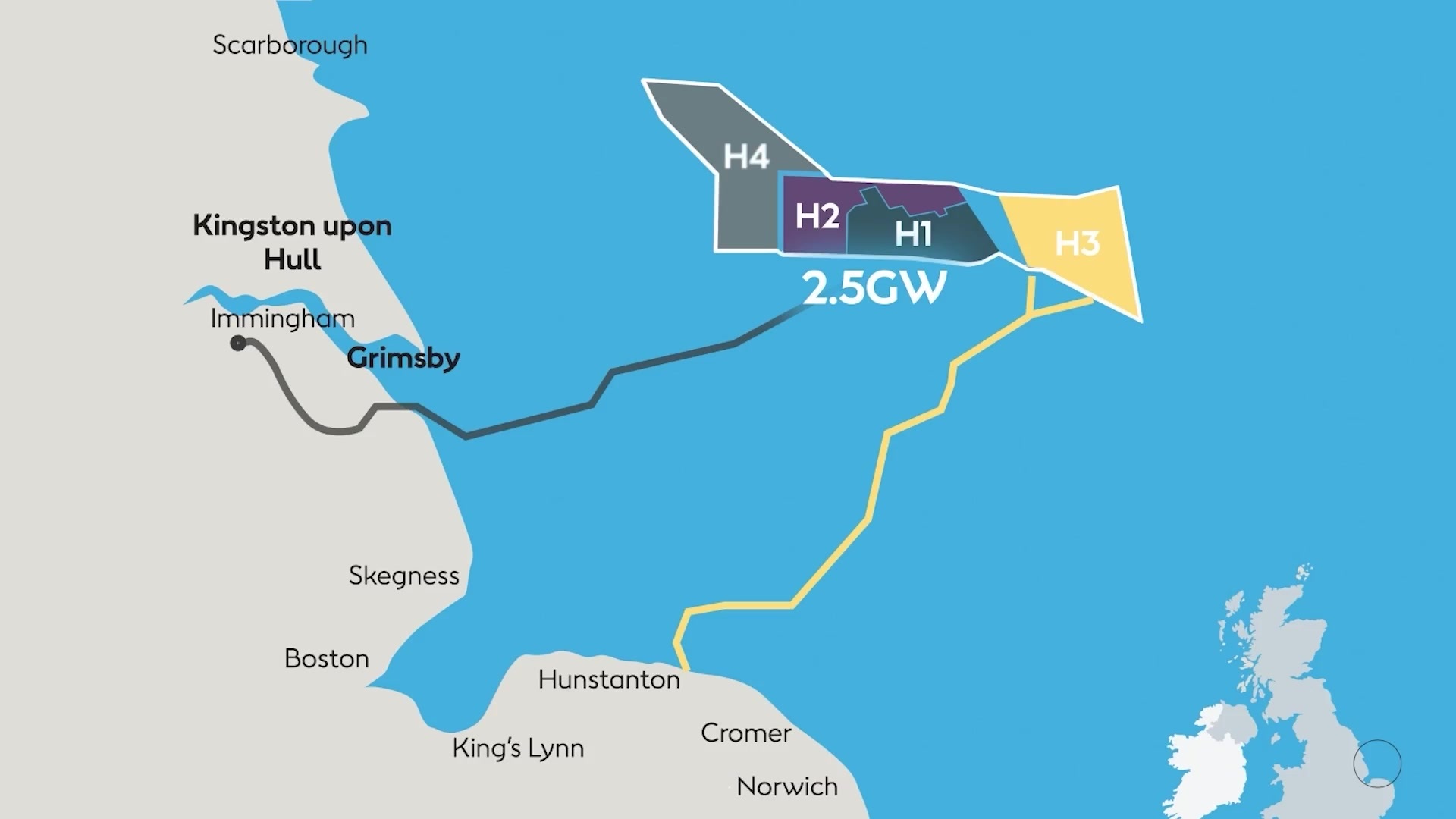
231 turbines of 260 meters at 160 km from the coast, monopiles weighing as much as nine blue whales embedded in the North Sea, and a crane ship taller than the Eiffel Tower: Hornsea 3 will be the largest offshore wind farm on the planet by 2027, and its first components have already arrived in England.

Why Build Such A Tall Wind Turbine
With 166 meters of tower and blades that raise the total height to 257 meters, the structure surpasses, by a wide margin, the current standards, which range between 80 and 120 meters. In this scenario, when designing the tallest wind turbine in Brazil, the developers aimed, above all, to reach higher layers of the atmosphere. This makes it possible to access more intense, constant, and predictable winds throughout the year.
Historically, conventional turbines operate at limited heights. As a result, the utilization of wind potential becomes restricted in certain areas. However, by significantly raising the tower, the project aims to increase energy generation efficiency. Thus, even areas where winds are weak at lower heights become technically viable. Consequently, this efficiency gain tends to result in greater stability in electricity supply.
Furthermore, the international scenario reinforces this strategy. In recent years, companies from countries such as China have started testing winds turbines over 250 meters tall. According to observed experiences, increasing the height improves the capacity factor of the turbines, that is, the amount of energy effectively generated over time. Therefore, the Brazilian initiative follows a global trend of innovation in the wind sector.
Technological Innovation And Construction Method
From a technical standpoint, the tallest wind turbine in Brazil also stands out for the construction method adopted. In this case, the project leaders opted for the use of self-supporting precast concrete. This reduces dependence on large cranes, which are rare in Brazil for heights above 135 meters.
Moreover, the system entails the assembly of the tower in modules, which rise gradually until reaching the final height. This strategy offers significant gains in cost, safety, and logistics. At the same time, it facilitates maintenance throughout the structure’s lifespan. The engineering team will assemble the tower using two semi-structures, which will be joined at the top with prestressed cables and high-strength materials.
Regarding the investment, it is estimated that the amount required to realize the megatower will reach around R$ 94.4 million. For this, Casa dos Ventos will rely on resources aimed at innovation, obtained with support from the Funding Agency for Studies and Projects (Finep), linked to the federal government. Thus, this funding reinforces the experimental and strategic nature of the project.
The Evolution Of Wind Energy In Brazil
When observing the trajectory of wind energy in Brazil, it becomes evident that innovation has always played a central role. Initially, the sector operated with smaller, less efficient, and more expensive wind turbines. However, with technological advancements, the blades grew, control systems became more sophisticated, and energy production gained greater predictability.
In this context, the tallest wind turbine in Brazil perfectly fits this evolutionary logic. After all, the project broadens the technological horizon of the sector and points to new paths for energy generation. If the prototype yields the expected results, the market could replicate the technology on a large scale in the coming years.
Moreover, the project directly interacts with regional development. São Gonçalo do Amarante houses one of the main industrial zones in Ceará and is close to the Pecém Port, an important logistics hub. Consequently, the presence of enterprises of this magnitude stimulates the local economy, creates jobs, and attracts new investments to the energy sector.
Renewable Energy And Sustainable Development
Beyond economic impacts, the expansion of wind energy relates directly to contemporary challenges such as the decarbonization of the economy and energy transition. Over recent history, governments and companies have gradually come to recognize the need to reduce greenhouse gas emissions and decrease reliance on fossil fuels.
In light of this scenario, clean and renewable sources have gained prominence. Thus, the construction of the tallest wind turbine in Brazil reinforces the commitment to a more sustainable energy model. In addition, the project helps meet the growing demand for electricity without increasing environmental impacts.
Although the company has not yet disclosed the exact amount of energy that the tower will produce, expectations point to significant efficiency gains. After all, by accessing more intense and constant winds, the structure is likely to ensure a more stable generation, enhancing the reliability of the electrical system.
A Landmark For The Future Of Energy In The Country
From a strategic standpoint, the tallest wind turbine in Brazil contributes to consolidating the country as a reference in renewable energies. Brazil is already internationally recognized for its use of hydropower, biofuels, and the expansion of solar energy. Now, by investing in large-scale wind solutions, it further enhances this leadership.
Finally, the timeless nature of the project lies in the fact that it symbolizes a lasting trend. After all, the pursuit of taller towers, more efficient technologies, and better utilization of natural resources is not limited to a specific moment. It is, therefore, a continuous movement, which will shape the future of energy generation in the coming decades and turn the tallest wind turbine in Brazil into a symbol of innovation, efficiency, and sustainability.









-

Uma pessoa reagiu a isso.