





 Portuguese
  English
  Spanish
  2 min of reading
  0 comments


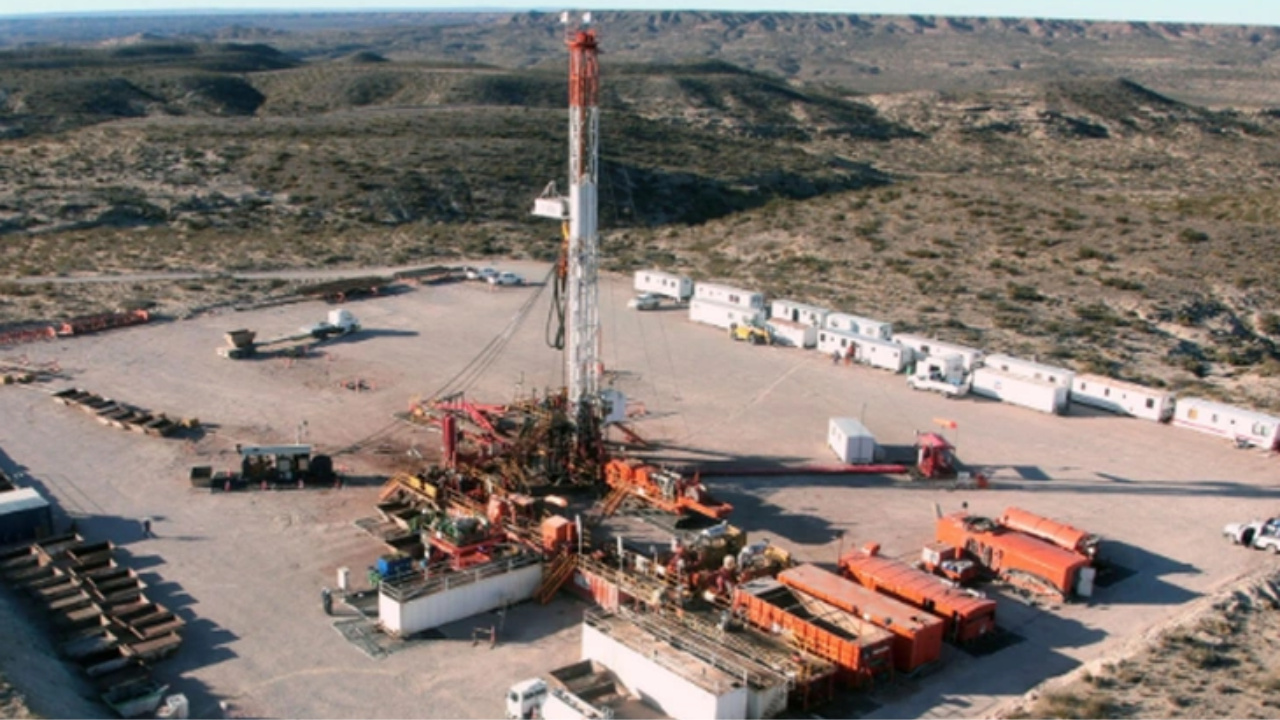
Brazil and Argentina Are Close to Signing an Agreement for the Supply of Natural Gas from Vaca Muerta. Understand the Expected Volumes, the Impact on Energy Integration, and the Challenges to Enable the Project.
Brazil and Argentina are in the final stages of negotiations to consolidate an agreement on natural gas from Vaca Muerta, one of the largest unconventional reserves in the world. According to the Director of Natural Gas at the Ministry of Mines and Energy (MME), Marcello Weydt, the letter of intent may be signed soon, strengthening energy integration in the Southern Cone.
Expected Gas Volumes and Projections for the Future
According to the MME, supply will begin with 2 million cubic meters per day destined for Brazil initially. The projection is that this volume will grow to 10 million m³/day within three years. Consequently, it will reach 30 million m³/day starting in 2030.
These numbers reflect the potential of the Vaca Muerta formation, located in Argentine Patagonia, considered strategic for ensuring energy security in the region.
-
The next exploration auction in the pre-salt will offer 23 blocks in the Campos and Santos basins and may change the interest of oil companies in Brazil.

-
The next exploration auction in the pre-salt will offer 23 blocks in the Campos and Santos basins and could change the interest of oil companies in Brazil.

-
Red Sea, from biblical site to oil hope: South Korea reveals ambitious plan to create new oil routes through the Red Sea with the dispatch of 5 ships, agreements with 3 countries, and a focus on the strategic port of Yanbu.

-
SISTAC expands contract with Petrobras for maintenance of platforms in the Santos, Campos, and Espírito Santo basins using ROV and specialized underwater operations.
Currently, about 17 companies in Brazil have authorization from the National Agency of Petroleum, Natural Gas and Biofuels (ANP) to import natural gas from Argentina. Weydt highlighted during the Rio Pipeline & Logistics event, promoted by the Brazilian Institute of Petroleum and Gas (IBP), that the moment is unprecedented: “Generally speaking, we have never been so close to consolidating this integration, not only due to existing pipelines but also because of the dialogue and mobilization of the parties involved.”
The Argentinian Vision of Vaca Muerta
The President of the Argentine Institute of Petroleum and Gas (IAPG), Ernesto López Anadón, emphasized that Southern Cone countries need to take advantage of available resources. According to him, energy integration depends on both private initiatives and adequate public policies. For this, it will be essential for governments to create regulatory conditions that provide legal certainty to contracts.
Despite the optimism, experts point out that the viability of the agreement will also depend on steady demand from the Brazilian market.
The Commercial Vice President of Tecnopetrol, Leonardo Macchia, emphasized that long-term contracts will be essential to justify investments in new pipelines and ensure sustained exports. “Brazil needs to be willing to sign long-term supply contracts to enable the pipelines,” he stated.









Seja o primeiro a reagir!