





 Portuguese
  English
  Spanish
  4 min of reading
  0 comments


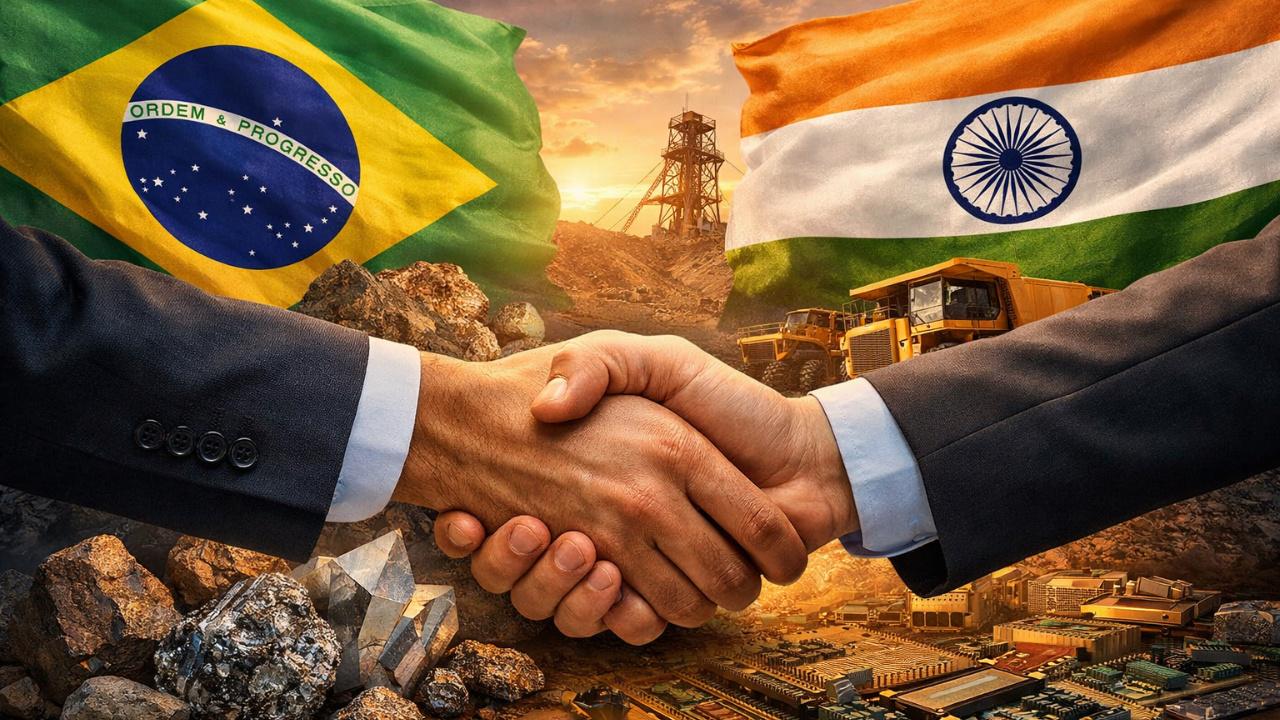
Brazil and India Consolidate Partnership in Critical Minerals to Diversify Supply Chains and Boost Technology Investments.
Brazil and India signed an agreement early Saturday (21) in New Delhi aimed at exploration and cooperation in critical minerals and rare earth elements.
The understanding was signed by the governments of both countries, with the presence of Prime Minister Narendra Modi and President Luiz Inácio Lula da Silva.
The initiative seeks to strengthen supply chains, enhance bilateral cooperation, and ensure greater security in access to strategic resources for the global economy.
-
USA and China compete for Brazil over resources that could be worth trillions — rare earths put the country at the center of a global dispute

-
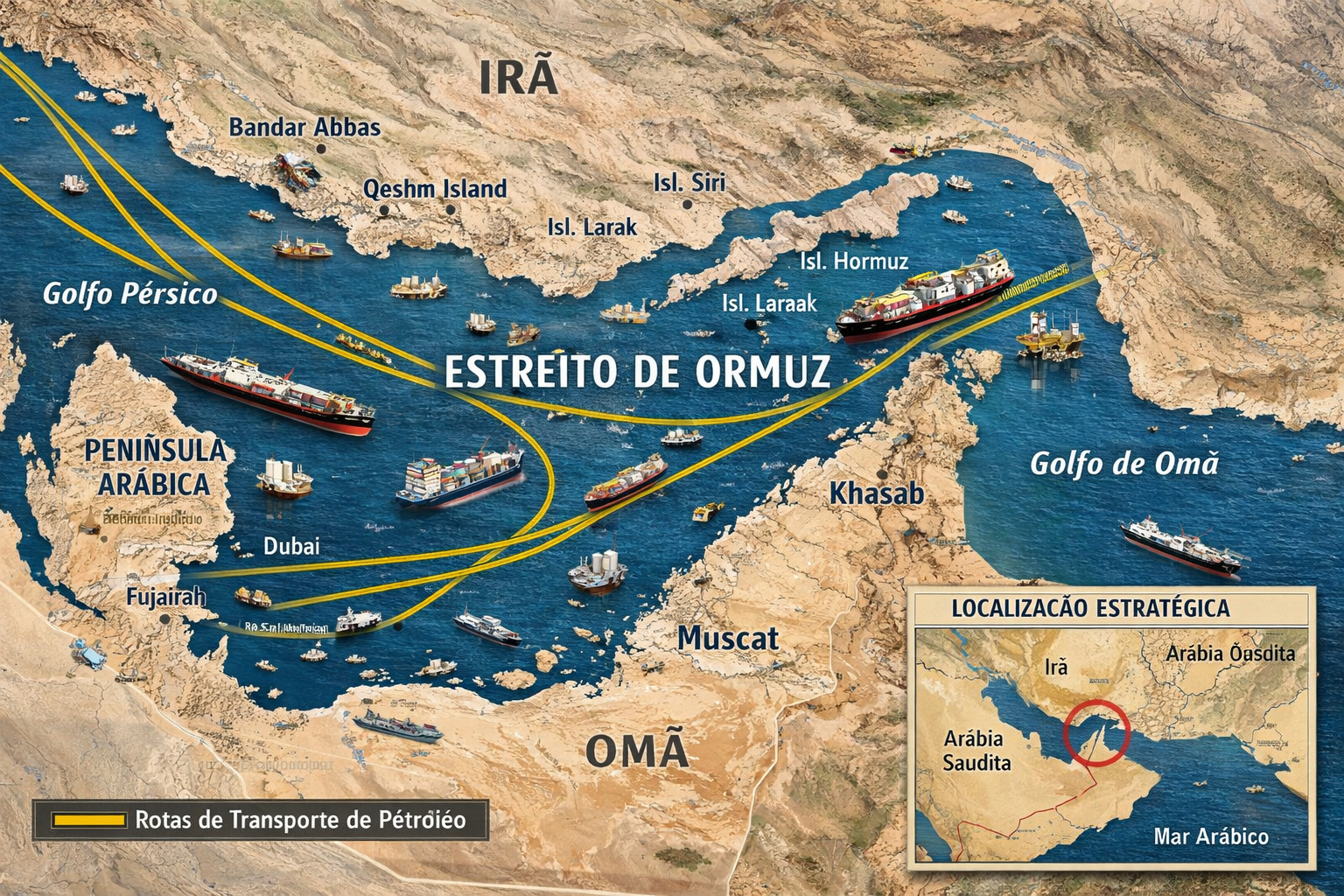
Global summit with over 40 countries pressures Iran for a blockade in the Strait of Hormuz and warns of direct impact on oil, food, and the global economy.
-
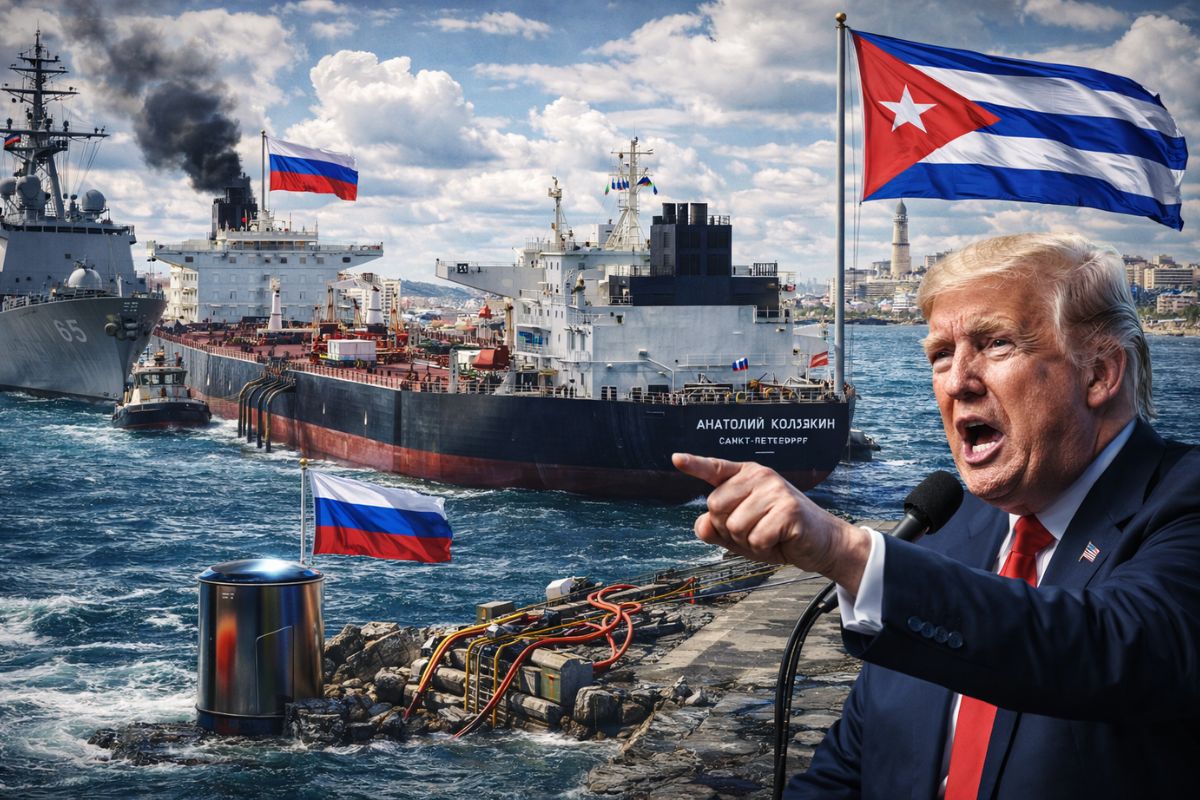
Russia has broken the U.S. maritime blockade to send oil to Cuba and is now loading a second ship while Trump says that “Cuba is next” in a possible military action against the island.
-
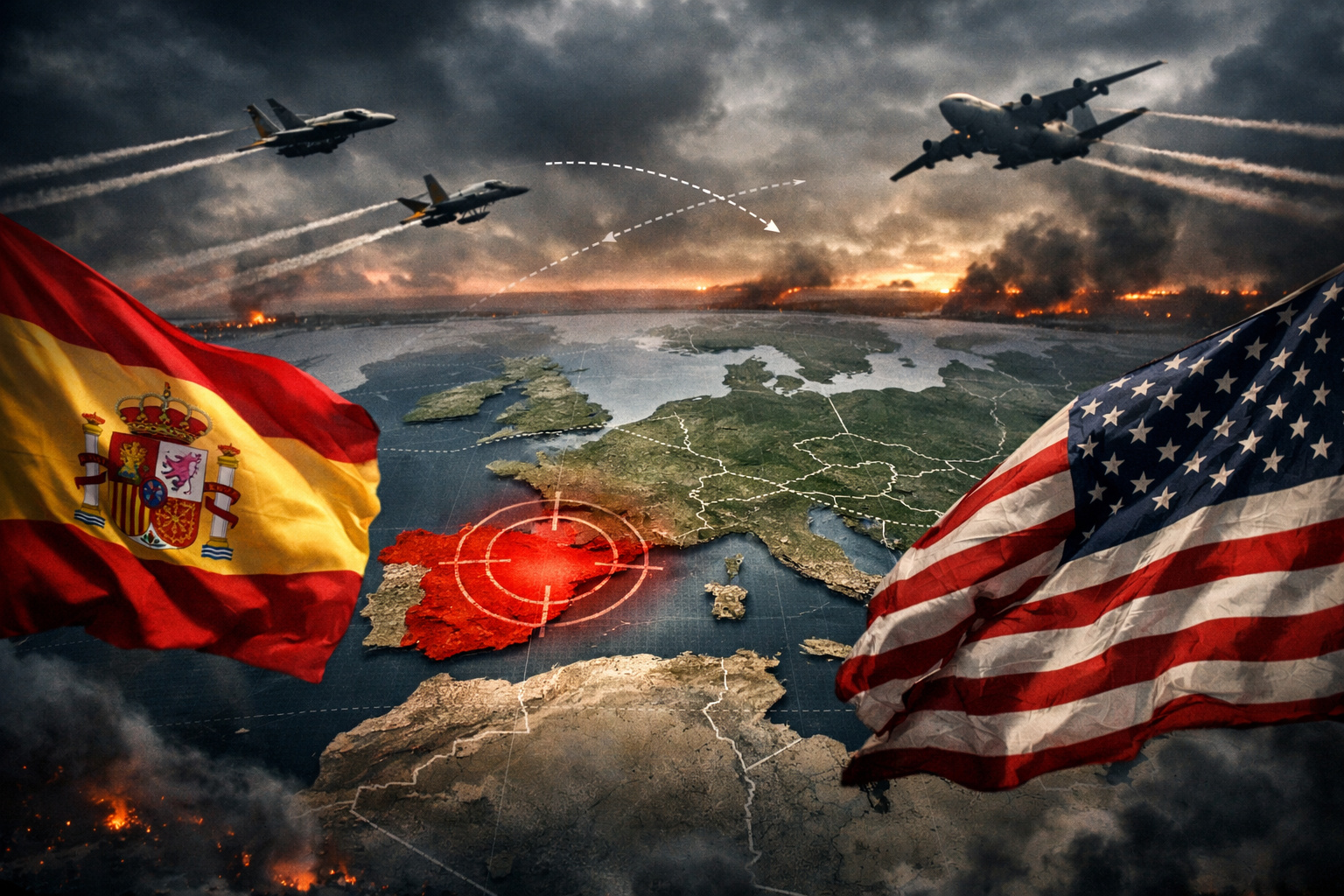
Spain challenges the USA and closes its airspace for operations against Iran, raising global tension and provoking the threat of a trade rupture.

The announcement was made during a joint statement to the press.
According to the leaders, the agreement marks a relevant advancement in relations between the two nations, especially in sectors considered essential for technological innovation and energy transition.
Critical Minerals and Rare Earth Elements at the Center of Bilateral Cooperation
The focus of the new pact is on so-called critical minerals and rare earth elements, essential raw materials for the production of modern technologies.
These resources are used, for example, in batteries, solar panels, wind turbines, semiconductors, and electronic equipment.
During the press conference, Narendra Modi emphasized the strategic importance of the initiative.
“The agreement signed on critical minerals and rare earth elements is a significant step towards building resilient supply chains,” Modi told journalists.
The mention of resilient supply chains refers to the need to reduce vulnerabilities in the global supply of these inputs.
In recent years, geopolitical disputes and logistical bottlenecks have highlighted the excessive dependence on a few producing countries.
Brazil and India Invest in Inclusive Technological Development
Alongside the Indian Prime Minister, Lula highlighted the potential of the partnership to drive innovation and economic growth with a social focus.
For him, bilateral cooperation goes beyond the extraction of natural resources.
“India’s evolution in cutting-edge sectors, such as information technology, artificial intelligence, biotechnology, and space exploration, is remarkable.
This creates many opportunities for cooperation with Brazil and reflects our commitment to an agenda that puts technology at the service of inclusive development.
Expanding investments and cooperation in renewable energy and critical minerals is at the core of the pioneering agreement we signed today (Saturday, 21),” said Lula.
The statement reinforces the intention to integrate technological knowledge with the sustainable exploration of critical minerals.
Thus, Brazil and India aim to align economic growth, innovation, and social inclusion.
Safer and Diversified Supply Chains
The agreement comes at a strategic moment.
Brazil has the second-largest global reserves of rare earth elements, surpassed only by China, which enhances its relevance on the international scene.
On the other hand, India has been excelling in areas such as information technology and industrial innovation.
Therefore, the combination of Brazilian natural resources with Indian technological capabilities can generate mutual gains.
Furthermore, the diversification of supply chains is seen as essential to reduce risks and ensure stability in the supply of strategic industrial sectors.
Thus, bilateral cooperation tends to strengthen the position of both countries in the global market.
Expansion of Bilateral Cooperation in Health, Defense, and Commerce
The meeting in New Delhi was not limited to the agreement on critical minerals and rare earth elements.
During the official agenda, the leaders also signed memorandums of understanding in the areas of trade, entrepreneurship, defense, and health.
In the pharmaceutical sector, the expectation is to expand Brazilian access to quality medications at more affordable prices.
“We have limitless possibilities for cooperation in health, in the pharmaceutical area, and we will work to improve the supply of affordable and quality medications for Brazil,” Modi said.
With this, Brazil and India expand the scope of bilateral cooperation, consolidating a partnership that involves both strategic sectors and sensitive social areas.
Brazil and India Strengthen Global Prominence
By prioritizing critical minerals, rare earth elements, and more robust supply chains, the two countries signal an ambition for greater prominence on the international stage.
The articulation between natural resources, technology, and public policies can open new investment opportunities.
As the world seeks energy alternatives and more sustainable technological solutions, agreements like this gain relevance.
Thus, Brazil and India reinforce their position as strategic actors in the energy transition and the reorganization of global production chains.
The signing of the agreement, therefore, goes beyond a diplomatic gesture.
It represents a calculated move to enhance competitiveness, economic security, and bilateral cooperation in an increasingly challenging global context.
See more at: Brazil and India Sign Agreement on Rare Earths and Critical Minerals








Seja o primeiro a reagir!