





 Portuguese
  English
  Spanish
 3 min of reading
  0 comments


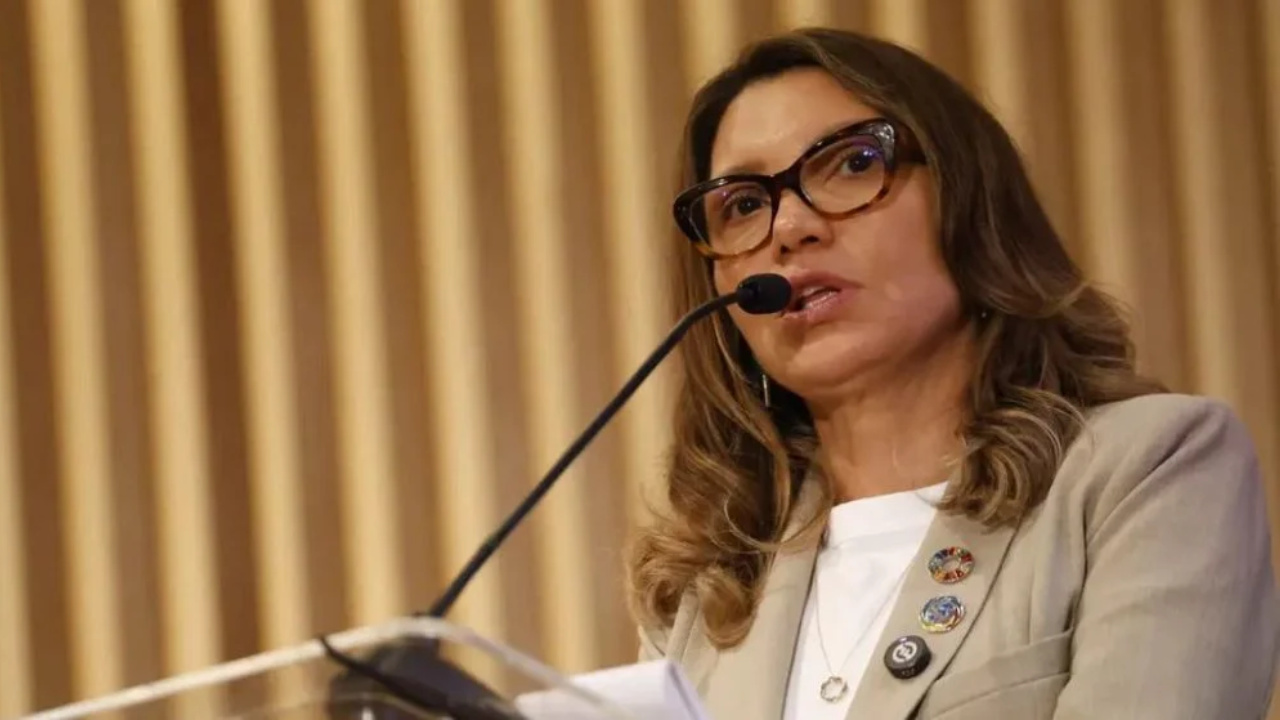
During COP30, in Belém, First Lady Janja Lula da Silva asserted that Brazil cannot immediately abandon fossil fuels, emphasizing the importance of oil in the country’s energy transition.
In one of the most discussed moments of the COP30, held in Belém, First Lady Janja Lula da Silva advocated for an energy transition carried out with responsibility and planning. During a panel at the federal government’s pavilion in the event’s Green Zone, Janja stated that the world still heavily relies on fossil fuels and that Brazil cannot simply abandon them.
“We cannot believe that next week, as soon as COP is over, we will stop using fossil fuels. That is not a reality yet,” she declared. The statement reflects the Brazilian government’s stance on the need to balance oil exploration with the advancement of renewable energy.
The Green Zone of the conference is an area open to the public, bringing together pavilions from institutions, companies, and social organizations. In contrast, the Blue Zone, restricted to accredited individuals, focuses on diplomatic negotiations and official debates among countries.
-
A major turn in the Justice system suspends tax increases and directly impacts oil and gas companies in Brazil by affecting costs, contracts, and financial planning, leaving uncertain what could happen to the sector if these costs had increased.

-
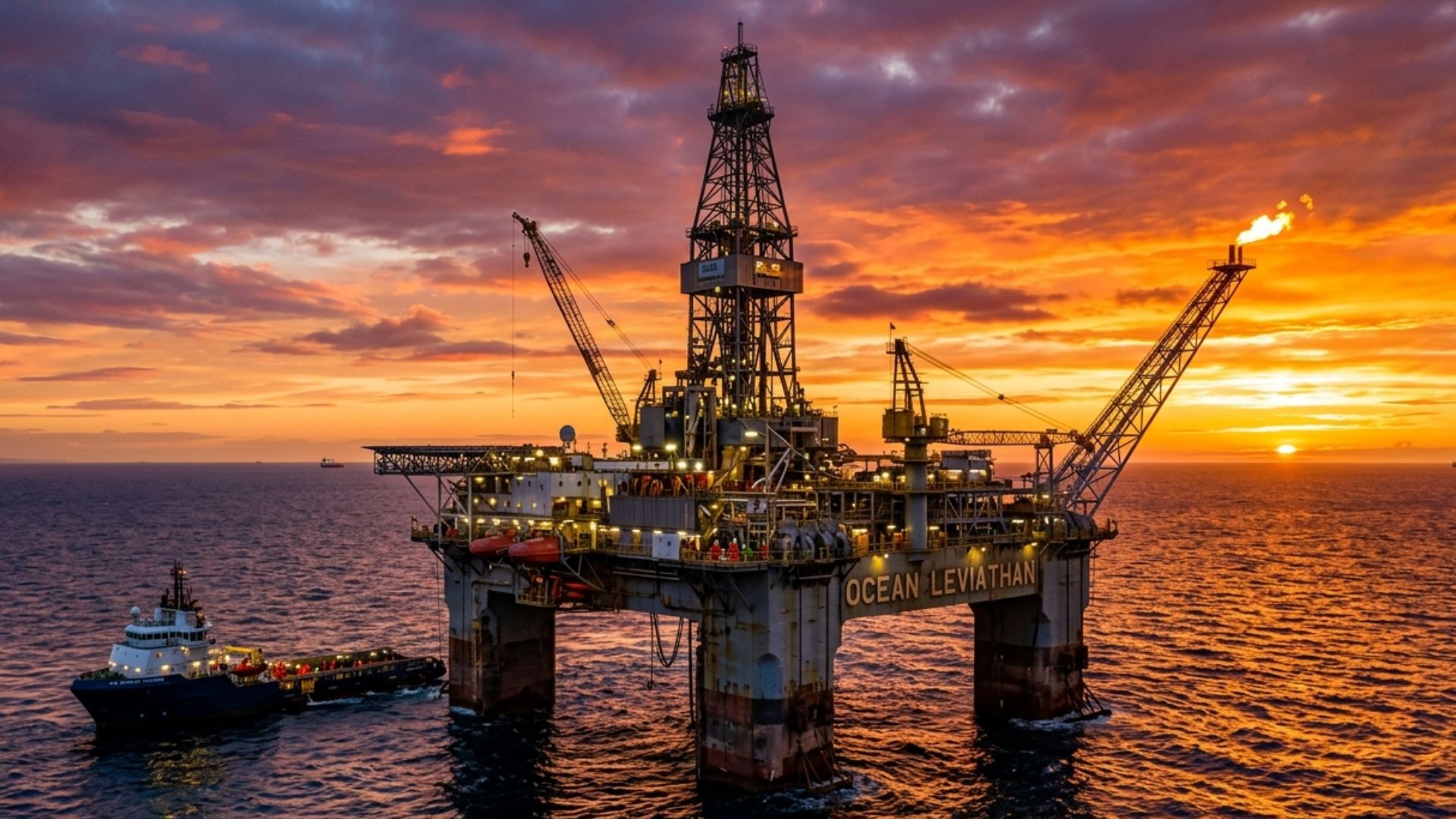
Brava Energia begins drilling in Papa-Terra and Atlanta and could change the game by reducing costs in oil while increasing production and strengthening competitiveness in the offshore market.
-
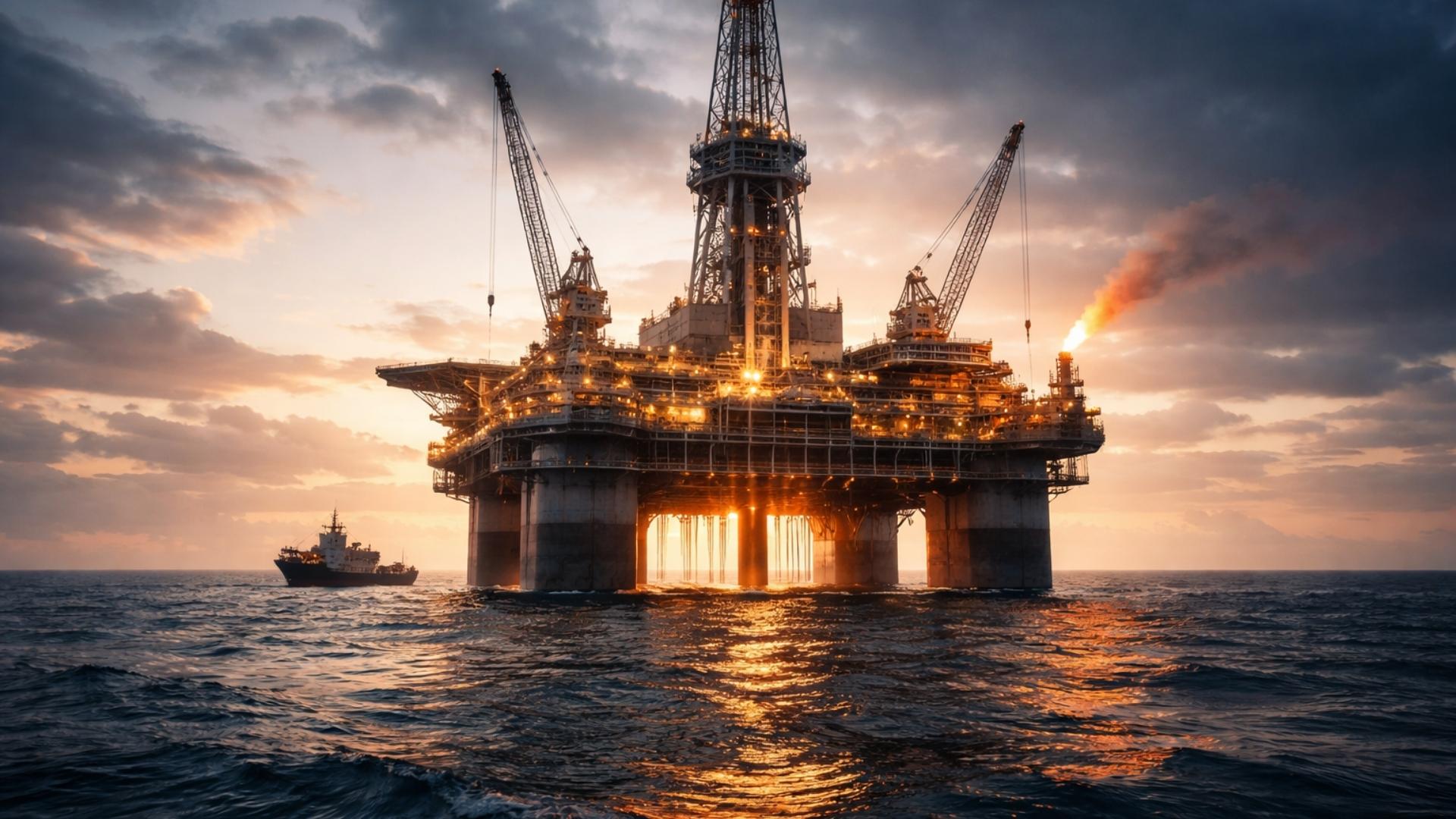
Petrobras surprises the world again by announcing a new discovery in the pre-salt with excellent quality oil.
-
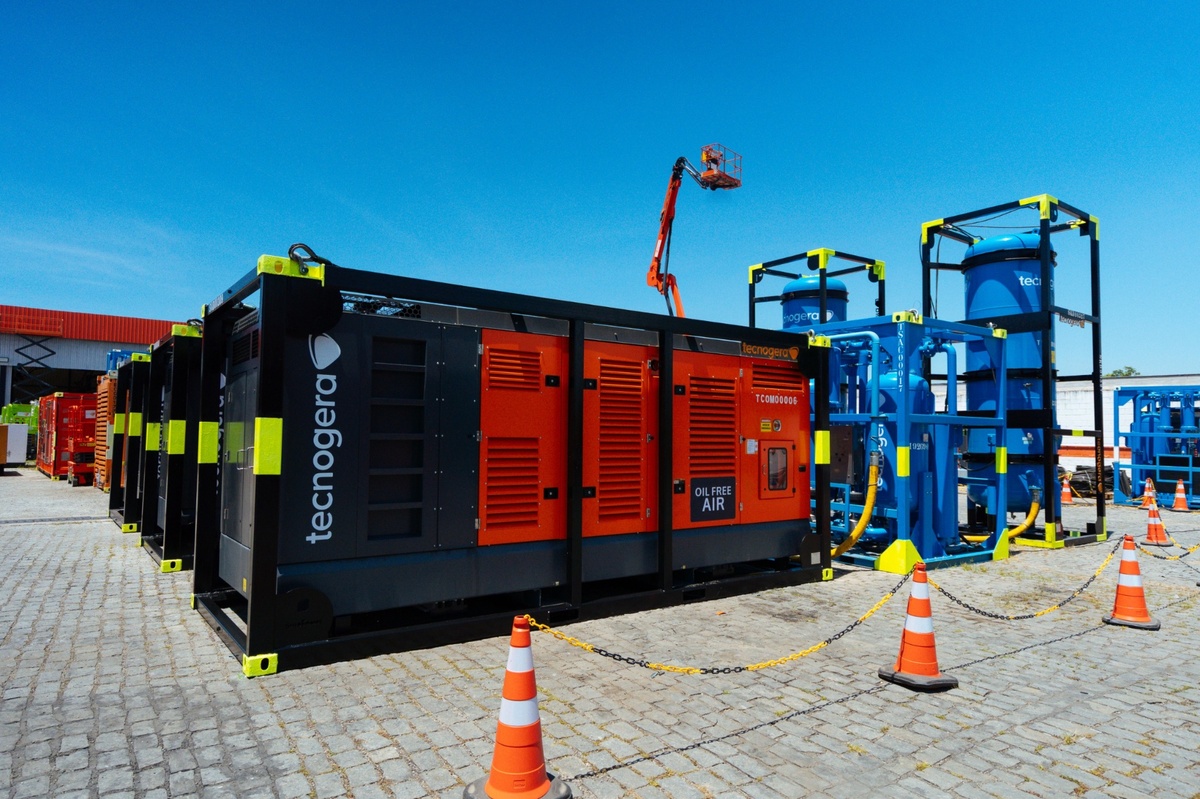
Offshore industrial demand in Macaé skyrockets with the recovery of oil and gas and could grow by up to 396% by 2026 in the Campos Basin.

Panel on Sustainability and The Energy Future of Brazil
The panel featured the presence of Secretary-General of the Presidency, Guilherme Boulos, and President of Itaipu Binacional, Enio Verri. The debate addressed sustainability and Brazil’s role in the transition to cleaner sources.
However, Janja’s remarks resonated due to their pragmatic perspective: according to her, the country needs a “roadmap” to guide the energy matrix change without compromising the economy. “We need to build the roadmap. And the government of Brazil, President Lula is making this proposal, and we have been discussing this with great intensity,” emphasized the First Lady.
The statement was a response to comments made during the event regarding the research of new oil reserves at the Mouth of the Amazon, a topic that has generated controversy among environmentalists and experts.
Contradictions and Criticisms of Oil Exploration in the Amazon
The authorization for the research of oil reserves at the Mouth of the Amazon has raised concerns among environmentalists and sectors of civil society. Critics claim that the measure goes against the commitments made by Brazil in the global climate agenda, particularly during COP30, which aims to accelerate the abandonment of fossil fuels.
However, within the government itself, there are those who argue that oil exploration is still necessary to ensure the financing of the energy transition and the economic development of less favored regions.
This view is shared by President Luiz Inácio Lula da Silva, who at the end of October stated that the country “will not throw away” the wealth generated by oil. The president also announced, during the COP30 Leaders’ Summit, the creation of a specific fund to direct part of the profits from oil exploration to investment in renewable energy.
The Balance Between Economy, Oil, and Sustainability
Janja’s statement reinforces the government’s strategy of adopting a discourse of gradual transition, recognizing the still central role of oil in the national energy matrix. Despite the advancement of renewable sources — such as solar, wind, and biomass — the fossil fuel sector remains one of the main drivers of the Brazilian economy.
According to experts, the challenge lies in promoting a development model that ensures jobs and economic growth while reducing carbon emissions. The First Lady’s positioning at COP30 echoes this balance, advocating that the country should move forward with realism and planning in light of international pressures for accelerated decarbonization.
The comments from Janja Lula da Silva thus reflect an attempt to align Brazil’s climate discourse with the national economic reality, without ignoring the weight of oil as an instrument of sovereignty and transition.








-

Uma pessoa reagiu a isso.