





 Portuguese
  English
  Spanish
  6 min of reading
  0 comments


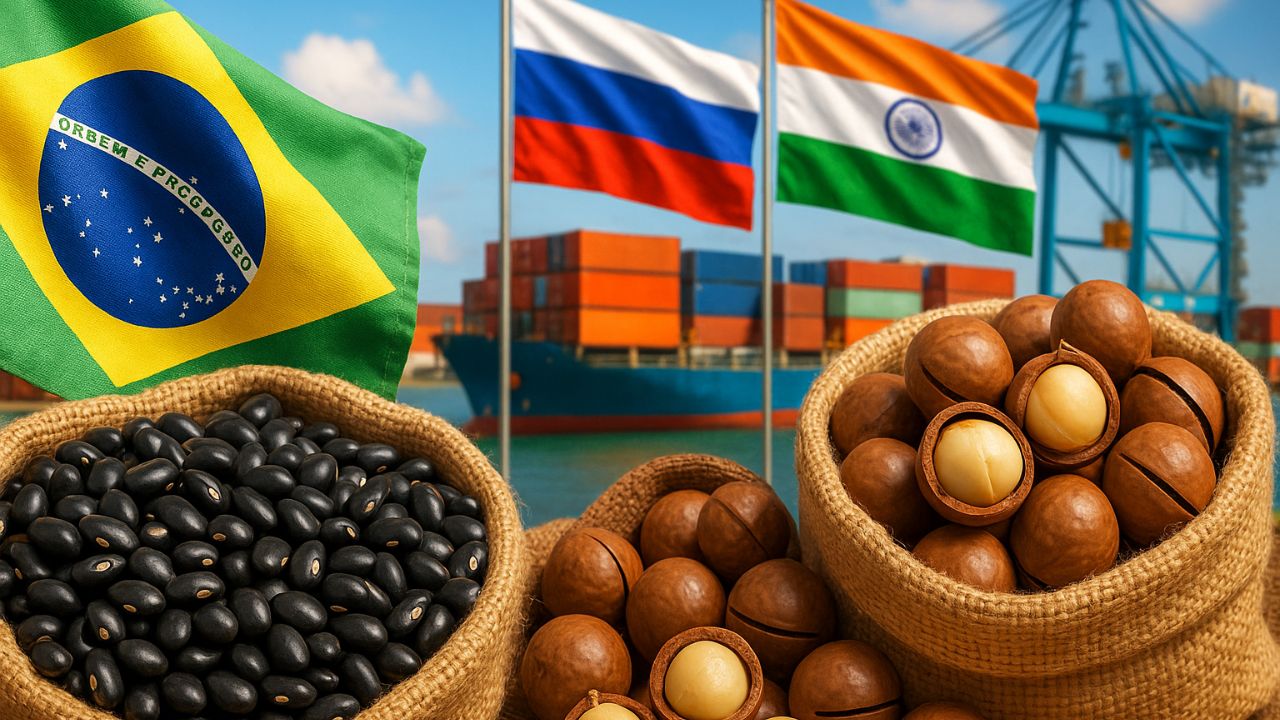
At The Same Time That Brazil Closes Deals With Russia And India For Beans And Macadamia, The Country Reinforces Sanitary Credibility, Diversifies Markets And Reduces Dependence On A Single Trading Partner.
When Brazil Closes Deals With Russia And India To Release Common Beans, Cowpeas And Macadamia Nuts, It Is Not Just Another Diplomatic Announcement. These Sanitary Agreements Open Doors In Two Strategic Markets, With Different Profiles, But Equally Decisive For The Future Of Brazilian Agribusiness: On One Side, Russia With Strong Demand For Beans In Periods Of Harsh Winters; On The Other, India, A Fast-Growing Economy With About 1.4 Billion Inhabitants And Expanding Domestic Consumption.
More Than Just Selling Specific Products, Brazil Closes Deals With Russia And India And Sends A Message To The World: The Country Has The Capacity To Meet Rigorously Sanitary Requirements, Expand Its Presence In Global Food Chains, And Reduce The Impact Of Crises Such As The Heavy Tariffs Imposed By The United States. Sanitary Credibility, Market Diversification And Intelligent Use Of Productive Advantages Combine To Transform Beans And Macadamia Into Key Pieces Of Brazilian Trade Policy.
Strong Bean Production At Home, Competitive Abroad
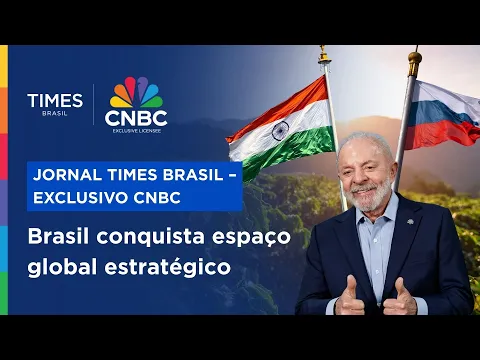

The Starting Point Of This Strategy Is The Strength Of Brazilian Beans. The Country Is Now The Third Largest Bean Producer In The World And The Fifth Largest Exporter, With A Diverse Production Of Types Distributed Over Three Harvests Throughout The Year, Making Supply Stable And Competitive. Estimates Point To About 500 Thousand Tons Shipped By November, Indicating There Is Volume And Regularity To Meet Domestic Market Demand And Gain Space In The External Market.
-
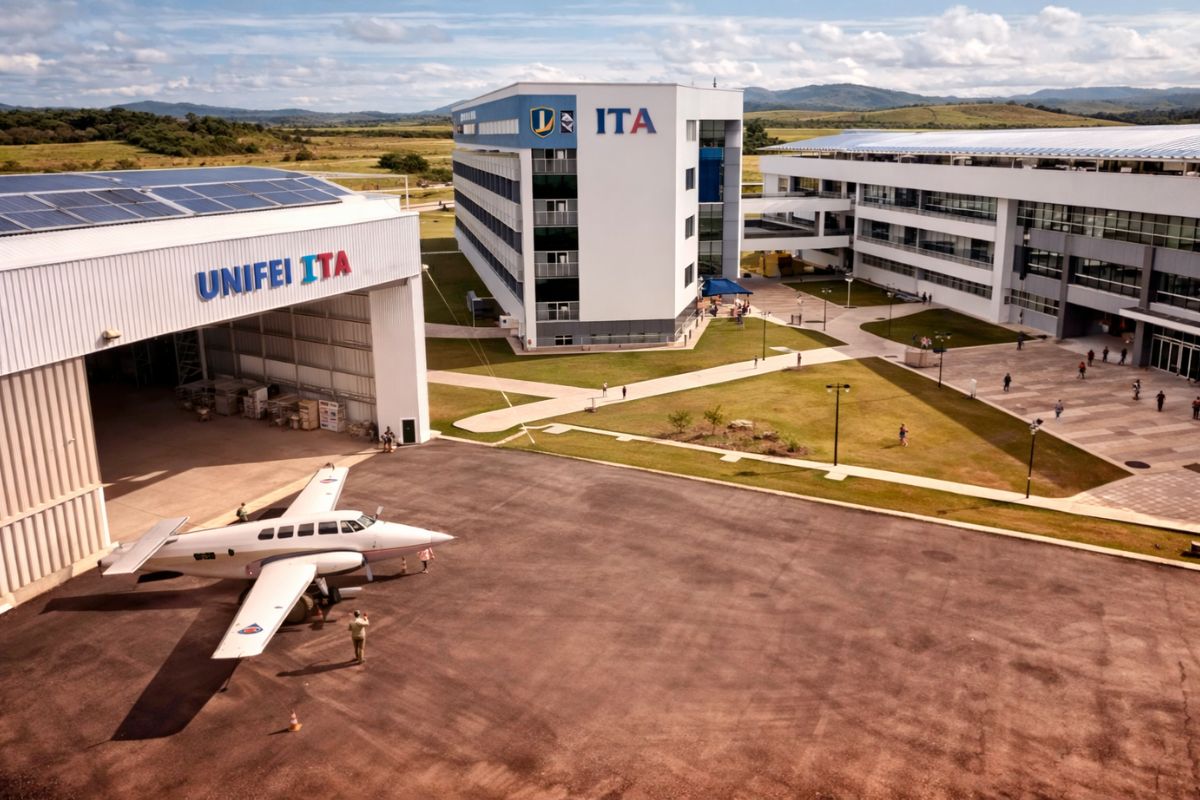
The institute that trained the greatest aerospace engineers in Brazil has just opened its first campus outside São Paulo after 75 years: ITA Ceará will have R$ 445 million, new courses in energy and systems, and classes are expected to start in 2027.
-
Luciano Hang, owner of Havan, goes to Juiz de Fora after the tragedy in February, brings R$ 1 million, hands out R$ 2,000 cards, and donates up to R$ 15,000 to victims in the region.

-
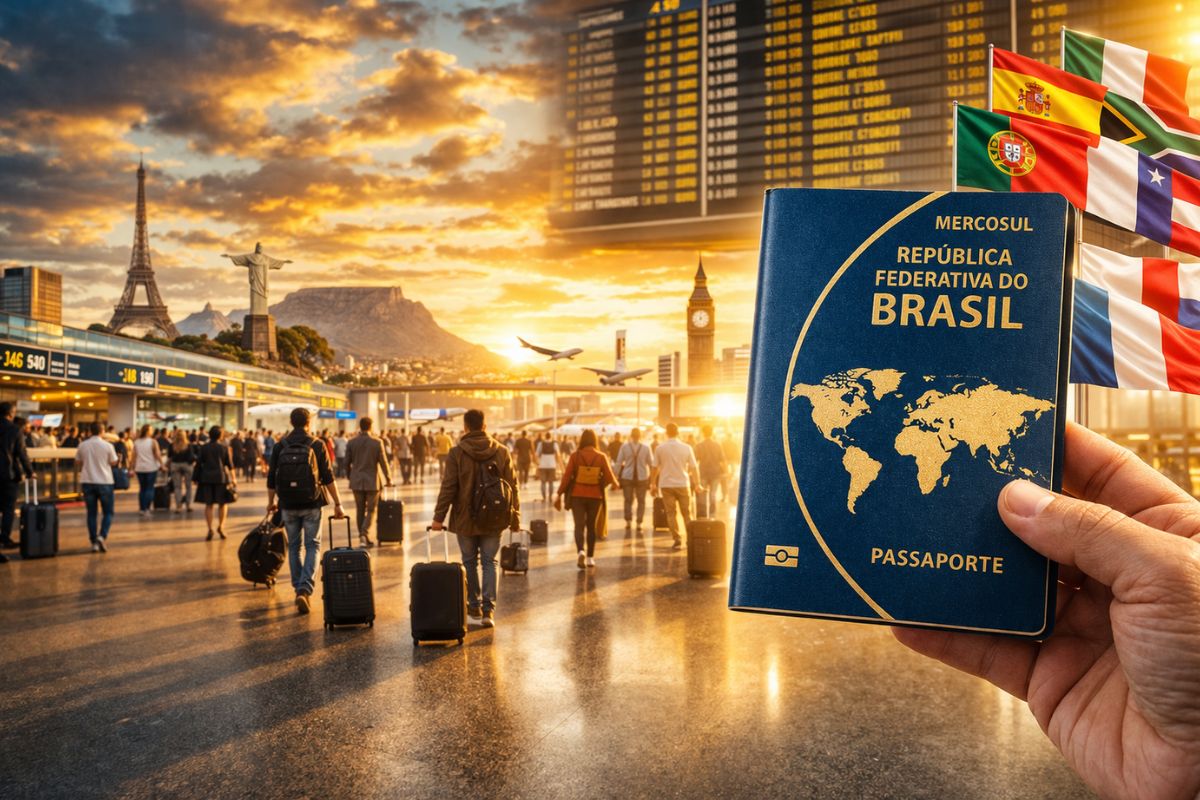
The Brazilian passport allows legal residence in dozens of countries without the need for a prior visa, and most Brazilians are unaware that they can apply for residency directly upon arriving in nations in South America, Africa, and even Europe.
-
Petrobras sends a message to Brazilian truck drivers after fuel collapse and reveals plan to have 100% domestic diesel.


When Brazil Closes Deals With Russia And India, Russia Appears As A Priority Destination For Common Beans And Especially For Cowpeas. The European Country, With Harsh Winters And A Strong Need For Imports To Ensure Domestic Consumption, Would Rely On Brazilian Producers At A Time When, If It Did Not Buy From Brazil, It Would Have To Turn To Other Suppliers. Every Ton Of Cowpeas Shipped To Russia Helps Establish Brazil As A Global Player In This Staple Food.
Additionally, The Agreement Has A Direct Impact On Specific Regions Of The Country. The Export Of Cowpeas Tends To Stimulate Production In The Northeast, In States Like Bahia, Ceará And Pernambuco, And Also In Parts Of The Midwest, Such As Goiás And Mato Grosso. More External Demand Means More Regional Income, More Jobs In The Field, And More Encouragement For Small And Medium Producers To Enter Or Remain In This Chain.
Macadamia In India: Premium Niche In A Giant Market
On The Indian Side, The Focus Is On Another Product, But The Logic Is Similar. At The Same Time That Brazil Closes Deals With Russia And India, The Agreement With India Opens Up The Export Of Macadamia Nuts, A High-Value Item That Finds A Market In Rapidly Sophisticated Consumption.
With Brazilian Agricultural Exports To India Exceeding 3 Billion Dollars In The Past Year, Macadamia Enters As A Symbol Of Qualified Access: It Is Not Just A One-Time Sale, But An Important Step Toward Building An Image Of A Reliable Supplier. The Sanitary Certification Granted To Macadamia Producers Tends To Open A Path For Other Sectors Of Brazilian Agribusiness To Also Request And Obtain Similar Authorizations.
In A Country Of 1.4 Billion People, With A Growing Middle Class And Increasingly Diverse Consumption, Being Present With A Premium Product Is Well Positioned For Growth In Other Categories. When Brazil Closes Deals With Russia And India, The Result Goes Beyond Macadamia: It Reinforces The Perception That The Country Can Meet Demanding Sanitary Standards In Complex Markets.
Market Diversification Amid The US Tariff Crisis
The Deals With Russia And India Also Need To Be Interpreted In The Context Of A Broader Strategy. Since 2023, The Brazilian Government, Through The Ministry Of Agriculture And The Ministry Of Foreign Affairs, Has Been Working To Diversify Products And Destinations, So That Agribusiness Does Not Depend Solely On Large Traditional Commodities Like Soy And Corn.
In This Scenario, Brazil Closes Deals With Russia And India At A Time When Many Shipments To The United States Are Still Affected By Heavy Tariffs. According To Economist Márcio Sete Fortes, This Agenda Did Not Arise From The Tariff Crisis, But Becomes Even More Relevant Amid A Trade War That Makes It Difficult To Place Numerous Products In The US Market.
Seeking New Markets, Such As Russia And India, Reduces Risks, Increases Brazil’s Bargaining Power, And Creates Alternatives For Products That Eventually Lose Competitiveness In The United States. Every New Certification, Even For Specific Niches, Contributes To Building A Broader Network Of Trade Partners, Consistent With The Discourse Of Multilateralism Adopted By The Government.
Russia, Fertilizers And A Bond That Goes Beyond Beans
In The Case Of Russia, There Is Also An Additional Strategic Layer. When Brazil Closes Deals With Russia And India, The Agreement With Moscow Is Not Limited To Cowpeas. Russia Is The Largest Supplier Of Fertilizers For Brazilian Agribusiness, An Essential Input To Maintain The Productivity Of Grain, Fiber, And Other Crops.
Maintaining Good Trade Relations With Russia Is Therefore More Than An Export Opportunity; It Is A Structural Necessity. By Increasing The Sales Of Beans And Reinforcing Mutual Trust In Sanitary Matters, Brazil Helps Sustain A Relationship That Ensures The Supply Of Critical Inputs To The Field While Providing Quality Food To Russian Consumers.
In Times Of Global Crisis, Having A Partner That Buys Beans And Supplies Fertilizer Increases The Resilience Of Brazilian Agribusiness, Making The Country Less Vulnerable To Sudden Supply And Price Shocks.
India, BRICS And Sanitary Credibility Under Construction
India, In Turn, Is Brazil’s Partner In The BRICS And Has Been Expanding Economic Dialogue With The Country. When Brazil Closes Deals With Russia And India, The Message To New Delhi Is Clear: Brazil Is Willing To Deepen Agricultural Trade On Technical Bases, With Respect For Sanitary Requirements And Concern For The Long Term.
Although It Is Also A Major Agricultural Producer, India Has A Structure Characterized By Small Production Units And Cultural And Food Specificities. This Opens Up Space For Products In Which Brazil Has Comparative Advantages, Such As Macadamia Nuts, Which Fit Into Urban Consumption Niches, More Sophisticated, And With Higher Purchasing Power.
By Becoming A Reliable Supplier In This Segment, Brazil Gains Arguments To Negotiate The Entry Of Other Items In The Future, Using The Positive Experience Of Macadamia As A Showcase. Sanitary Credibility Is Not Built At Once; It Accumulates Agreement By Agreement, Product By Product.
Small Gains, Big Effects On The Image Of Brazilian Agriculture
At First Glance, It May Seem That Business Involving Cowpeas And Macadamia Nuts Are Small Compared To Giants Such As Soy And Corn. But When Brazil Closes Deals With Russia And India For These Products, The Real Effect Appears On Three Fronts:
- International Image: Reinforces The Idea That The Country Meets Rigid Sanitary Standards And Can Be A Reliable Partner For A Variety Of Products.
- Regional Income: Benefits Farmers In The Northeast And Midwest In The Case Of Beans, And Specialized Macadamia Producers In Specific Regions, Increasing The Circulation Of Income In The Interior.
- Long-Term Strategy: Contributes To Market Diversification In A Global Scenario Marked By Trade Wars, Heavy Tariffs And Geopolitical Disputes.
In The End, Brazil Closes Deals With Russia And India For Much More Than Just Releasing A Batch Of Beans And Some Shipments Of Macadamia. The Country Is Practically Testing A More Diverse Agribusiness, More Connected To Different Markets, And Less Dependent On A Single Destination.
And You, How Do You See This Strategy Where Brazil Closes Deals With Russia And India For Beans And Macadamia: A Timid Yet Necessary Step, Or The Beginning Of A Deeper Change In The Way The Country Positions Agribusiness In The World?









-

-

3 pessoas reagiram a isso.