





 Portuguese
  English
  Spanish
  5 min of reading
  0 comments


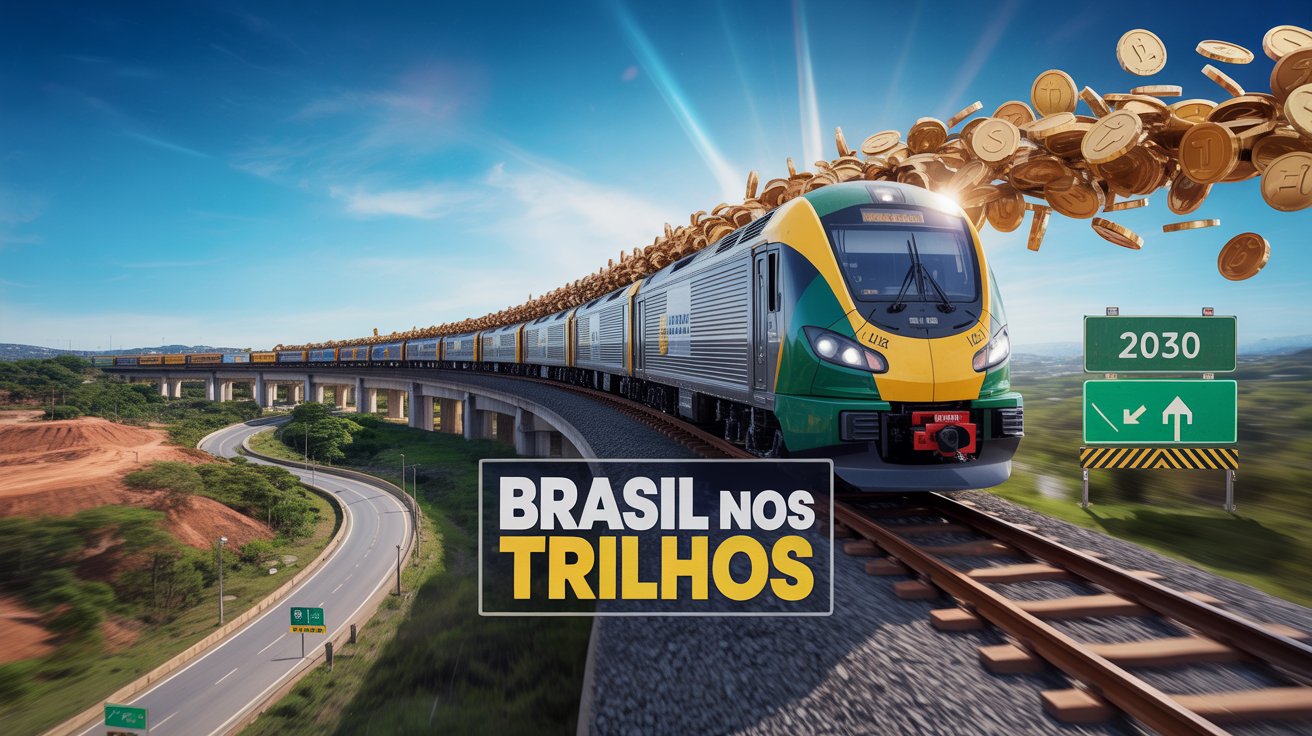
Railway Expansion In Brazil Promises To Modernize Logistics, Reduce Environmental Impact, And Create Thousands Of Jobs With Billion-Dollar Investments In The Sector By 2030.
Brazil can transform its logistics and advance in modernizing national infrastructure by expanding up to 19 thousand kilometers of railway network, according to estimates from the National Railroad Plan launched by the federal government in June 2025.
The initiative promises to remove around 5 thousand trucks of ore daily from highways, contribute to the creation of 4 thousand new jobs, and boost the railway sector as a sustainable alternative to road transport.
National Railway Plan: Investments And Goals By 2030
The new plan, developed under the coordination of the Ministry of Transport, aims to simplify regulations and expedite the issuance of environmental licenses, facilitating private and public investment in the sector.
-
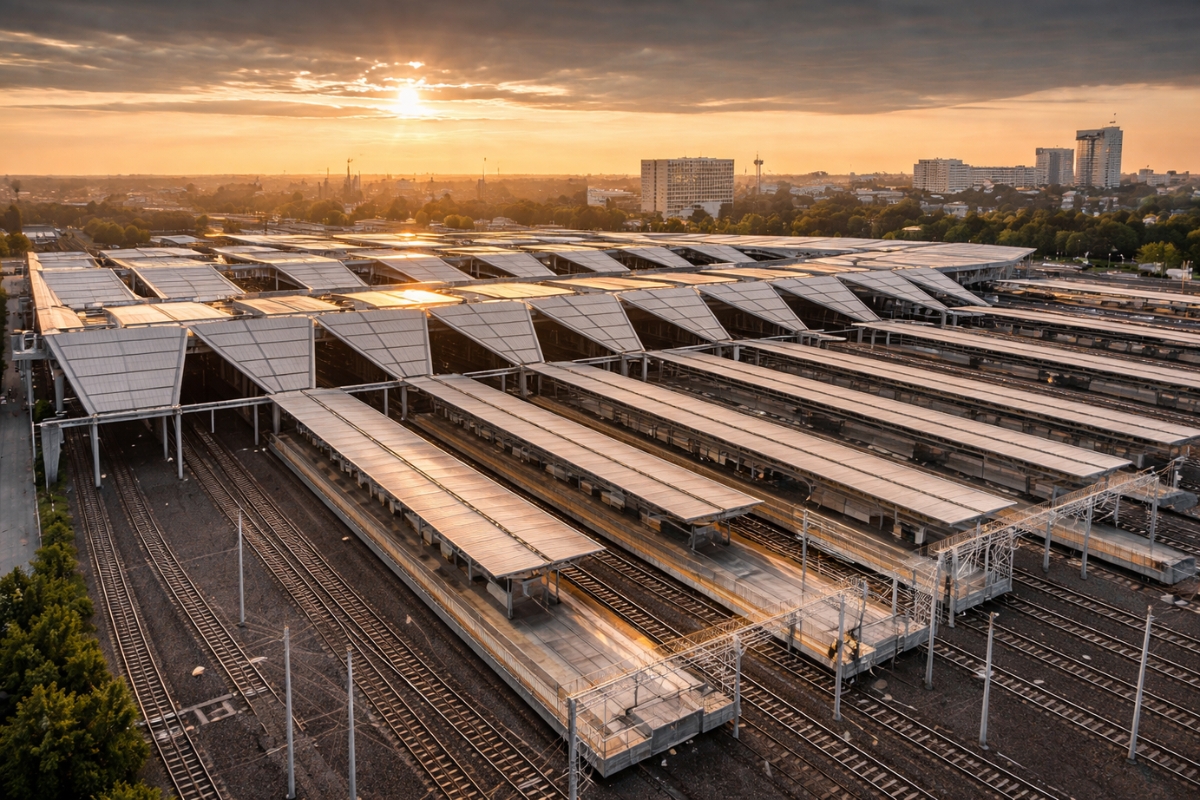
In A European City, The Country’s Largest Railway Junction Was Modernized Without Closing Its Doors, Kept Trains Running During Years Of Construction, Now Serves Up To 60,000 Passengers Per Day, And Installed Solar Panels That Generate About 30% Of Its Energy
-
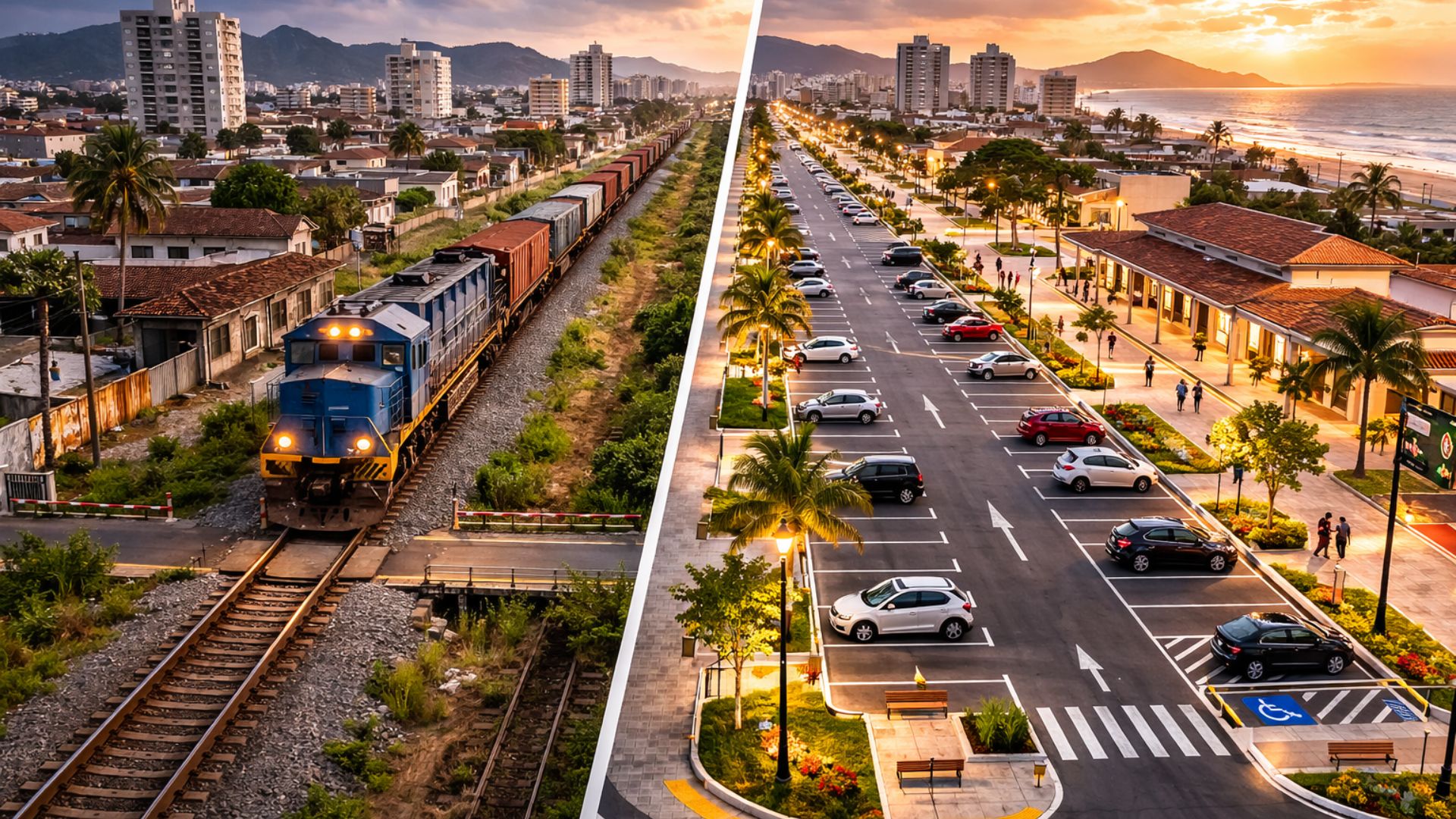
Famous Brazilian Railway May Become a Parking Lot
-
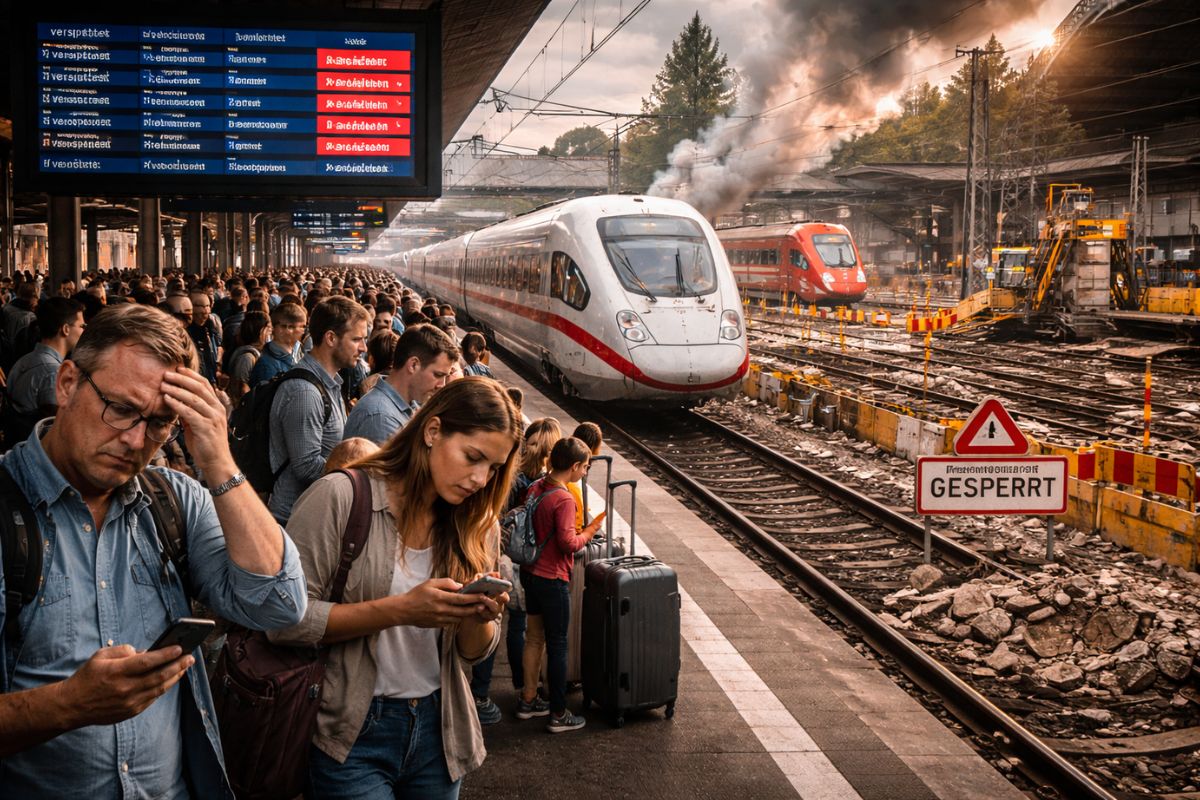
The Country of “Punctual As a Train” Admits It Has Lost Control: High-Speed Trains Delay, Stop, Disappear from the Map and Turn 6-Hour Trips into 10, While Deutsche Bahn Promises Restructuring in 2026 But Faces 19th Century Infrastructure, Staff Shortages and Sections Closed for Months
-
With an Investment of R$ 700 Million in One of the Country’s Main Rail Networks, VLI Reinforces Infrastructure, Receives 8 New Locomotives, and Expands the Corridor Connecting 7 States, Boosting Jobs and the Transportation of Grains, Ore, and Oil Products to the Port of Santos
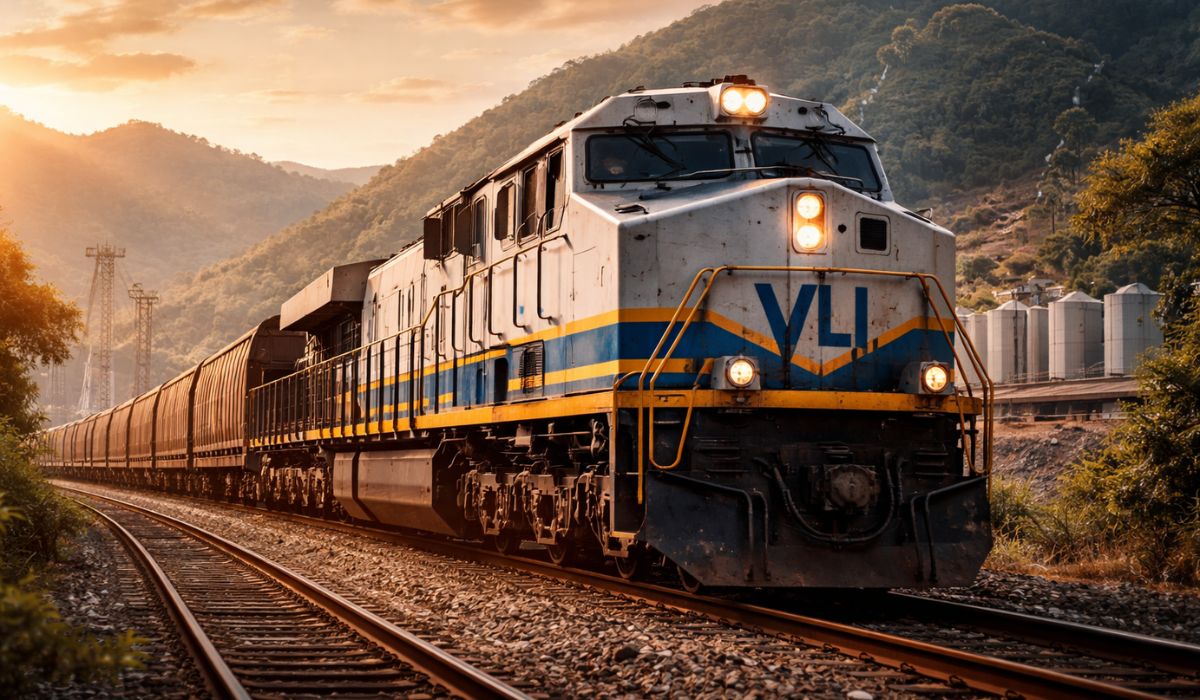

The focus is on decentralizing and diversifying the logistics matrix, historically dependent on highways, and promoting railway transport to reduce operational costs, increase efficiency, and diminish environmental impacts.
The total projected investment reaches R$ 138.6 billion, distributed across 15 priority projects, including new undertakings, expansions, and upgrades, in addition to the renegotiation of ongoing concessions.
The New Growth Acceleration Program (PAC) currently encompasses 39 initiatives related to the railway modal, covering studies, construction of new sections, and revitalization of existing lines.
Expansion Of The Railway Network And Modernization Of Concessions
Among the main measures announced is the transfer of approximately 4,700 kilometers of railways to private control, with plans for six auctions by 2027.
The government also plans to complete stalled works and integrate different sections, overcoming historical challenges such as the lack of gauge standardization – rail width – and the difficulty in granting passage rights between different operators, issues that traditionally hinder the interoperability of the national railway network.
According to experts, increasing the participation of railway transport can provide significant gains for the Brazilian economy.
The movement of large volumes of ore and agricultural products across the country, currently concentrated on highways, causes accelerated wear of road infrastructure, congestion, and high levels of pollutant emissions.
By removing heavy trucks from the roads, it is estimated that there will be a significant reduction in accidents and logistical costs, as well as lower carbon gas emissions.
Project Bank And Strengthening Of The Railway Sector
The national railway transport secretary, Leonardo Ribeiro, highlighted in recent events that strengthening the sector involves creating a project bank for railway projects at different levels of technical maturity.
According to him, experiences from recent years have shown that poorly structured projects hinder the viability of auctions and delay the progress of investments.
“It is essential to spend time developing consistent projects to ensure that resources effectively translate into works and services,” he stated.
The plan also opens space for international partnerships, such as ongoing negotiations with the European Union to expand technical agreements and investments in the sector.
Drawing inspiration from successful international models, such as shortlines — short-distance railways integrated into the main network — emerges as an alternative to enhance the reach of the tracks and enable more efficient operations in strategic regions.
Serra Azul Railway And Environmental Impact
A practical example of this approach is the Serra Azul Railway, a project by Cedro Participações, a Brazilian conglomerate operating in the sectors of mining, logistics, agribusiness, and health.
With an estimated investment of R$ 1.5 billion, the railway will have 26.47 kilometers in length, connecting the municipalities of Mateus Leme and São Joaquim de Bicas, in Minas Gerais, to the Southeast Regional Network.
The direct connection to the Port of Itaguaí (RJ), where the company is constructing an iron ore terminal, will allow the transportation of up to 24 million tons per year, removing around 5 thousand trailers daily from the highways and contributing to a reduction of approximately 40 thousand tons of annual CO2 emissions.
In addition to the environmental impact, the operation of this railway line promises to contribute to road safety, especially on BR-381, a highway known for its high accident rates and nicknamed “Highway of Death.”
The expectation is that the transfer of heavy transport to the tracks will result in a decrease in the number of accidents and the preservation of lives.
According to the president of the board of Cedro Participações, Lucas Kallas, the initiative follows examples from countries like the United States, where there are hundreds of such branches.
He stated that the savings generated by substituting road transport for railways can reach millions of reais, in addition to the social benefits associated with safety.
The schedule for the Serra Azul Railway plans to start construction in 2027 and begin operations in 2030.
Land studies are ongoing to minimize the impact on properties and local populations, prioritizing routes that utilize natural pathways and avoid densely populated areas.
The project is also expected to generate around 4 thousand direct and indirect jobs and boost tax revenue in the municipalities involved.
Challenges For Integration And The Future Of Railway Logistics
The bet on the railway modal, in addition to addressing the logistical challenge, is aligned with global efforts for decarbonization and the adoption of more sustainable practices in the economy, especially in the sectors of mining, agribusiness, and long-distance cargo transportation.
Brazil, which has one of the largest railway networks in Latin America, sees new investments as an opportunity to reverse the historical sluggishness in sector works and modernize its transport matrix.
However, the challenges remain considerable.
Experts point out that integrating the railway network requires long-term policies, cooperation between the public and private sectors, as well as clear rules to ensure predictability and legal security for investors.
The lack of gauge unification, the need for interoperability, and the bureaucracy in environmental licensing processes continue to be among the main obstacles, although the new national railway plan presents ways to overcome them.
Brazil is on the brink of a new railway era, which could redefine the future of logistics, employment, and sustainable development in the country.
Given this transformative scenario, which other regions and sectors could directly benefit from the expansion of the national railway network?








Seja o primeiro a reagir!