





 Portuguese
  English
  Spanish
  6 min of reading
  0 comments


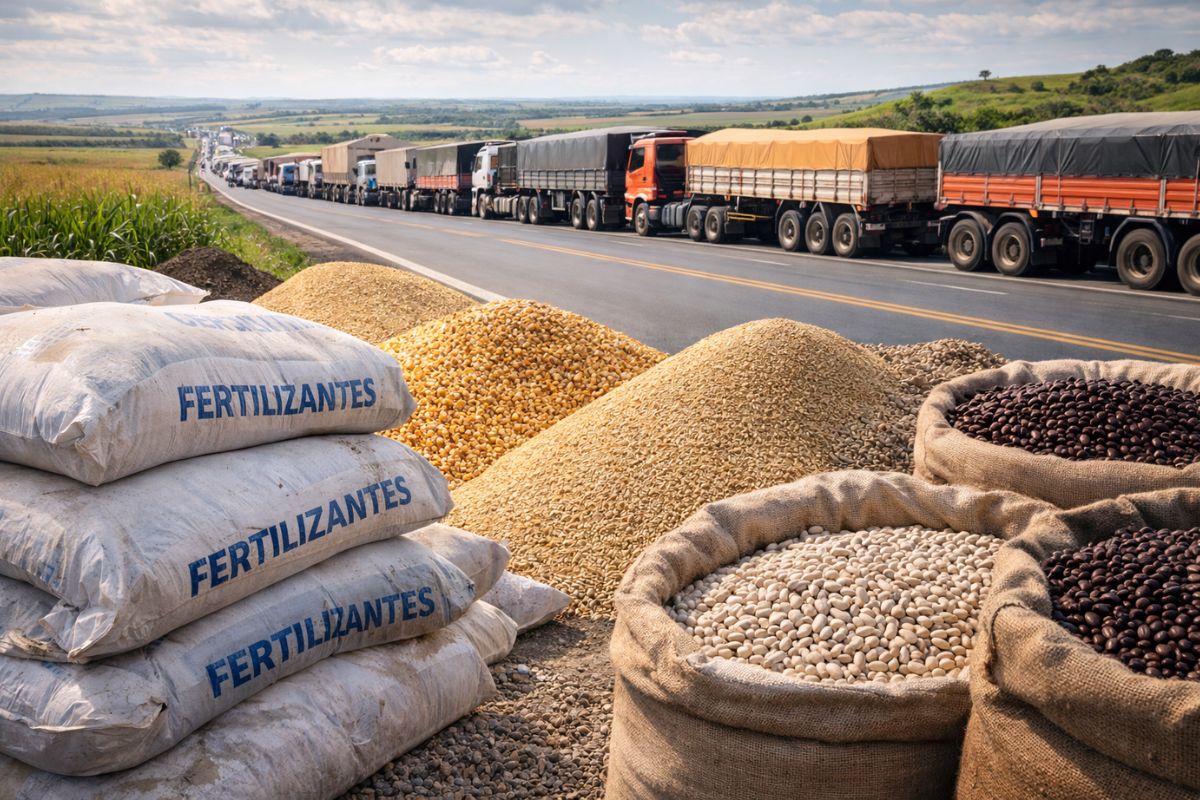
The Agro Closes 2025 With 45.5 Million Tons of Imported Fertilizers, Advances in Grain Exports, and Signs of Logistical Pressure, While Beans Soar and Coffee Declines in Volume but Increases in Revenue
The agro begins 2026 with a portrait of strength and alertness at the same time. The data shows a record in fertilizer imports in 2025, growth in agricultural exports, and a forecast of rising freight costs starting in February, a trio that directly impacts cost, planning, and competitiveness.
At the same time, the agro enters the year with mixed signals in terms of prices and field pace: beans are accelerating due to supply restrictions and a slow harvest, while instant coffee exports less in volume but generates more revenue. It is a scenario where large numbers coexist with practical bottlenecks, especially in transportation.
Fertilizers Set a Record and Strengthen the Agro Base in 2026
The logistical report from Conab indicated that Brazil’s fertilizer imports reached 45.5 million tons in 2025, a 2.68% increase over 2024, establishing a new record in the historical series.
-
The sugar-energy sector advances with agricultural technology, but agricultural productivity still raises concerns.

-
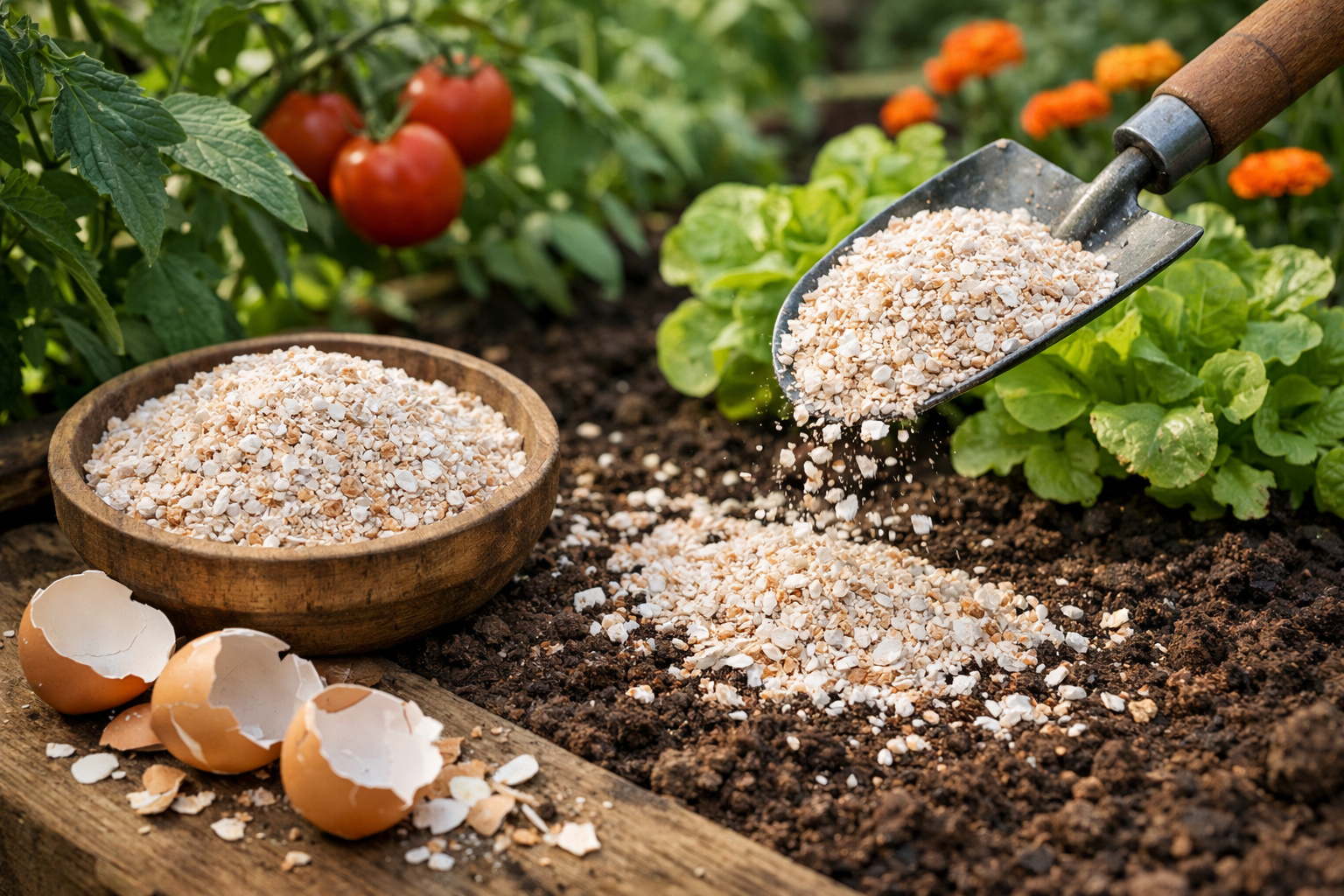
The eggshell that almost everyone throws away is made up of about 95% calcium carbonate and can help enrich the soil when crushed, slowly releasing nutrients and being reused in home gardens and vegetable patches.
-
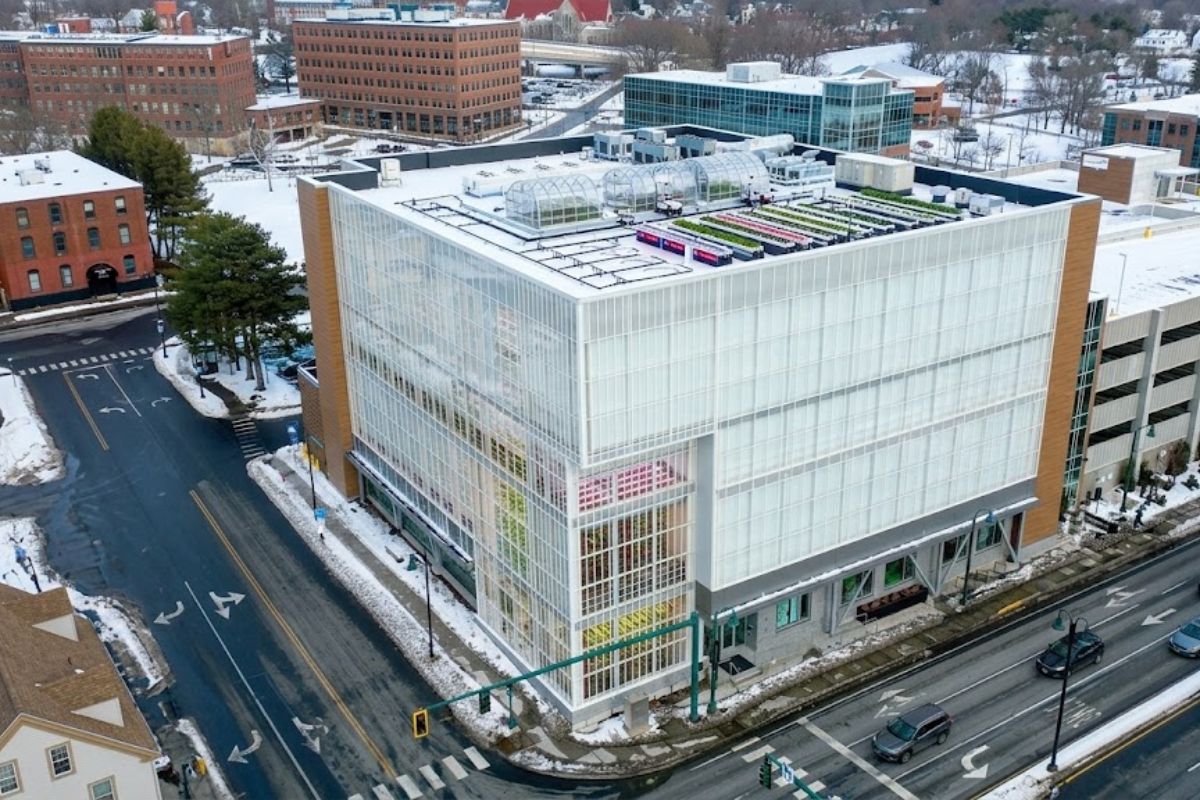
This farm in the United States does not use sunlight, does not use soil, and produces 500 times more food per square meter than traditional agriculture: the secret lies in 42,000 LEDs, hydroponics, and a system that recycles even the heat from the lamps.
-
The water that almost everyone throws away after cooking potatoes carries nutrients released during the preparation and can be reused to help in the development of plants when used correctly at the base of gardens and pots, at no additional cost and without changing the routine.


This volume helps explain why the agro maintains a positive outlook for national agriculture. Mato Grosso, Paraná, and São Paulo lead in fertilizer consumption, confirming the prominence of these states in Brazilian agricultural production.
When the input arrives in volume and with predictability, the harvest planning gains momentum, but logistical costs remain decisive.
Agricultural Exports Grow and Total 172 Million Tons
The data also shows progress in agricultural exports. Corn, soybeans, and soybean meal totaled 172 million tons in 2025, an increase of 6.21% compared to 2024.
This movement sustains the view that agro maintains traction in foreign trade, but also increases sensitivity to bottlenecks in outflow, queues, storage, and transportation costs. The higher the flow, the greater the importance of competitive freight to preserve margins.
Freights: Regional Stability in December and Price Increase Expected Starting in February
In the road freight market, December exhibited different behavior among regions, with price stability and specific adjustments.
In Bahia and Maranhão, freight rates remained stable. In Goiás and Mato Grosso do Sul, there was a slight increase. In Paraná and São Paulo, the fluctuations were minimal.
The most relevant point for the agro in 2026 appears to be the trend: in Mato Grosso, freight rates remained elevated compared to the previous year, supported by high stocks, a record harvest, and expectations of intensified soybean harvest. In Piauí, there was a strong retraction in demand, with an average price drop of over 9%.
Even with this mosaic, the underlying trend is clear: for early 2026, the expectation is for rising costs starting in February.
In other words, the agro enters the year with a risk of higher logistical costs, and this may affect decisions on sales, storage, and outflow pace.
Sugarcane Dryland Zoning Is Updated and Becomes a Risk Management Tool

The Ministry of Agriculture and Livestock published a new agricultural zoning for climate risk related to sugarcane cultivation in dry conditions, intended for the production of ethanol, sugar, and other purposes. The last update was in 2018.
The new version includes the assessment of municipalities that had restricted access to public financing due to Zaicana and utilizes an updated risk calculation methodology, with evaluation of a larger number of soil classes. The climatic time series has also been updated, covering the period from 1992 to 2022.
The data also presents an overview of the area: sugarcane occupied between 9.1 and 10.2 million hectares over the last 10 years, with a greater concentration in the Central-South region and a highlight for São Paulo, which accounts for around 50% of the plantations.
For the agro, zoning is core risk management, as it guides production and also the financial and rural insurance sectors.
Instant Coffee Exports Decline, But Revenue Grows 14.4%
Brazil exported less instant coffee in 2025. The decrease compared to 2024 exceeded 10%. The country exported the equivalent of 3.7 million 60 kg bags last year, a reduction of 10.6%.
Shipments to the United States, the main buyer, dropped 28% in 2025. In the period from August to December, when the tariffs mentioned in the report were in effect, the decrease reached 40%.
Despite this, the revenue generated by shipments reached $1.1 billion, a growth of 14.4%. Domestic consumption also grew and reached record levels, hitting 1.2 million bags, an increase of 9.5% compared to 2024.
It is an example of how the agro can lose volume yet still gain revenue, depending on prices and market composition.
Beans Soar With Restricted Supply and Slow Harvest
Bean prices soared at the end of January, according to Cepea. The increase occurred in practically all monitored regions, with a highlight for black beans and high-quality carioca beans.
The report attributes the boost to supply restrictions, slow harvesting of the first crop, and a lower production scenario compared to last year, especially in southern Brazil.
In the January assessment, the average carioca bean price recorded the highest positive variation in the last four months. Meanwhile, black beans experienced the most intense monthly fluctuation since the beginning of the series mentioned, in September 2024.
In the field, the national harvest of the first crop is advancing slowly, hindered by climatic interferences in different producing regions.
Conab data indicates that by the 24th, the harvest reached 28.3% of the area, below the same period last year and below the average of the last five years. When the harvest is delayed and supply tightens, the agro feels the impact on prices quickly.
Wheat Starts the Year Slowly, With Buyers Stocked
The wheat market is slow at the beginning of the year. The data indicates that producers are focused on harvesting the summer crop and on planting second-crop fields, while buyers are concerned only with partially replenishing stocks.
External negotiations have also not reacted, with imports and exports lower than in January 2025. On the demand side, buyers report being stocked, with remaining volumes and previously signed contracts for January and February, restricting short-term demand.
For the agro, this type of stalling usually delays pricing and prolongs decision-making, rather than resolving issues rapidly.
Soybeans Decline at the End of January and Harvest Advances, With Mato Grosso Leading
At the end of January, soybean prices weakened in the Brazilian market. According to the data, the decline is associated with expectations of record supply in Brazil, weak domestic demand, and the appreciation of the real against the dollar, which reduces competitiveness in the external market.
In the field, the harvest is advancing gradually. Conab’s data shows that the soybean harvest reached 6.6% of the national area by the 24th of January, above the same period last season.
Mato Grosso is leading the efforts, with nearly 20% of the area already harvested. The report also notes concerns in the South, with soil moisture levels below ideal in later-planted crops, and the possibility of more widespread rainfall in the coming days to improve the water balance.
The Summary of Agro for 2026: Strong Production and Logistics at the Center of the Equation
The final picture of the data is clear: the agro combines scale and complexity. Record fertilizers, high exports, and ongoing harvests sustain the volume, but freight costs expected to rise starting in February place logistics as a decisive factor for margin and timing of sales.
In 2026, agro will not only be about productivity, but also about managing costs, risks, and outflow.
In your opinion, what should weigh most on agro in 2026: rising freight costs, the cost of inputs like fertilizers, or the price variation of grains in the domestic market?









-

-

-

4 pessoas reagiram a isso.