





 Portuguese
  English
  Spanish
  4 min of reading
  0 comments



Brazil Needs R$ 278 Billion in Infrastructure in 2025. CNI Warns: 72% Must Come from Private Initiative to Avoid Collapse in Energy, Transport, and Sanitation.
A study released in August 2025 by the National Confederation of Industry (CNI) raised a red flag for Brazil’s future. According to the survey, the country needs R$ 277.9 billion in investments just this year to maintain its infrastructure at a minimally functional level — and 72.2% of this amount should come from the private sector. The numbers reveal a worrying scenario: without this funding, Brazil risks facing saturated ports, pothole-filled roads, energy bottlenecks, and collapsing sanitation, compromising economic growth and international competitiveness.
Where the Biggest Bottlenecks Are
The CNI detailed that investments are urgent in three main areas:
- Energy: the sector demands R$ 145.7 billion, nearly 53% of the total. This includes the expansion of the electricity matrix, modernization of transmission lines, and incentives for the transition to renewables.
- Transport: R$ 77.6 billion is needed for road maintenance, railway expansion, and port modernization.
- Sanitation: the historic deficit requires R$ 54.6 billion in sewer and drinking water projects, aligned with the legal framework that provides for universalization by 2033.
These three sectors account for 99% of the demand, making it clear that the country needs to directly address long-standing problems that hinder development.
-
Historic bankruptcy of Centauro shocks the market, and the century-old company puts more than 500,000 products, machines, and complete infrastructure up for online auction.

-
New shoe factory in Ceará is expected to create 400 jobs and strengthen the local economy.

-
No one imagined it, but a mixture of sawdust with a mineral that fights fires surprises scientists with a result that changes the course of fire-resistant construction.

-
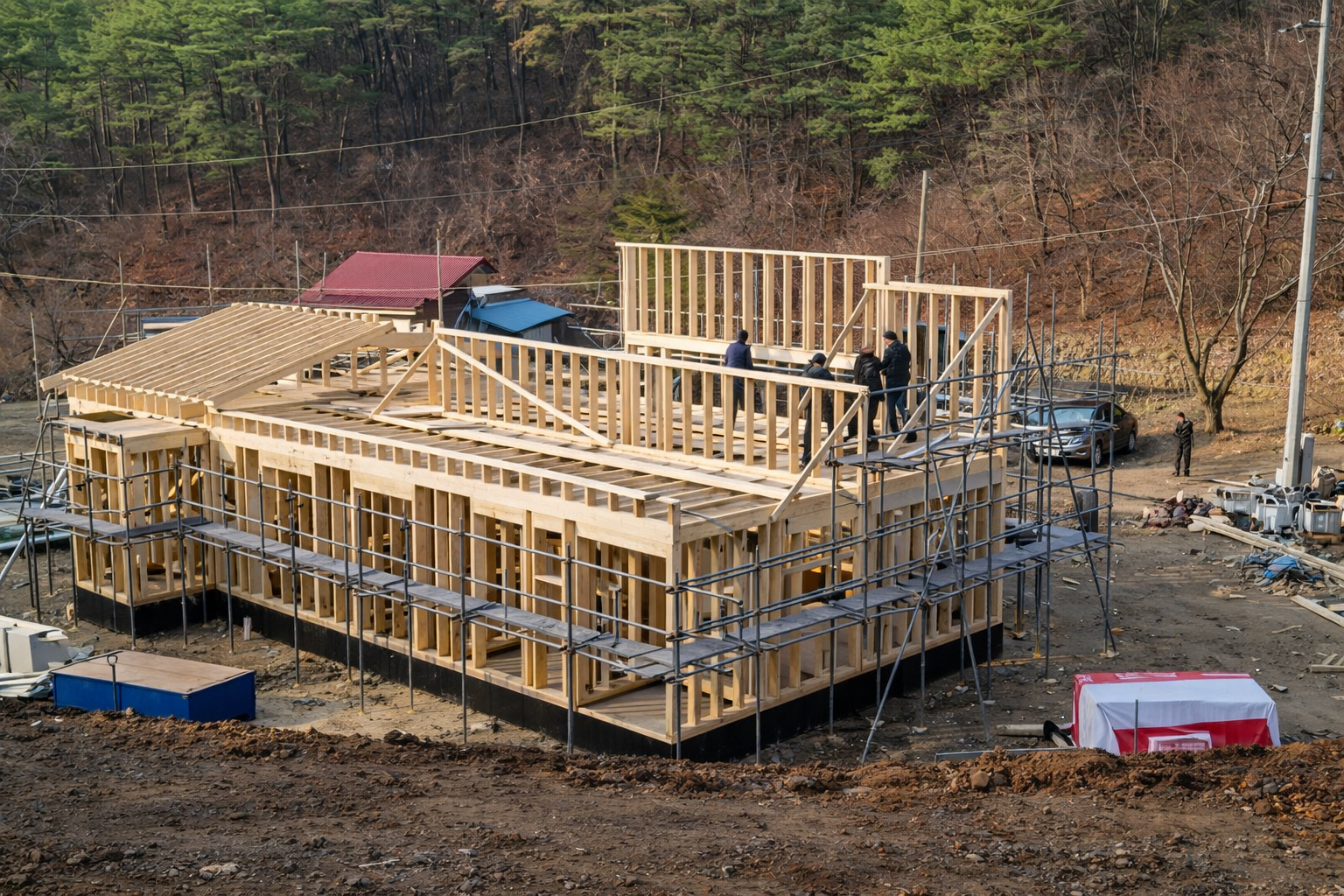
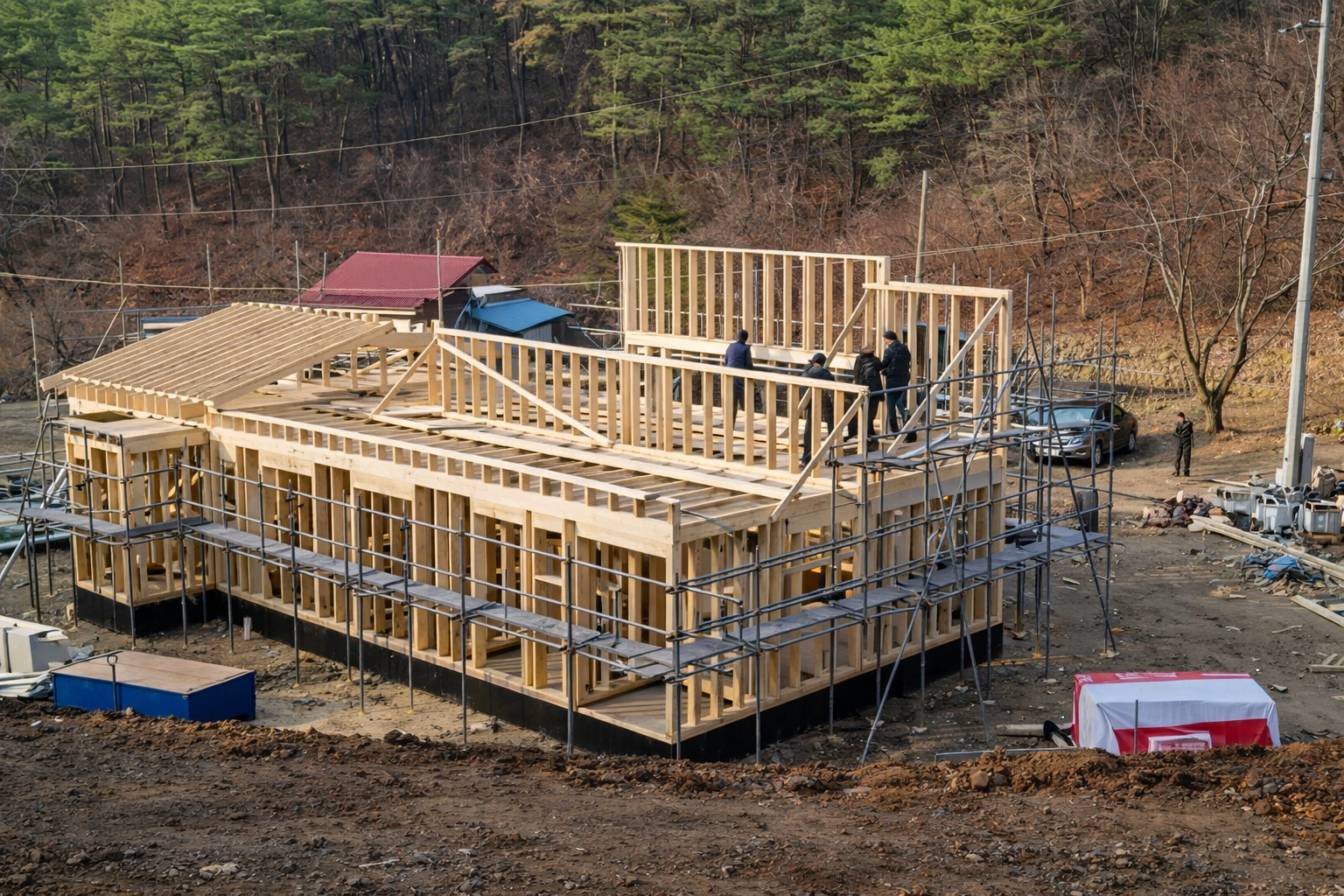
From empty land to a high-end house, wooden construction uses a lightweight system, metal structure for the foundation, ventilated ceramic cladding, and special windows to create an efficient and comfortable living space throughout the year.

The Dependence on the Private Sector
Of the total R$ 277.9 billion, only R$ 77.4 billion would come from public resources. The remainder, equivalent to R$ 200 billion, depends on the private initiative, through concessions, PPPs (Public-Private Partnerships), and direct investments.
This not only highlights the size of the fiscal challenge faced by Brazil, but also the growing reliance on private capital as a driver of infrastructure. The problem, according to experts, is that the country still suffers from regulatory insecurity, judicialization of contracts, and bureaucracy, factors that deter foreign investors.
The Account That Does Not Add Up
For the CNI, the situation is even more critical because Brazil historically invests only 2% of GDP in infrastructure, while benchmark emerging countries, such as India, invest over 5%.
In practice, this means that the country accumulates a deficit that turns into a logistical bottleneck and loss of competitiveness. Transporting grains from the Midwest to Southeast ports, for example, can cost up to twice the international price per ton, according to data from Esalq/USP.
In sanitation, inequality is evident: 35 million Brazilians still live without treated water and over 90 million without sewage collection. Each year without adequate investment means billion-dollar losses in public health and productivity.
The Weight of Energy in the Equation
More than half of the investment needs are concentrated in the energy sector. Brazil, despite having a relatively clean electricity matrix, faces risks of transmission bottlenecks and needs to increase the integration of renewables, such as solar and wind.
Furthermore, the increase in industrial demand and the electrification of the vehicle fleet projected for the next decade will require rapid expansion. Without this, the risk is of localized blackouts, rising tariffs, and loss of competitiveness to countries that are already accelerating their energy transitions.
Transport: The Achilles’ Heel
Transport is another critical point. Brazil relies on roads for 65% of the cargo transported, many of which are in poor condition. Railways, which could alleviate the pressure, still cover only a fraction of the needed network.
The lack of investment in ports and waterways also raises logistics costs, causing Brazilian agricultural and industrial products to reach international markets at higher prices. For agribusiness, this means losing ground to competitors like the United States and Argentina.
Sanitation: The Historical Delay
Basic sanitation is the picture of national inequality. Despite the legal framework that provides for universalization by 2033, annual investments are below what is needed to achieve the goal. In 2025, the CNI estimates that R$ 54.6 billion would be needed just to keep the schedule on track.
Every R$ 1 invested in sanitation generates R$ 4 in health savings, according to the WHO, but the sector still faces barriers to financing and political resistance in some regions.
Risk of Collapse and Loss of Competitiveness
If the R$ 278 billion is not applied in 2025, experts warn of a risk of collapse in strategic sectors. The domino effect could be devastating:
- Delay in agricultural and industrial exports due to saturated ports.
- Difficulties in energy supply, with a direct impact on industry.
- Slow progress in the universalization of sanitation, perpetuating diseases and inequality.
- Loss of market share in global trade, at a time when emerging countries are accelerating investments.
The final consequence would be reduced economic growth, increased poverty, and greater difficulty in attracting foreign capital.
The Future: A Brazil Between Delay and Opportunity
Despite the dramatic scenario, experts point out that 2025 could also be a window of opportunity. If the country can attract R$ 200 billion from the private sector, unlock concessions, and advance regulatory reforms, it could turn the deficit into a growth engine.
The challenge is to reconcile planning, legal security, and political will. Without this, Brazil will remain trapped by historical bottlenecks that drain its competitiveness.
The Infrastructure Clock
The CNI study is more than a projection: it is a warning. Brazil needs to invest nearly R$ 300 billion in a single year just to prevent its infrastructure from collapsing. The account does not add up without the private sector, but investors demand clarity and stability.
The country is at a crossroads. If it acts quickly, it can turn its bottlenecks into growth opportunities. If it delays, it risks seeing its infrastructure become a billion-dollar trap, choking the economy and pushing Brazil further to the periphery of global trade.









Seja o primeiro a reagir!