





 Portuguese
  English
  Spanish
  5 min of reading
  0 comments


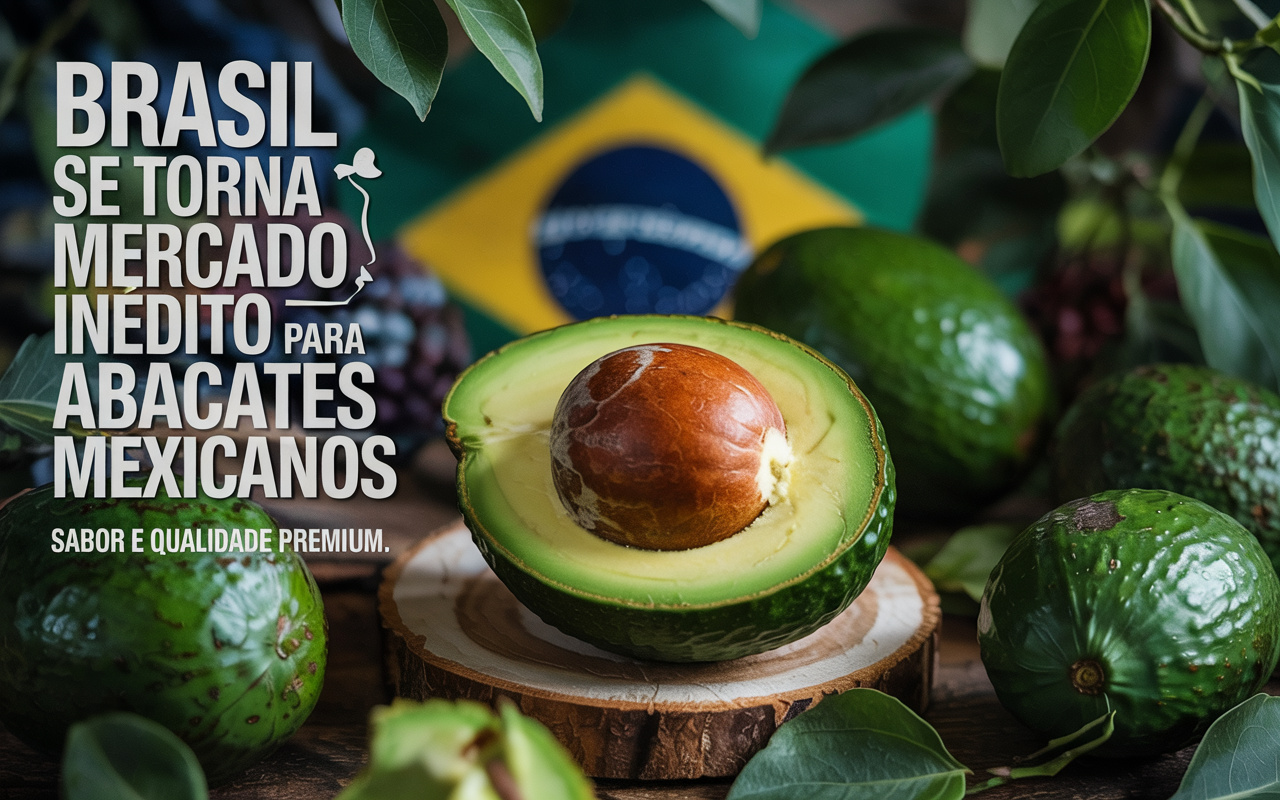
Brazil Authorizes Import of Avocado from Mexico in 2025. Sanitary Agreement Removes Barriers and Opens the Door for Premium Fruits in the Brazilian Market.
The year of 2025 will be marked as a turning point for the Brazilian premium fruit market. In July, an unprecedented agreement was announced between Brazil and Mexico that officially opens the doors for the import of Mexican avocados, one of the most emblematic agricultural products from North America.
Until now, Brazil had never authorized the entry of the Mexican fruit, even though it is the second largest consumer of avocado in the world and the largest market in Latin America. The decision was made possible after the signing of a new sanitary protocol between the authorities of both countries, removing barriers that had existed for decades and paving the way for diversification of the supply in Brazilian supermarkets.
The Weight of Mexican Avocado
Mexico is the largest producer and exporter of avocado in the world. In 2024 alone, the country exported more than 3 million tons, generating around US$ 4 billion in international sales. The so-called “green gold” supplies demanding markets like the United States, Japan, and the European Union, where it is considered a premium product with high added value.
-
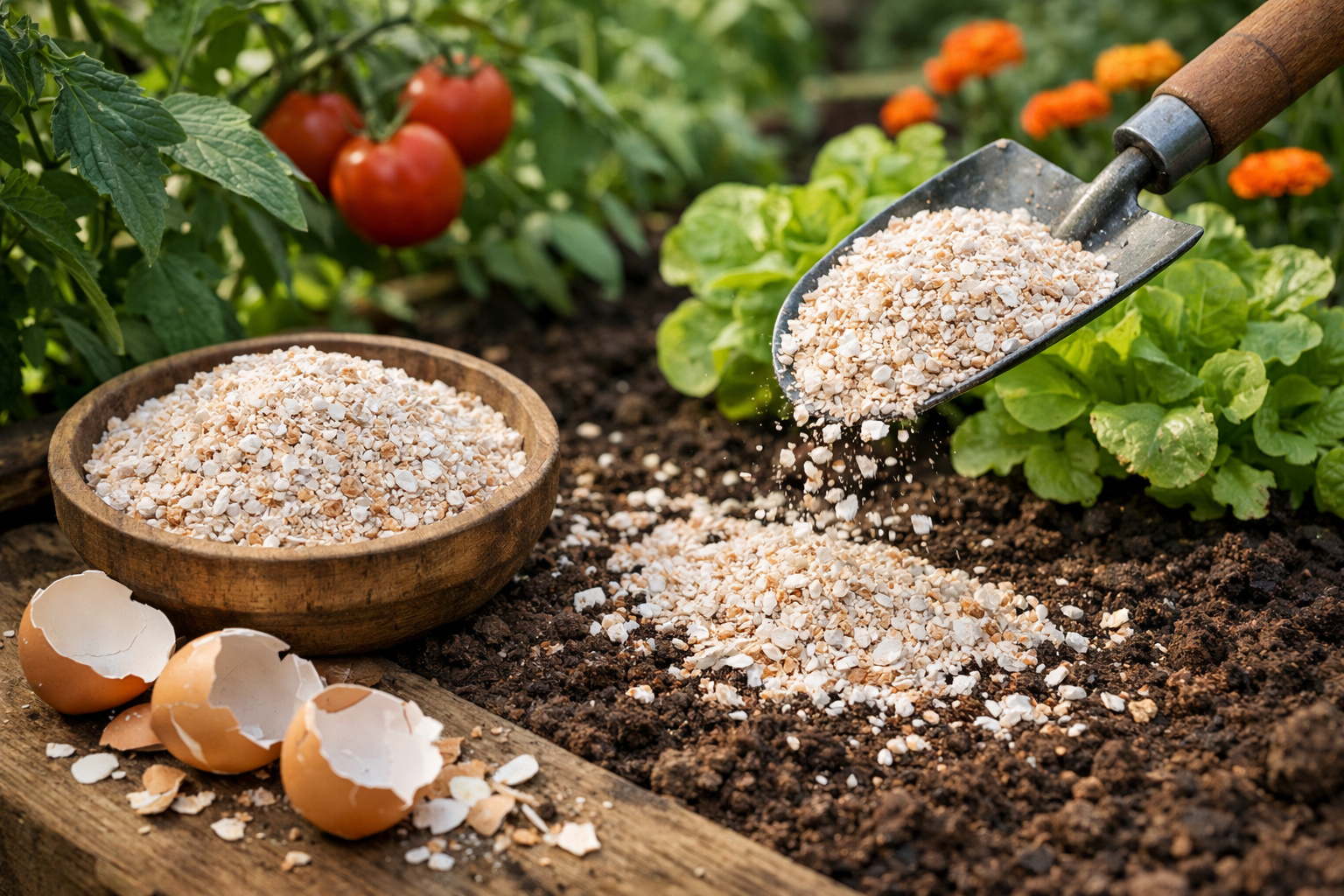
The eggshell that almost everyone throws away is made up of about 95% calcium carbonate and can help enrich the soil when crushed, slowly releasing nutrients and being reused in home gardens and vegetable patches.
-
This farm in the United States does not use sunlight, does not use soil, and produces 500 times more food per square meter than traditional agriculture: the secret lies in 42,000 LEDs, hydroponics, and a system that recycles even the heat from the lamps.

-
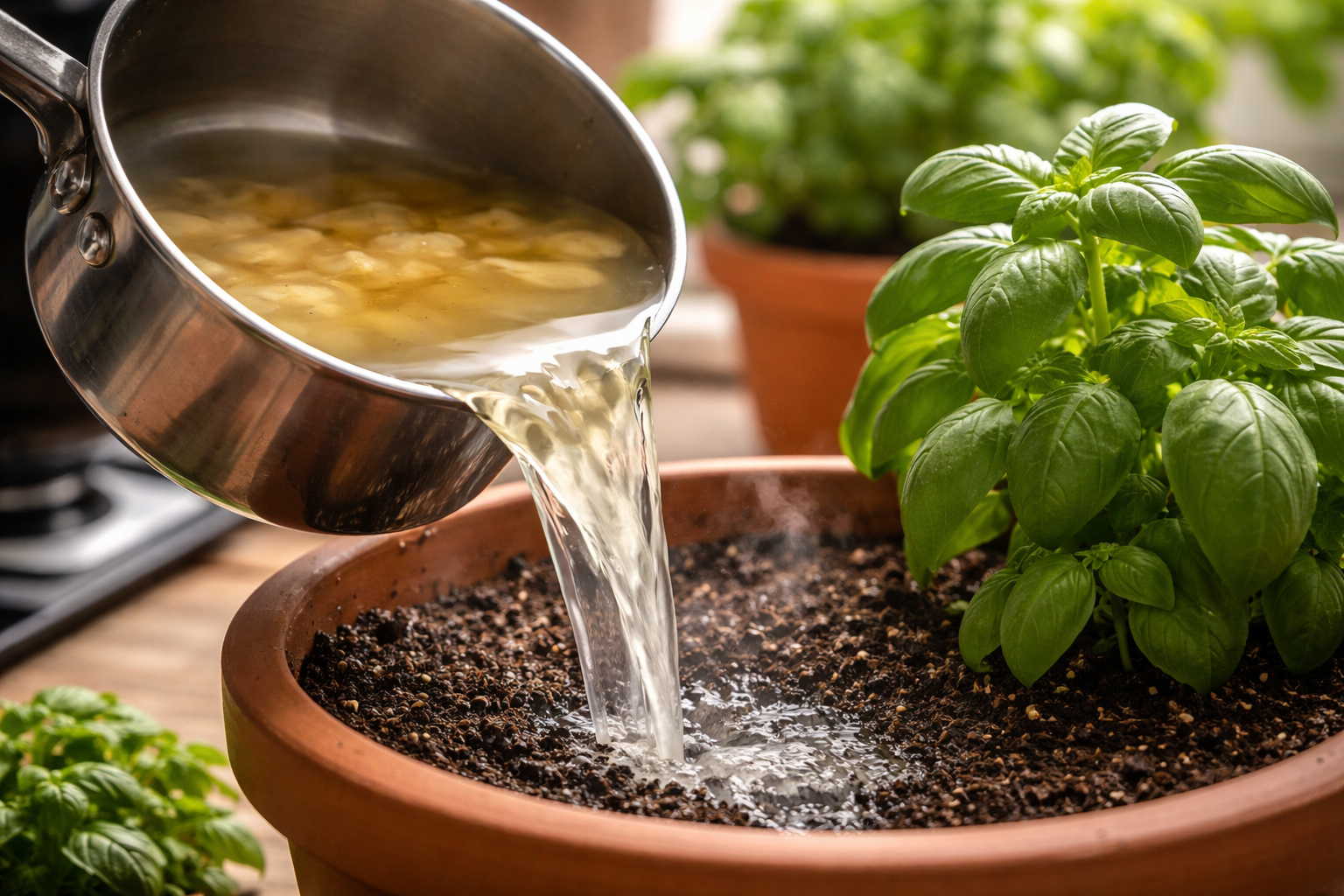
The water that almost everyone throws away after cooking potatoes carries nutrients released during the preparation and can be reused to help in the development of plants when used correctly at the base of gardens and pots, at no additional cost and without changing the routine.
-
The sea water temperature rose from 28 to 34 degrees in Santa Catarina and killed up to 90% of the oysters: producers who planted over 1 million seeds lost practically everything and say that if it happens again, production is doomed to end.


Now, with Brazil’s opening in 2025, Mexican producers gain access to a market of over 200 million consumers, expanding their global presence and further consolidating the country’s image as a world reference in the sector.
Why Did Brazil Open Its Market in 2025?
The negotiations between the two countries lasted for years and involved inspections, sanitary audits, and traceability protocols. The Mexican avocado is grown in areas free from quarantine pests, but it was necessary to prove to the Brazilian government that shipments would meet all phytosanitary standards.
The protocol signed in 2025 was the decisive step. It established clear rules for production, packaging, transportation, and inspection of the fruits, ensuring safety for the Brazilian consumer and confidence for sanitary surveillance authorities.
The move also responds to the accelerated growth of avocado consumption in Brazil. Over the past five years, demand has increased by nearly 20%, driven by the use of the fruit in healthy recipes, fitness cooking, and even drinks. Supermarkets and food service networks pressured for greater diversity in supply and quality, which accelerated the agreement.
Impact on Consumption and Retail
With the opening, Mexican avocados are expected to reach Brazilian shelves as early as the second half of 2025. The expectation is that they will be positioned as premium products, initially in large urban centers like São Paulo, Rio de Janeiro, and Brasília.
Being fruits known for their creaminess, distinctive flavor, and aesthetic standard, they are likely to cater to sophisticated consumption niches willing to pay more for quality. High-end restaurants, specialized healthy food chains, and cocktail bars are identified as the first to incorporate the product into their menus.
According to market analysts, the arrival of Mexican avocados could generate hundreds of millions of reais in the Brazilian retail market as early as 2025, creating a new consumption category.
The Global Struggle for “Green Gold”
The Brazil-Mexico agreement should also be interpreted within the international context of avocado geopolitics. In recent years, the fruit has ceased to be just food and has become a cultural and economic symbol.
In the United States, demand is so high that per capita consumption exceeds 4 kilograms per year. The European Union views avocado as a healthy alternative amid the rise of plant-based diets. Japan, in turn, pays high prices to import Mexican fruit.
By opening its market in 2025, Brazil positions itself within this global circuit. The country becomes not only a consumer but also a strategic piece in the commercial dispute over one of the most valued agricultural commodities on the planet.
Risks and Concerns
Despite the optimism, there are also warnings among Brazilian producers. Brazil is one of the largest avocado producers in the world, particularly in the states of São Paulo, Minas Gerais, and Paraná. Farmers fear that the entry of Mexican fruit may put pressure on internal prices and increase competition.
However, sector entities believe that market differentiation can minimize this impact. While domestic avocados mainly supply large-scale internal consumption, the Mexican ones tend to occupy a premium niche with higher added value. Thus, both products can coexist, each serving specific demands.
Reflections on Brazilian Exports
The opening may also bring indirect benefits. By negotiating the entry of Mexican avocado, Brazil gains leverage to seek greater access for its tropical fruits into Mexico.
Products such as mango, papaya, and melon already have international relevance and may benefit from reciprocal agreements.
In 2024, Brazilian fruit exports generated over US$ 1.2 billion, with highlights for Europe and the Middle East. Mexico, as a strategic neighbor of the U.S. and an expanding consumer market, emerges as a priority target to boost Brazilian agricultural sales.
The Future of the Fruit Market in Brazil
The arrival of Mexican avocado is just the tip of the iceberg of a larger trend: the sophistication of the Brazilian fruit market. More and more, the country is shifting from being just a major exporter to also solidifying its position as a consumer of imported premium products.
With the urban middle class growing and the search for healthy habits on the rise, imported fruits like blueberries, cherries, and now Mexican avocado find space for expansion. Supermarkets, specialized fairs, and e-commerce platforms are already preparing to meet this demand.
A New Chapter in Latin Agriculture
The authorization to import avocados from Mexico in 2025 is more than a commercial transaction. It is the removal of historical barriers and the opening of a new chapter in Latin American agricultural trade.
Brazil, with its purchasing power, becomes a showcase for the region. Mexico, with its productive strength, expands its global influence. Together, the two countries demonstrate that commercial integration can transform the agri-food landscape, creating billion-dollar opportunities and redefining consumption habits.
In the end, what reaches Brazilian tables is more than just a fruit: it is the symbol of a new phase in international trade, where quality, sophistication, and diplomacy meet on the same plate.










-

-

-

-

-

-

57 pessoas reagiram a isso.