





 Portuguese
  English
  Spanish
  5 min of reading
  0 comments


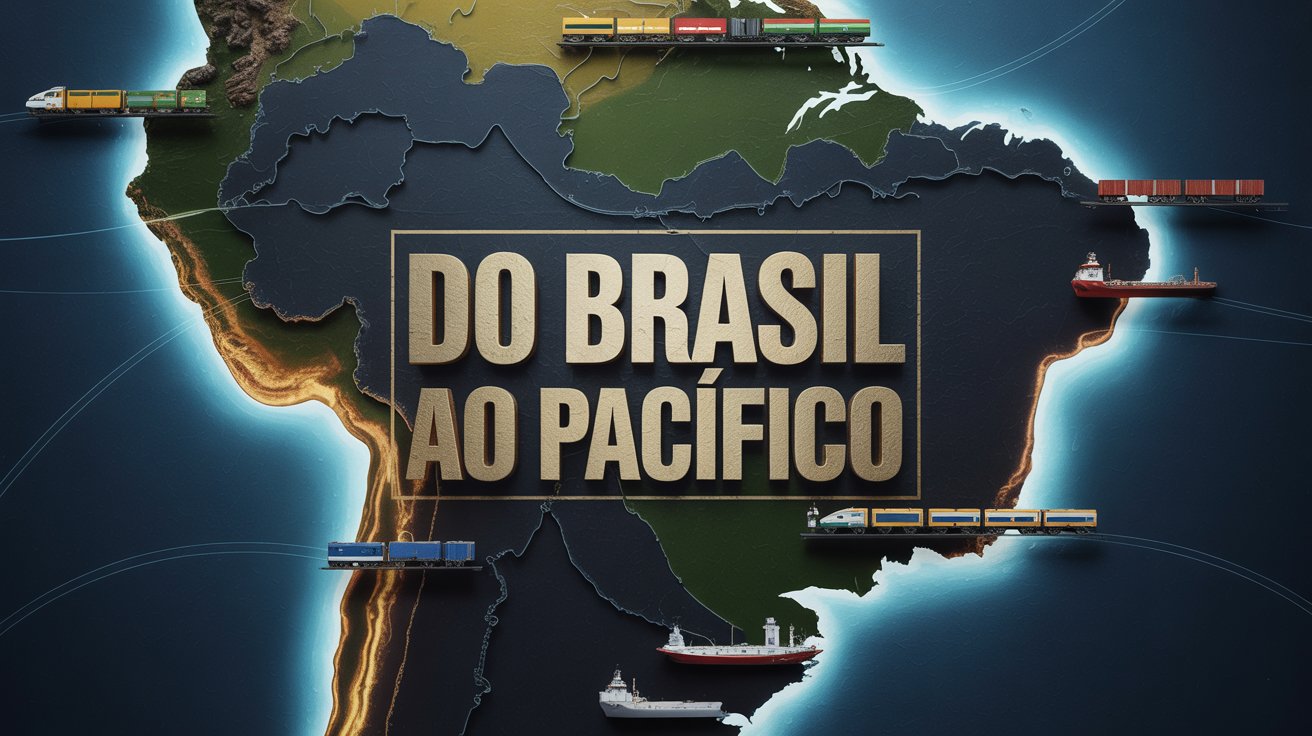
Billions In Rail Projects Advance In Latin America, With A Focus On The Mega-Railway Between Brazil And Peru, A Partnership With China That Could Transform Trade Routes And Integrate Different Biomes, Borders And Production Chains On The Continent.
Latin America has returned to betting on railways. According to the Development Bank of Latin America and the Caribbean (CAF), there are 155 rail projects in the pipeline in the region, with estimated investments of US$ 384 billion by 2050.
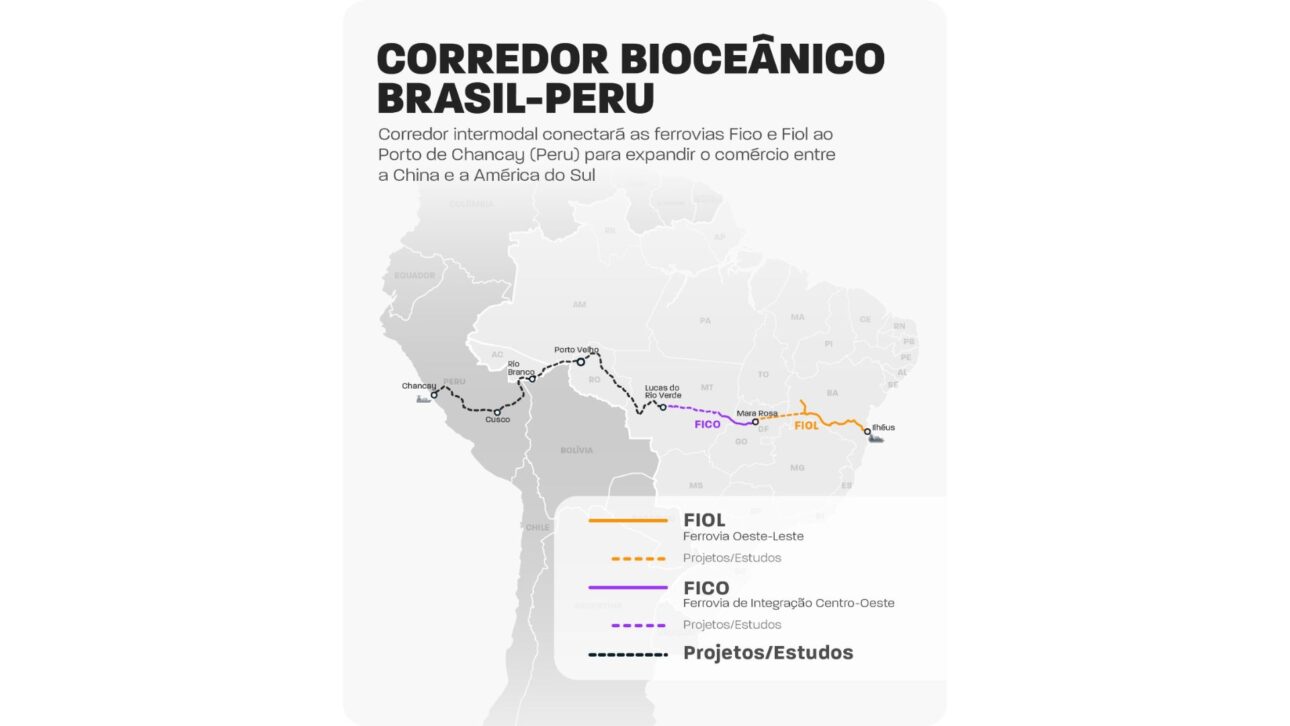
In this scenario, Brazil has proposed a connection of about 3,000 km between Ilhéus (BA) and Chancay (Peru), which is being studied in July 2025 in partnership with China, to shorten routes to the Asian market and connect to ongoing projects on the continent.
A Bioceanic Corridor On Brazil’s Radar
The Brazilian plan, according to the UOL portal, aims to take advantage of existing and granted sections, such as the West–East Integration Railway (Fiol), the North–South Railway (FNS), and the Central-West Integration Railway (Fico), and complete the gaps up to the border with Peru.
-
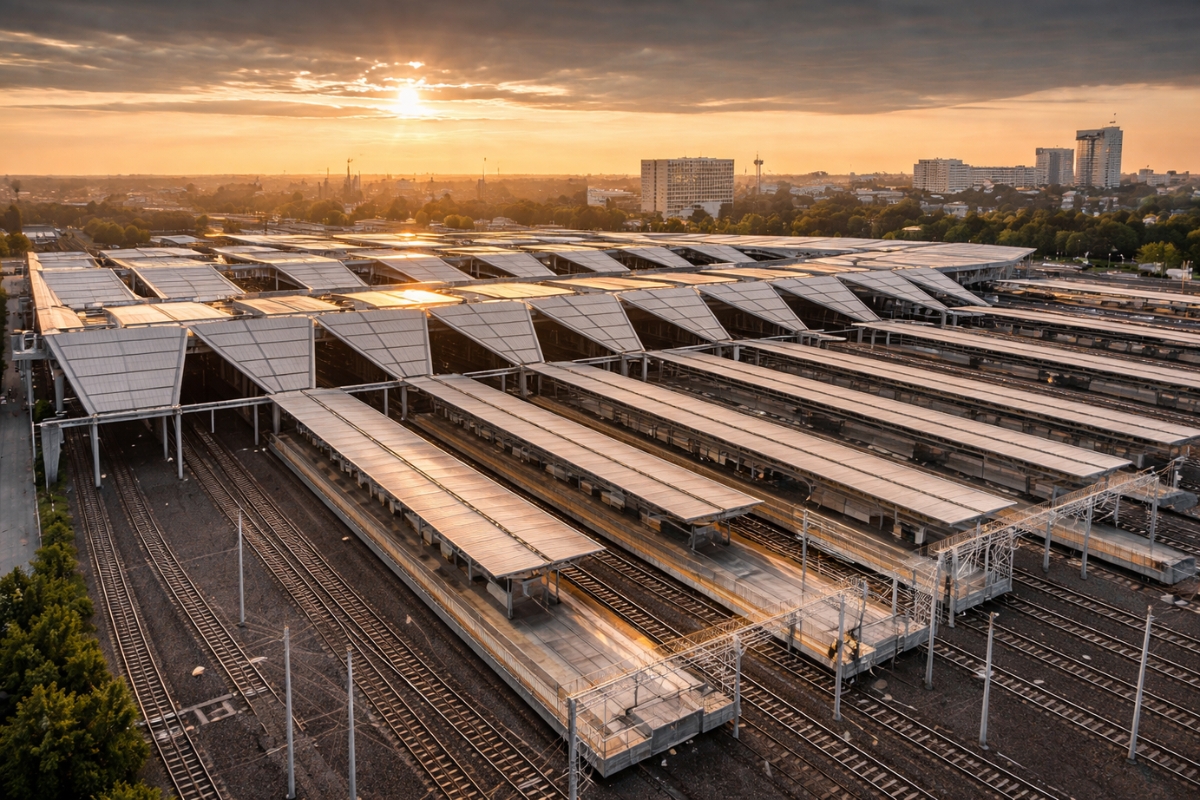
In A European City, The Country’s Largest Railway Junction Was Modernized Without Closing Its Doors, Kept Trains Running During Years Of Construction, Now Serves Up To 60,000 Passengers Per Day, And Installed Solar Panels That Generate About 30% Of Its Energy
-
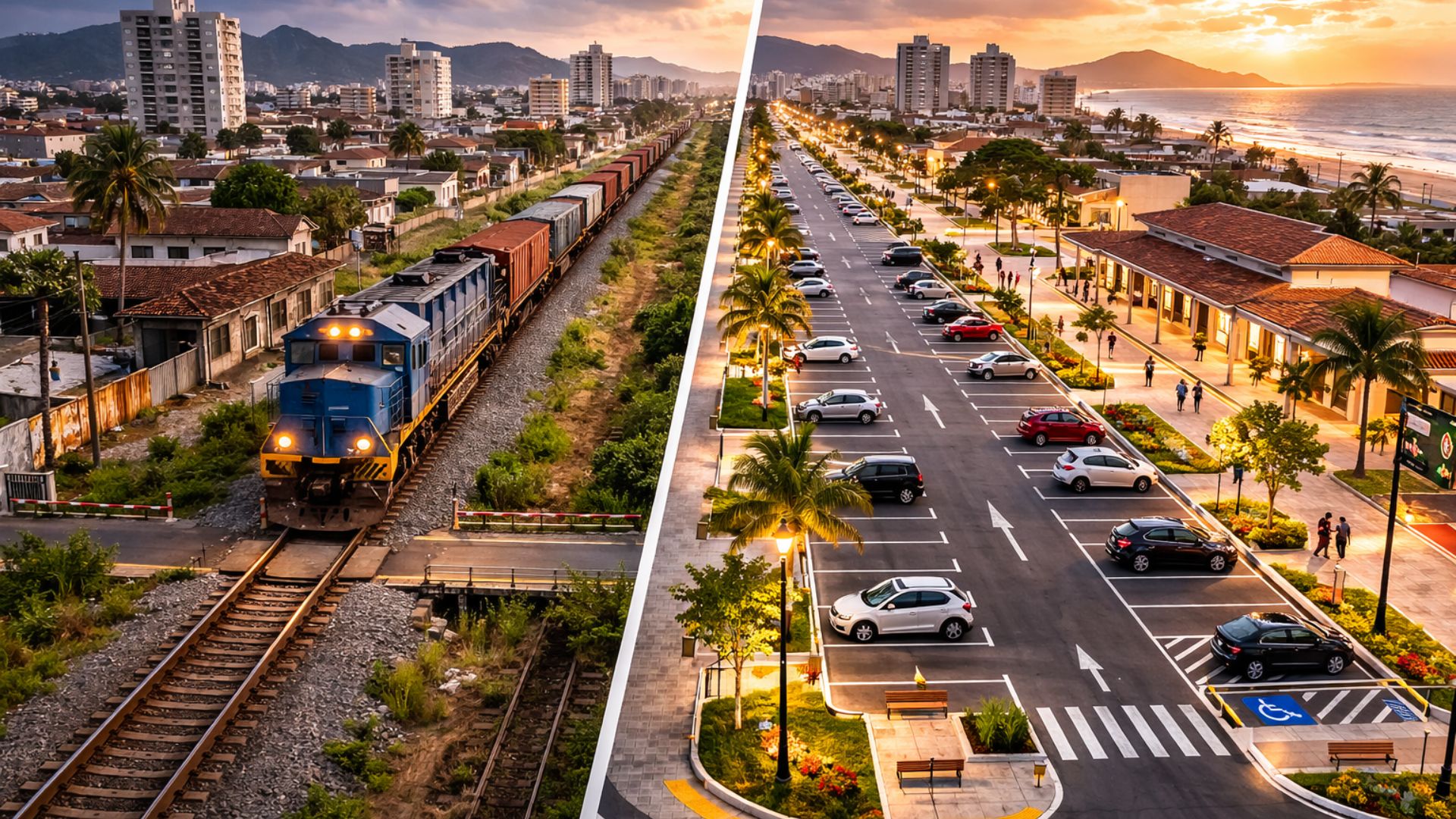
Famous Brazilian Railway May Become a Parking Lot
-
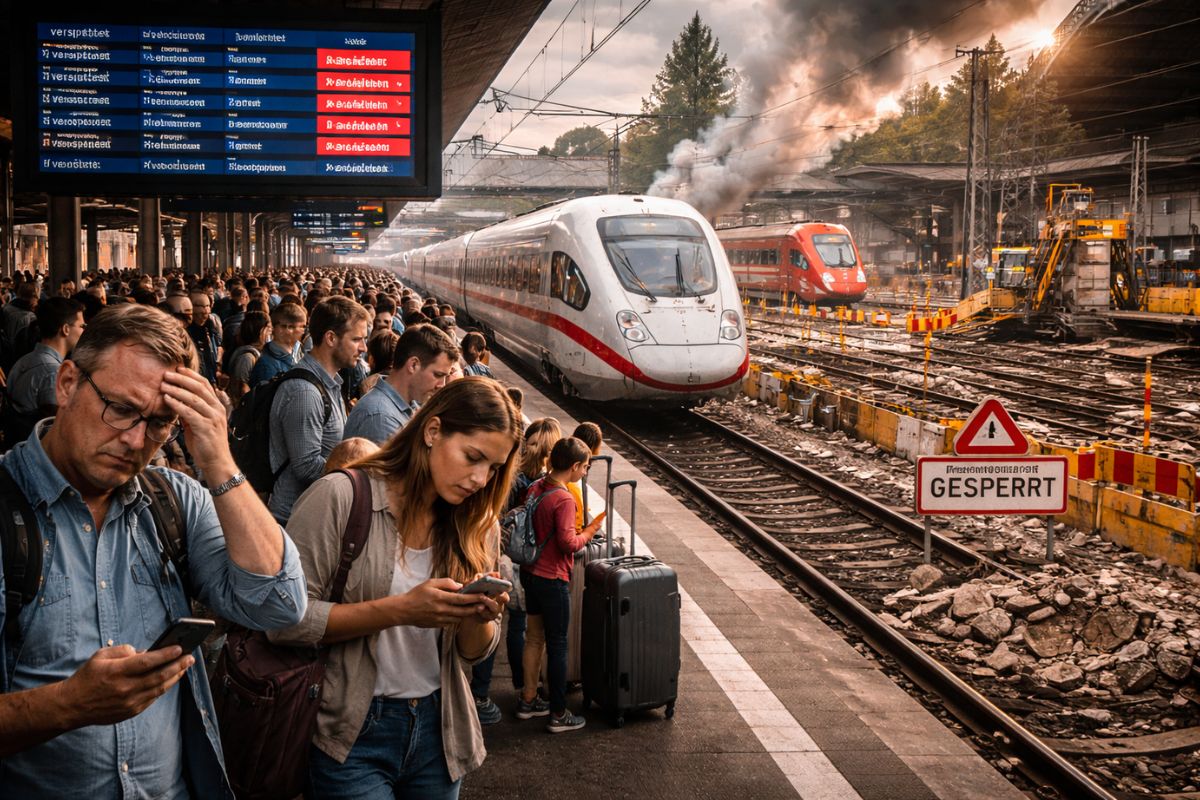
The Country of “Punctual As a Train” Admits It Has Lost Control: High-Speed Trains Delay, Stop, Disappear from the Map and Turn 6-Hour Trips into 10, While Deutsche Bahn Promises Restructuring in 2026 But Faces 19th Century Infrastructure, Staff Shortages and Sections Closed for Months
-
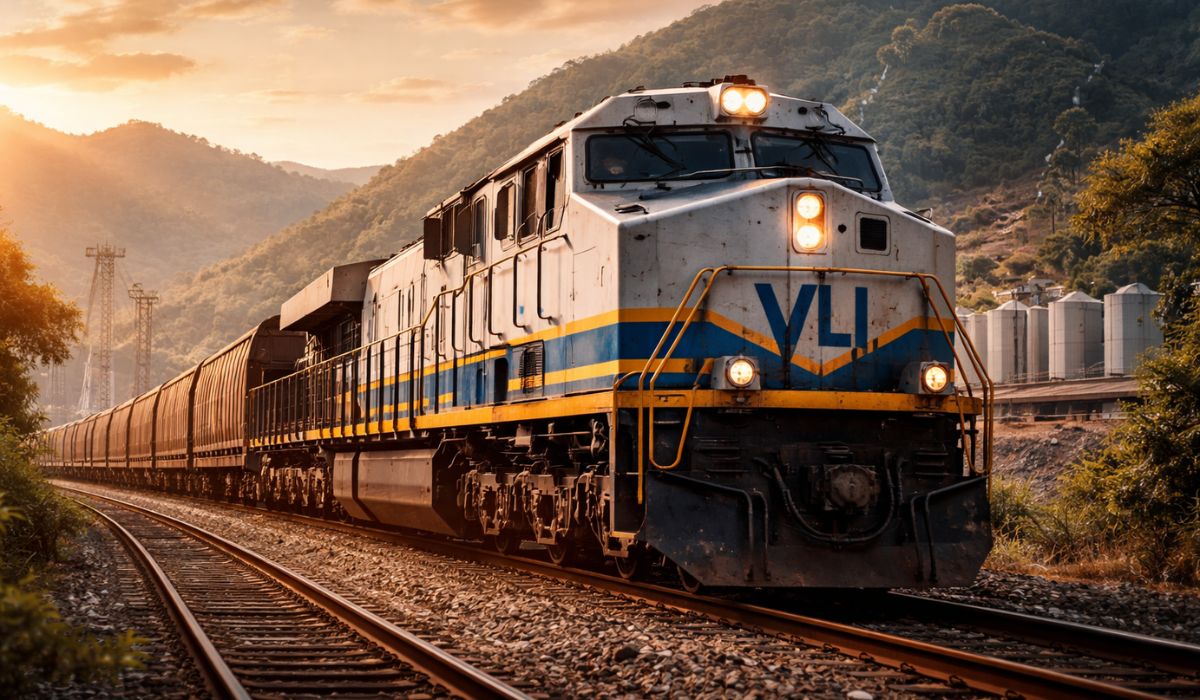
With an Investment of R$ 700 Million in One of the Country’s Main Rail Networks, VLI Reinforces Infrastructure, Receives 8 New Locomotives, and Expands the Corridor Connecting 7 States, Boosting Jobs and the Transportation of Grains, Ore, and Oil Products to the Port of Santos

The proposal crosses five states — Bahia, Goiás, Mato Grosso, Rondônia, and Acre — and traverses four biomes.
The current stage involves feasibility studies and route planning, following the signing of a memorandum between the state-owned company Infra S.A. and the China Railway Economic and Planning Research Institute.
The Planning Minister, Simone Tebet, has advocated for the ambition of the project. “If this project is carried out, we will transform the entire economic landscape of Brazil,” she stated in July.
At the same time, she stated that the initiative will make the country “more competitive,” with direct effects on the North, the Midwest, the interior of the Southeast, and the Northeast.
Chancay As A Gateway To The Pacific
On the Peruvian side, the port of Chancay gained prominence after its inauguration in November 2024, with majority investment from the Chinese company COSCO.
The intended rail connection would redirect loads from Brazilian agribusiness and mining to the Pacific, reducing travel days compared to routes through the Panama Canal or the Cape of Good Hope.
For foreign trade experts, this change has the potential to reposition logistics corridors from the Midwest in trade with Asia.
Industry Reaction And Environmental Criticism
The approach to Beijing, however, divides opinions. The Brazilian Railway Industry Association (Abifer) expressed indignation at the possibility of acquiring rolling stock from abroad and advocated for greater prioritization of the national production chain.
The organization argues that the domestic sector has the capacity and idle resources to meet new demands and generate skilled jobs. Environmentalists and social movements also point out risks.
A railway of this scale crosses sensitive areas and may induce indirect deforestation, although rail operations emit less than road transport per ton.
In Maranhão, for example, quilombola leaders have been questioning a megaport with an associated railway in an area near São Luís, citing possible territorial and social impacts along the proposed route.
In the case of the bioceanic corridor, the government claims that the studies will consider alternatives that avoid indigenous lands and areas of higher conservation.
Regional Integration Gains Traction
The railway reactivation is not limited to Brazil.
CAF has mapped that, among the 155 projects, 50 are in Brazil, 21 in Mexico, and 20 in Colombia, at different stages of maturity and funding sources.
The institution itself has promoted technical forums and allocated resources for structuring works, on the premise that railways reduce logistics costs and emissions and integrate production chains in the long term.
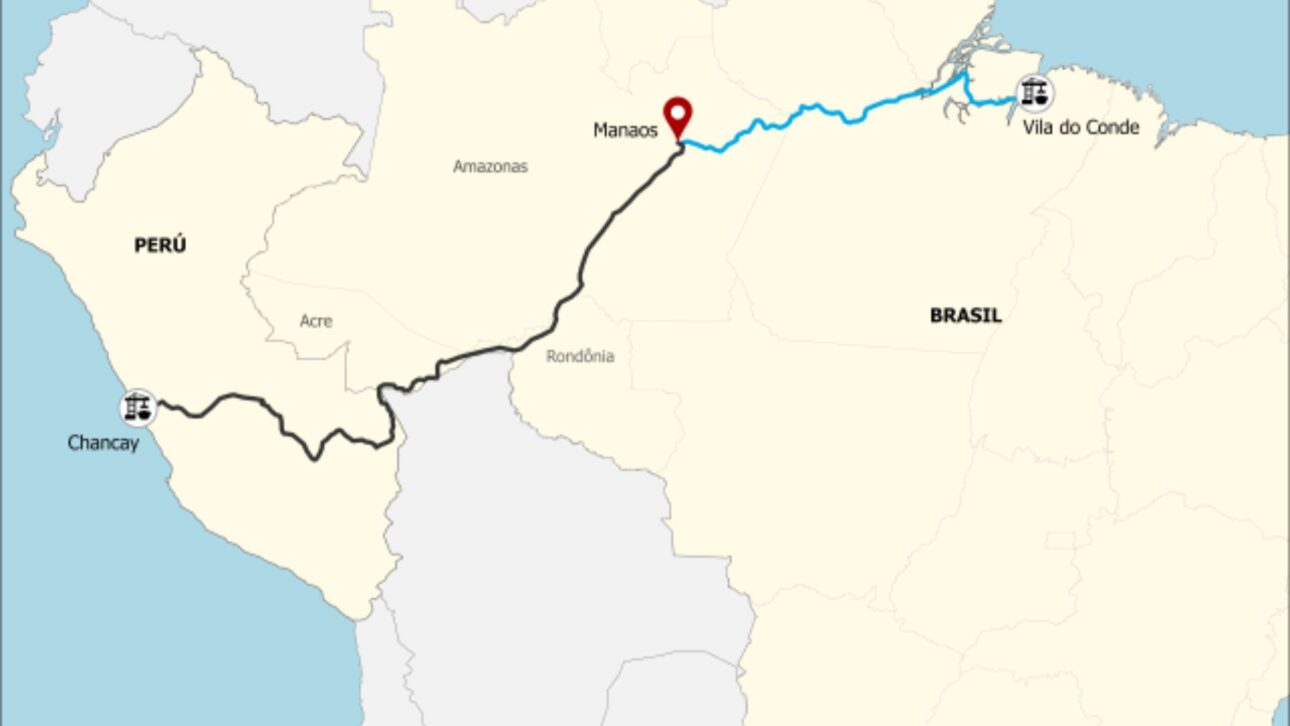
In Peru, in addition to the connection with Brazil, there are discussions about a coastal railway from the border with Ecuador to the southern tip at the border with Chile, to decongest highways and link ports.
The proposal is seen as complementary to the expansion of Chancay and other Pacific terminals.
Mexico: Tren Maya Operation Under Scrutiny
In Mexico, the Tren Maya is the most advanced case of recent operations.
Since its phased inauguration between December 2023 and 2024, the service has accumulated, until mid-July 2025, about 1.36 million passengers on 7,290 trips.
Despite the increasing flow, the financial performance is negative. Reports published in 2025 show an accumulated operational loss of 5.807 billion pesos by June of that year, with costs exceeding revenues.
The project director, Óscar David Lozano Águila, downplays the initial losses, stating that the infrastructure creates a new economic hub with medium and long-term returns.
The regional repercussion is immediate. Guatemala has expressed interest in negotiating a connection with the Tren Maya to Guatemala City and, in the future, to Belize.
In recent statements, President Bernardo Arévalo expressed his view of the railway as a vector for cross-border development and advocated cooperation for feasibility studies, with the premise of avoiding protected areas.
Chile And Colombia Speed Up Their Rails
In Chile, the state-owned EFE is pursuing two passenger fronts in the Metropolitan Region of Santiago.
The Tren Alameda–Melipilla has an estimated cost of around US$ 1.9 billion and is progressing with bidding for the underground stretch.
Meanwhile, the Santiago–Batuco project secured a US$ 470 million contract in 2025 for surface works, with the underground stage expected to be bid later.
The Chilean strategy prioritizes medium-distance connections to ease urban traffic and link productive peripheries.
Colombia, on the other hand, continues with the Bogotá Metro project and metropolitan trains.
In September 2025, the capital received the first train of its Line 1, a symbolic milestone of an undertaking that aims to integrate Bogotá with the municipalities of Cundinamarca and relieve a saturated road system.
The country is also discussing an inter-oceanic train and the reactivation of strategic freight sections.

Geopolitics And Logistics On The Same Rails
The geopolitical reading permeates the agenda. Analysts observe that a land route to the Pacific would reduce dependence on routes controlled by third parties and bring Brazilian producers closer to their main buyers in Asia.
For political scientist Mauricio Santoro, a specialist in Brazil–China relations, a direct connection would primarily benefit agricultural and mineral commodity hubs by shortening distances and shipping times.
In parallel, the debate continues regarding environmental safeguards, consultation with communities, and clear local content rules to ensure that benefits materialize without social setbacks.
On balance, the new Latin American railway round combines ambition and caution.
Governments rush to implement high-impact economic projects while facing questions about governance, financing, safeguards, and participation of the domestic industry.
As studies advance and construction sites expand, the central question gains urgency: what railway model does the region wish to prioritize to balance competitiveness, environmental protection, and long-term territorial development?









-

-

-

-

-

23 pessoas reagiram a isso.