





 Portuguese
  English
  Spanish
  7 min of reading
  1 comment


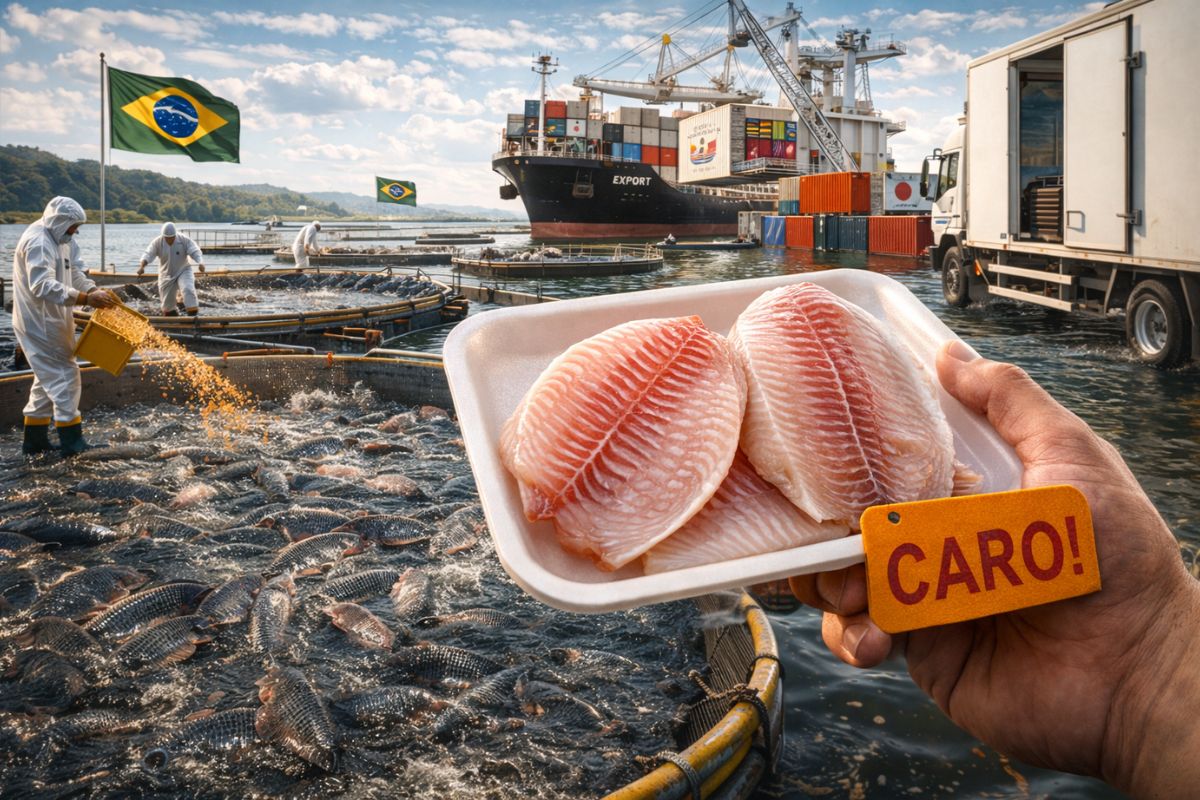


With Record-Scale Tilapia, Tilapia Production in Brazil Coexists with High Tilapia Prices, Pressured by Tilapia Feed and the Export of Brazilian Tilapia.
Have you ever stood in the supermarket seafood aisle wondering why a fish that Brazil produces in absurd quantities is so expensive? If the answer is yes, you’re not alone. And if you think it all boils down to supply and demand, take a deep breath, because the story of record-scale tilapia is much more complex, interesting, and revealing than it seems at first glance.
Today, we will decipher one of the biggest paradoxes of Brazilian agribusiness. We will talk about tilapia, a fish that reproduces with impressive ease, which Brazil cultivates at record-scale tilapia, exports to dozens of countries, and yet is increasingly difficult to put on the plate without feeling the direct impact on your wallet. We will use real data, concrete numbers, and context that you won’t easily find out there to understand why this fish, a symbol of affordable protein, has become a product that burdens the budget.
From Popular Fish to Record-Scale Tilapia

Brazil has established itself as the largest producer of tilapia on the planet in a continental environment, that is, in tanks and reservoirs, not counting ocean fishing.
-
The sugar-energy sector advances with agricultural technology, but agricultural productivity still raises concerns.

-
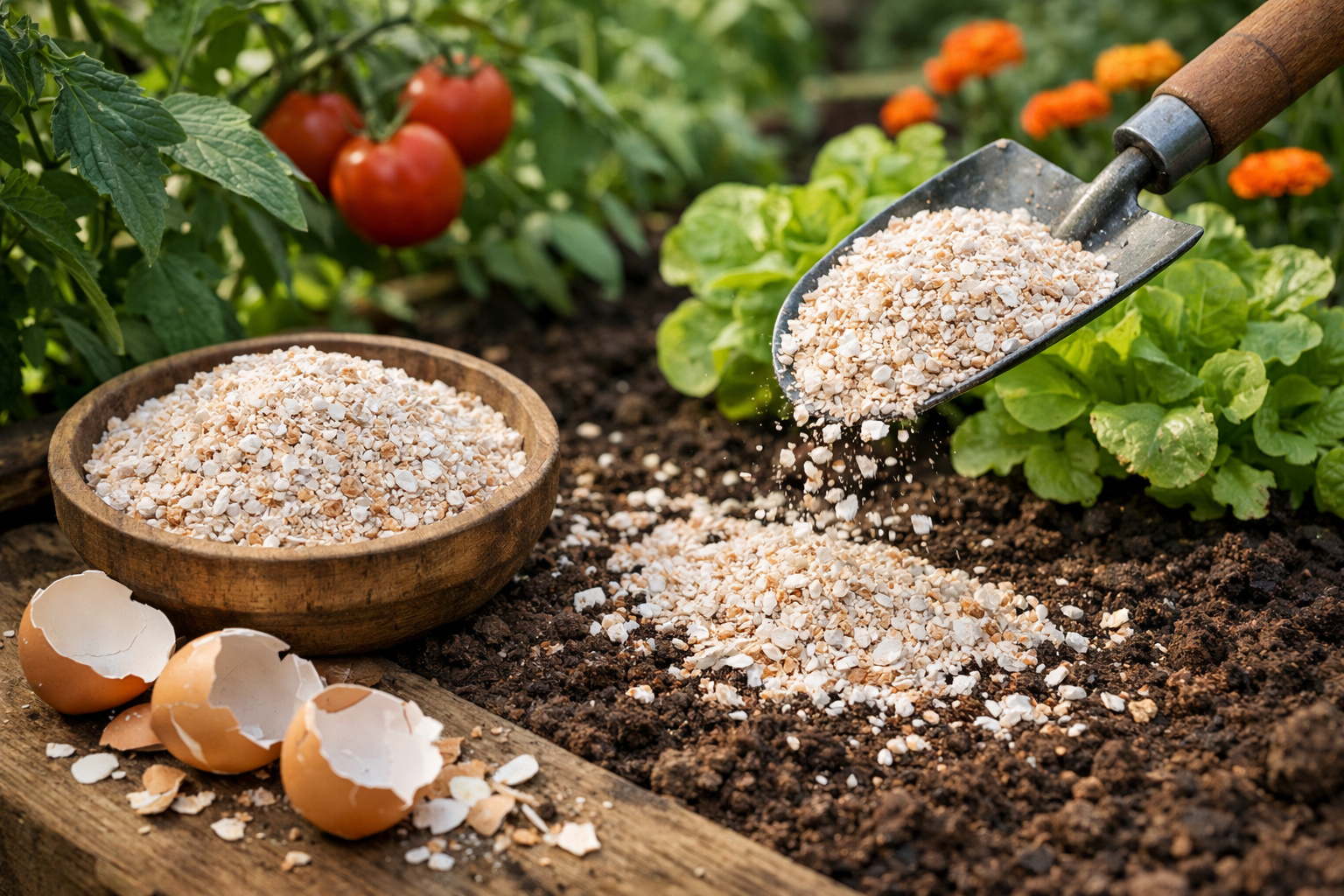
The eggshell that almost everyone throws away is made up of about 95% calcium carbonate and can help enrich the soil when crushed, slowly releasing nutrients and being reused in home gardens and vegetable patches.
-
This farm in the United States does not use sunlight, does not use soil, and produces 500 times more food per square meter than traditional agriculture: the secret lies in 42,000 LEDs, hydroponics, and a system that recycles even the heat from the lamps.

-
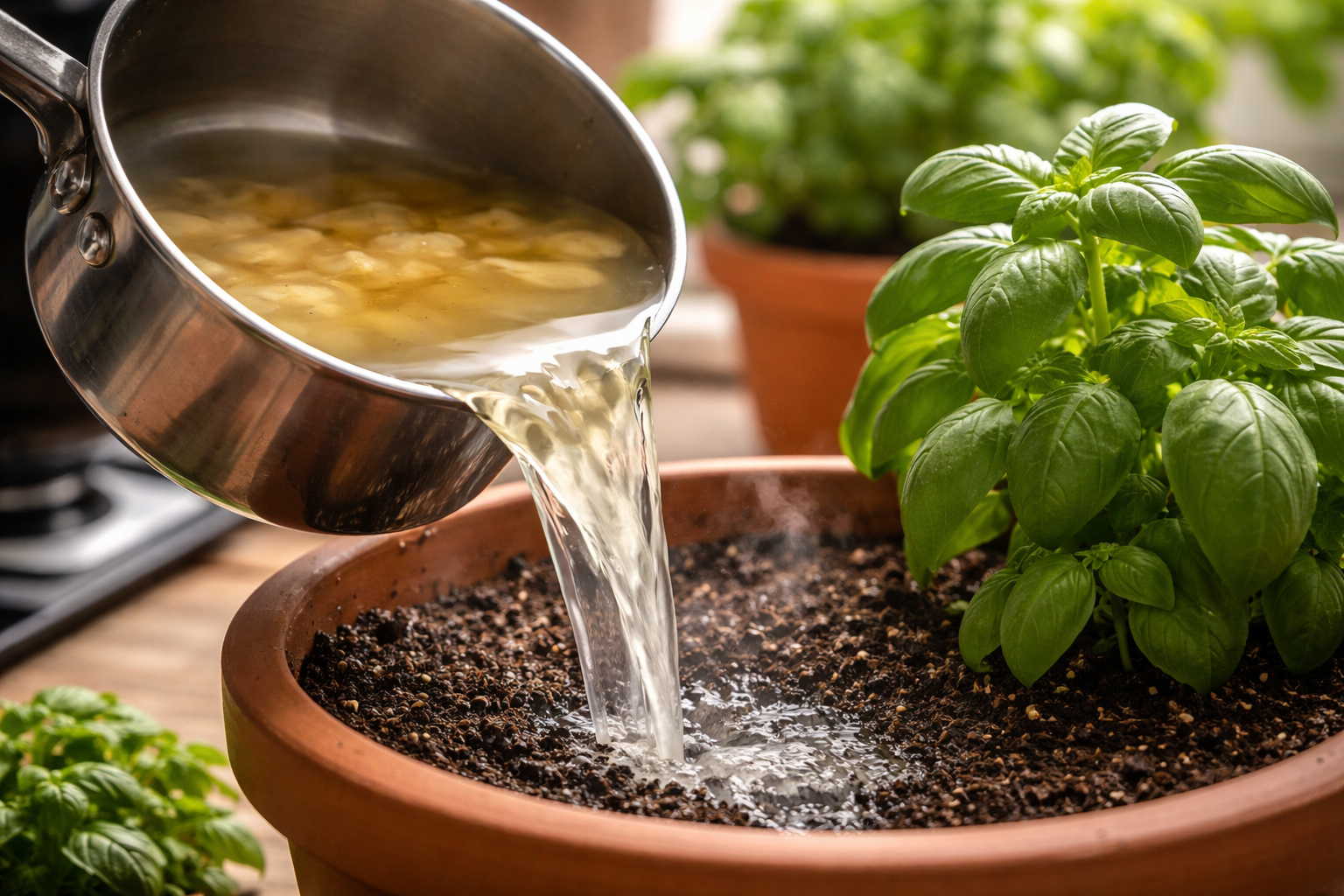
The water that almost everyone throws away after cooking potatoes carries nutrients released during the preparation and can be reused to help in the development of plants when used correctly at the base of gardens and pots, at no additional cost and without changing the routine.

In 2023, national production exceeded 800,000 tons, putting the country firmly on the global aquaculture map. Tilapia has transitioned from being a timid alternative to becoming, over a few decades, one of the most accessible and sought-after proteins in the country.
It’s no coincidence that the domestic consumption of tilapia grew more than 60% in ten years. The combination of favorable climate, warm water, abundant sunlight, and vast territorial area has allowed Brazil to produce tilapia at record scale with relative efficiency.
But then comes the shock: despite all this apparent abundance, retail prices have continued to rise. And when you start to ask why this happens, you discover that there isn’t a single simple answer, but a web of factors that add up to the price tag you see on the shelf.
Expensive Feed: Soy, Corn, and a Cost That Explodes
The first link that weighs heavily in this equation is feed. In intensive farming systems, which are the basis of commercial production, tilapia does not live off “what the tank offers”, it depends on industrialized feed.
This feed is made primarily from soy and corn, two global commodities that fluctuate in price with the whims of the international market.
When a drought hits the soybean harvest in the United States or in Brazil itself, the price of the raw material skyrockets. When a conflict like the war in Ukraine disrupts supply chains, input costs rise again.
In 2022, the cost of tilapia feed increased by an average of 35% in Brazil, according to industry data. This increase doesn’t just vanish into thin air.
It’s passed on to the producer, who passes it to the processing plant, who passes it to the wholesale market, who passes it to the supermarket… until it reaches you.
In other words, it’s pointless to have record-scale tilapia if the feed for that fish has become much more expensive. Production increases, but the cost of each kilogram produced rises as well, and this cost pressure appears directly in the final price.
Cold Logistics: The Continental Brazil That Drives Up Fillet Prices


The second major factor is infrastructure and logistics. Brazil is a continental country and tilapia is not produced where it is consumed.
The main aquaculture hubs are located in the interior of states like Paraná, Santa Catarina, São Paulo, and Minas Gerais, while most consumers are concentrated in major cities and capitals scattered across the map.
For the fish to arrive in quality, a cold chain must operate 24 hours a day. Frozen tilapia needs to be kept below –1 ºC from the industry to the shelf. Any failure in this means product loss.
Maintaining a refrigerated transport structure at this standard is costly: these are special trucks, equipment that consumes more fuel, and trained teams.
Combine this with the fact that road logistics in Brazil is still expensive and inadequate in many areas. Rising fuel prices in recent years weigh directly on freight costs, and refrigerated freight costs even more.
Industry estimates indicate that refrigerated freight can represent between 15% and 20% of the final price of tilapia at retail, depending on the distance and the time of year. That’s no small amount.
Bureaucracy, Oversight, and Sector Consolidation
But the story of record-scale tilapia isn’t just about feed and trucks. There’s a layer of bureaucracy that few people see when they look at the seafood counter.
To market tilapia in Brazil, the producer needs to comply with a series of sanitary and environmental regulations, with oversight from the Ministry of Agriculture, the Ministry of the Environment, environmental licensing, federal inspection, and certifications of origin.
Each of these stages requires documents, time frames, analyses, audits, and of course, money. Small and medium producers often can’t bear all this alone, which accelerates market concentration in the hands of large companies that already have the technical and legal structure to navigate the regulatory maze.
The result is a consolidating market. The largest groups invest heavily in automation, genetic technology, and increasingly demanded quality and sustainability certifications, especially by international buyers.
These certifications are expensive and require profound changes in production processes, which makes the game even tougher for smaller players. Less competition means less pressure to reduce margins and, in many cases, more room for final prices to rise.
Rising Exports: The World Competes for Brazilian Tilapia

There is also another aspect directly affecting the price you pay: the international market. The global demand for healthy proteins and farmed fish has exploded in recent years.
The United States, European countries, and regions in Asia are increasingly buying Brazilian tilapia, precisely because of the quality and production capacity of the country.
In practice, this means that a growing slice of record-scale tilapia produced here doesn’t stay in the domestic market, but goes straight for export.
When external sales increase, the supply available for Brazilian consumers diminishes and domestic prices tend to rise.
In 2023, Brazilian tilapia exports grew almost 40% in volume compared to the previous year, reflecting a rising global demand that alters the dynamics of the national market.
In other words, Brazil produces tilapia at record scale, but a significant part of this volume is contested abroad, where buyers often accept to pay more, which pulls the domestic market upward.
Innovation, Genetics, and Attempts to Alleviate Costs
However, not everything is cost pressure. There are real efforts being made to reduce some of these bottlenecks. Brazilian researchers are developing alternative feeds that do not rely exclusively on soy and corn, using, for example, microalgae and insects as a protein source.
Experiments in public universities show that it’s possible to replace up to 30% of soy in the feed with these sources without losing performance in fish growth. If this technology can scale to commercial production, the impact on feed costs could be significant.
On the genetic side, specialized companies are creating strains of tilapia that grow faster, are more disease-resistant, and consume less feed per kilogram of meat produced. This is already a reality in some farms in southern Brazil.
The more efficient the conversion of feed into meat, the greater the chance that, in the long run, costs will stabilize and part of that gain will reach the final consumer.
On the infrastructure side, the federal government launched programs to encourage sustainable aquaculture, focusing on improving logistics in producing regions and reducing costs for medium-scale farmers.
The National Aquaculture Strengthening Program, created in 2023, envisions investments in modernization of ports and specific logistical corridors for the fishing sector.
The idea is not to solve everything at once, but to create conditions for record-scale tilapia to be produced and distributed more efficiently.
The Cost Behind Each Tilapia Fillet

When you pick up a tray of tilapia at the supermarket and are surprised by the price, it’s important to remember that you’re not just paying for the fish itself.
You’re paying for expensive feed, for cold logistics in a huge country, for bureaucracy, for certifications, for sector consolidation, and for a global market competing for the same protein you want to put in the pan.
Tilapia is not expensive by chance. It is the result of a complex chain of production, technology, transport, and regulation that Brazil has built while achieving record-scale tilapia production.
The challenge now is to ensure that the efficiencies emerging from research, genetics, and logistics can actually translate into more stable and accessible prices for consumers at the end of the chain.
And you, in your view, what weighs more today on the price of record-scale tilapia that arrives at the supermarket: expensive feed, cold logistics, bureaucracy, or rising exports to the foreign market?





Tenho uma propriedade na Bahia,margeando o rio salsa , procuro sócio para investir em, tilápia, camarão da água doce e de água salgada,tou a espera de oportunidade.