





 Portuguese
  English
  Spanish
  5 min of reading
  0 comments


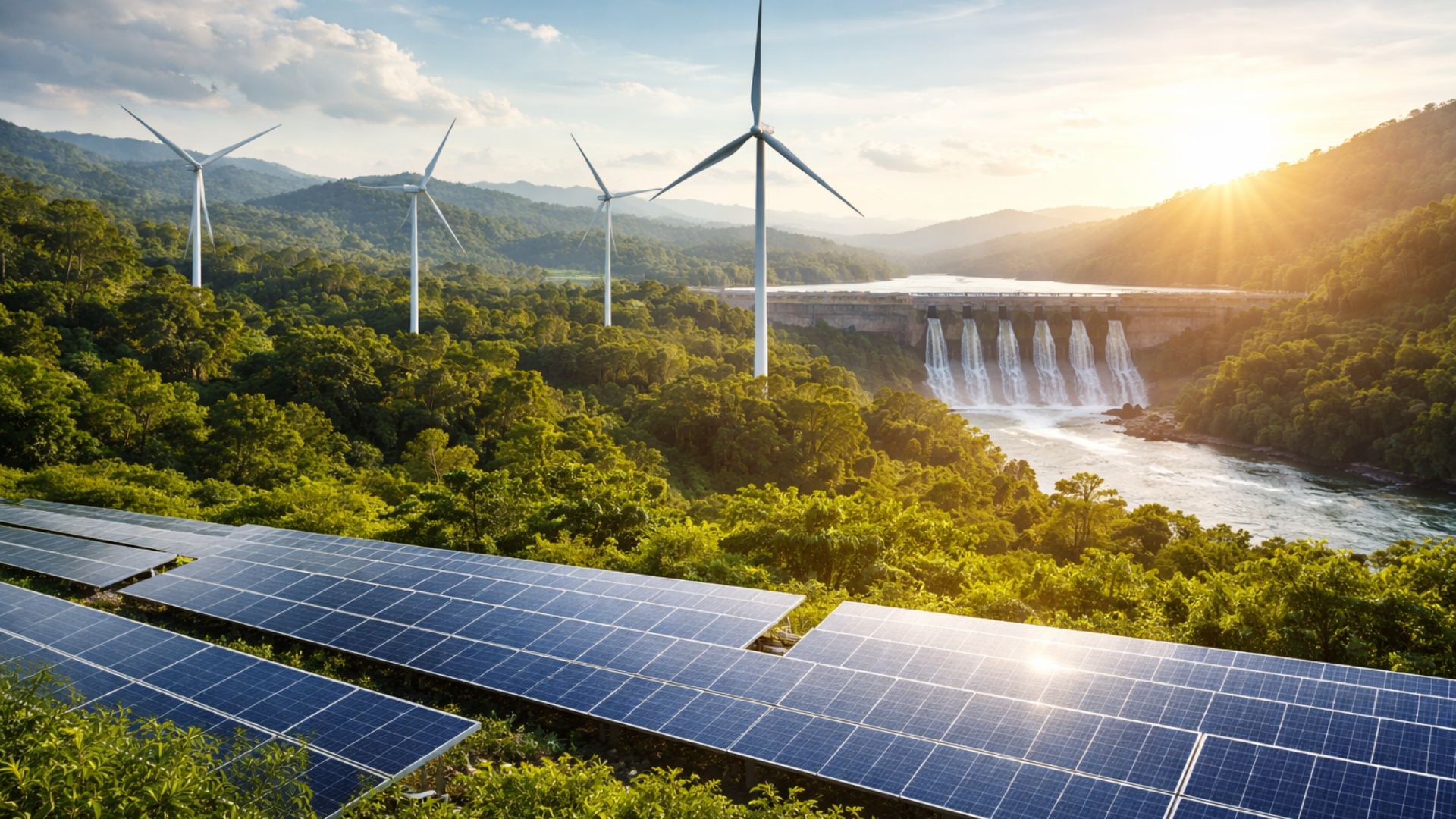
Understand How Brazil Accelerates Energy Transition Until 2030, Increases the Use of Renewable Energy, Modernizes the Energy Matrix, and Attracts Investments to Reduce Emissions and Ensure Energy Security
The energy transition has returned to the center of public and economic debate in the country. Recent data from international organizations and Brazilian institutions indicate that Brazil is entering a decisive phase by 2030, marked by an increase in renewable energy, regulatory modernization, and the attraction of private investments to sustain large-scale decarbonization.
According to an article published by Engie Brazil on its website Além da Energia this Monday (5), the topic has shifted from being merely environmental to being strategic for economic growth. With a clean energy matrix cleaner than the global average, the country seeks to reconcile supply security, industrial competitiveness, and reduction of greenhouse gas emissions.
Energy Transition Consolidates as Strategic Axis of Brazil Until 2030
Reports from the International Energy Agency (IEA), the International Renewable Energy Agency (IRENA), and the Intergovernmental Panel on Climate Change (IPCC) converge in pointing out that the coming years will be decisive in limiting global warming and accelerating the energy transition in emerging economies.
-
A Canadian retiree creates a hydroelectric system on a real river, generating energy continuously throughout the day and demonstrating how the power of water can supply a house with stability even in a simple structure.

-
Petrobras reaffirms its commitment to the market and ensures that it will carry out the energy transition safely to maintain national sovereignty.

-
Researchers discover a possible hydrogen deposit of up to 46 million tons beneath an ancient coal basin, and the volume could exceed half of the entire global production.

-
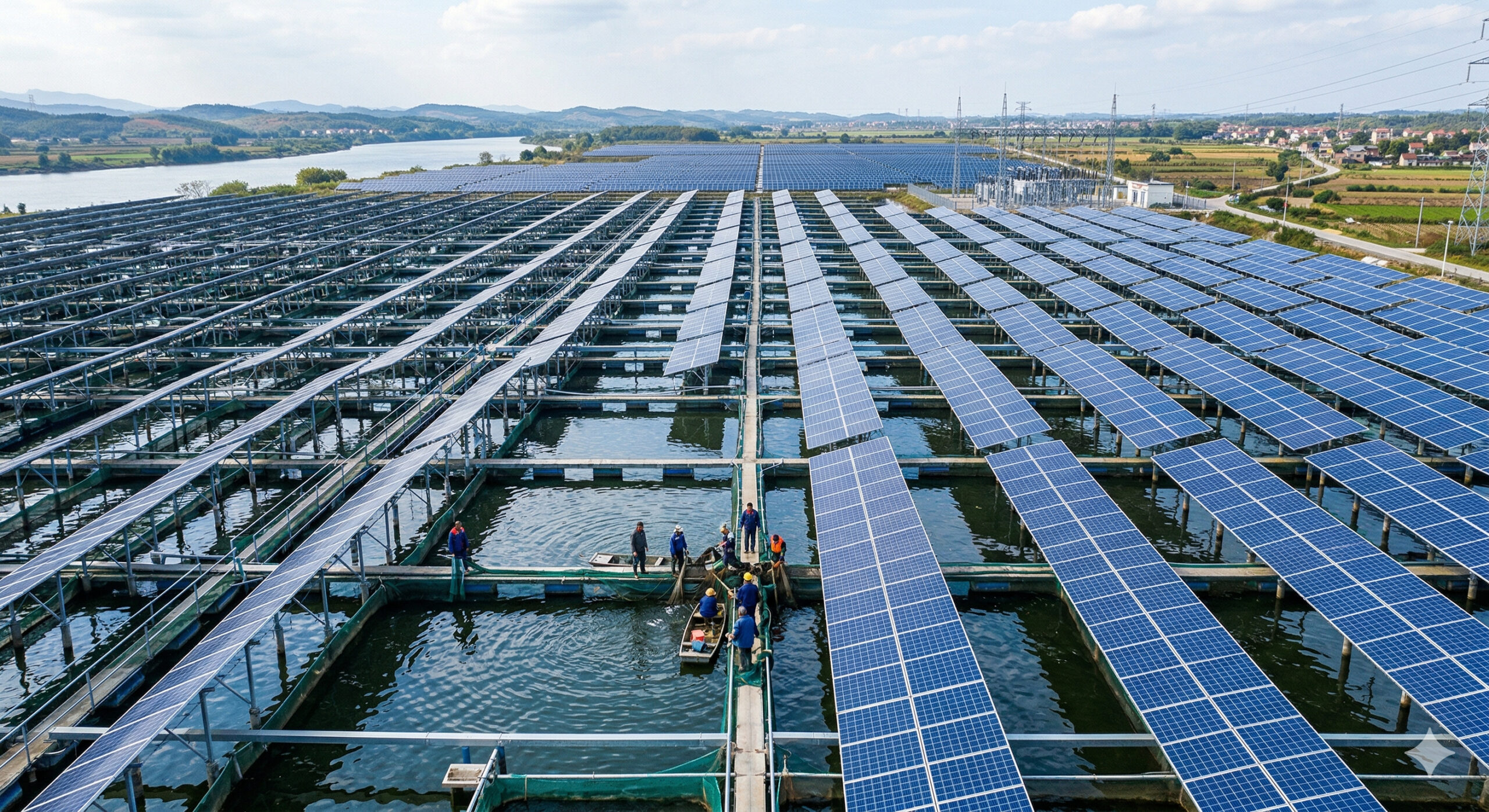
China bets on the Fishery-PV model and transforms fish farms into giant solar plants, covering ponds with panels that generate energy while utilizing the same space for large-scale aquaculture production.

The energy transition has ceased to be a long-term trend and has become a concrete agenda in Brazil. The country already has a privileged position, with an energy matrix historically based on clean sources, especially hydropower, and with accelerated growth of solar and wind sources.
According to the IEA, countries that combine a solid renewable base and expansion capacity have an easier time electrifying energy-intensive sectors and reducing technology adaptation costs.
In this context, Brazil stands out as one of the most relevant cases among major economies. The energy agenda has begun to influence industrial, commercial, and infrastructure decisions, reinforcing its central role in national planning until 2030.
Renewable Energy Boosts Transformation of Brazilian Energy Matrix
The expansion of renewable energy is the main driver of change in the energy matrix of Brazil. Data from the National Electric System Operator (ONS) shows that the country operates, at various times, with more than 90% of instant electric generation coming from renewable sources.
This performance results from the combination of hydropower, wind energy, solar energy, and bioenergy. In recent years, solar energy has stood out for the growth of distributed generation, while wind energy has consolidated its presence mainly in the Northeast.
Diversifying the energy matrix reduces climate risks and increases system resilience, especially in the face of extreme events, such as prolonged droughts and heat waves.
Brazil and the Modernization of the Energy Matrix with New Technologies
In addition to the expansion of renewable sources, the energy transition in Brazil depends on the incorporation of new technologies. IRENA reports highlight that battery storage, low-carbon hydrogen, and network digitalization are essential to sustain the growth of renewable energy.
The IPCC points out that countries with a clean energy matrix have a competitive advantage in adopting these solutions, as they start from a system less dependent on fossil fuels.
Technological innovation is becoming as significant as the expansion of installed capacity, especially to ensure stability and efficiency in the electrical system.
Regulatory Frameworks Strengthen the Energy Transition in Brazil
Regulatory evolution is one of the pillars of the energy transition in Brazil. In the coming years, the country is expected to advance in regulatory frameworks considered strategic by specialists and investors.
Among the main topics under discussion are the regulation of offshore wind energy, the development of the low-carbon hydrogen market, the structuring of the regulated carbon market, and the full opening of the free energy market.
According to the Energy Research Company (EPE), expanding the free market will transform electricity consumption, allowing consumers to choose suppliers and driving solutions based on renewable energy. A predictable regulatory environment is crucial to unlocking long-term investments, especially in energy infrastructure.
Private Investments Follow the Global Energy Transition
The advancement of the energy transition in Brazil occurs in harmony with the international scenario. In 2025, China reaffirmed its global leadership in energy investments, with estimated contributions of around US$ 675 billion, according to the IEA.
Although on a smaller scale, Brazil benefits from this global movement. International funds, multilateral banks, and institutional investors have increased interest in projects for renewable energy, electrical grids, and low-carbon solutions in the country.
The World Bank and the UN, through the UNFCCC, emphasize that climate financing needs to be more accessible to emerging economies, a scenario in which Brazil stands out for its institutional stability and energy potential.
Smart Grids Are a Central Challenge of the Brazilian Energy Matrix
The modernization of electrical grids is seen as one of the biggest challenges of the energy transition. The IEA and IRENA warn that systems with a high share of renewable energy require more digital, flexible, and intelligent grids.
In Brazil, the ONS highlights the need for expansion and digitalization of transmission to integrate renewable generation in remote areas with large consumption centers.
Studies from the University of São Paulo (USP) and COPPE/UFRJ indicate that smart meters, automation, and demand response will be fundamental. Without modern grids, the potential of the Brazilian energy matrix will not be fully utilized.
Electrification Increases the Impact of Energy Transition in Brazil
Electrification is another central axis of the energy transition in Brazil. According to WRI Brazil, transportation remains the largest emitter of greenhouse gases within the energy sector.
The electrification of urban transport, especially buses in major capitals, is advancing as a priority strategy. Additionally, interest in the electrification of industrial heat and low-voltage processes is growing.
Electrification only generates real climate benefits when associated with a clean energy matrix, a condition that favors Brazil in comparison to other countries.
Competitive Advantages Can Place Brazil in the Leadership of the Energy Transition
Reports from IRENA and the IPCC indicate that countries with a clean energy matrix have an advantage in low-cost, high-impact transitions. In this scenario, Brazil combines characteristics considered rare in the international context.
The country combines a predominantly renewable electricity base, high potential for solar and wind expansion, including offshore, and an evolving regulatory environment. These factors reinforce its attractiveness for investments and innovation. The Brazilian energy transition does not start from scratch but from a solid and internationally recognized foundation.
The Role of Energy Transition in Brazil’s Development Until 2030
The energy transition consolidates as one of the main vectors of development for Brazil until 2030. The expansion of renewable energy, the modernization of the energy matrix, regulatory advancement, and the growth of private investments form a decisive set for the country’s future.
The success of this agenda will be crucial for economic competitiveness, energy security, and Brazil’s position in combating climate change. With clear challenges and structural advantages, the country enters a decisive decade to transform energy potential into sustainable global leadership.





Seja o primeiro a reagir!