





 Portuguese
  English
  Spanish
  4 min of reading
  0 comments


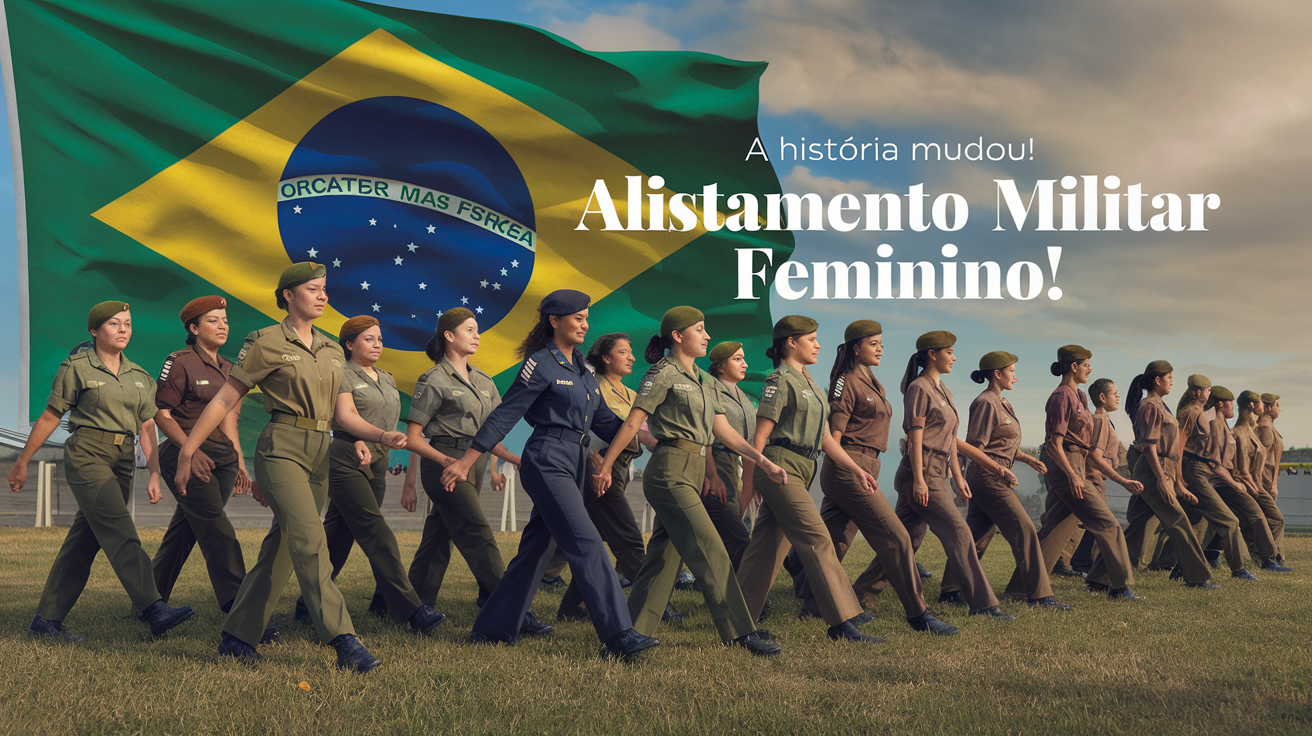
For The First Time, Women Will Be Able To Enlist In The Brazilian Military Service, Marking A Historical Transformation. Initiative From The Ministry Of Defense Offers 1,500 Vacancies In 13 States And The Federal District.
A silent revolution, but of historical impact, is about to redefine the role of women in the Brazilian Armed Forces.
After decades of limitations, an unprecedented milestone promises not only to open doors but also to question and reshape the traditional idea of who is fit to defend the homeland.
Without a doubt, the news may seem just another bureaucratic update, but what lies behind this measure reveals a movement that could transform the military and social landscape of the country.
-
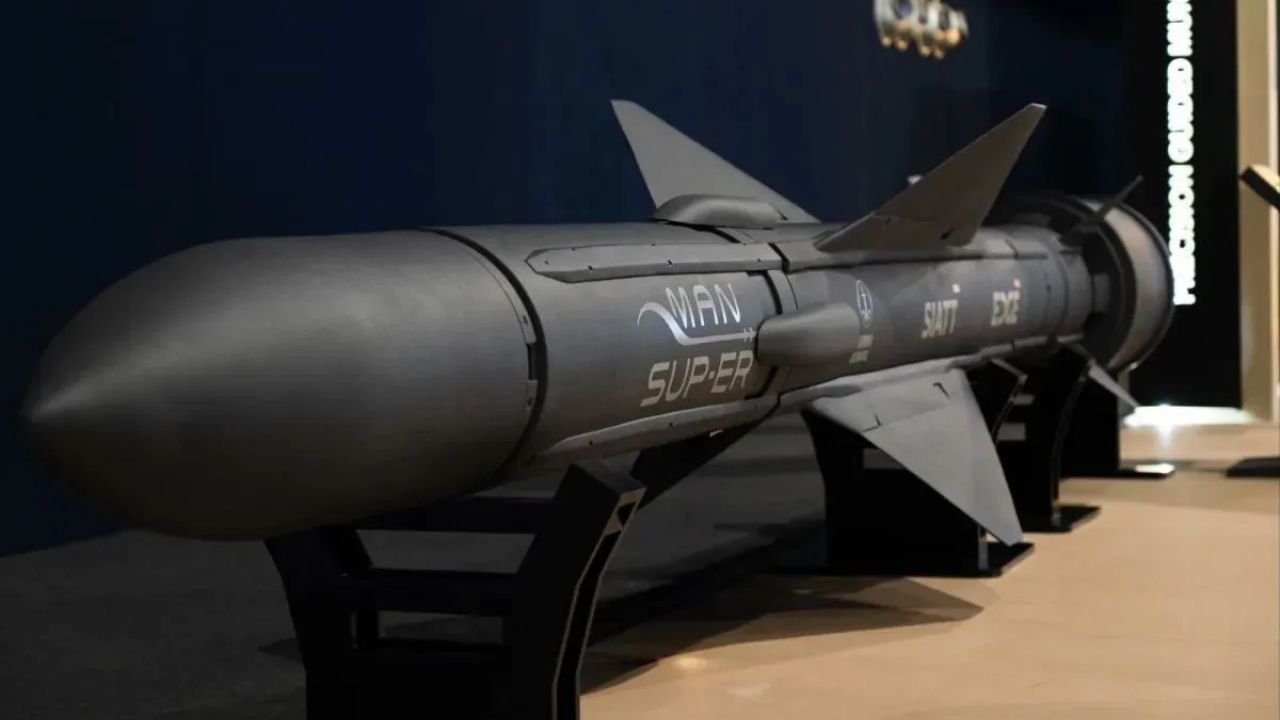
Brazil accelerates the evolution of the MANSUP missile, designing an air-surface version with a range exceeding 200 km, advanced guidance, and precision strike capability against land and naval targets, paving the way for a new generation of national armaments with global potential.
-
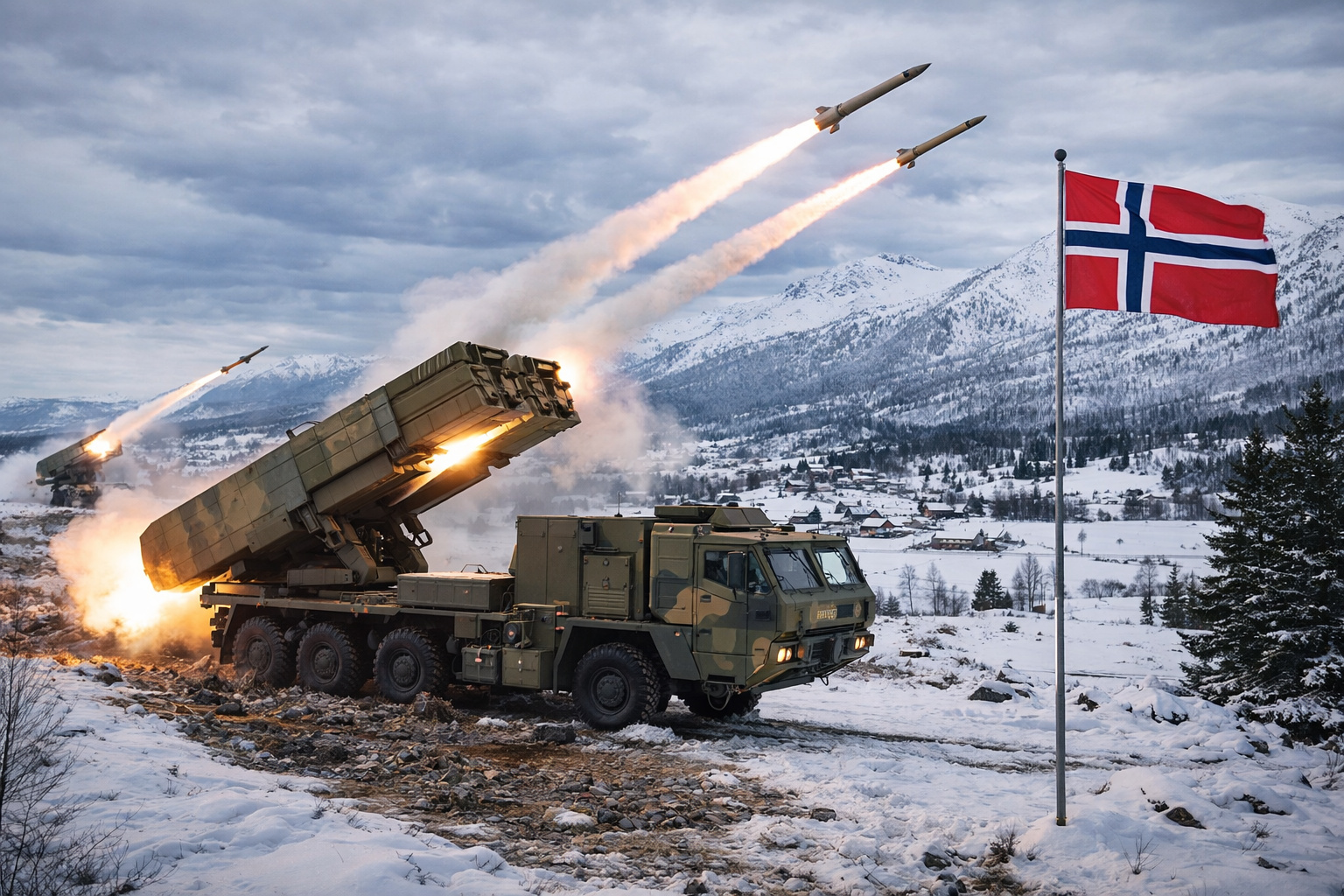
South Korea signs a $922 million deal with Norway, bringing Chunmoo launchers capable of firing guided missiles up to 290 km with an accuracy of 15 meters to Europe and turning the system into a key component of the new global race for precision artillery.
-
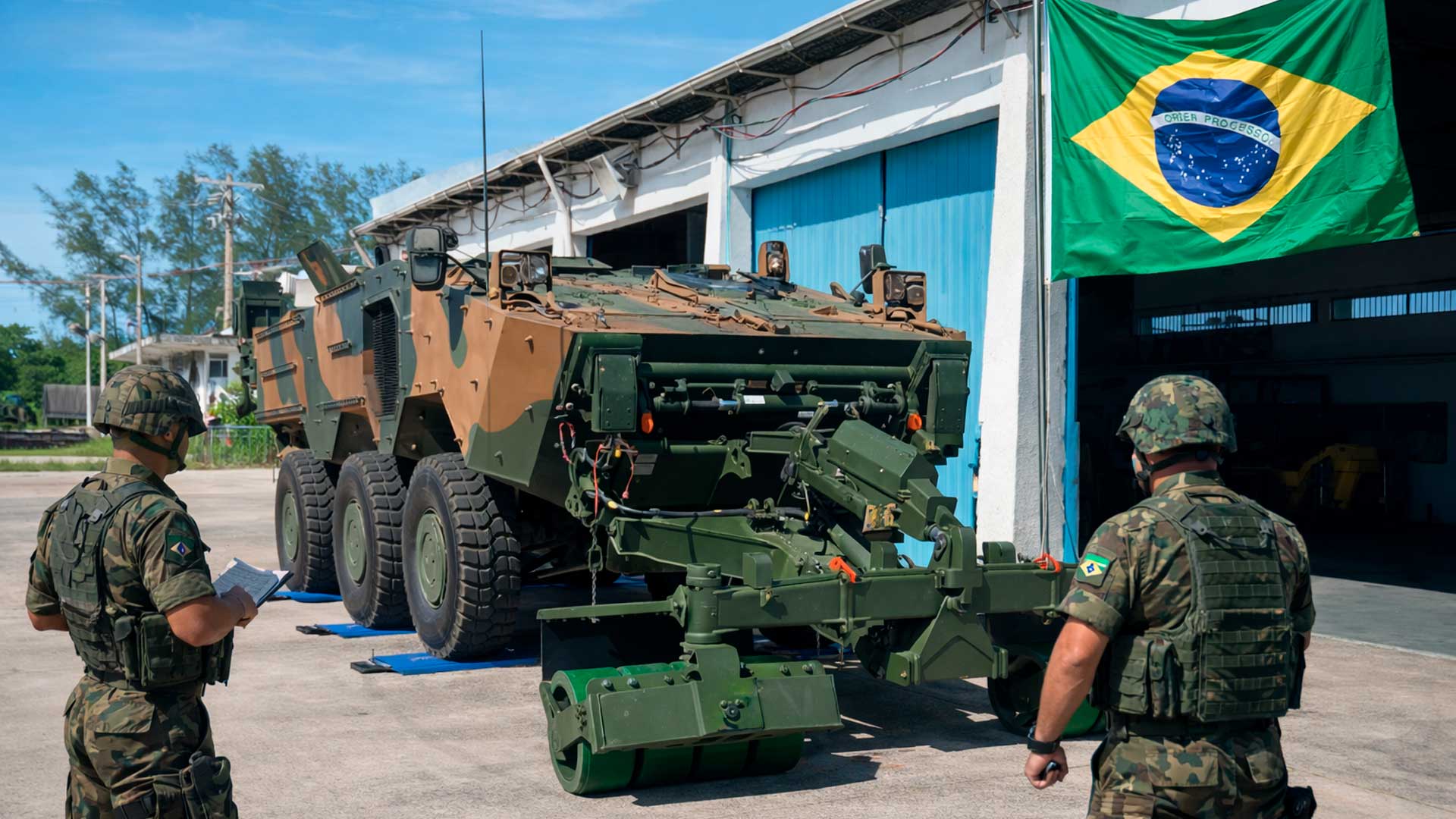
Brazil advances with decisive tests until June, the 6×6 Guarani armored vehicle with engineering equipment enters the most important phase and can enhance the operational capability of the Army.
-
Furnas Airport is handed over to the Navy and becomes a strategic base with complete military operations, attack drones, and international mobilization at Furnas Lake.


Female Military Enlistment: What Changes In 2025
Starting in January 2025, women who turn 18 will be able to voluntarily enlist in the Armed Forces.
According to the Ministry of Defense, this possibility is unprecedented and places Brazil among the countries that offer more equitable conditions for female participation in national defense.
Currently, women already hold military positions in areas such as health and education, but this will be the first time they can serve as soldiers in mandatory military service, with the same rights and duties reserved for men.
This initiative was announced by Defense Minister José Mucio Monteiro in August 2024 and marks the beginning of a new phase in Brazilian military history.
Distribution Of Vacancies And Inclusion Goals
Initially, 1,500 vacancies will be available in 29 municipalities across the Federal District and 13 Brazilian states.
The states included are Amazonas, Bahia, Ceará, Goiás, Mato Grosso do Sul, Minas Gerais, Pará, Paraná, Pernambuco, Rio de Janeiro, Rio Grande do Sul, Santa Catarina, and São Paulo.
This distribution aims to start the adaptation in strategic areas with adequate infrastructure to accommodate the new recruits.
Currently, Brazil enlists about 80,000 men annually in mandatory military service.
According to information from the Ministry of Defense, the expectation is that, over time, female participation will reach 20% of the total enlistees.
This goal, while ambitious, is considered realistic given the growing demand for gender equality in all spheres of society.
The Social And Military Impact Of This Change
This transformation is not just symbolic, but practical.
According to defense policy experts, the presence of women in the ranks of the Armed Forces can bring a series of benefits, such as greater diversity in strategic decision-making and increased efficiency in specific missions that require different profiles of action.
According to Minister José Mucio Monteiro, the expected impact goes beyond the numbers.
He emphasized that the measure seeks to reinforce values such as citizenship, equality, and patriotism, while also modernizing the practices of Brazilian military service.
A Step Toward Equality Or An Additional Challenge?
Although the news is widely celebrated, critics argue that it will be necessary to monitor the implementation to ensure that the new recruits receive the same opportunities for training, leadership, and career advancement.
Experts emphasize that the integration of women into military service must avoid reproducing inequalities or excluding them from key positions.
On the other hand, there is hope that the change will encourage other areas of the public sector to reflect on their inclusion practices.
As international studies indicate, the presence of women in armed forces tends to create a more balanced and effective environment, especially in humanitarian operations.
How Will Enlistment Work
The female military enlistment process will follow the same model used by men.
Young women wishing to join the military in 2025 will be able to register between January and June 30, through official platforms of the Ministry of Defense.
It is important to highlight that female enlistment will be exclusively voluntary, while male enlistment remains mandatory.
This voluntary nature should not be seen as a limitation but as an opportunity for women genuinely interested in a military career.
According to official sources, approved candidates will undergo rigorous training, focusing on technical skills and practical abilities.
The Future Of Military Service In Brazil
The inclusion of women in military service reflects a global trend of modernization in the armed forces.
Countries like the United States, Canada, and Israel already have significant female participation in their ranks, demonstrating that diversity is an essential component for military efficiency.
In the Brazilian case, this change occurs at a crucial moment, as debates about gender equality occupy the center of political and social discussions.
The measure is a reflection of the maturation of society and national institutions, moving toward a more inclusive future.
A New Chapter In Brazil’s History
Female military enlistment may seem, at first glance, like a simple bureaucratic change, but it represents much more. It is the beginning of a transformation that will bring new horizons for Brazilian youth.
And you, reader, do you believe this change is just the first step toward an even greater revolution in gender equality in Brazil?









Seja o primeiro a reagir!