





 Portuguese
  English
  Spanish
  4 min of reading
  0 comments


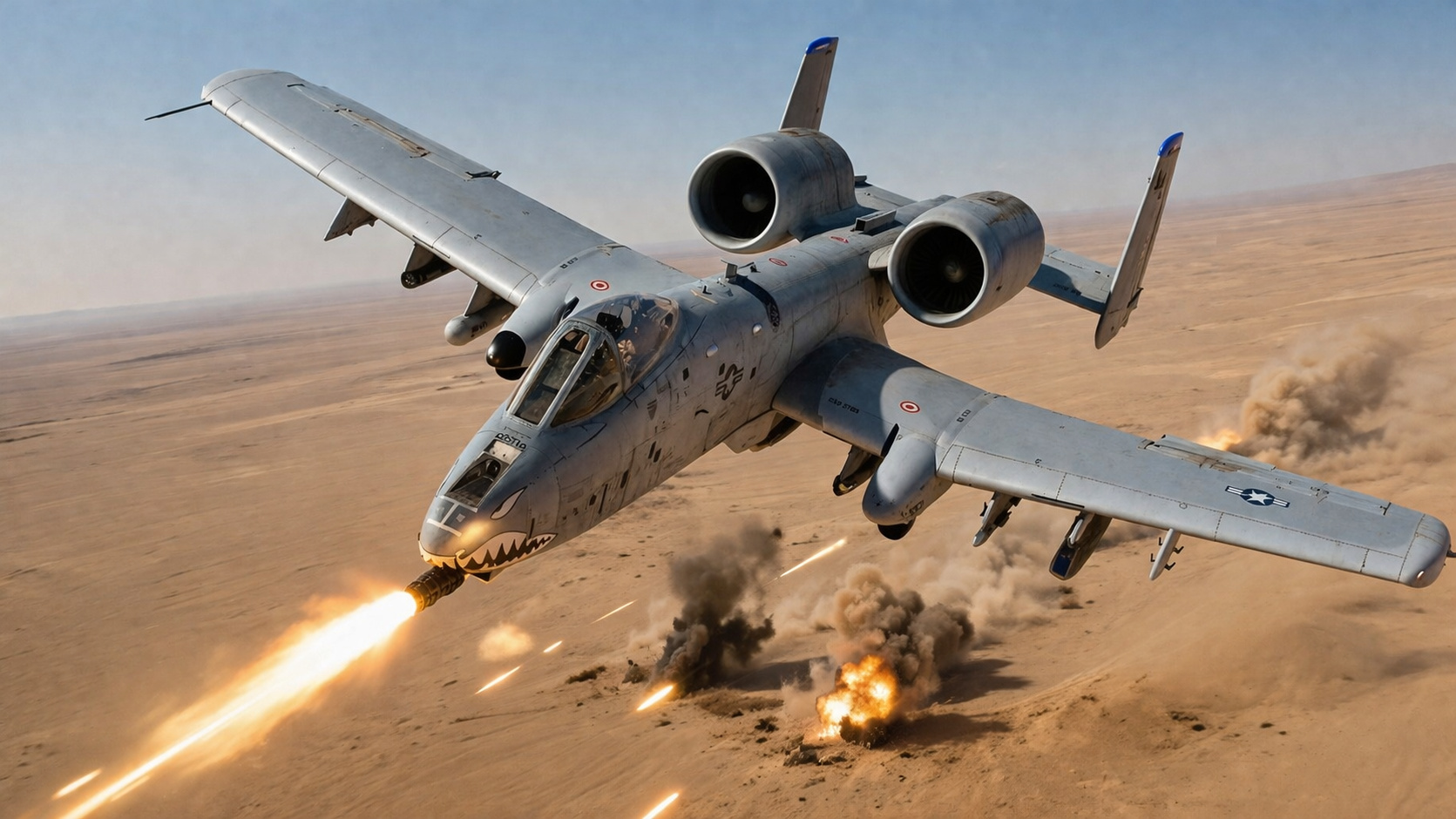
Unconventional maneuvers and prolonged firings of the iconic attack jet raise questions about new military tactics amid escalating tensions involving Iran and the United States
Amid an increasingly tense international scenario, a new element has caught the attention of defense experts, military analysts, and even experienced former pilots of the United States Air Force: the unusual attacks carried out by A-10 Thunderbolt II jets, known worldwide for their devastating firepower in ground support operations.
In recent days, indications have emerged that a large number of these attack aircraft are being mobilized towards the Middle East. This movement comes precisely amid controversial statements from former President Donald Trump, who reportedly mentioned the possibility of targeting Iran’s civilian infrastructure and oil production capacity, in addition to considering more aggressive actions, such as controlling the strategic island of Qeshm and even a ground incursion to confiscate enriched uranium.
Military movement and the sending of up to 20 A-10 jets reinforce the scenario of possible escalation

According to flight tracking data, the United States Air Force is organizing the deployment of a full squadron of A-10s across the Atlantic. Three KC-135 refueling aircraft took off from England, apparently to meet another air support group, in addition to at least eight A-10 jets heading in the opposite direction.
-
Brazil erects a digital wall along 16,886 km of borders with 10 countries, using sensors, radars, military communications, and the Army’s decision-making system to protect one of the largest land stretches on the planet and showcase the technological strength of national defense.

-
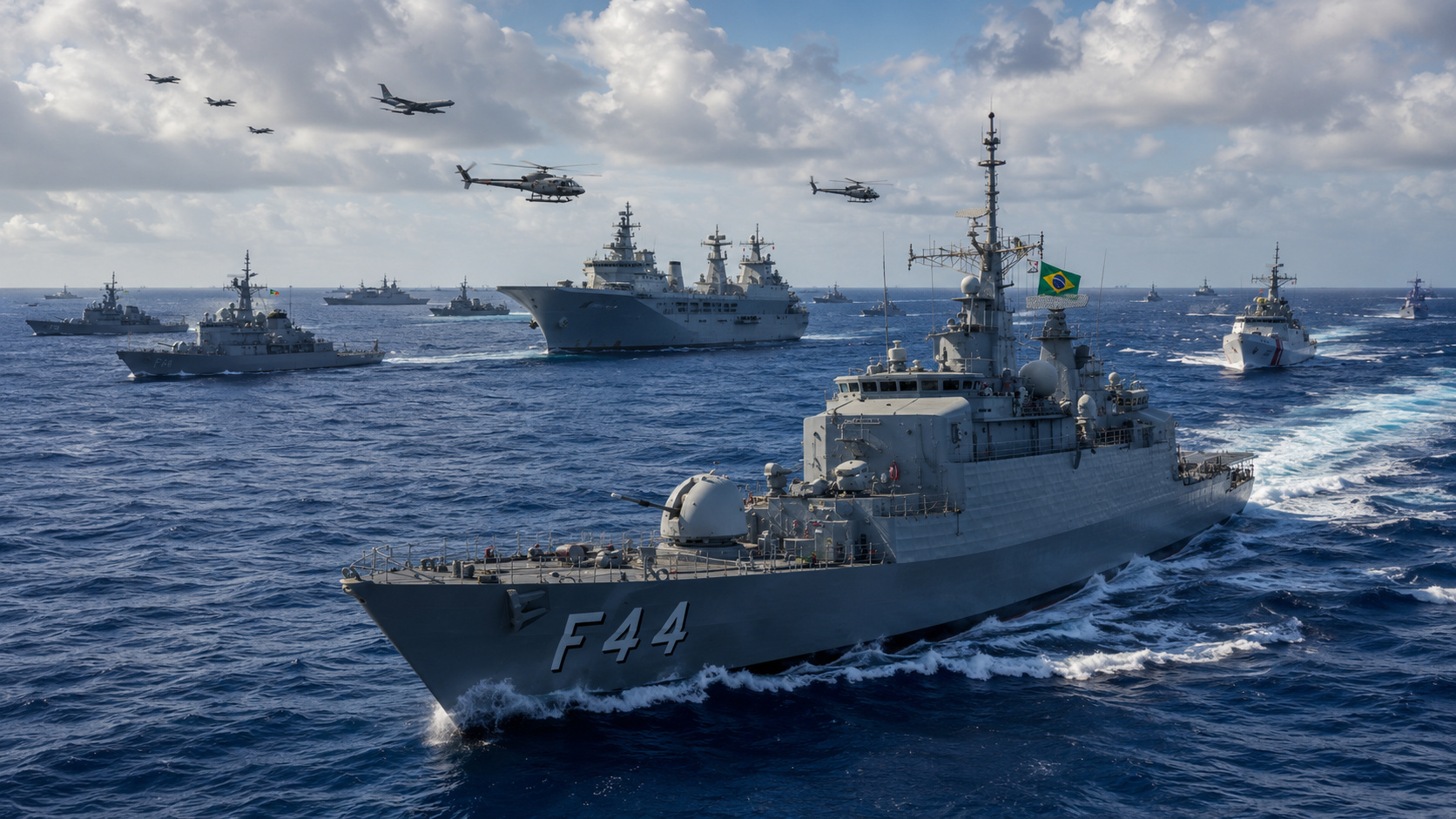
Brazilian warship crosses the North Atlantic on a historic 85-day mission, sailing alongside more than 60 warships, aircraft, and amphibious troops, heading to the largest naval review in U.S. history with over 100 military vessels, and carries the Brazilian Navy flag to the celebrations of the 250th anniversary of American Independence.
-
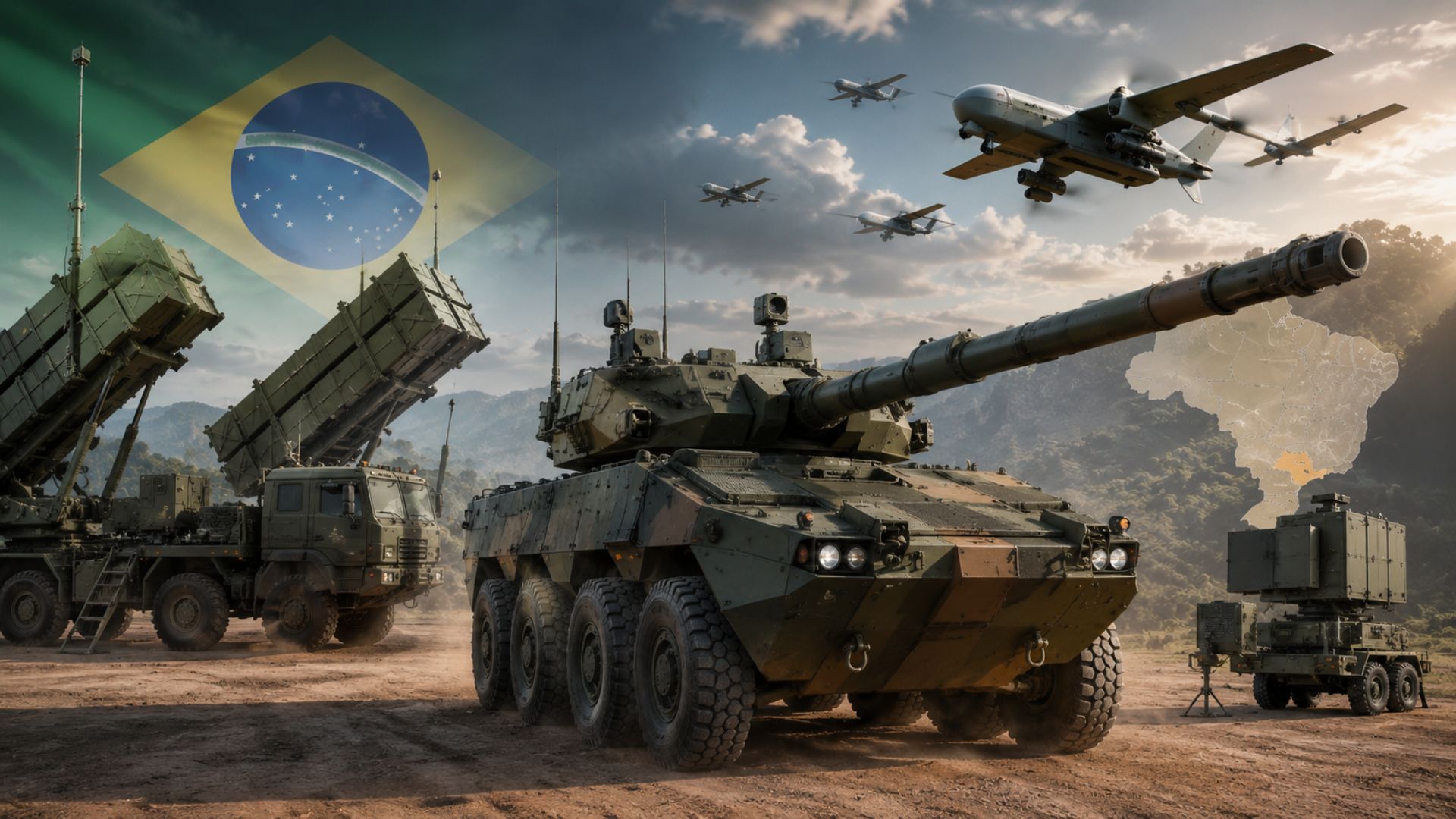
The Brazilian Army is about to finalize one of the largest military purchases in recent years with Italy, consisting of 96 Centauro 2 armored vehicles with 120 mm cannons and three anti-aircraft batteries unprecedented in the country, including armed drones under negotiation.

-
Students drop out of ESA after reports of sergeants driving for Uber, and a silent crisis in the Armed Forces begins to worry candidates in 2026


Moreover, there are indications that up to 20 A-10 aircraft have gathered in New Hampshire, a strategic point often used as a launch base for transatlantic operations. This same location has been receiving a significant number of American combat jets in recent weeks, reinforcing the hypothesis of a larger-scale military operation.
This information was disclosed by “Steel Eagles,” a channel specialized in military aviation, which closely monitors developments involving Iran and the movements of the United States armed forces, based on tracking data and expert analyses.
Meanwhile, reports indicate that the A-10s are already engaged in real missions, conducting attacks against small Iranian Navy vessels and also against Iran-backed militias in Iraq. These actions are part of a broader effort to reopen the strategic Strait of Hormuz, one of the world’s most important maritime routes for oil transportation.
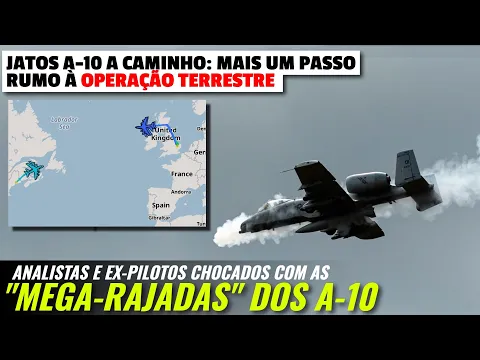

Mega bursts from the GAU-8 cannon surprise even veteran pilots
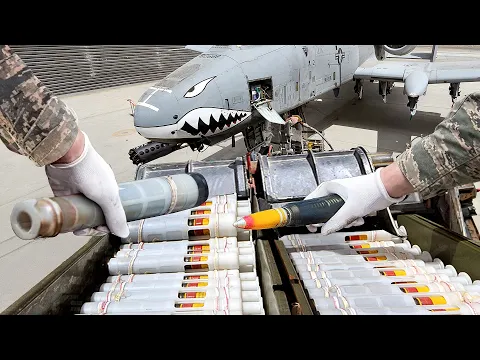
However, what has truly caused astonishment are recent videos showing these jets executing attacks completely outside known standards. Traditionally, the A-10 uses its powerful GAU-8 Avenger cannon in short bursts, typically between 1 and 3 seconds, ensuring greater accuracy and control of fire.
However, images that went viral on social media show extremely long bursts — some around 6 seconds and others reaching an impressive 9 seconds of continuous fire.
This detail is crucial, as the A-10’s cannon has a firing rate of approximately 3,900 rounds per minute, which equates to about 65 rounds per second. With a drum capable of holding up to 1,174 projectiles, the system could theoretically be emptied in approximately 18 seconds.
In practice, however, pilots avoid this type of continuous use. A 9-second burst, for example, could consume nearly half of all available ammunition in just a single attack, which is considered highly unusual in real operations.
Additionally, there is another critical factor: accuracy. As the firing prolongs, the heating of the barrel increases significantly, causing greater dispersion of the projectiles and reducing the efficiency of the attack — a point often emphasized in military training.
Experts try to explain: error, tactical necessity, or psychological effect?
In light of this scenario, veteran pilots interviewed by specialized websites in the United States were categorical in stating that this type of attack is not part of the standard A-10 training.
According to one of these experts, this behavior may occur in extremely specific situations, such as when the target is dispersed over a large area — for example, a grouping of troops — and there is little time available for multiple passes over the target.
On the other hand, another former pilot raises a different hypothesis: the psychological impact. The characteristic sound of the GAU-8 cannon, extremely loud and continuous, can be used as a form of intimidation to disperse enemy forces, especially in asymmetric conflicts.
Still, both agree that this is not a common tactic, which makes the records even more intriguing.
The end of an era: A-10 may be on its last combat missions
Interestingly, these events arise at a delicate moment for the A-10 Thunderbolt II itself. The aircraft, which has built a legendary reputation over decades of service, is approaching the end of its operational career.
The expectation is that the A-10s will gradually be retired from active service in the coming years, being replaced by more modern and versatile aircraft. Thus, these current missions may represent some of the last real combat operations of this iconic jet.
Therefore, as the world watches closely the rising tensions in the Middle East, the recent attacks with “mega bursts” from the A-10 raise not only tactical questions but also symbolize the closing of an important chapter in the history of military aviation.








Be the first to react!