





 Portuguese
  English
  Spanish
  5 min of reading
  0 comments



New Section of the Transnordestina Railway Accelerates Delivery, Connects Agricultural Regions to Strategic Ports and Promises to Transform Freight Transport in Brazil. The Billion-Dollar Investment Aims to Increase Competitiveness, Generate Jobs and Boost the Agri-business.
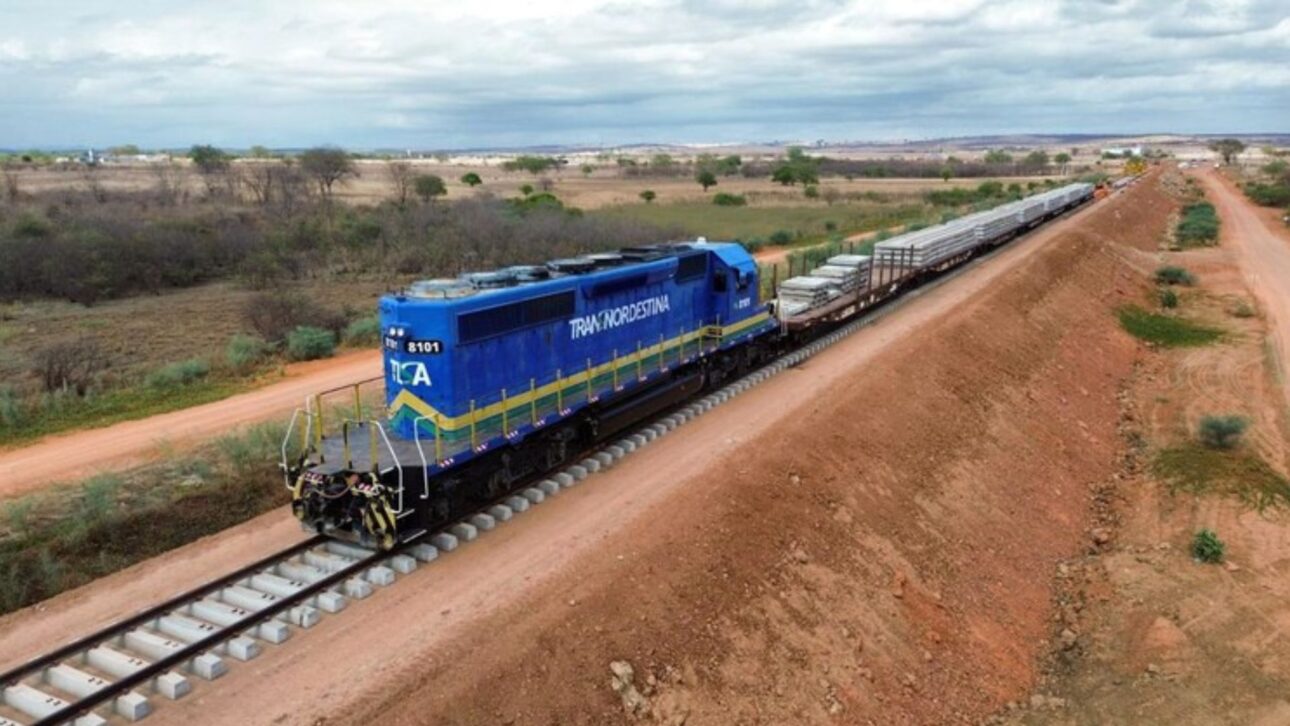
The progress of the works of the railway Transnordestina promises to profoundly modify the logistics landscape of Brazilian agribusiness, especially for the North and Northeast regions.
Phase 2 of the project, which connects Eliseu Martins to São Miguel do Fidalgo, in the state of Piauí, could be delivered up to a year and a half earlier than initially planned.
The new projection indicates completion in 2027, anticipating the previous forecast, which set the deadline for 2029.
-
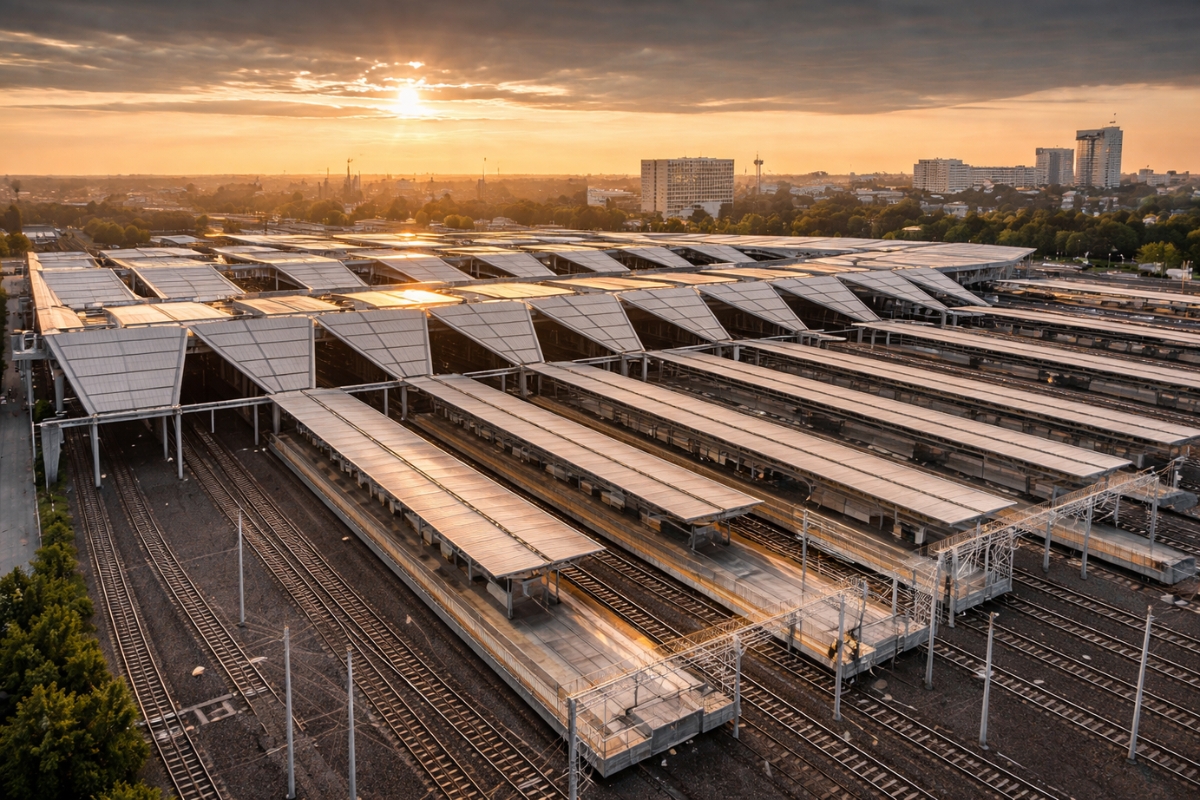
In A European City, The Country’s Largest Railway Junction Was Modernized Without Closing Its Doors, Kept Trains Running During Years Of Construction, Now Serves Up To 60,000 Passengers Per Day, And Installed Solar Panels That Generate About 30% Of Its Energy
-
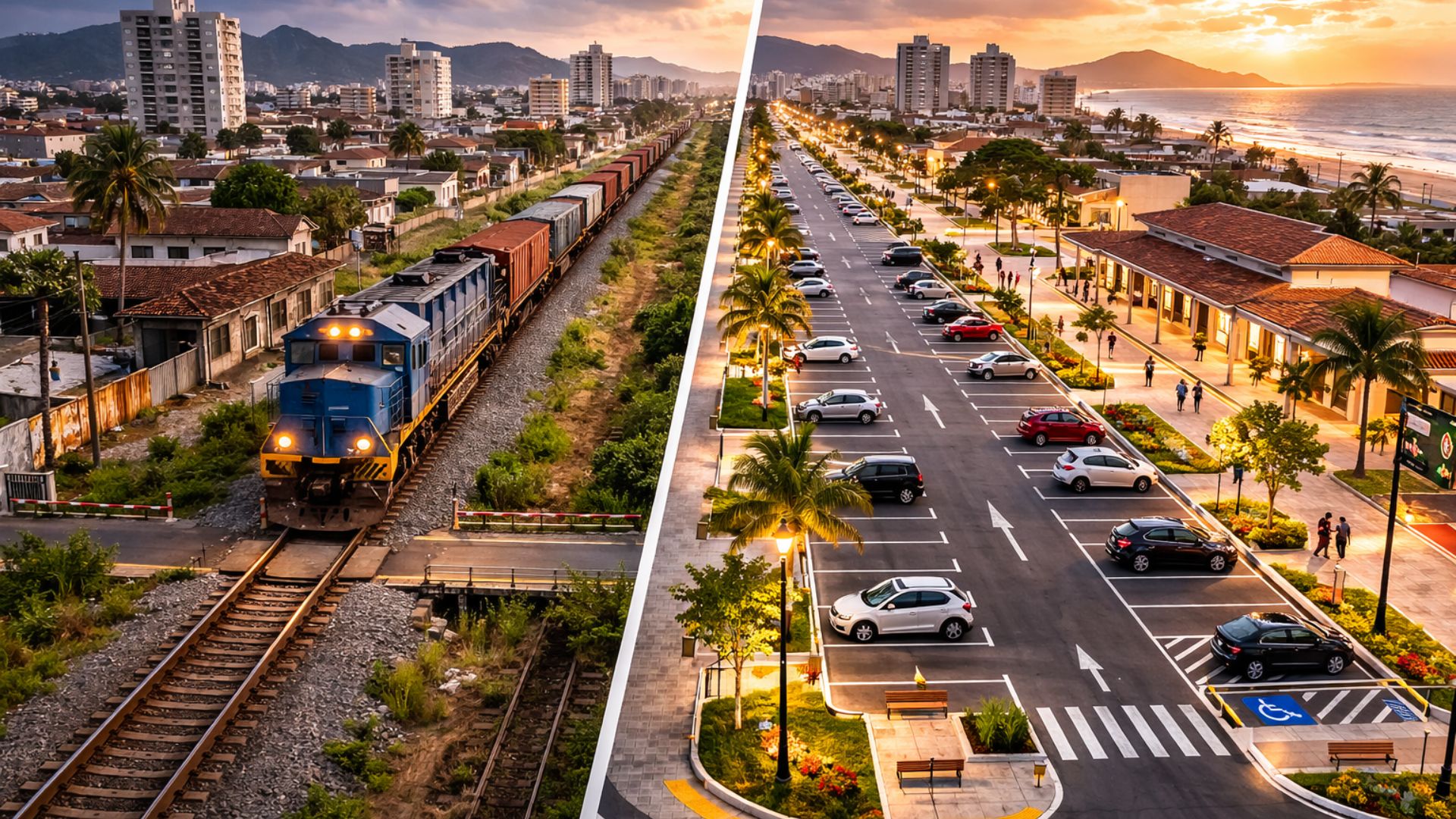
Famous Brazilian Railway May Become a Parking Lot
-
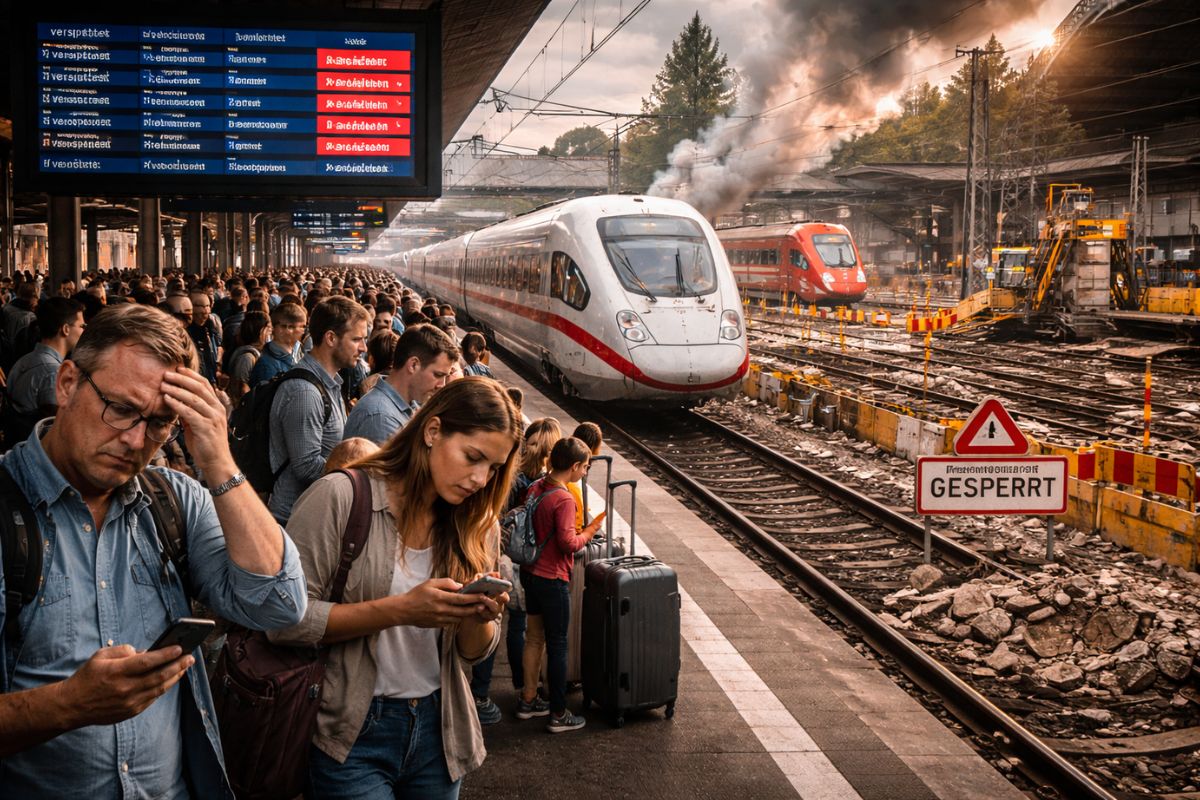
The Country of “Punctual As a Train” Admits It Has Lost Control: High-Speed Trains Delay, Stop, Disappear from the Map and Turn 6-Hour Trips into 10, While Deutsche Bahn Promises Restructuring in 2026 But Faces 19th Century Infrastructure, Staff Shortages and Sections Closed for Months
-
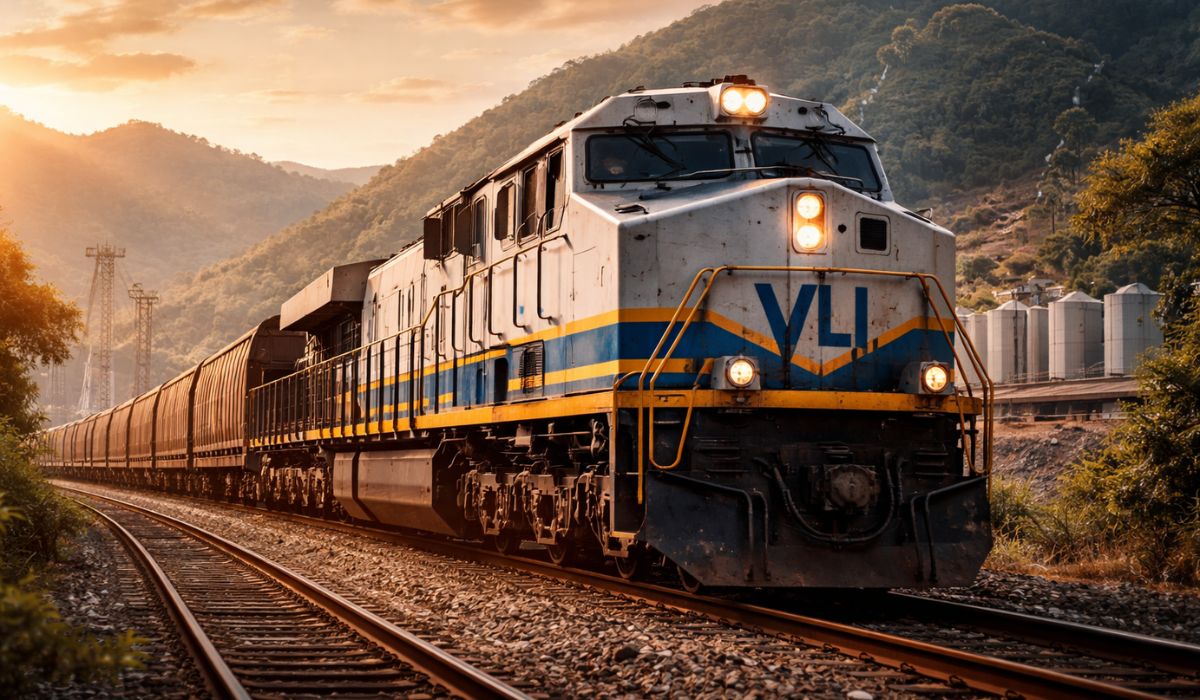
With an Investment of R$ 700 Million in One of the Country’s Main Rail Networks, VLI Reinforces Infrastructure, Receives 8 New Locomotives, and Expands the Corridor Connecting 7 States, Boosting Jobs and the Transportation of Grains, Ore, and Oil Products to the Port of Santos

According to information from Transnordestina Logística S.A., the company responsible for the project, 35% of the works related to the 144-kilometer section that integrates Phase 2 have already been completed.
The announcement of the acceleration was made by the company’s president, Tufi Daher Filho, during the visit of the President of the Republic, Luiz Inácio Lula da Silva, to one of the completed sections of the railway line in the city of Missão Velha, Ceará, in July 2025.
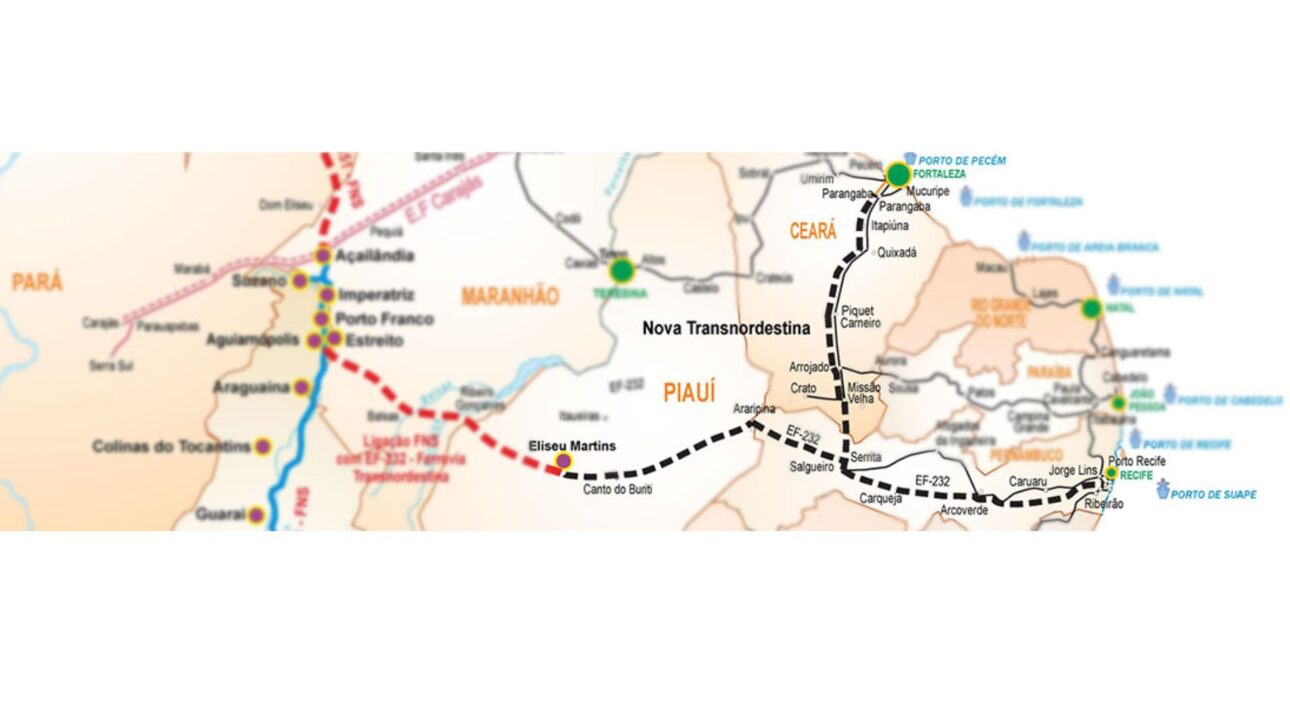
The commitment made provides for the start of work in 2026 on the remaining sections, allowing the entire stretch between Eliseu Martins, in Piauí, and the Port of Pecém, in Ceará, to be operational by the end of 2027 or early 2028.
Transnordestina Railway Creates Unprecedented Connection Between Matopiba and Port of Pecém
The new railway corridor establishes a unique route for the flow of grains, fertilizers, cement, fuels, and minerals produced in the region known as Matopiba — which encompasses Maranhão, Tocantins, Piauí, and Bahia.
The expectation is that the railway will play a central role in integrating this important agricultural frontier with the Port of Pecém, in Ceará, considered one of the most modern and dynamic in the country.
With the completion of phases 1 and 2, the Transnordestina railway will have a total length of 1,206 kilometers.
This railway line will connect agricultural production areas to port areas, enhancing national competitiveness and facilitating access to international markets.
According to sector representatives, the new railway network is expected to contribute to reducing logistics costs, increasing transport efficiency, and improving safety in the circulation of goods.
Billion-Dollar Investment Enables Strategic Infrastructure
The Transnordestina project is enabled by a financial contribution of R$ 15 billion, from various sources.
Among the main financiers are Companhia Siderúrgica Nacional (CSN), Infra S.A. (formerly Valec), the National Bank for Economic and Social Development (BNDES), the Northeast Bank of Brazil (BNB), the Northeast Investment Fund (Finor), and the Superintendence for the Development of the Northeast (Sudene).
The participation of these institutions demonstrates public and private interest in consolidating this new axis of economic and logistical development for the country.
Current Situation of the Transnordestina Railway Works
In early June 2025, the federal government signed the service order for the start of construction of lot 8, which integrates the stretch between Missão Velha and the Port of Pecém.
Five other lots in the same segment (4, 5, 6, 7, and 11) are already in progress, covering the central region of Ceará and ensuring direct access to the port terminal.
Lots 9 and 10 remain, with contracting expected to occur still in 2025, according to the official schedule presented by the Ministry of Transport.
The accelerated schedule puts Transnordestina in a prominent position among the main infrastructure investments in Brazil.
The project is considered strategic for the National Logistics Plan, as it promotes more sustainable alternatives to road transport, in addition to relieving highways and increasing the capacity for moving goods over long distances.
Impacts for Agriculture and National Logistics
The start of operations for the new section of the Transnordestina railway will bring direct and positive impacts to the agribusiness of Matopiba, a region that has consolidated itself in recent years as one of the most dynamic agricultural production hubs in Brazil.
Recent data from the National Supply Company (Conab), released in June 2025, indicate that Matopiba accounted for over 10% of the national grain harvest in 2024, particularly soy, corn, and cotton.
With the possibility of direct flow through the Port of Pecém, the sector’s expectation is for an increase in exports and greater access to markets in Europe, the United States, and Asia.
Experts highlight that the gradual replacement of road transport by rail is expected to promote environmental gains, such as reducing greenhouse gas emissions and less wear on roads.
Additionally, rail transport reduces costs and accident risks while increasing the competitiveness of Brazilian products.
Job Creation and Regional Development
During the execution of the works, the railway generated thousands of direct and indirect jobs, boosting the local economy in several cities in Piauí, Ceará, and other states covered by the route.
According to Sudene, about 20,000 jobs were created throughout the project, including positions in construction, engineering, transportation, and logistical support sectors.
The expectation is that, after the inauguration, new jobs will emerge in areas such as railway maintenance, logistics operation, and services associated with the functioning of the railway.
The development of industrial hubs near the tracks is also among the expectations of regional authorities.
Challenges and Prospects for National Infrastructure
Despite significant progress, the project faced challenges over the years, such as expropriations, environmental barriers, and fluctuations in financing.
The engagement of state and federal governments, combined with partnerships with the private sector, has been essential to unlock crucial stages and ensure compliance with the new schedule.
The expectation is that the success of the Transnordestina railway will inspire the expansion of other railway networks in Brazil, which has traditionally relied on road transport.
The country, which has discussed the need to diversify its logistics matrix for decades, now finds a model to be replicated in other strategic regions.
With the early delivery of Transnordestina, Brazil reaffirms its commitment to large infrastructure works to boost agribusiness, attract investments, and capture new markets.
Do you believe that the expansion of the tracks will be enough to revolutionize freight transport in the country, or are there still other solutions needed to make Brazilian logistics more efficient?









-

Uma pessoa reagiu a isso.