





 Portuguese
  English
  Spanish
  4 min of reading
  1 comment


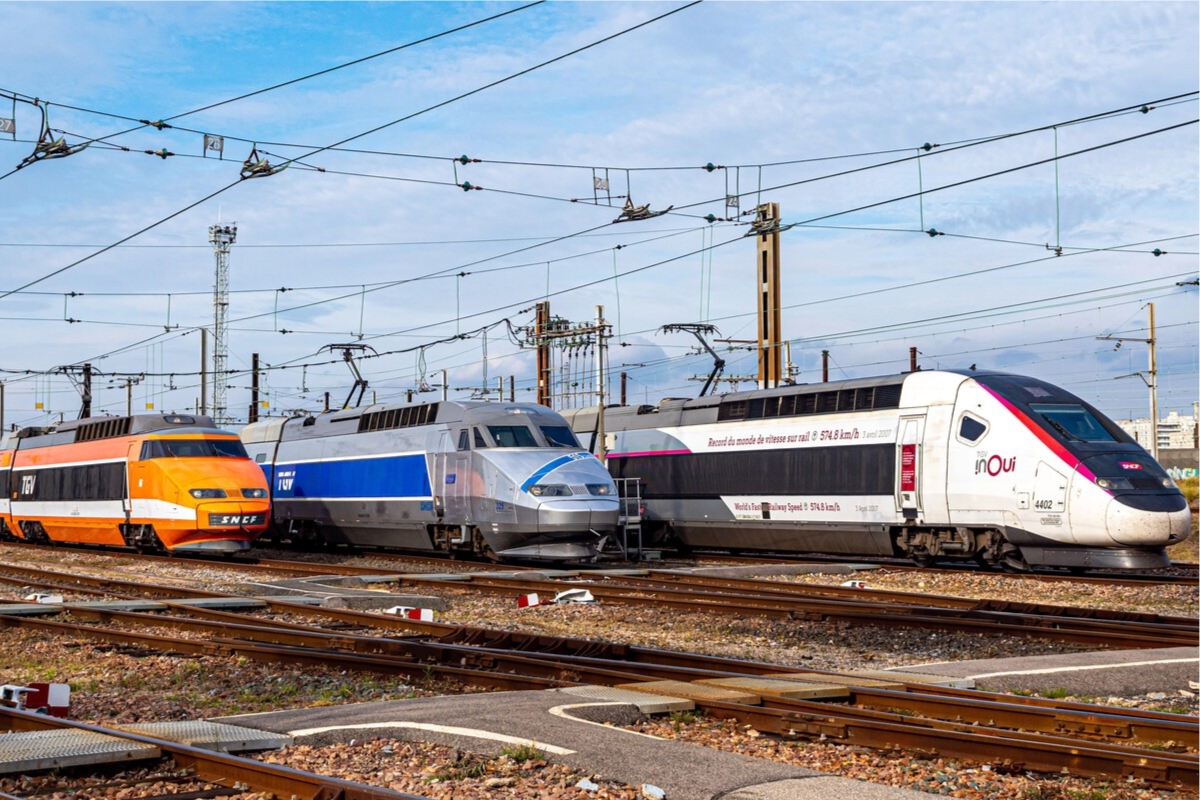


After Decades of Waiting, Brazil Prepares to Launch the High-Speed Train That Will Connect São Paulo and Rio and Transform the Country into a South American Rail Reference
Brazil is about to take a historic leap in its transportation infrastructure. After two decades of postponed plans and interrupted projects, the country will finally have its first high-speed train, connecting São Paulo and Rio de Janeiro.
The project, led by the private company TAV Brasil, promises to transform mobility between the two largest metropolises in the country and inaugurate a new era for rail transport in South America.
Two Decades of Frustrated Attempts
The idea of a high-speed train in Brazil emerged in 2004 under the name “Expresso Bandeirantes,” with the aim of linking São Paulo to Campinas. The plan was shelved in 2007 but came back into focus during Lula’s government, with expectations to be ready for the 2014 World Cup. When that did not happen, the timeline was pushed to the 2016 Olympic Games. Once again, the project failed due to lack of investment, financing difficulties, and lack of interest from the private sector.
-
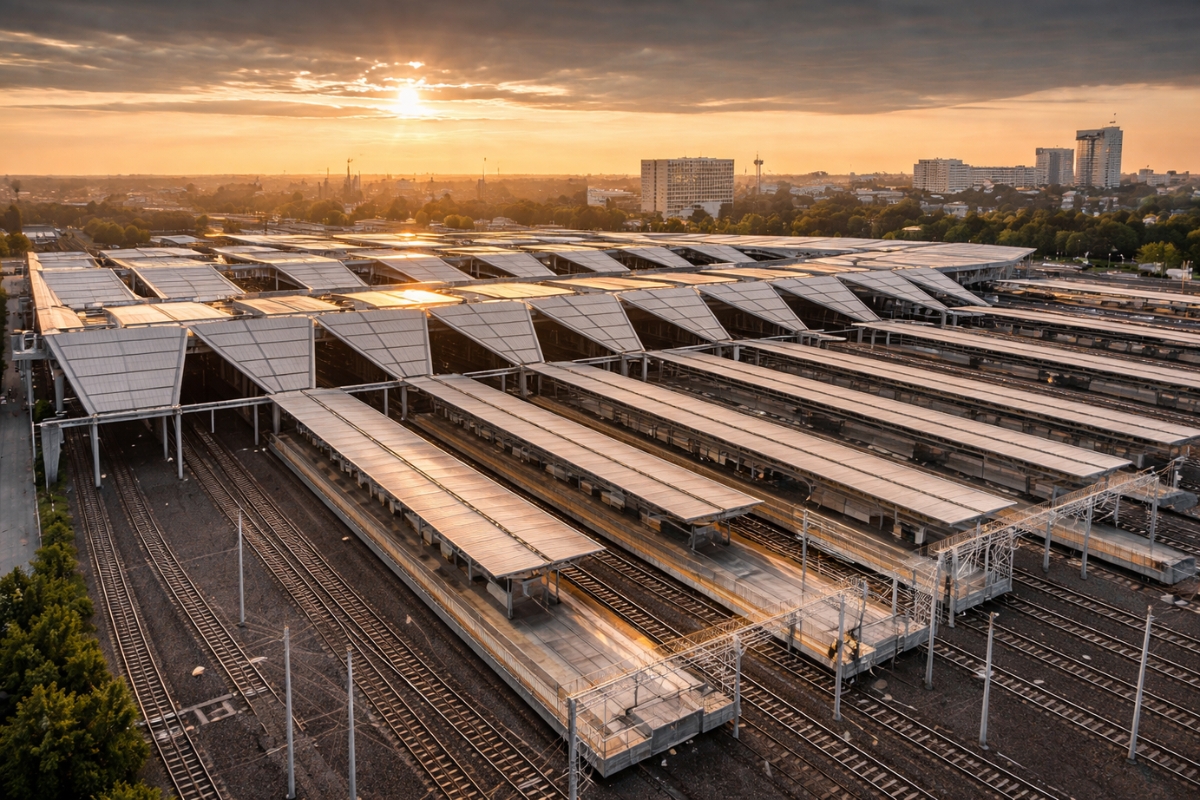
In A European City, The Country’s Largest Railway Junction Was Modernized Without Closing Its Doors, Kept Trains Running During Years Of Construction, Now Serves Up To 60,000 Passengers Per Day, And Installed Solar Panels That Generate About 30% Of Its Energy
-
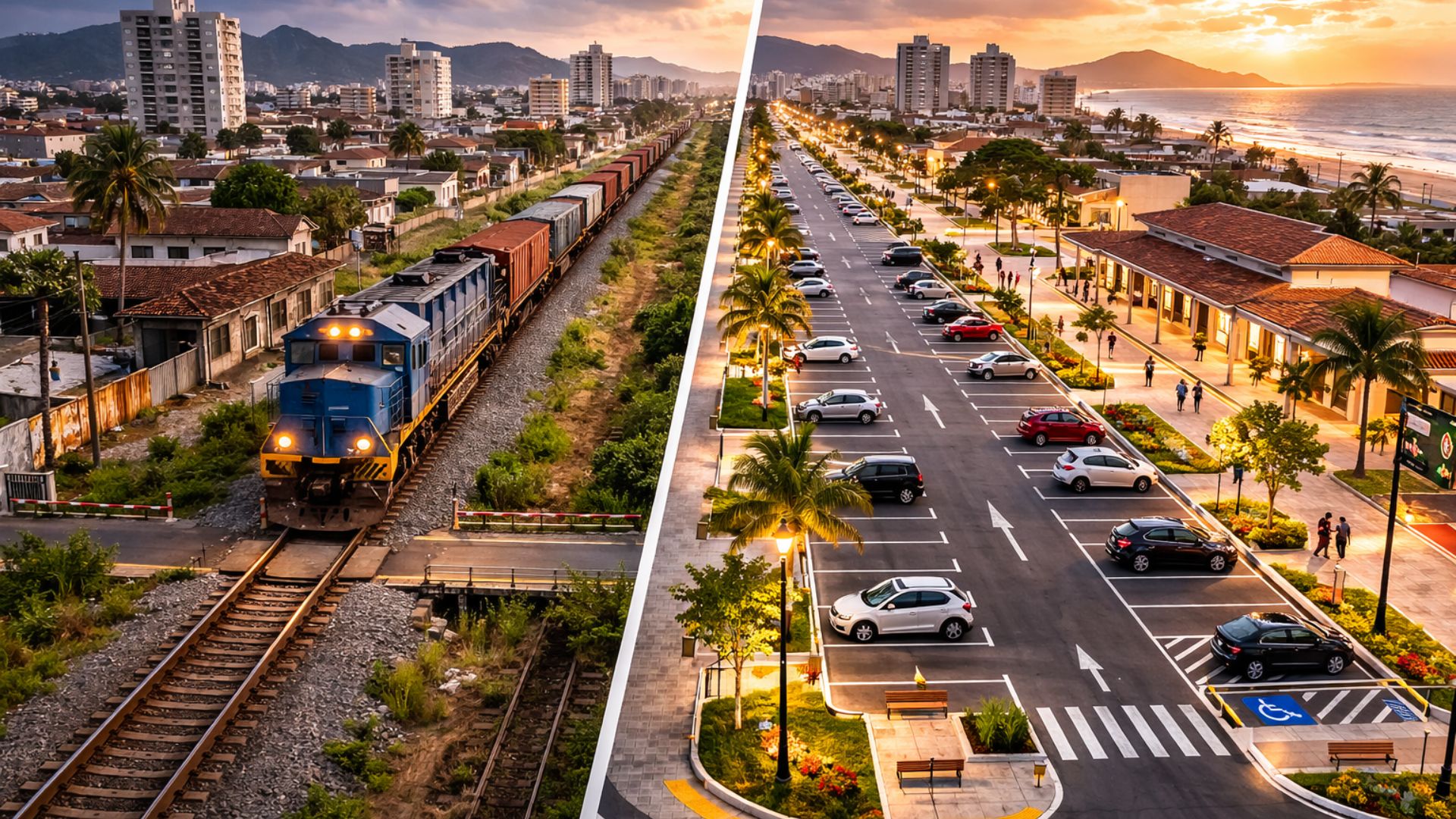
Famous Brazilian Railway May Become a Parking Lot
-
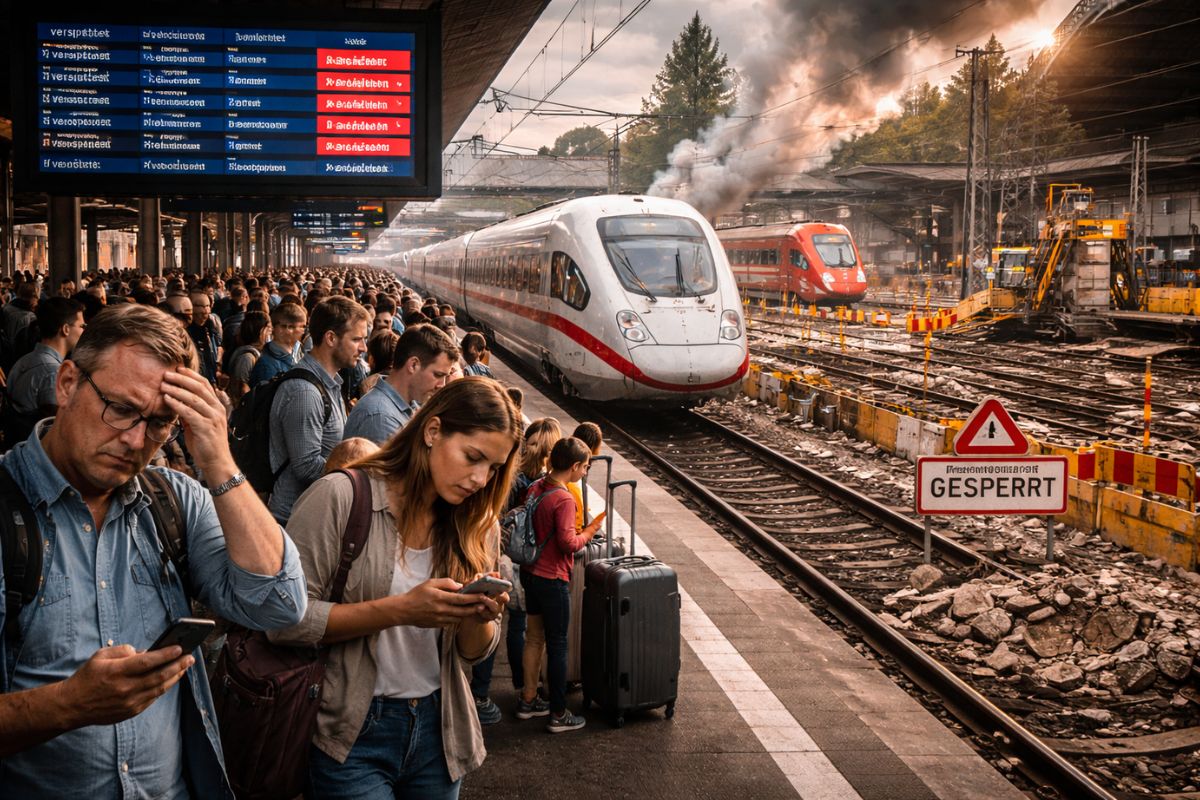
The Country of “Punctual As a Train” Admits It Has Lost Control: High-Speed Trains Delay, Stop, Disappear from the Map and Turn 6-Hour Trips into 10, While Deutsche Bahn Promises Restructuring in 2026 But Faces 19th Century Infrastructure, Staff Shortages and Sections Closed for Months
-
With an Investment of R$ 700 Million in One of the Country’s Main Rail Networks, VLI Reinforces Infrastructure, Receives 8 New Locomotives, and Expands the Corridor Connecting 7 States, Boosting Jobs and the Transportation of Grains, Ore, and Oil Products to the Port of Santos

Now, almost twenty years later, the landscape has changed. In 2023, the National Land Transport Agency (ANTT) granted the company TAV Brasil authorization to plan, build, and operate the high-speed rail line that will connect Rio and São Paulo for 99 years. This concession represents the most concrete step taken since the idea’s inception and puts the country back on the map of major global mobility projects.
A New Milestone for Brazilian Transport
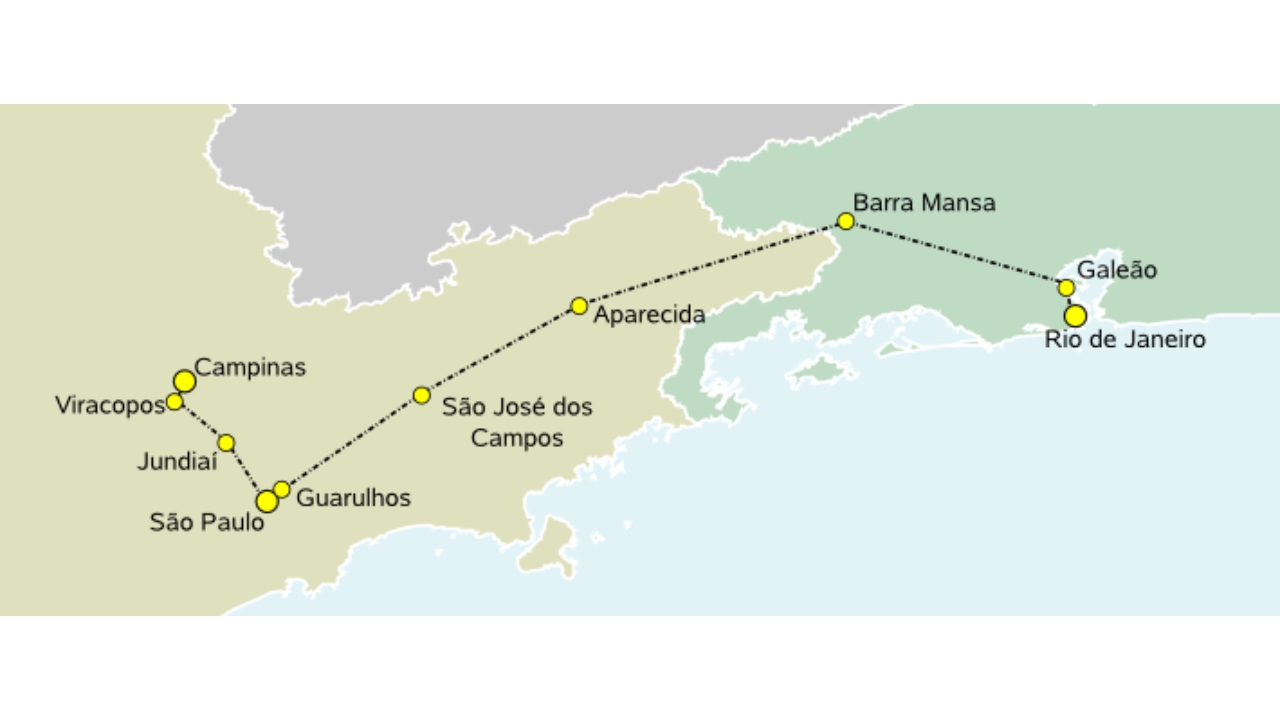
The high-speed train between São Paulo and Rio de Janeiro will cover approximately 417 kilometers and will complete the journey in about 1 hour and 45 minutes. The estimated maximum speed is 320 km/h, placing the project within international high-speed standards. Currently, the same route by road takes an average of six hours.
The plan includes intermediate stations in São José dos Campos (SP) and Volta Redonda (RJ), two strategic cities both for their population density and industrial relevance. According to initial estimates, the total investment may reach R$ 60 billion, with construction expected to start in 2027 and commercial operation in 2032. The average ticket price is expected to be around R$ 500, equivalent to about 85 euros.
In addition to connecting the two largest economies in Brazil, the project is expected to reduce logistics costs and carbon emissions, as well as stimulate tourism and regional integration. The expectation is that the project will generate over 130,000 direct and indirect jobs during the construction and operation phases, with an estimated impact of R$ 168 billion on GDP by 2055.
The Strategic Role and International Competition
Behind the technical and economic grandeur of the project lies an intense geopolitical and commercial rivalry. Companies from Spain, France, Germany, and China have expressed interest in participating in the construction and supply of trains. Firms such as CAF, Alstom, and Siemens compete with Chinese groups that already have a strong presence in rail projects in Africa and Latin America.
The involvement of foreign investors is seen as essential to enable financing, given the high cost of the project. Sources in the sector report that Arab funds have also expressed interest in participating, reinforcing the international character of the venture. TAV Brasil, for its part, maintains an open dialogue with various partners, seeking to ensure a balance between technology, profitability, and scheduling.
The Challenge of Making the Dream a Reality
Despite the optimism, challenges remain significant. The route between São Paulo and Rio de Janeiro includes mountainous areas that will require complex tunnels and viaducts, increasing costs and execution time. There are also environmental issues and expropriations that will need to be carefully addressed to avoid delays.
Another obstacle is the historical distrust of the private sector regarding the project’s profitability. Previous experiences have shown that, without solid guarantees of return, investors hesitate to commit resources to long-term ventures. Still, the current context is more favorable: the federal government has been seeking to modernize the regulatory framework for railways and attract foreign investments through concessions and public-private partnerships.
A Project That Redefines Brazil’s Infrastructure
If the timeline is met, Brazil could inaugurate in 2032 the first bullet train in South America, connecting São Paulo and Rio in less than two hours. More than an advancement in passenger transport, this is a structural leap in national infrastructure, with the potential to reposition the country as a leader in sustainable mobility and technological innovation in the region.
For the energy, oil, and gas sector, the impact will also be significant. The construction will require a high demand for steel, concrete, and energy, moving entire production chains and boosting the economy. Moreover, the electric operation of the train helps to reduce emissions and reinforces the country’s commitment to a cleaner energy matrix.
Brazil, therefore, enters a new chapter in its railway history. After decades of frustrated attempts, the high-speed train is no longer just a promise but begins to become a reality. The challenge now is to ensure that this ambition does not get stuck in the bureaucracy but moves towards the future that the country has long awaited.









500 reais a passagem é cara
de avião é mais rápido ( 59 minutos) e mais barato cerca de 250 reais o trecho