





 Portuguese
  English
  Spanish
  6 min of reading
  0 comments


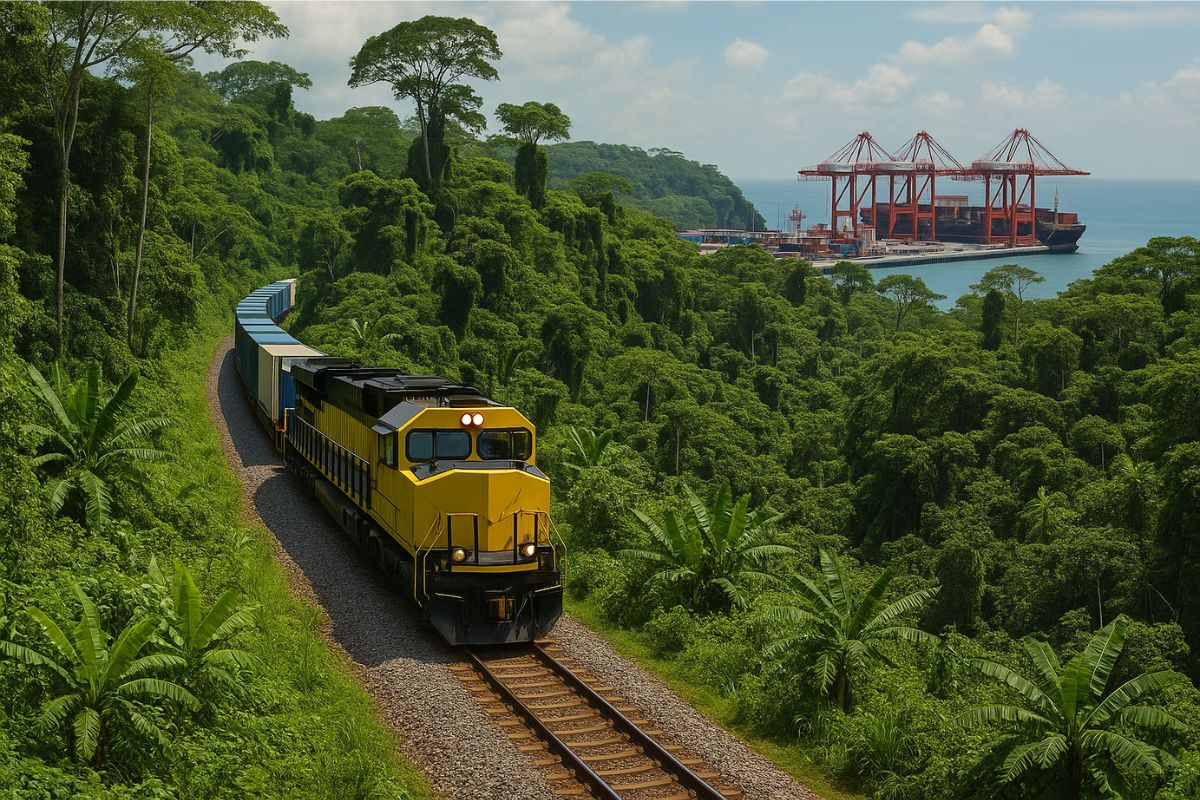
Brazil Wants to Build a Railway to the New Megaport Created by China to Connect South America to the Pacific, But Beijing Proposed a Section That Threatens Amazon Reserves
Brazil and China have returned to the table to discuss an ambitious project: the construction of a railway linking the Brazilian interior to the new megaport of Chancay in Peru. The proposal, of continental proportions, envisions tracks cutting through the state of Acre, near the border with Bolivia, and reaching the Atlantic coast in Bahia. But an initial detail raised a red flag in Brasília: the first Chinese proposal envisaged a route that crossed protected areas of the Amazon rainforest — leading the Brazilian government to promptly reject the idea.
Planning Minister Simone Tebet revealed that the Chinese had suggested a shorter route, but it would invade indigenous lands and environmental reserves. According to her, the government had no doubts in imposing a clear limit.
“They understood our concerns. There is interest from both sides, but the Amazon is non-negotiable,” Tebet declared in a recent interview. The conversation took place on the eve of President Lula’s state visit to China, at a strategic moment in the bilateral relationship.
-
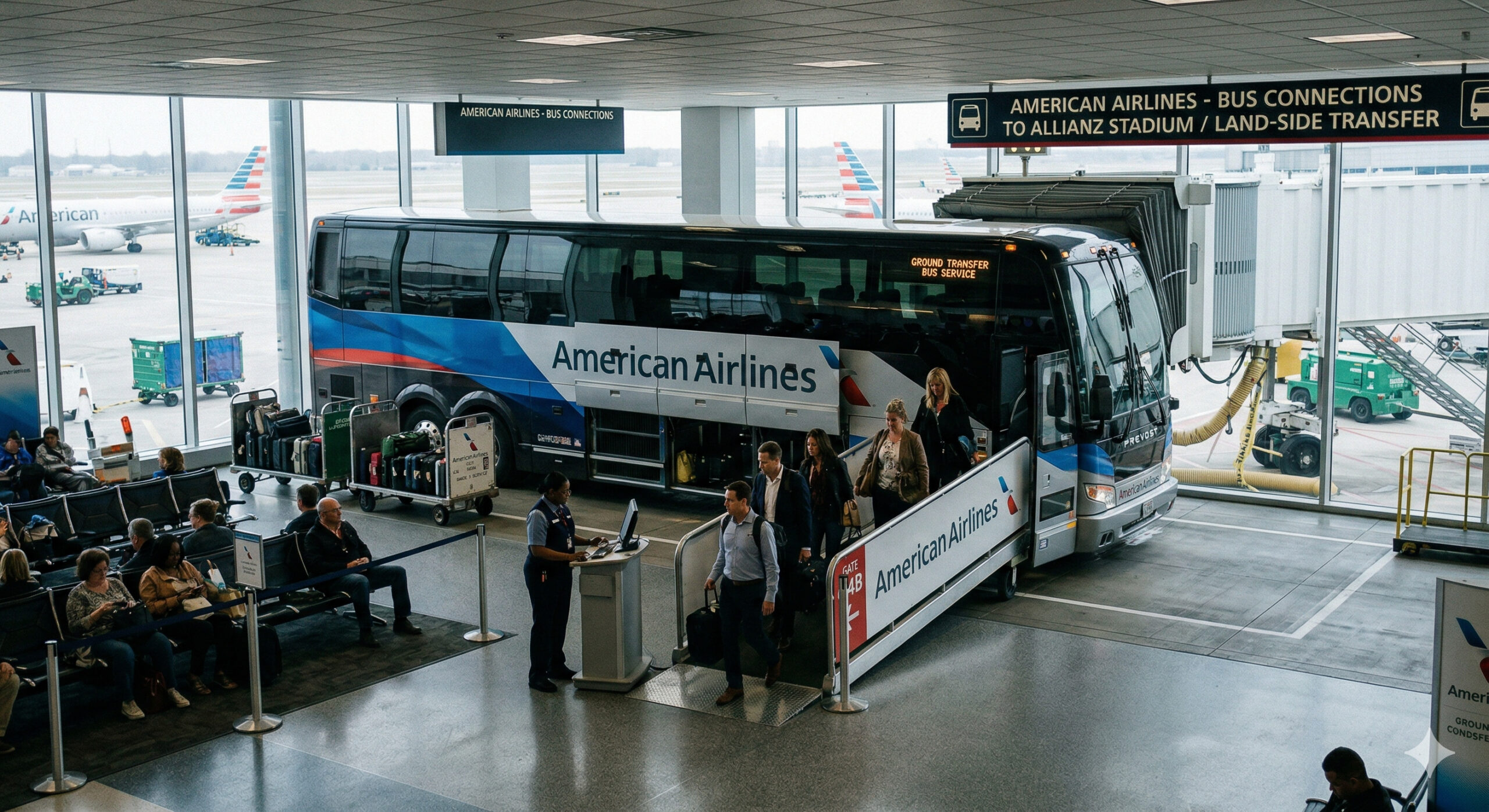
American Airlines starts selling trips as if they were flights, with check-in and baggage check at the airport, but on short routes, passengers board luxury buses connecting cities to major hubs in the U.S.
-
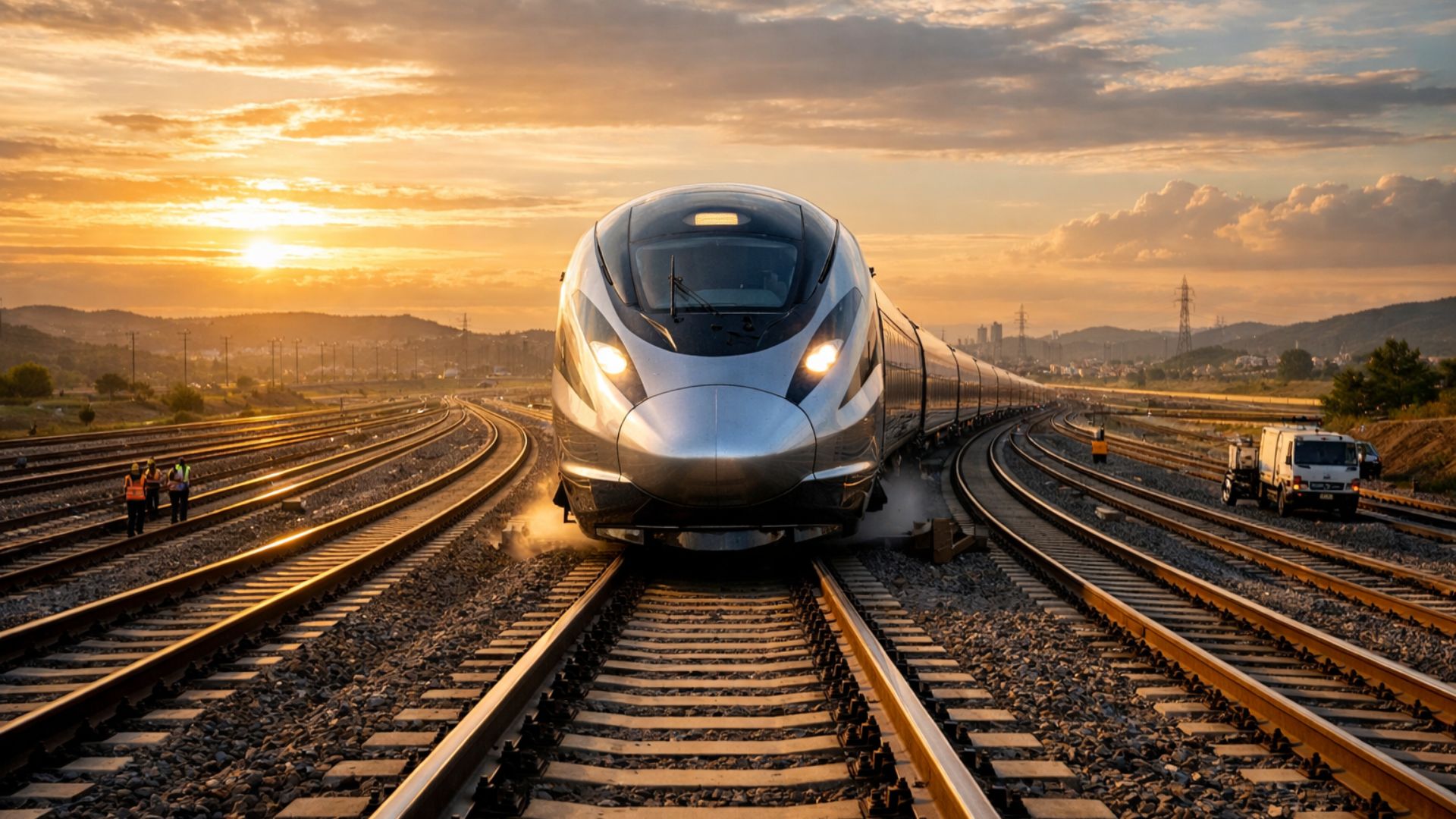
São Paulo surprises the world with a colossal railway network project that promises over 1,000 km of tracks, R$ 194 billion in investments, and 40 projects connecting the capital to the interior with fast and sustainable trains.
-
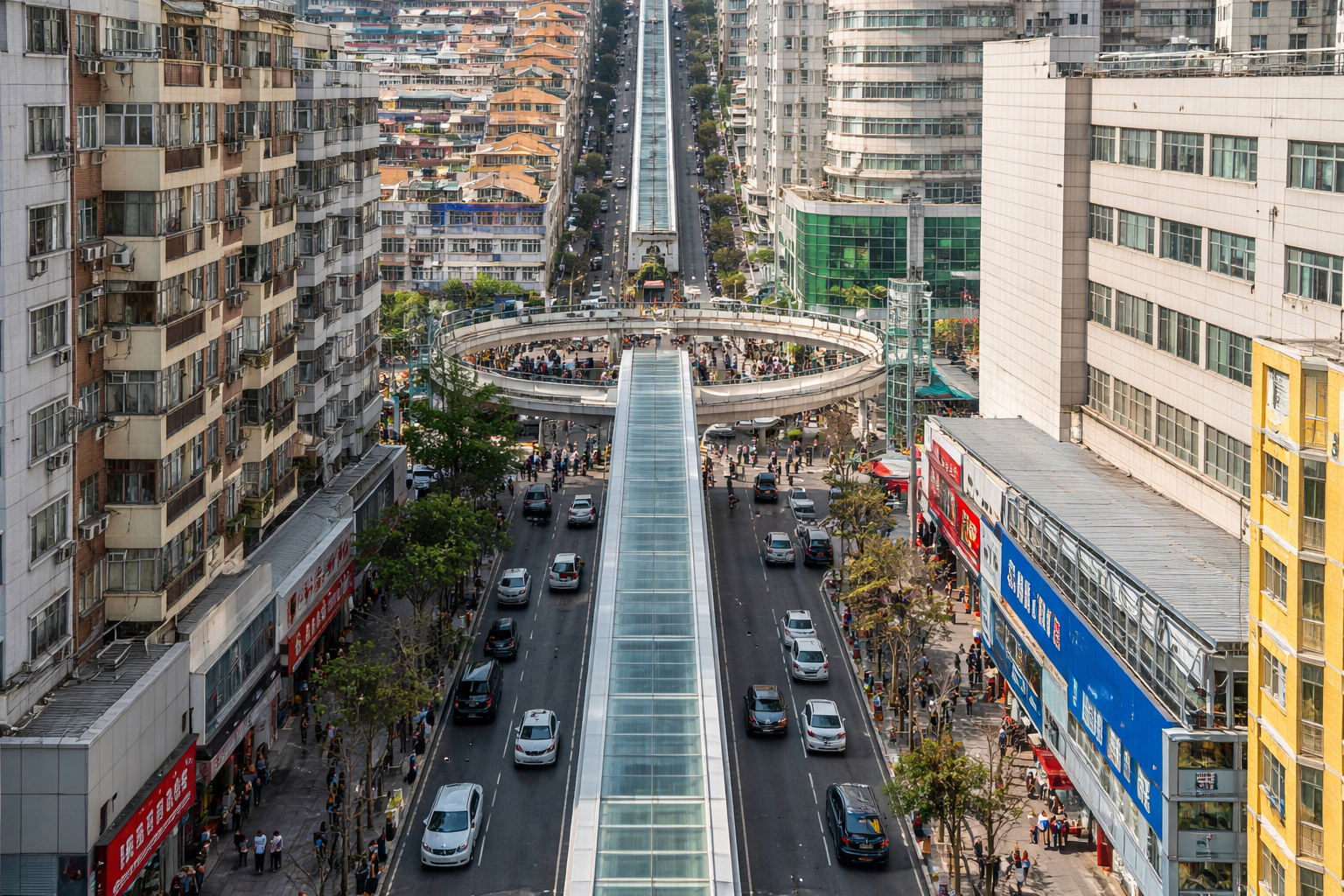
The world’s largest escalator, measuring 905 meters in China, reduces urban travel time from 1 hour to about 20 minutes and transforms mobility in mountainous regions with an engineering solution adapted to the terrain.
-
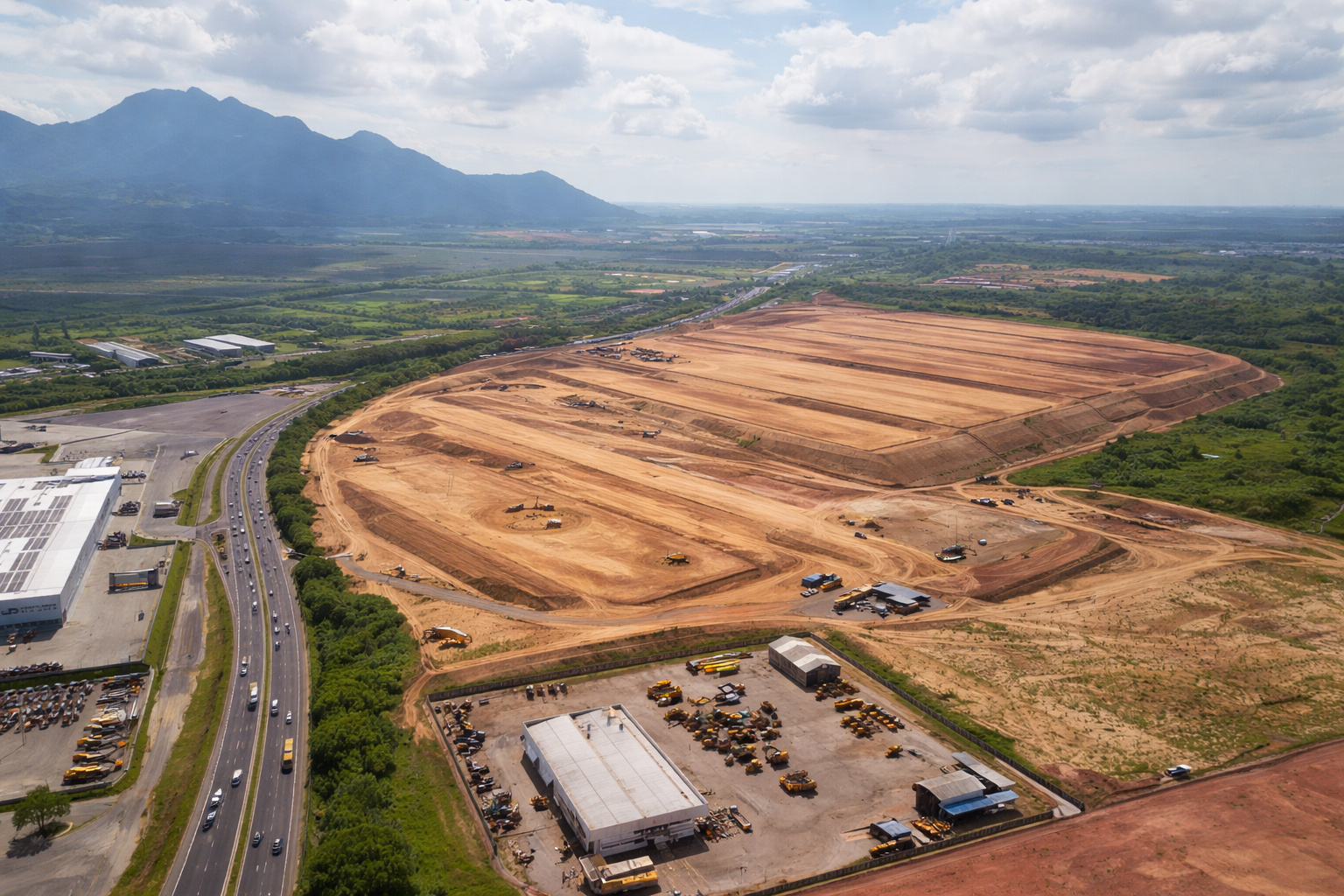
A R$ 300 million logistics giant is taking shape in Serra with over 100,000 m² and raises a question: how can this transform e-commerce and distribution in the state?

The Return of a Dream Lying Dormant
This is not the first time Brazil has considered a railway crossing the continent. During Dilma Rousseff’s second term, the plan to link the Atlantic to the Pacific had already been presented as a strategic priority. At the time, the proposal envisioned tracks between Brazil and Peru passing through Bolivian territory, but high costs, environmental complexity, and lack of political interest delayed progress.
Now, with China committed to consolidating its presence in South America through infrastructure and trade, the scenario has changed. The Asian country is now Brazil’s largest trading partner and is willing to finance major works that facilitate the flow of grains, meat, minerals, and oil derivatives — products that make up the backbone of Brazilian exports.
The railway, if built, would shorten the route of products from the Midwest and North of Brazil to Asia, avoiding the congested Panama Canal and alleviating dependence on the Port of Santos.
Chancay: The Port That China Built to Dominate the South American Pacific
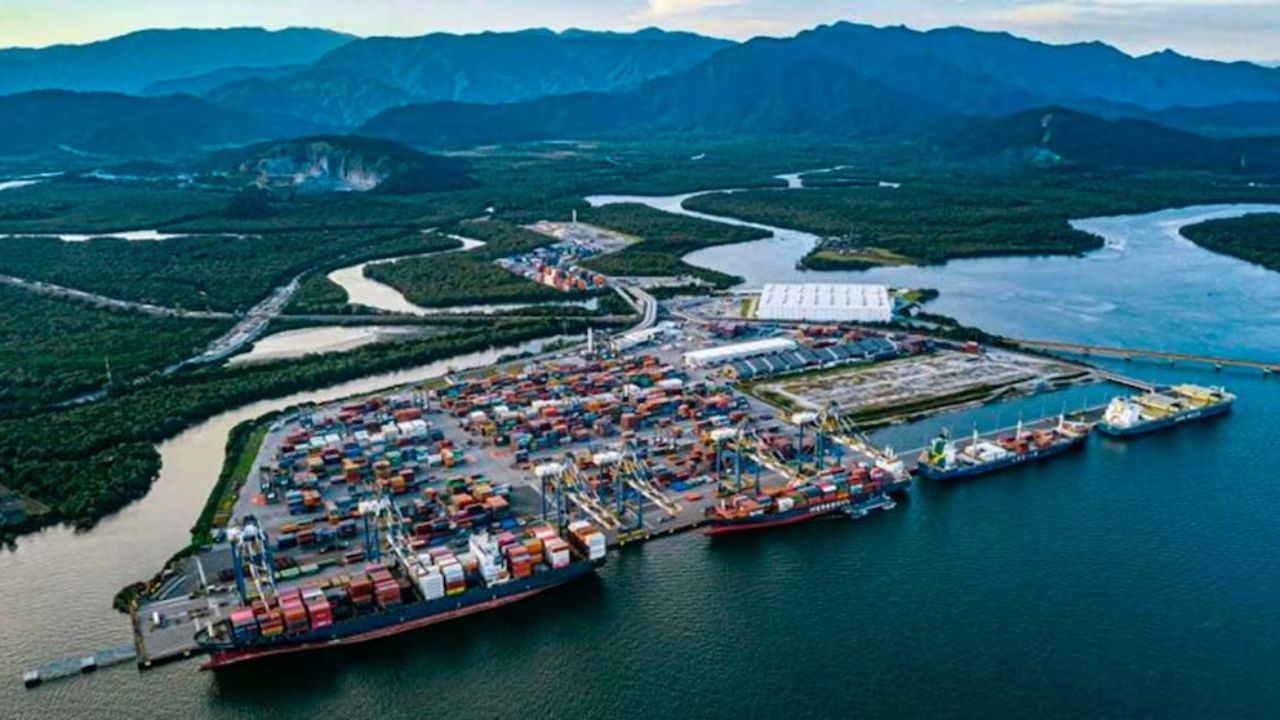
The megaport of Chancay was officially inaugurated in November 2024 and is considered the largest port project in recent Peruvian history. The project, located just 75 km from Lima, was primarily financed by Cosco Shipping Ports, the logistics arm of the Chinese state-owned Cosco Shipping, which holds 60% of the shares in the joint venture responsible for the operation. The other 40% belongs to the Peruvian mining company Volcan.
With a main pier extending 2.7 km and a secondary pier of 250 meters, the port is designed to receive large ships directly from Asia. Since December 2024, the terminal has been operating in a testing phase with two ships weekly — and the goal is to become the main maritime hub of the South American Pacific by 2030.
This connection is part of the New Silk Road, a Chinese strategy to dominate trade flows through investments in infrastructure. The COSCO Volga was the first ship to connect the Nansha port in China directly to Chancay, carrying over 400 containers.
Why Brazil Wants to Move Away From the Santos–Atlantic Axis
The Port of Santos is a logistical giant, but it is also a bottleneck. About one-third of Brazilian exports leave through there, leading to overload, delays, and high costs. In times of bumper crops, such as those recorded in 2022 and 2023, producers from Mato Grosso, Pará, and Goiás face queues, inflated freight rates, and shortages of wagons or trucks.
A railway connection to Chancay would change this game. According to estimates from the National Association of Grain Exporters (ANEC), an inter-oceanic railway could reduce the transportation time of cargo from Brazil to Southeast Asia by up to 20 days, as well as cut logistics costs by around 30%.
“This is a silent revolution. The rural producer will be the main beneficiary, but it will also open up space for Brazil to compete more strongly in the Asian commodities market,” explained foreign trade analyst Eduardo Lacerda in an interview with Agência Brasil.
Environmental and Social Issues Hold Back the Chinese Model
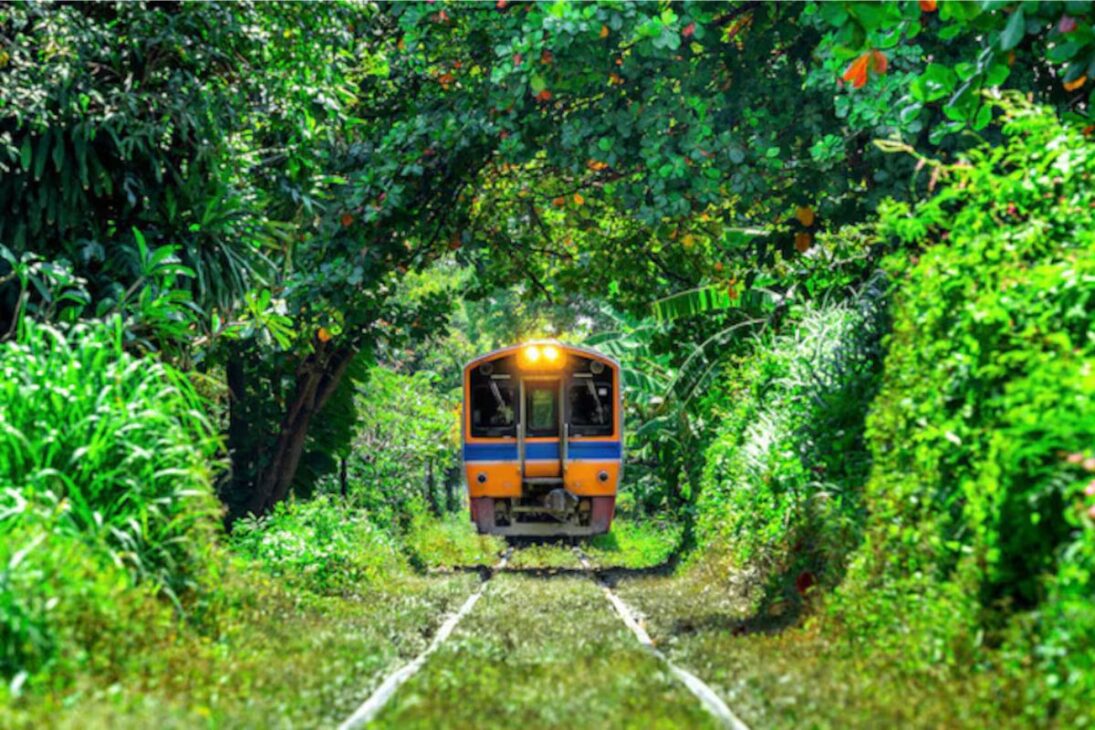
Despite the enthusiasm, the Brazilian government has made it clear that it will not accept proposals that disregard the environment or the rights of traditional populations. The original Chinese proposal, which passed through indigenous areas and legal reserves in the Amazon rainforest, was immediately discarded.
Organizations such as WWF-Brazil, the Socio-Environmental Institute (ISA), and the Articulation of Indigenous Peoples of Brazil (Apib) have warned about the risks of “fast-tracked licensing” and demanded robust environmental impact studies. INPA researcher Lívia Moreira recalled that “Brazil is a signatory to ILO Convention 169 and has a legal duty to ensure free, prior, and informed consent from the affected communities.”
This position is reinforced by China’s recent history in controversial projects in Latin America, such as the Coca Codo Sinclair hydroelectric plant in Ecuador and railways in Argentina with reports of poorly assessed impacts.
Chancay Already Faces Controversies: Disappearing Sand and Protesting Residents
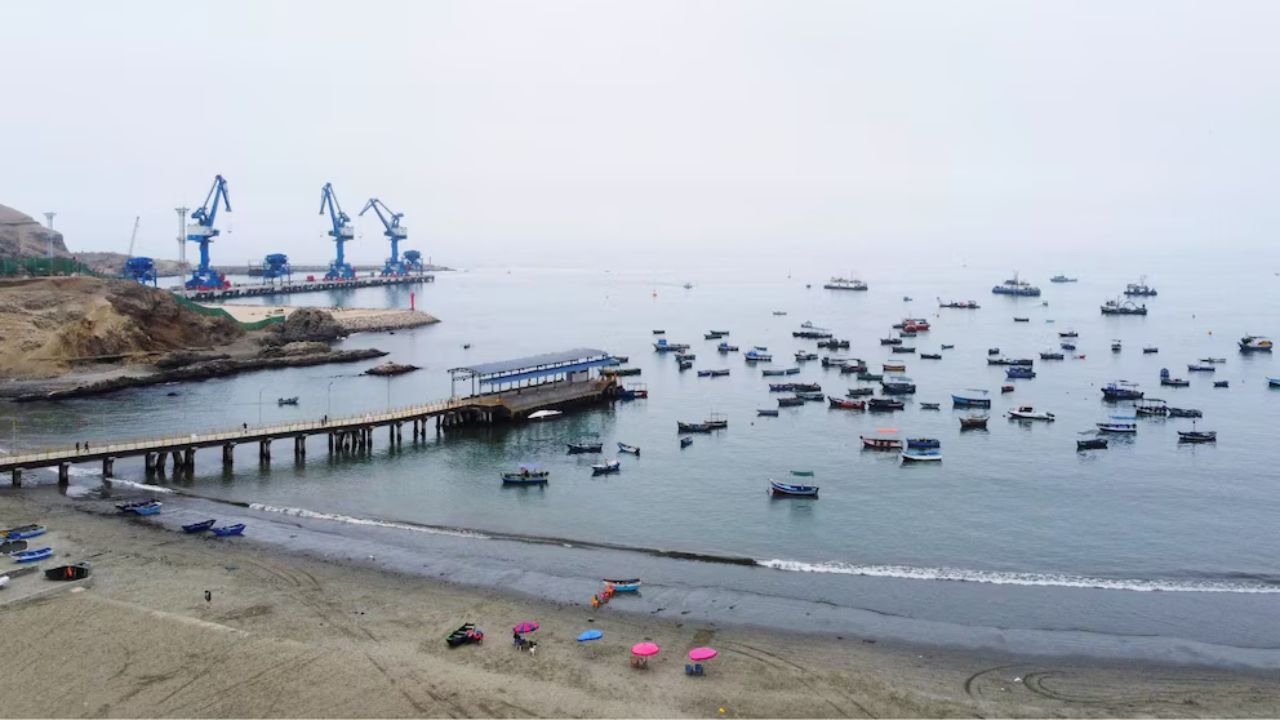
Even the recently inaugurated megaport of Chancay has not escaped controversy. According to complaints from the Peruvian association Freddlich, the advancement of the works has caused degradation of the Santa Rosa Wetland and intense erosion at Chorrillos beach. Vladimir Cantoral, leader of the association, told Infobae that Cosco Shipping violated points of the Modified Environmental Impact Study (MEIA 2020) and that the situation has been brought to the Public Ministry of Huaral.
“We are losing our coastline. The sea is advancing, the beaches are disappearing. All this because of a project that did not take the population into account,” Cantoral stated.
Indecopi: Megaport May Not Be Competitive
Another chapter of the saga involves the port’s tariff regulation. The National Institute for the Defense of Competition and Intellectual Property (Indecopi), equivalent to CADE in Brazil, concluded that the megaport of Chancay does not have real competitive conditions. The decision gave the National Port Authority the power to set tariffs — displeasing Cosco, which threatened to go to court.
In an official statement, the company stated that the terminal “promotes logistical efficiency with legal stability and offers a competitive environment for users of the port system.”
A Key Piece in Regional Geopolitics
Beyond logistics, the project has geopolitical weight. The Brazil–Peru railway, allied with the Chancay megaport, creates a new export route independent of the U.S. and the Panama Canal, challenging the dominance of Atlantic routes.
Professor Lucas Albuquerque from the University of Brasília warns: “Brazil must analyze these agreements with caution. We cannot simply exchange dependence on one logistical hub for another. We need to ensure sovereignty and sustainability.”
China, in turn, sees South America as a strategic opportunity to ensure continuous access to food and raw materials, as well as to project its influence in the western hemisphere.
And Now?
What lies ahead is a series of technical and diplomatic steps. Economic and environmental feasibility studies will still be deepened. The final layout of the railway is not yet defined, but the message from Brasília was clear: any progress must respect the forest, the laws, and the people.
Meanwhile, Brazil reaffirms its goal of growing in global trade — but without selling the Amazon along the way.










Seja o primeiro a reagir!