





 Portuguese
  English
  Spanish
  4 min of reading
  1 comment


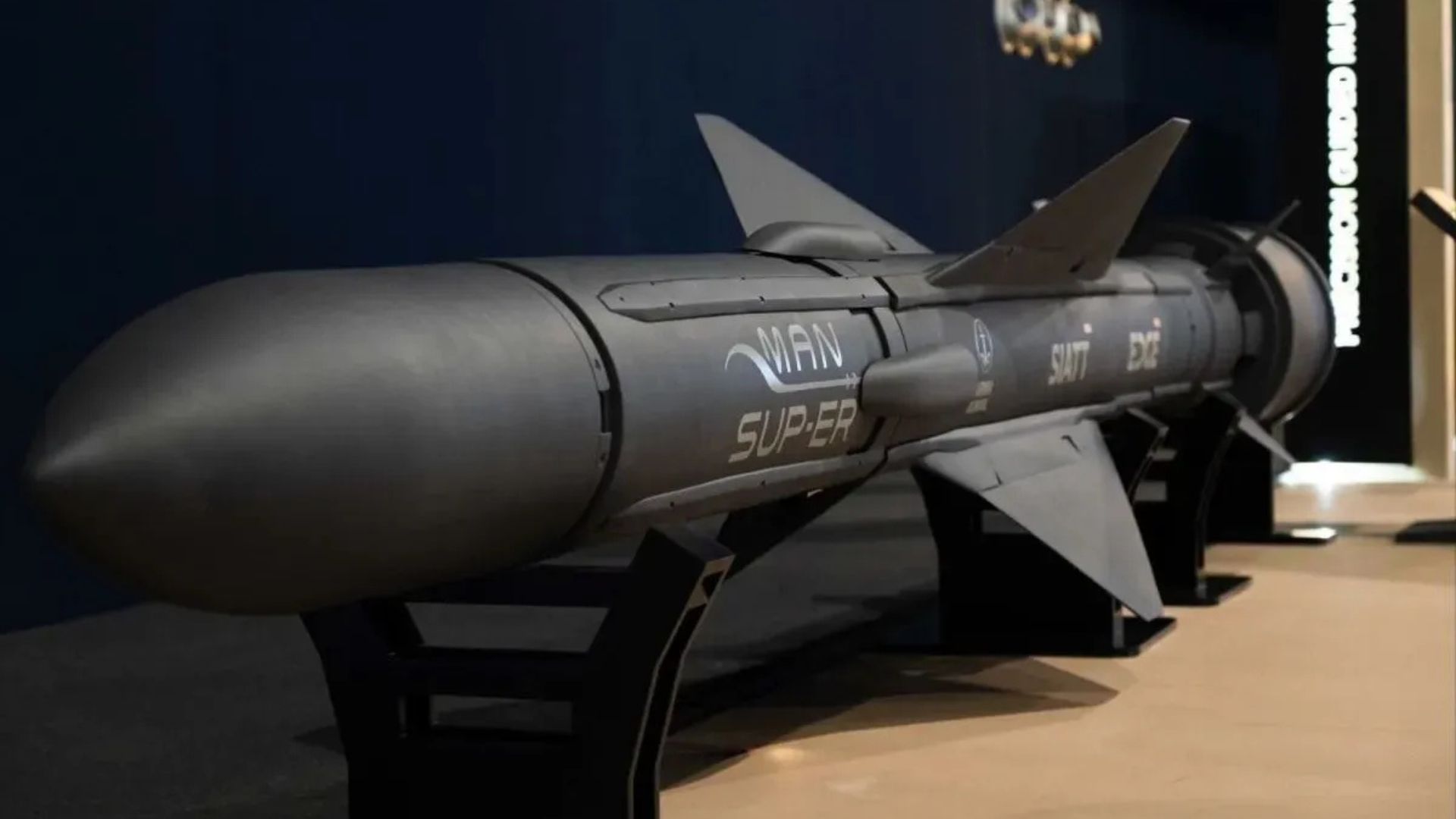


Partnership Between Navy and SIATT Aims for National Air-to-Surface Missile Based on MANSUP, Foresees Royalties, Exports, and Reinforcement of Brazilian Anti-Ship Capability from Technology Already Developed in the Country.
The Brazilian Navy and SIATT signed a memorandum of understanding in 2025 to study the creation of air-to-surface anti-ship missiles launched from aircraft, based on the technology of MANSUP and MANSUP-ER, according to public information released by the institutions.
The project, named MARSUP, aims to adapt a system already developed for launch from ships to enable helicopters and airplanes to use national armament against targets at sea, enhancing naval operational capability.
Protocol for Air-to-Surface Missile Expands Naval Aviation Range
The signed document establishes a study phase focused on the technical feasibility and the integration needs of the missile to aerial platforms, such as weight requirements, mission interface, and compatibility with sensors and onboard systems.
-
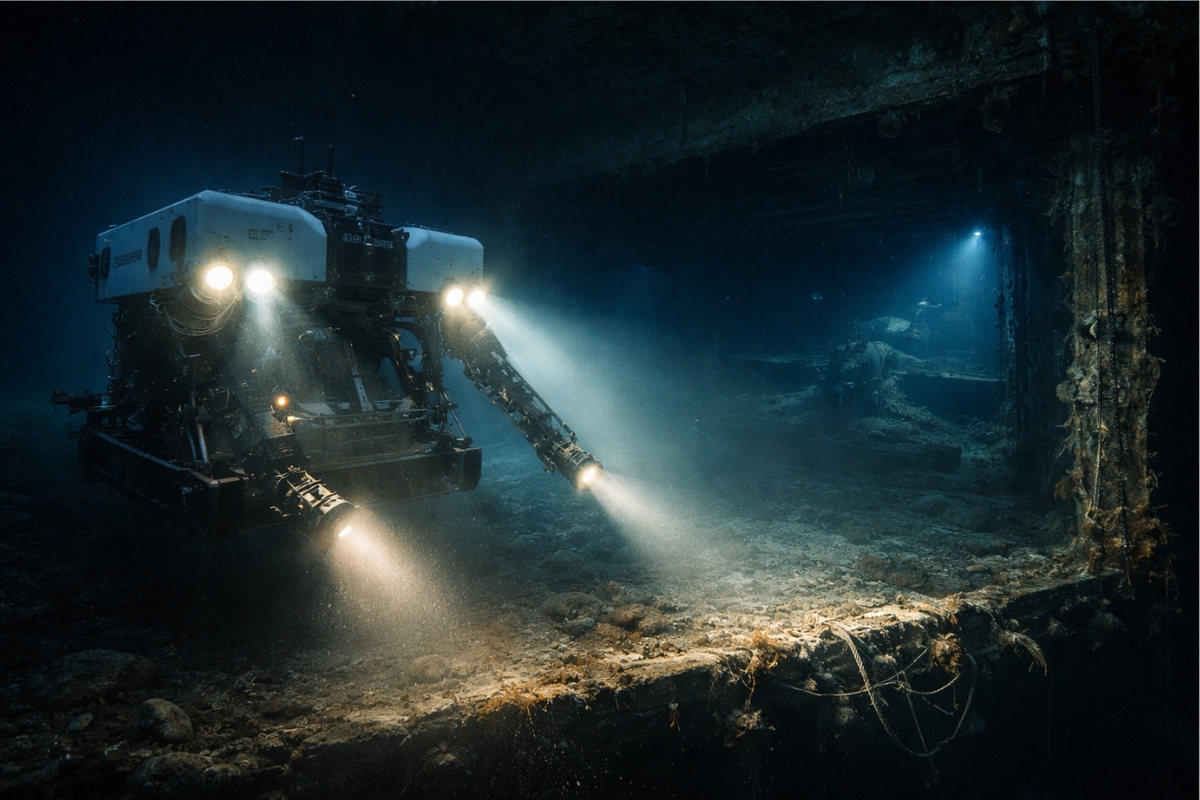
A new underwater exploration, conducted at over 5,000 meters deep, managed to access the aircraft carrier USS Yorktown, which has been sunk for more than 80 years under the Pacific, and brought to light clues from one of its most enigmatic areas that reopen its history.
-
The city of Santa Catarina is experiencing a historic drought that has lasted four months, destroying livelihoods, drying up water sources, and leaving entire families without supply. The city hall has declared a state of emergency and has begun drilling artesian wells to survive.

-
The clay filter dominated Brazilian kitchens, but today it is forgotten! Even without electricity, it ensured fresh water and was one of the simplest ways to purify water.

-
Founded in 1580, just 35 kilometers from São Paulo, this city has almost zero crime, over 200 preserved colonial buildings, and is considered the safest in Brazil among municipalities with more than 100,000 inhabitants.


By opting for an evolution based on existing technology, the initiative seeks to reduce development risks and accelerate the path to an operational product, without starting from scratch a program with entirely new logistics chains, tests, and certifications.
Still, the transition from the naval environment to the aerial one demands significant changes in the system’s configuration because launch in flight imposes different forces, profiles, and limitations than those faced in a shot made from a surface ship.
In this context, MARSUP emerges as a development of a program that already occupies a central position in the effort to nationalize armaments, focusing on anti-ship capabilities considered strategic for the Force’s operations in the South Atlantic.
MANSUP and MANSUP-ER Are the Technological Basis of the New Project
The MANSUP, an acronym for Surface Anti-Ship Missile, was conceived to equip naval means and has established itself as one of the most significant projects in the strategic portfolio of the Navy, involving development and production in Brazil.
The system was designed to integrate the Navy’s ships, including the Tamandaré Class frigates, and its incorporation is associated with the modernization of combat capabilities, emphasizing denial of sea usage and defense of maritime areas.
In addition to the main model, the program family includes the MANSUP-ER, described as an extended-range version, representing the evolution of the project and broadening the scope of employment anticipated for anti-ship missions.
The possibility of leveraging already tested subsystems, such as elements of guidance, control, and integration architecture, lies at the heart of the rationale presented for adaptation, although the requirements for use in aircraft necessitate specific validations.
Intellectual Property Agreement Foresees Royalties and Exports
Alongside the MARSUP studies, the Navy and SIATT signed an intellectual property sharing agreement in 2025 related to the development and production of MANSUP and MANSUP-ER, with rules for use, modifications, and commercial exploitation.
According to officially released terms, the arrangement provides that the technology can be employed in Brazil and other countries, with a return of royalties to the Navy, establishing a model for production and commercialization that involves strategic and industrial interests.
In practice, this paves the way for the system to serve the Brazilian Armed Forces while simultaneously being offered to the external market, provided that contractual conditions and decisions involving authorization and governance are respected.
The structure of the agreement also seeks to provide predictability for the product’s evolution, as it defines how technical changes can be incorporated and how rights and obligations apply to future versions, including any adaptations for usage.
Investment from EDGE Group Strengthens Defense Industry in Brazil
SIATT has a stake held by EDGE Group, a defense conglomerate based in Abu Dhabi, which acquired part of the company in 2023 and began supporting the expansion of industrial capacity and projects in Brazil, according to public communications about the operation.
According to information disclosed on different occasions by industry agents, the group accounts for approximately R$ 3 billion in investments in the country since the beginning of its local operations, in a movement involving partnerships and expanded industrial presence.
Meanwhile, the combination of capital, technological base, and contracts associated with naval programs is cited as one of the factors sustaining the ambition to develop and produce complex systems in Brazil, with expectations of scale and export.
However, the effective entry of an air-to-surface missile into service depends on stages that typically include integration with the aerial platform, testing campaigns, certification, and performance demonstrations, in addition to budgetary decisions and operational priority.
In the specific case of MARSUP, the disclosed protocol indicates the beginning of a technical path, and the speed of progress is likely to be determined by the results of the studies, coordination between the Force and the industry, and the maturity of the proposed solution.
By broadening the range of possible launchers, the Navy seeks to add an aerial option to an anti-ship capacity already conceived for ships, creating room for more flexible employment in maritime scenarios, with an armament of national origin and production.








A Marinha do Brasil têm que melhorar cada vez mais na parte tecnológica ,e no aperfeiçoamento de armas mais letais e precisas .