





 Portuguese
  English
  Spanish
  4 min of reading
  1 comment


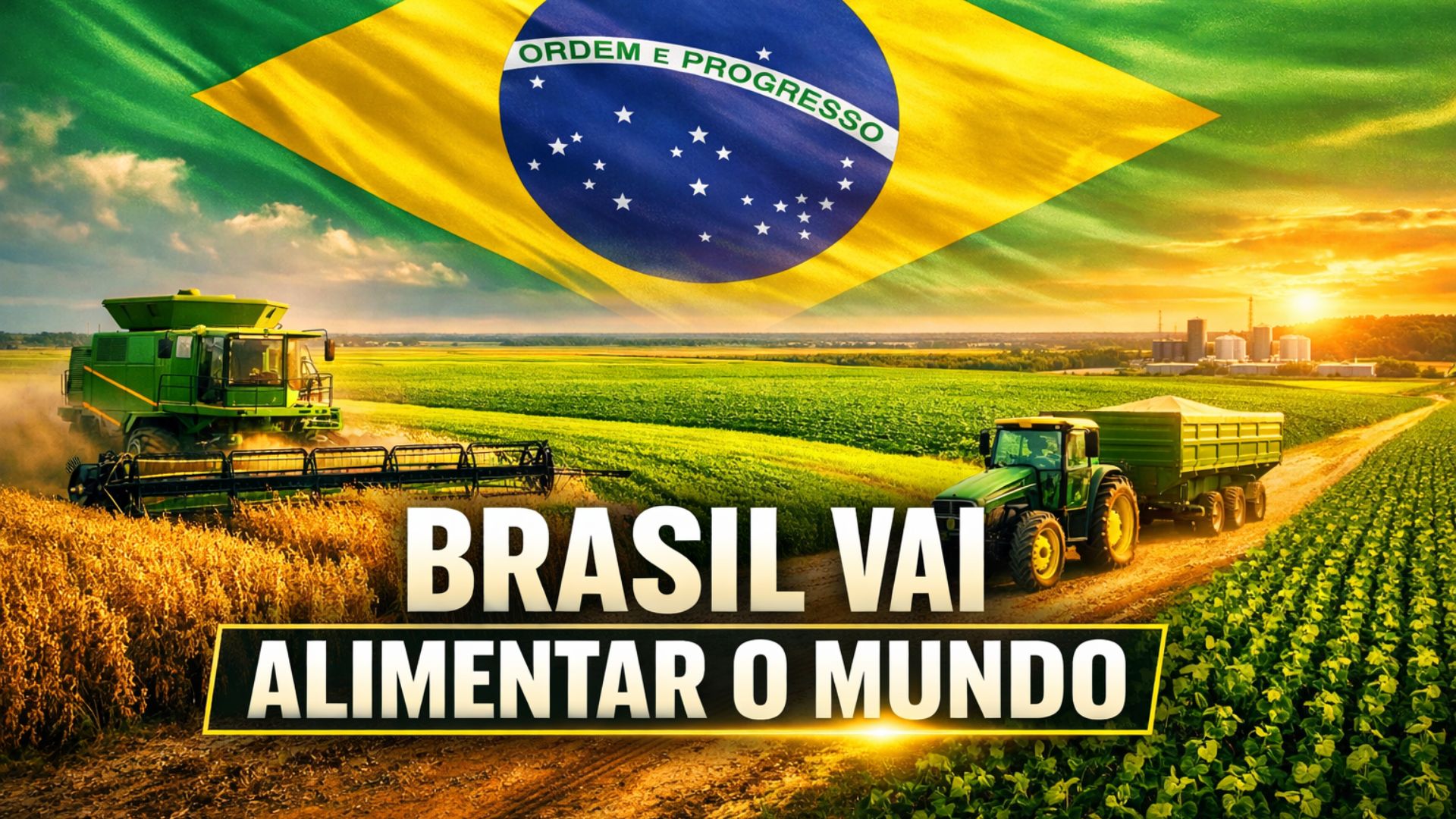


Global Food Security, Strategic Lands, and the New Centrality of Brazilian Agriculture in Economic and Geopolitical Decisions
Brazil has entered the international radar of food security not only as a major producer but as a key player in strategic decisions involving supply, sovereignty, and trade disputes.
The assessment gained strength from projections mentioned by market agents and sector companies, which point to the country as the main source of increased food supply in the coming decades.
Among the most cited numbers by analysts and executives in agribusiness is the estimate attributed to studies by Cargill, according to which Brazil would account for 80% of the growth in global food consumption over the next 20 years.
-
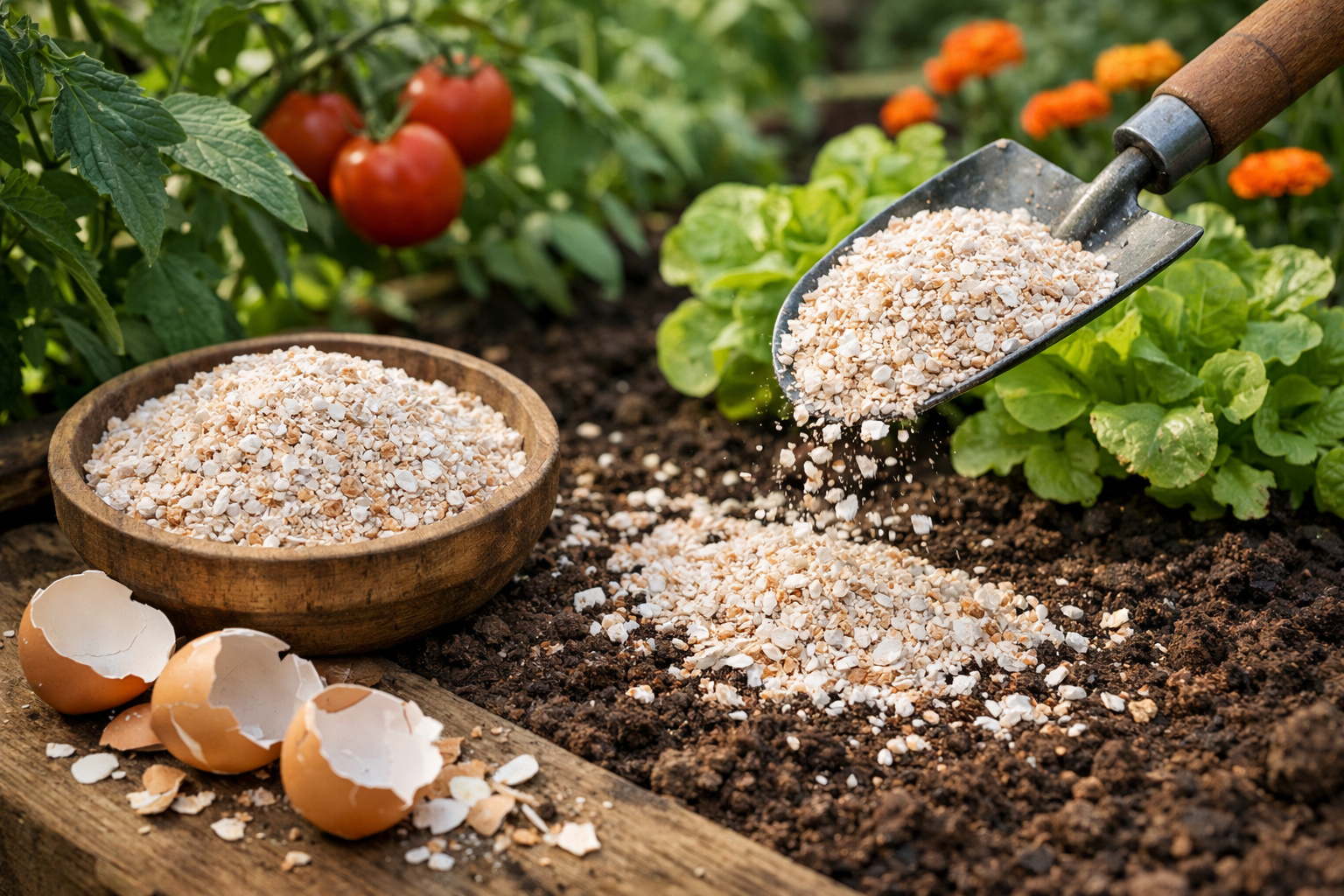
The eggshell that almost everyone throws away is made up of about 95% calcium carbonate and can help enrich the soil when crushed, slowly releasing nutrients and being reused in home gardens and vegetable patches.
-
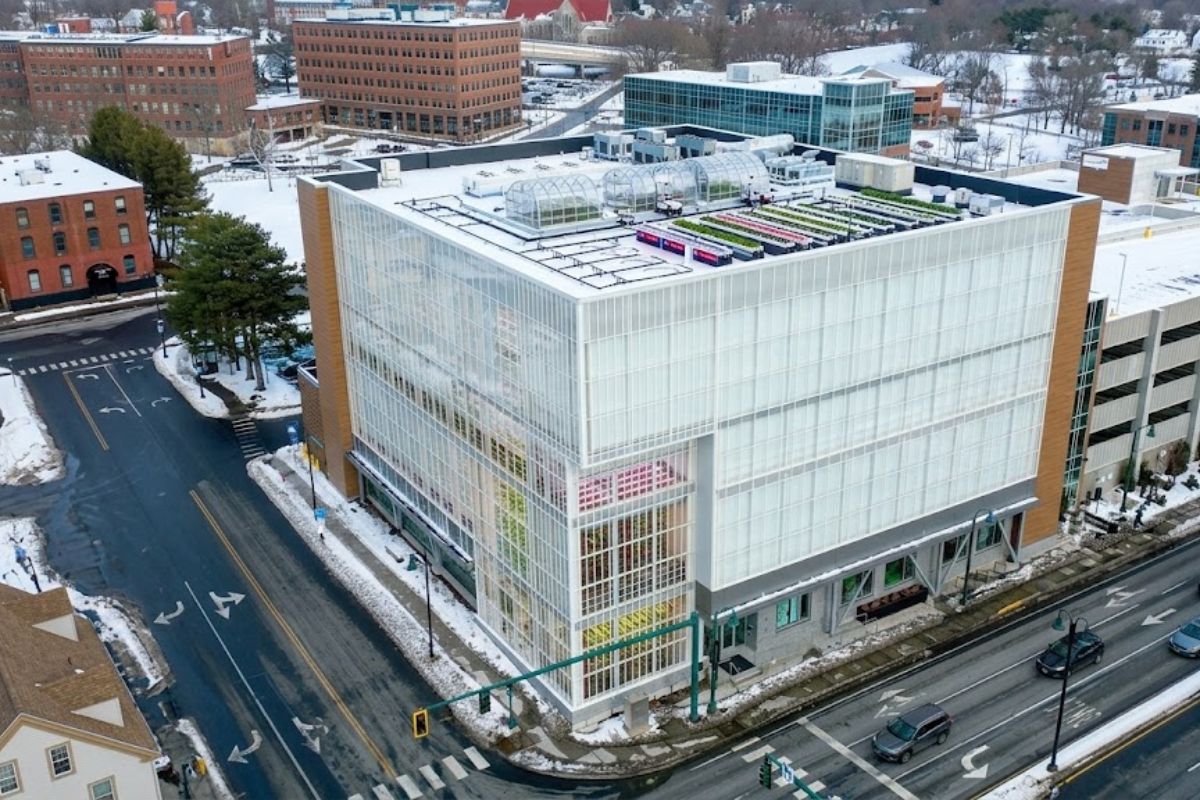
This farm in the United States does not use sunlight, does not use soil, and produces 500 times more food per square meter than traditional agriculture: the secret lies in 42,000 LEDs, hydroponics, and a system that recycles even the heat from the lamps.
-
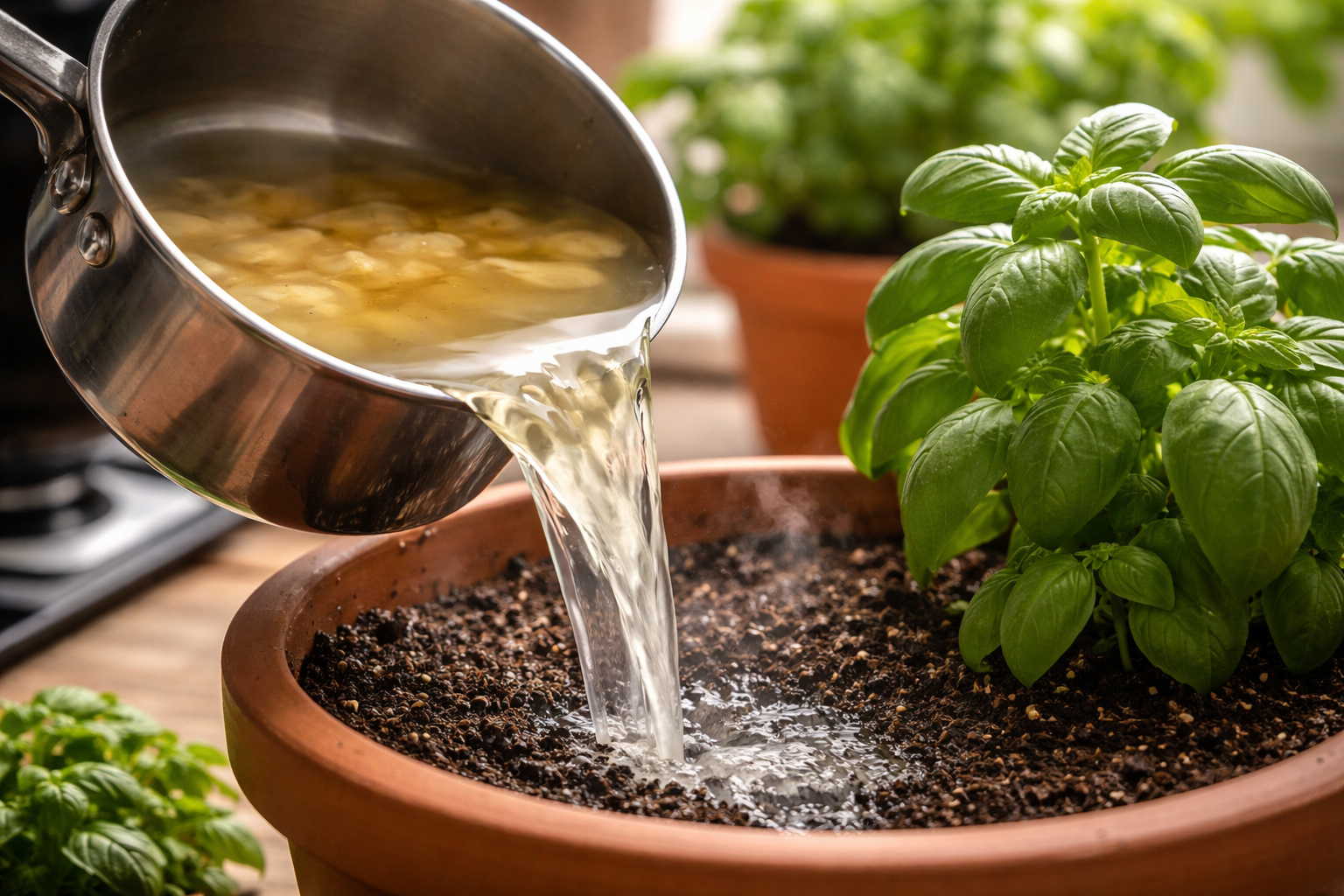
The water that almost everyone throws away after cooking potatoes carries nutrients released during the preparation and can be reused to help in the development of plants when used correctly at the base of gardens and pots, at no additional cost and without changing the routine.
-
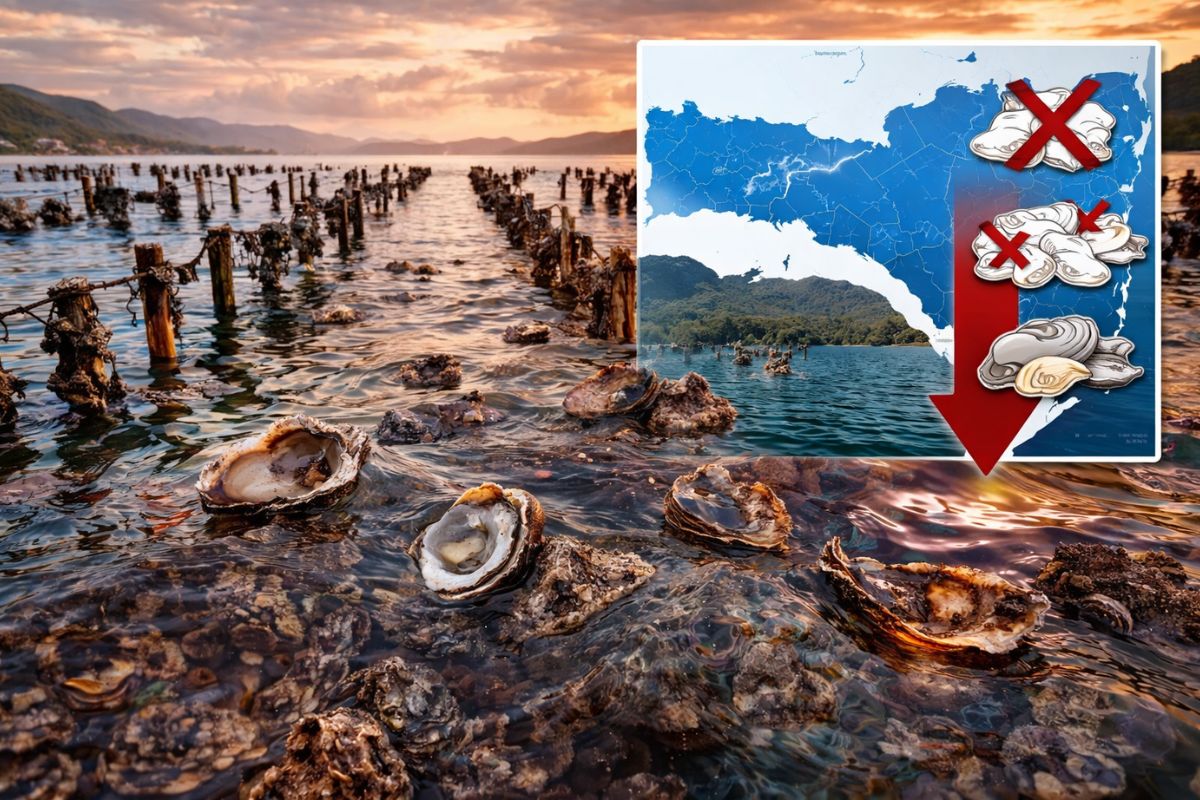
The sea water temperature rose from 28 to 34 degrees in Santa Catarina and killed up to 90% of the oysters: producers who planted over 1 million seeds lost practically everything and say that if it happens again, production is doomed to end.

In practice, the projection suggests that a major portion of the expansion of what will be consumed in the world will depend on ingredients produced in Brazilian territory.
Food Security Is No Longer Just a Production Issue
The discussion on food security is often presented as a matter of production and distribution.
However, the debate has begun to include elements typical of foreign policy, such as dependence on supply chains, control of logistical routes, and regulatory predictability.
In scenarios of tension between countries, trade restrictions, and extreme climate events, food and agricultural inputs gain a weight similar to that of other strategic assets.
In this context, Brazil brings together attributes that position it as a central supplier.
The country combines production scale, availability of agricultural land, a technological chain adapted to the tropical climate, and the capacity to increase production through various pathways, including productivity gains and organized expansion of new frontiers.
At the same time, the need to reconcile growth with environmental protection and legal predictability has been observed by buyers and investors as part of the risk calculation.
Foreign Investors Increase Interest in Lands in Brazil
The interest in productive lands in Brazil has been presented by platforms and consultancies in the sector as a direct consequence of this repositioning of food on the global agenda.
A survey released by the rural real estate portal Chãozão pointed to an increase in foreign appetite for properties in the country and highlighted the leadership of investors from the United States among the inquiries made on the platform.
According to data reported by the company, access from the USA rose from 26% of total foreign inquiries between June and December 2024 to 41% between January and July 2025.
In the same period, the platform reported that interest from Americans in Brazilian lands grew by 15% compared to the previous analyzed period.
Even amidst commercial uncertainties and the presence of high tariffs in part of international trade, the described behavior indicates that investors have treated rural properties as long-term assets.
The logic, according to sector reports, relies on the perception that productive land and the capacity to produce food tend to preserve value in unstable environments, as long as accompanied by minimal infrastructure and legal security.
Midwest and Matopiba Concentrate Market Attention
When observing the geography of interest, inquiries are concentrated in regions associated with agricultural commodities and livestock.
Market reports cite the Midwest as the preferred destination for those seeking scale, especially in areas with a strong presence of soybeans and cattle raising.
The region combines logistics focused on outflow and a history of intensive production, factors valued by buyers and funds.
Alongside this traditional axis, attention dedicated to Matopiba has grown, an acronym formed by Maranhão, Tocantins, Piauí, and Bahia.
The region is often described by research centers and specialized publications as one of the main agricultural frontiers of the country, with advances in grains and fibers in Cerrado areas.
Part of Matopiba’s appeal is associated with the expectation of medium- to long-term appreciation, combined with increased productivity and technological adoption.
At the same time, the movement intensifies scrutiny over land regularization, environmental licensing, and social impacts.
Productive Land Is Seen as a Strategic Asset
The market has begun to treat rural land with criteria that go beyond the price per hectare.
Proven productivity, access to logistics, energy supply, connectivity, and environmental regularity have come to weigh decisively in the assessment of assets.
Executives in the rural real estate sector emphasize that productive land has ceased to be merely heritage or farm expansion.
It has come to occupy the position of global strategic asset, connected to food chains, protein industries, trading companies, and importing countries concerned with supply stability.
Foreign interest appears with varied profiles.
There are investors seeking asset diversification, others focused on operational income, and those looking for exposure to a sector considered essential.
There are also Brazilians living abroad who see in agriculture a way to maintain an economic link with the country and protect their assets.
Global Protagonism Imposes Opportunities and Challenges
The reading that Brazil will be a key player in global food security expands economic opportunities.
The growing demand supports investments in production, storage, transportation, and technology.
On the other hand, the protagonism elevates demands for traceability, emission reductions, and transparency in the origin of exported products.
The entry of foreign capital into lands and production chains also intensifies the debate on governance, regulatory limits, and sovereignty over strategic assets.
The discussion is not just about attracting investments but also about the criteria that will ensure sustainable, competitive expansion aligned with public interest.
If food has come to play a central role in global decisions, how will Brazil balance agricultural growth, territorial protection, and environmental demands without losing prominence in global supply?








Daí a importância elevadíssima de se concretizar as ferrovias FIOL e FICO, bem como sua ligação com o porto construido no Peru. A ferrovia bio-oceanica abrirá o caminho para 2/3 da população mundial localizada as margens dos oceanos Pacífico e Índico. É a fome com a vontade e a capacidade de produzir da agropecuaria brasileira. Brasil: “celeiro do mundo”.