





 Portuguese
  English
  Spanish
  3 min of reading
  0 comments


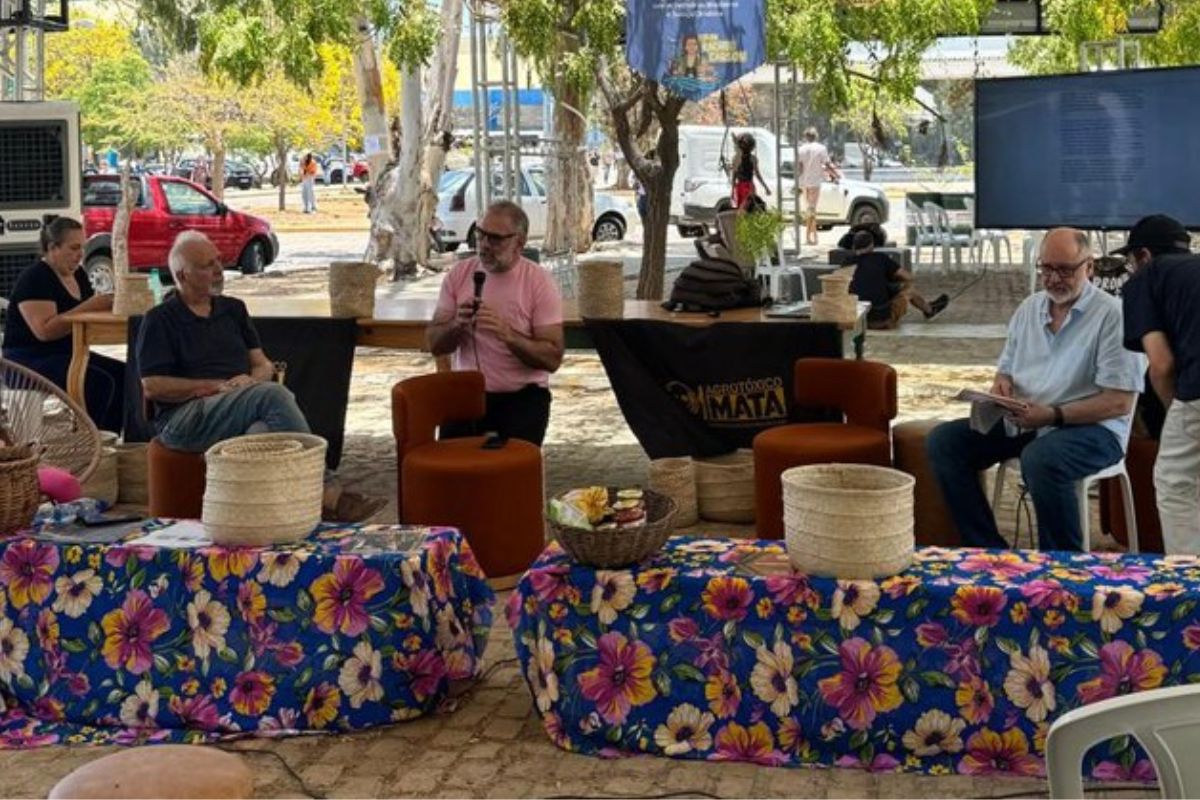
During The Brazilian Congress of Agroecology 2025, The Pronara Was Debated As An Essential Axis To Strengthen Sustainable Agroecology, Stimulate The Reduction Of Pesticides And Promote Contamination-Free Territories Throughout The Country
The Brazilian Congress of Agroecology 2025 was the stage for a decisive debate on the future of sustainable food production in Brazil, according to a news article published.
The event, held in Juazeiro (BA), brought together representatives from ministries, social movements, and scientific institutions around the implementation of the National Program for the Reduction of Pesticides (Pronara).
The meeting highlighted the Federal Government’s commitment to consolidating integrated policies that connect health, the environment, and family agriculture, promoting a real transition to healthier and more sustainable production models.
-
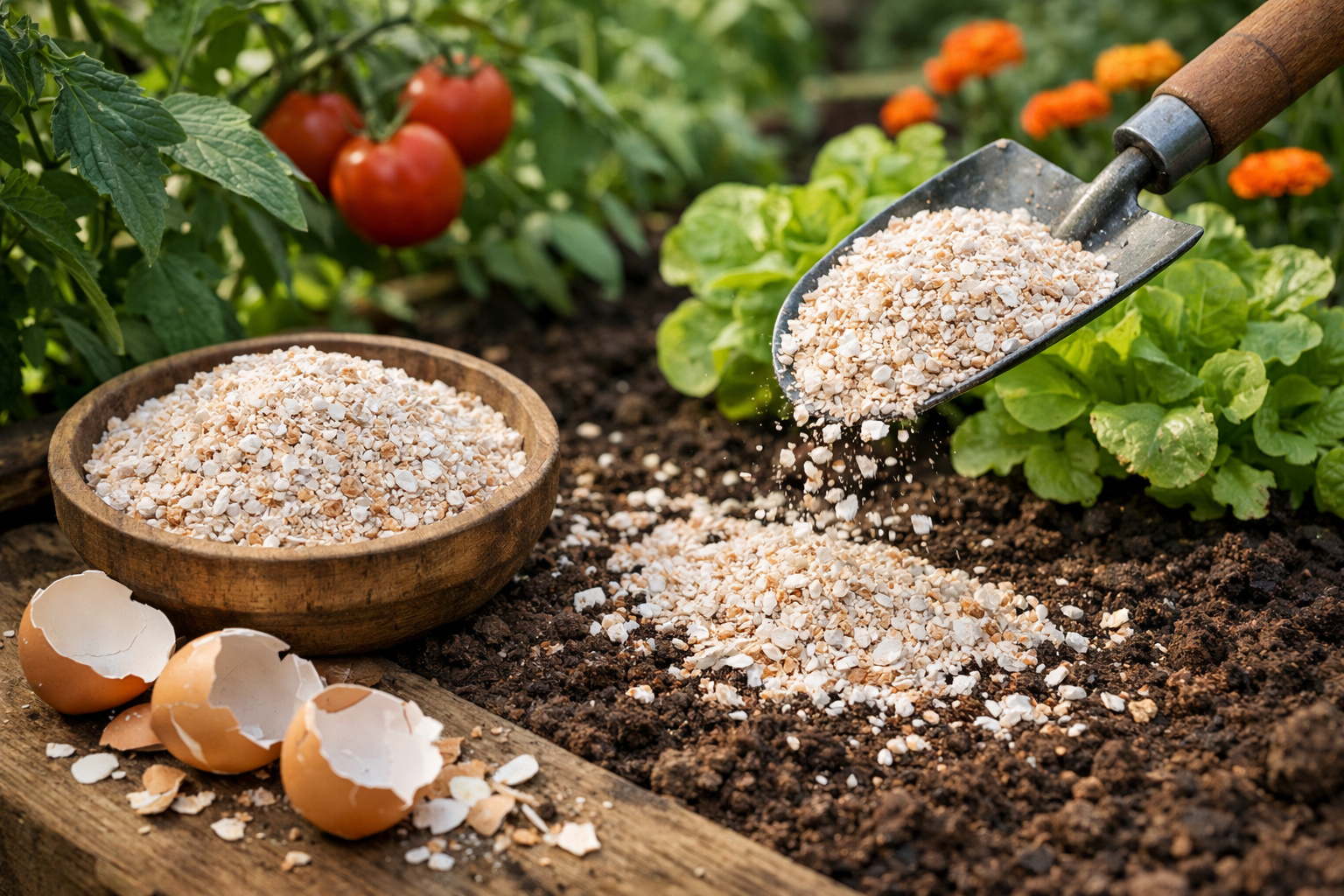
The eggshell that almost everyone throws away is made up of about 95% calcium carbonate and can help enrich the soil when crushed, slowly releasing nutrients and being reused in home gardens and vegetable patches.
-
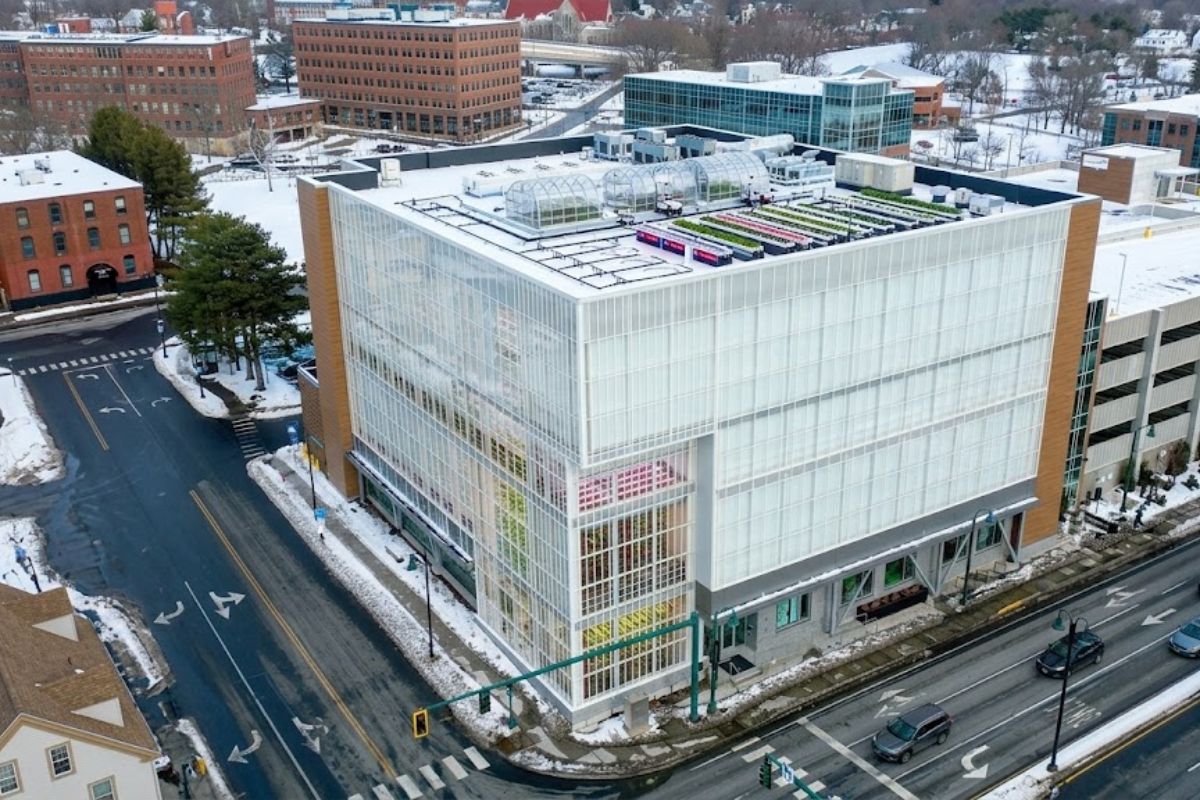
This farm in the United States does not use sunlight, does not use soil, and produces 500 times more food per square meter than traditional agriculture: the secret lies in 42,000 LEDs, hydroponics, and a system that recycles even the heat from the lamps.
-
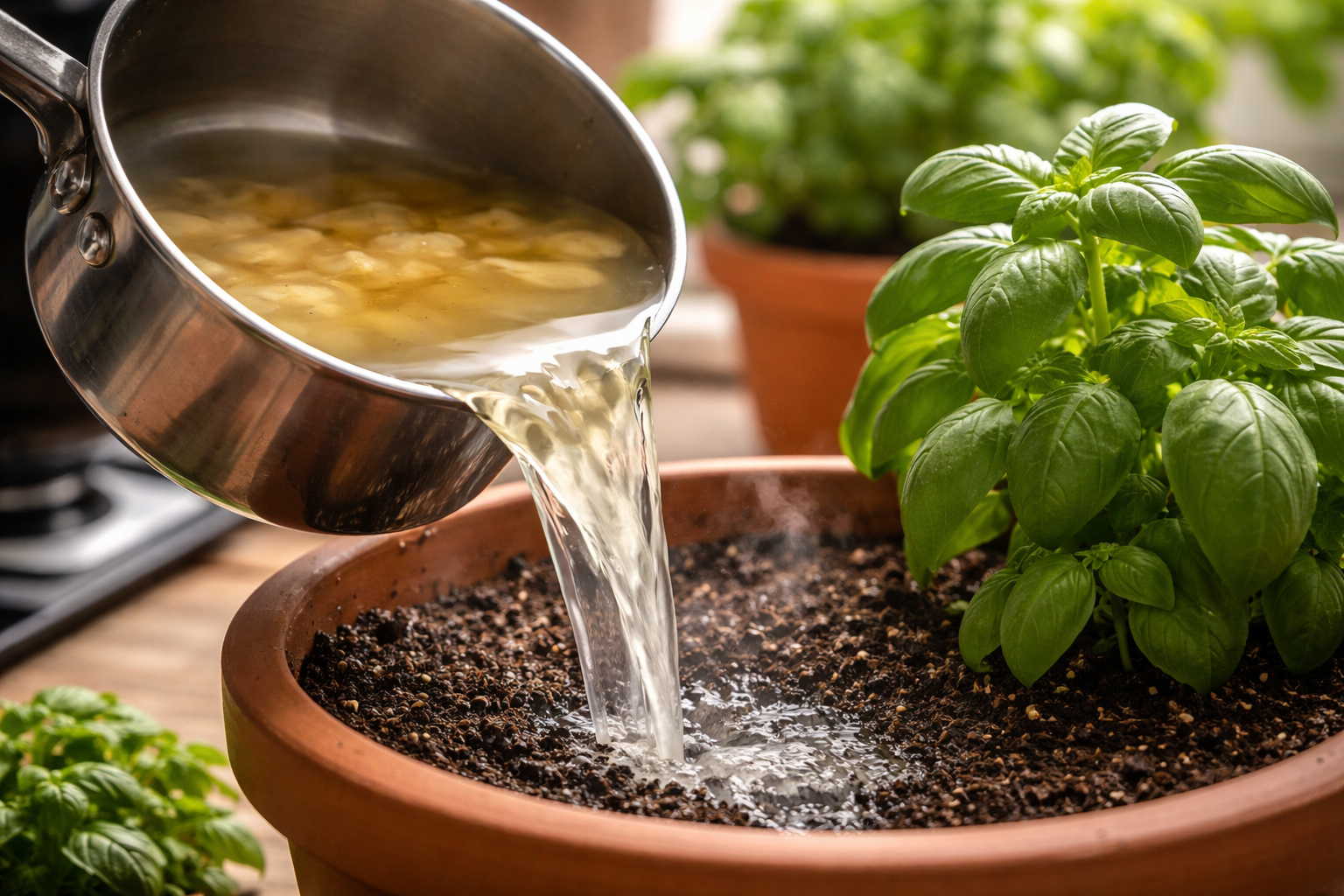
The water that almost everyone throws away after cooking potatoes carries nutrients released during the preparation and can be reused to help in the development of plants when used correctly at the base of gardens and pots, at no additional cost and without changing the routine.
-
The sea water temperature rose from 28 to 34 degrees in Santa Catarina and killed up to 90% of the oysters: producers who planted over 1 million seeds lost practically everything and say that if it happens again, production is doomed to end.


The Secretary of Family Agriculture and Agroecology, Vanderley Ziger, reaffirmed the role of Pronara as a strategic tool in the transformation of the Brazilian countryside.
According to him, the program is the result of more than ten years of social mobilization and represents a civilizational milestone in the construction of contamination-free territories. “We need to create incentives and subsidies so that agroecological communities are recognized and valued by society,” he emphasized.
Public Policies For Agroecology And Reduction Of Pesticides Boost Sustainability In The Field
During the Brazilian Congress of Agroecology 2025, the debate table “The Pronara We Want” brought together the Interministerial Management Committee of the program, researchers, and civil society entities.
Among the central themes were the ban on highly dangerous pesticides, the end of aerial spraying, including by drones, and the creation of Pesticide-Free Zones.
The discussions also emphasized the importance of strengthening social participation and monitoring of the implemented actions.
Within the Ministry of Agrarian Development and Family Agriculture (MDA), Pronara’s actions are focused on agroecological technical assistance, rural credit aimed at ecological transition, and incentives for the use of bioinputs.
These efforts are linked to programs such as Pronaf Agroecology, From Farm to Table, Ecoforte, and Productive Backyards, which together strengthen family production and sociobiodiversity.
The governance of the program, coordinated by the General Secretariat of the Presidency of the Republic, also integrates the ministries of Environment, Health, Development and Social Assistance, and Agriculture.
Organic Production And Environmental Health Strengthen The Pronara And Expand Sustainable Agroecology
Researchers and organizations participating in the Brazilian Congress of Agroecology 2025 highlighted the impacts of intensive pesticide use on public health and ecosystems.
Reports of contamination in agricultural areas reinforced the need to articulate Pronara with the Monitoring System for Populations Exposed to Pesticides (VESPEA), prioritizing environmental recovery and protection of vulnerable communities.
Researcher Leonardo Melgarejo from the Brazilian Association of Agroecology emphasized that the program should integrate science, society, and public policies, focusing on an ecosystemic health that values the diversity of territories and strengthens food sovereignty.
This approach seeks to unite governments, universities, and social movements around a more ethical and sustainable agriculture based on organic production and environmental preservation.
Brazilian Congress Of Agroecology 2025: Agroecological Territories And Green Economy Reinforce The Government Commitment To Pronara
The Brazilian Congress Of Agroecology 2025 also highlighted the role of public policies in the transition to a Green Economy In The Field.
Secretary Vanderley Ziger announced the participation of the MDA in the Espírito-Santense Forum to Combat the Impacts of Pesticides and GMOs, reinforcing the ministry’s engagement in regional actions to promote agroecology.
According to him, the advancement of Pronara depends on a joint effort between government, civil society, and Parliament, ensuring that the program’s goals are implemented continuously and effectively.
Among the measures discussed are the creation of a label that identifies pesticide-free zones, fiscal incentives for agroecological products, and strengthening sustainable rural credit.
The secretary emphasized that “it is not just about replacing one product with another, but about rebuilding the model of national agricultural production“, advocating for a public policy that values life in the countryside and the health of people during the Brazilian Congress of Agroecology 2025.








-

Uma pessoa reagiu a isso.