





 Portuguese
  English
  Spanish
  5 min of reading
  0 comments



ANP Updates Its Projections and Points to a Large Volume of Investments in Oil and Gas Exploration in Brazil, Highlighting Offshore Drilling, Maritime Basins, and New Exploratory Contracts
On January 22, 2026, the National Agency of Petroleum, Natural Gas and Biofuels (ANP) released the update of the Dynamic Panel of Activity and Investment Forecast in the Exploration Phase, indicating that investments in oil and gas exploration in Brazil may reach US$ 1.2 billion between 2026 and 2033.
The highlight of the survey is the strong allocation of resources for offshore drilling, especially in maritime basins. The numbers reinforce the strategic importance of the exploratory phase for the Brazilian oil and gas sector, in addition to indicating continuity of investments even in a global energy transition scenario.
ANP Details Predicted Investments for Oil and Gas Exploration
According to the data consolidated by the ANP on 01/22/2026, only for the year 2026, US$ 890 million in investments are anticipated, an amount that may grow in the following years until reaching US$ 1.2 billion cumulatively between 2026 and 2033.
-
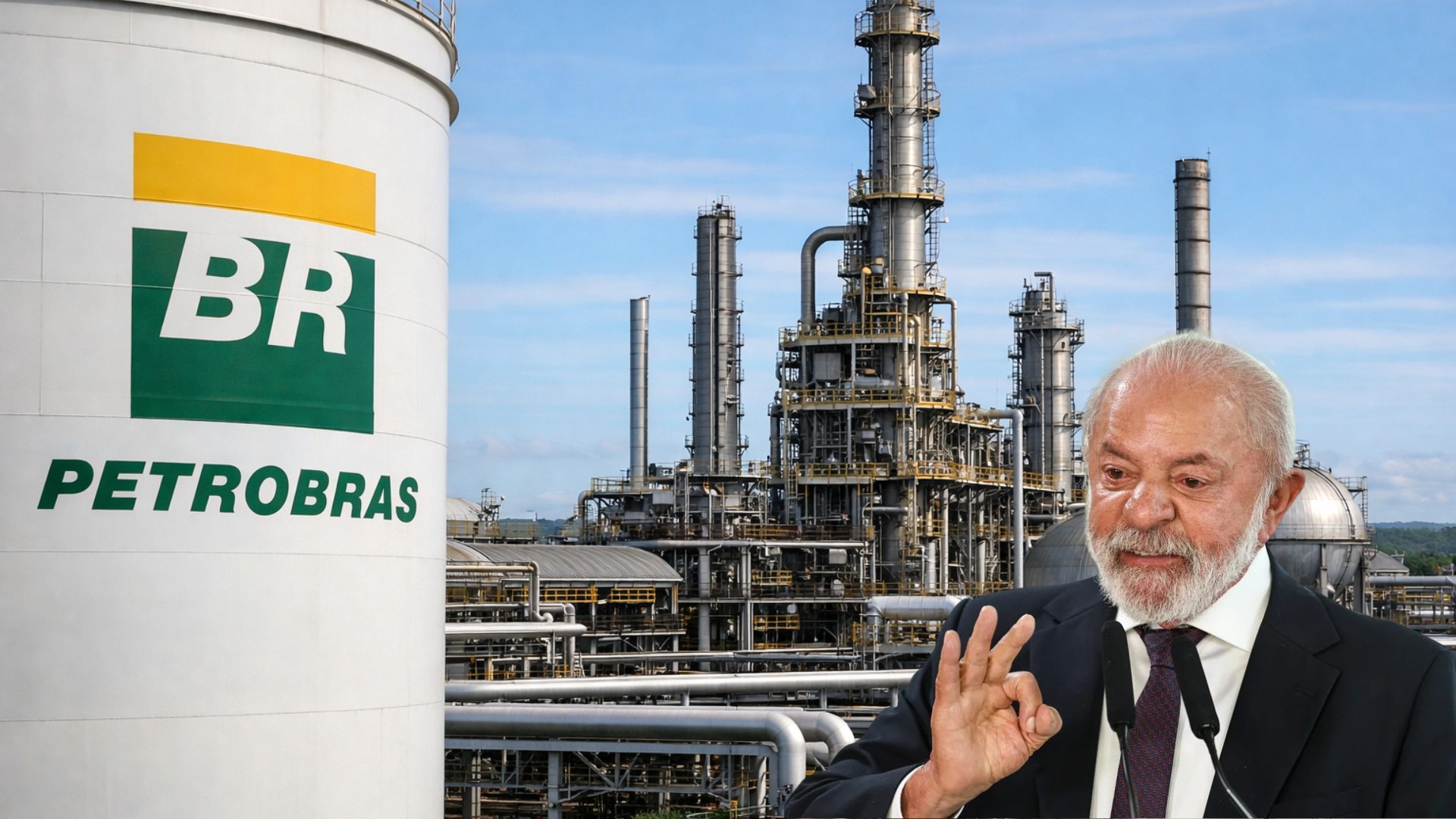
Lula reveals a masterstroke by Petrobras to undo a deal made by Bolsonaro, which involves the return of an important refinery that currently produces less than half of what was expected and makes Brazil dependent on international diesel.
-
A study confirms that the natural gas sector will reduce greenhouse gas emissions in Brazil by 0.5% and accelerate the energy transition by 2026.

-
Petrobras implements a severe adjustment and confirms a 55% increase in the price of aviation kerosene with a proposal for installment payments for the companies.

-
The rise in oil prices could ensure an extra revenue of R$ 100 billion for the Federal Government, indicates a recent economic study.


These figures refer exclusively to the exploration phase, which is the first stage of the exploration and production (E&P) contracts. Investments from the development and production phases are not included, which occur only after confirming the commercial viability of the discoveries.
The survey uses official data submitted by the operators themselves, which adds greater reliability to the projections. Offshore drilling will be primarily responsible for resource allocation in 2026. According to the ANP panel, US$ 602 million is expected to be allocated for drilling 19 exploratory wells, which represents 68% of the total estimated investments for the year.
When considering exploratory well tests as well, an essential activity for the technical evaluation of the discoveries, the volume of resources can reach US$ 742 million, equivalent to 83% of all planned investments in oil and gas exploration for 2026.

Maritime Basins Lead Investments in Oil and Gas Exploration
The maritime basins concentrate almost all the exploratory efforts planned. According to the ANP data, 96% of the investments scheduled for 2026 are directed to offshore areas, reflecting the high geological potential of these regions.
Eastern Margin Concentrates the Largest Share of Investments
In the basins of the Eastern Margin, which include Pernambuco-Paraíba, Sergipe-Alagoas, Camamu-Almada, Espírito Santo, Campos, Santos, and Pelotas, investments in oil and gas exploration may reach US$ 658 million.
This amount represents 74% of the total projected for 2026, particularly for the offshore drilling of four exploratory wells. The Eastern Margin continues to be one of the most relevant regions for the industry, especially due to existing infrastructure and accumulated experience from operators.
Equatorial Margin Maintains Strategic Presence in Planning
The Equatorial Margin, which encompasses the maritime basins of the Amazon River Mouth, Pará-Maranhão, Barreirinhas, Ceará, and Potiguar, is expected to receive US$ 196 million in investments, about 22% of the total projected for 2026.
In this case, the planning includes drilling a new exploratory well and completing a well started in 2025, keeping the region as a strategically important frontier in the medium and long term, closely monitored by the ANP.

Land Basins Receive the Lowest Volume of Investments
Although the focus is on offshore, land basins continue to be part of the exploratory planning. For 2026, investments in oil and gas exploration on land total US$ 34.5 million.
Of this total, US$ 23.2 million is allocated to new frontier basins, such as Amazonas, Solimões, Parnaíba, São Francisco, and Tucano Sul. Meanwhile, the mature land basins, such as Potiguar, Recôncavo, and Sergipe-Alagoas, focus on US$ 11.3 million. Despite the lower volume, these investments keep exploratory activity active in both traditional and emerging regions.
The ANP reports that the projections already consider contracts signed in the 5th Cycle of the Permanent Offering of Concessions, finalized in 2025. These contracts impose mandatory exploratory commitments on companies, enhancing the predictability of investments over the coming years. The inclusion of these contracts expands the database and reduces uncertainties in sector planning.
Dynamic Panel of ANP Increases Transparency of Investments
The Dynamic Investment Forecast Panel in the Exploration Phase is a business intelligence tool developed by the ANP to consolidate information sent by operators in the Exploratory Work Plans (PTE).
The platform allows detailed inquiries by:
- Reference and execution year;
- Marine or land environment;
- Type of basin;
- Exploratory activity;
- Contractual regime;
- Values in dollars or reais.
The tool enhances regulatory transparency and the analysis of sector trends.
How Does the Oil and Gas Exploration Phase Work?
The exploration phase marks the beginning of E&P contracts. In this stage, the areas are referred to as exploratory blocks, and companies conduct seismic studies, geological analyses, and offshore or land drilling to identify the presence of oil or natural gas.
If economic viability is confirmed, the operator submits a commerciality declaration to the ANP, initiating the development and production phase. Otherwise, the block may be returned.
The Exploratory Work Plan (PTE) is the main regulatory instrument supporting the data released by the ANP. Companies report schedules, budgets, and planned activities for each block.
The document also includes remaining activities and decommissioning actions at the end of the exploratory phase, ensuring greater control and predictability over investments in oil and gas exploration.
What the ANP Data Indicates for the Future of Exploration in Brazil
The projections released in January 2026 show that oil and gas exploration will continue to be a relevant pillar of the Brazilian energy industry. The volume of investments, the predominance of offshore drilling, and the concentration in maritime basins indicate the continuation of exploratory activity in the coming years.
The scenario reinforces Brazil’s attractiveness in the global context, especially in deep waters, while highlighting the regulatory role of the ANP in organizing and ensuring transparency in the sector.
For the market, the data offers predictability. For the country, it signals the maintenance of energy security and economic activity linked to oil and gas.









-

Uma pessoa reagiu a isso.