





 Portuguese
  English
  Spanish
  4 min of reading
  3 comments


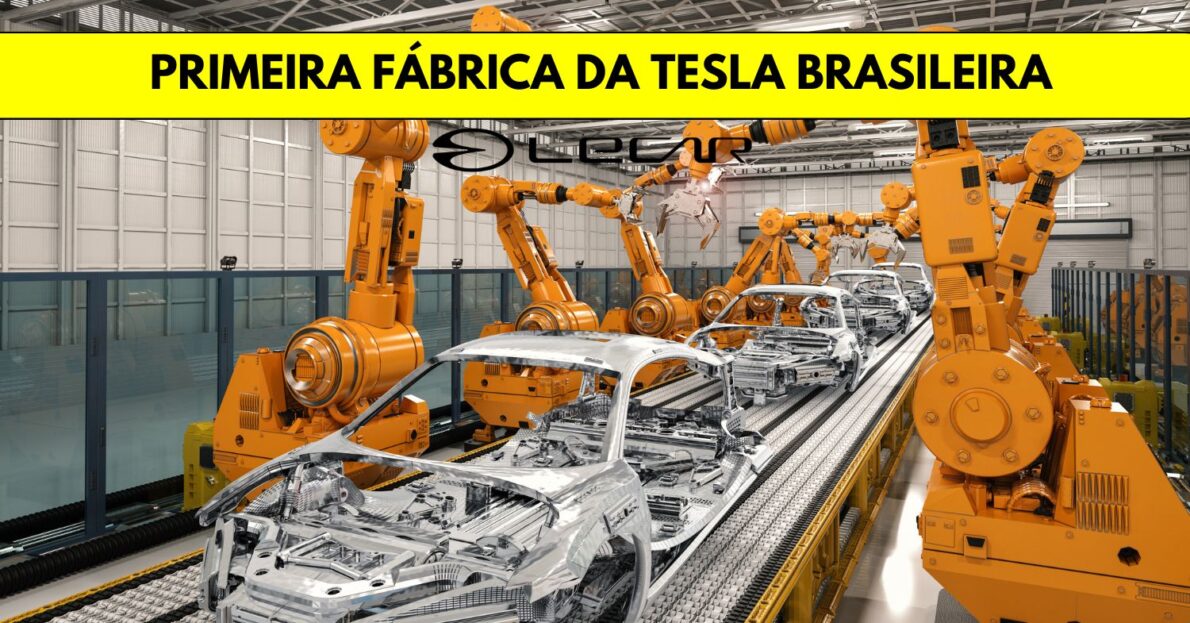


Lecar, the “Brazilian Tesla,” Announces New Hybrid Factory with Investment of R$ 870 Million. The ‘Tesla’ Factory in Brazil is Expected to Open in 2026 and Promises to Produce up to 120,000 Vehicles per Year.
Lecar, known as the “Brazilian Tesla,” is about to take a giant leap in the country’s automotive industry. In February 2024, the company, founded by Flávio Figueiredo Assis, announced the construction of a new factory in Brazil, with operations expected to begin in 2026. With massive investment, the ambitious project for the ‘Tesla’ factory in Brazil promises to revolutionize the hybrid car market, bringing more innovation and technology to the sector.
The Lecar factory will be located in Sooretama, Espírito Santo, strategically close to BR-101 and 100 km from the capital, Vitória. This project involves an investment of R$ 870 million, and the expectation is that the company will be able to produce up to 120,000 hybrid vehicles per year. But why is all this attracting so much attention? We’ll tell you all the details!
The Choice of Sooretama for the New Factory of the Brazilian Tesla
Initially, Lecar considered establishing its factory in Camaçari, Bahia, but the city of Sooretama, Espírito Santo, ultimately came out on top. Why? Essentially, for two major reasons: tax incentives and favorable logistics. The region offers a 75% reduction in income tax, which was one of the key factors in attracting Lecar’s investment, in addition to its proximity to important logistics routes such as BR-101.
-
Historic bankruptcy of Centauro shocks the market, and the century-old company puts more than 500,000 products, machines, and complete infrastructure up for online auction.
-
New shoe factory in Ceará is expected to create 400 jobs and strengthen the local economy.
-
No one imagined it, but a mixture of sawdust with a mineral that fights fires surprises scientists with a result that changes the course of fire-resistant construction.
-
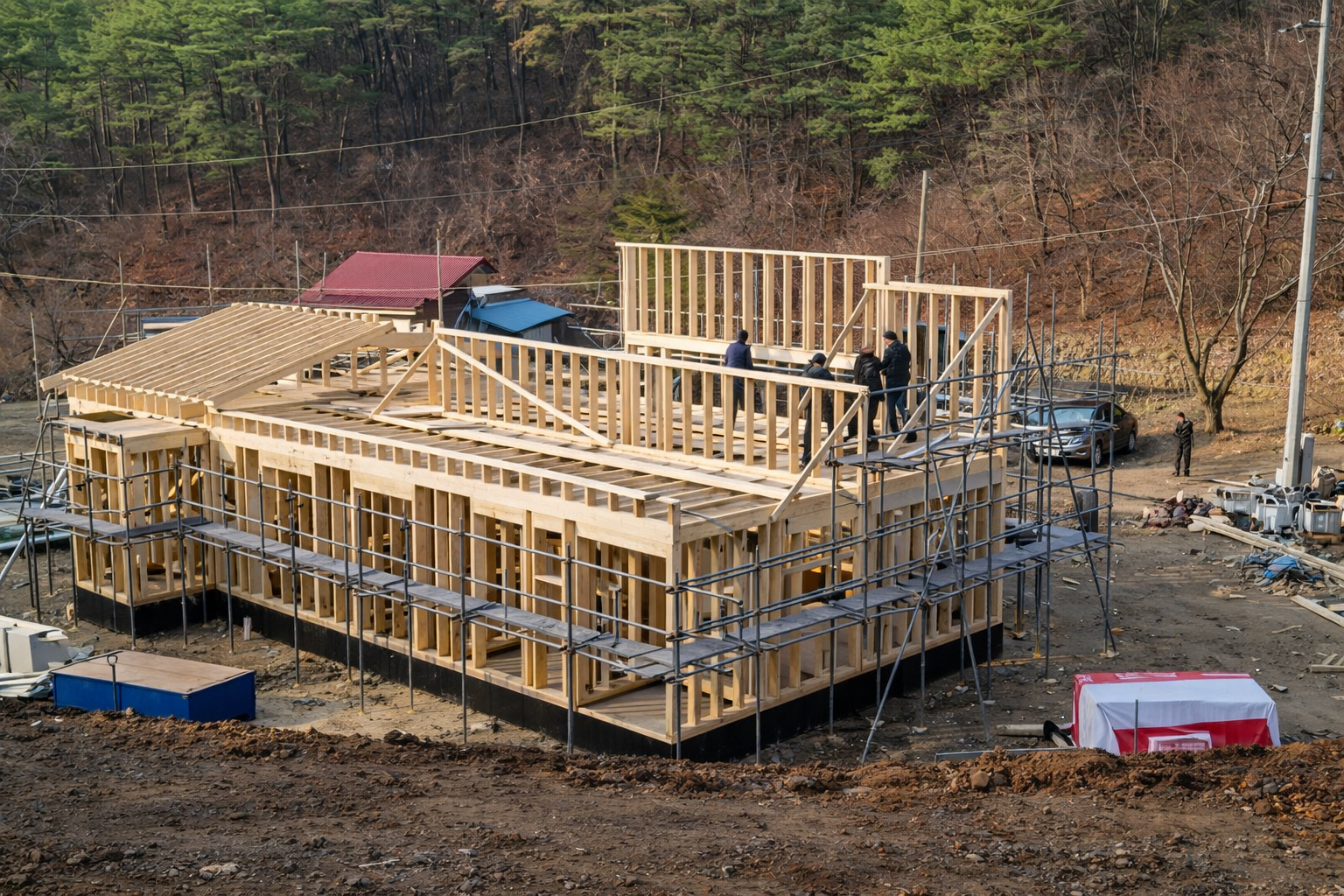
From empty land to a high-end house, wooden construction uses a lightweight system, metal structure for the foundation, ventilated ceramic cladding, and special windows to create an efficient and comfortable living space throughout the year.

These tax incentives have been essential for the choice of location, as they have been for other automakers, such as Stellantis in Pernambuco. For Espírito Santo, the arrival of the ‘Tesla’ factory in Brazil represents not only a significant advancement for the local economy but also the creation of new jobs and the development of innovative technologies.
Shift in Focus: From Electric to Hybrid
Initially, Lecar aimed to produce 100% electric vehicles, following Tesla’s model. However, in April 2024, the company decided to shift its focus to hybrid cars, a strategic change to better meet the Brazilian market’s needs. Flex hybrids, which combine a combustion engine with an electric motor, are more efficient in terms of consumption and offer greater flexibility in the use of fuels.
This change makes perfect sense for Brazil, where the fuel market is quite diverse, and consumers value autonomy and energy efficiency. The first car of the Brazilian Tesla to be produced in the new factory will be the Lecar 459, a model that promises to impress with its design and cutting-edge technology.
The First Hybrid from the New Factory
The Lecar 459 will be the first vehicle to roll off the production line of the new factory in Sooretama, and it is already attracting attention for its specifications. The car will be equipped with a 1.0 turbo flex engine producing 122 hp and an electric motor with 163 hp, offering an impressive combined power for a hybrid vehicle.
Additionally, the Lecar 459 will have a fuel consumption of up to 33 km per liter of ethanol, with a total range of 1,000 km. This makes it an excellent option for those seeking a sustainable, efficient car with good range for longer trips. The engine will be supplied by Horse, a division of the Renault group, and will be manufactured in Paraná.
Billion-Dollar Investment and Cutting-Edge Automation
The total investment for constructing the Brazilian Tesla factory will be R$ 870 million, split between building the facilities and acquiring cutting-edge automation technologies. Approximately R$ 240 million will be allocated to building the plant, while the other R$ 630 million will be used for automation technologies, supplied by Comau, an Italian company specializing in industrial solutions.
This cutting-edge automation will allow Lecar to produce hybrid vehicles on a large scale while maintaining high standards of quality and efficiency. The expectation is that, by 2026, the factory will start producing up to 120,000 cars per year, helping to solidify Lecar as a major force in the Brazilian automotive industry.
Economic Impact and Job Creation
The construction of the new ‘Tesla’ factory in Brazil in Sooretama will have a profound impact on the local and national economy. In addition to strengthening the Brazilian automotive industry, Lecar’s arrival in Espírito Santo is expected to generate hundreds of direct and indirect jobs, both during the construction phase of the factory and in production operations.
The factory will also boost the development of new technologies, attracting partnerships with universities, research centers, and suppliers of parts and services. This places Espírito Santo in the spotlight of the national automotive scene, while also fostering the growth of a production chain based on innovation and sustainability.
The Future of Lecar and the Hybrid Market in Brazil
With production set to begin in 2026, Lecar is preparing to make a strong entry into the hybrid vehicle market in Brazil. The Lecar 459 will be the flagship of this new phase, but the company is already planning to expand its product line, bringing even more hybrid options for Brazilian consumers.
The company is positioned to compete in both domestic and international markets, and its strategy of focusing on flex hybrid cars may prove to be a smart choice, especially considering the profile of the Brazilian consumer, who values efficiency and fuel flexibility.






Péssima ideia pq as rodovias do ES, são péssimas,perigozíssimos, e sem infraestrutura de apoio as rodovias..Eu já dirigi um Tesla no Canadá e não acho q ele vai sobreviver se não tiver política de incentivo subsidiado p terminais de abastecimento elétrico como é lá no Canadá…
Torso que tenham sucesso e que o consumidor tenha acesso a um veículo realmente desrupitivo e que o Brasil possa avançar criando tecnologias automotivas.
Os híbridos por enquanto estão ganhando espaço em relação aos elétricos, que até agora ainda poucos sabem ao que vieram. Manutenção caríssima, falta de locais de carga elétrica dentre outros entraves, está jogando a “tecnologia do futuro” no passado
e com requintes de lixo moderno, químicos, ferrosos, e muitos outros materiais inorgânicos!