





 Portuguese
  English
  Spanish
 4 min of reading
  0 comments


Municipality in the Interior of Rio Grande do Sul Recognizes Immigration Language, Preserves Religious Rituals, and Maintains Customs Associated with Polish Colonization, Combining Local Legislation, Cultural Heritage, and Symbolic Practices That Attract Visitors Interested in History and Cultural Identity.
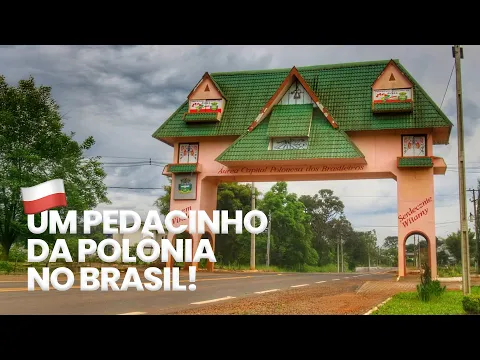
Located in the north of Rio Grande do Sul, Áurea is one of the few Brazilian municipalities to officially recognize an immigration language alongside Portuguese.
Since July 2022, Polish has become a co-official language in the city, a measure provided for in municipal law.
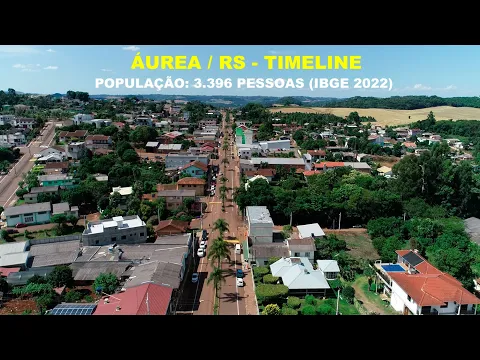
The municipality had 3,396 inhabitants in the 2022 Census, according to IBGE, and maintains customs associated with Polish colonization, such as the bread and salt ritual performed at the reception of visitors at the Nossa Senhora do Monte Claro Cathedral.
-
The Argentine government celebrates the lowest poverty rate in 7 years, but experts warn that the methodology has changed, real wages have fallen, unemployment has risen, and the number of people on the streets of Buenos Aires has increased by 57% since Milei took office.

-
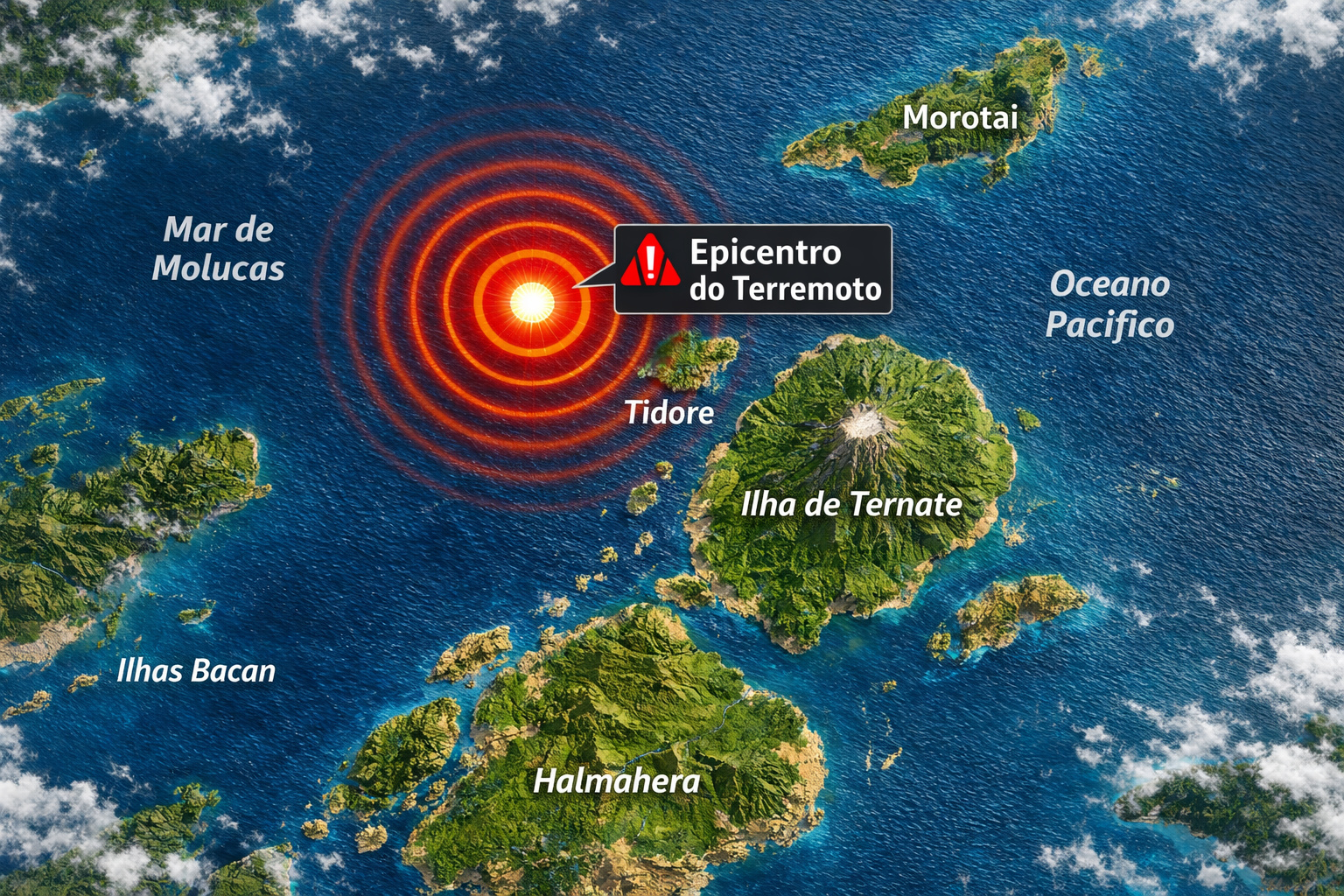
7.8 magnitude earthquake in Indonesia frightens the population, triggers tsunami alert, and hits an island with over 200,000 inhabitants this Thursday.
-
Google will finally let you change that embarrassing Gmail address you created in your teenage years without losing any accounts, logins, or old emails: the feature is already available in the United States.

-
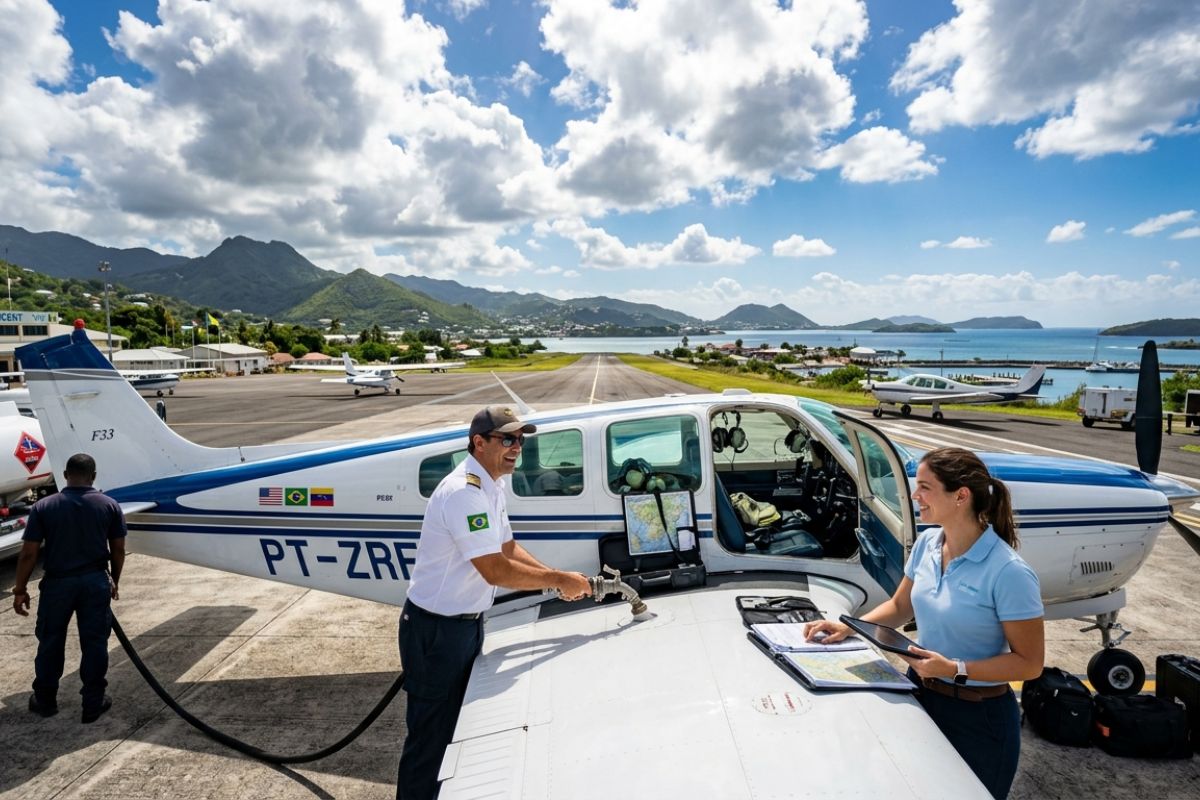
Heading to Brazil in a Bonanza F33 single-engine aircraft: a couple departs from Florida on a visual flight, makes technical stops in the Caribbean to refuel and organize paperwork, and begins the staged crossing until they reach the country.
The rule that established the co-officialization sets guidelines for the appreciation and preservation of the language, without altering the status of Portuguese as the official language of the country.
The legal text provides for actions aimed at cultural promotion, encouraging the teaching of Polish and its use in tourism, educational, and symbolic contexts, especially in local events and signage.
Population, Territory, and Characteristics of the Municipality

With a territorial area of 156.727 km², Áurea presents a population density of 21.67 inhabitants per km², according to 2022 Census data.
Official indicators classify the municipality as having a low population concentration, a common characteristic of rural interior towns in Rio Grande do Sul.
The most recent population estimates from IBGE indicate that Áurea reached 3,458 residents in 2025.
Even with minor variations over the years, the municipality remains within the range of towns with a few thousand inhabitants, a scenario that directly influences local social, cultural, and administrative organization.
What Changes with the Co-Officialization of the Polish Language
The legislation approved in 2022 does not create obligations to use Polish in daily administrative settings nor does it replace Portuguese in official documents.
The central objective is to recognize the language as a cultural heritage and authorize public policies aimed at its preservation.
Among the measures outlined are support for courses, encouragement for the transmission of the language between generations, and the possibility of using Polish in cultural campaigns, celebrations, and tourism activities.

The law also authorizes the presence of the language on public and private signs, as long as it complies with national legislation, reinforcing the symbolic nature of the measure.
Experts in language policies often point out that initiatives of this kind focus on the protection of immigration languages and the appreciation of cultural diversity at the local level, without impacting the institutional organization of the Brazilian State.
Cathedral and References of Polish Culture
In the context of the Polish heritage in Áurea, the Nossa Senhora do Monte Claro Cathedral occupies a central position.
The temple is mentioned in tourist materials and reports as one of the main visitation points in the municipality.
At the church entrance, a statue of Pope John Paul II, born in Poland, is often presented as a symbolic element linking Catholic religiosity and local cultural identity.

The devotion to Nossa Senhora do Monte Claro is also associated, in historical and religious publications, with the Marian tradition linked to Our Lady of Częstochowa, a reference in Polish Catholicism.
The parish functions as a religious space and, at the same time, as a site for preserving community memory, holding liturgical celebrations and cultural practices related to the history of immigration in the region.
Bread and Salt Tradition in Local Tourism
One of the most cited practices in reports about Áurea is the bread and salt rite.
According to tourist promotion materials and journalistic records, visitors participating in activities organized by the parish or cultural tours are welcomed with the offering of bread and salt before accessing certain spaces.
The gesture is described as a traditional symbol of hospitality and prosperity, present in different cultures of Eastern Europe.
In Áurea, it is primarily associated with the reception of visitors at the Cathedral and activities linked to religious and cultural tourism.
The practice is presented as part of a set of symbolic elements used to contextualize the history of Polish immigration in the municipality, without being mandatory for residents or worshipers in the regular everyday celebrations.
Gastronomy, Events, and Cultural Preservation
In addition to the language and religious traditions, the cultural identity of Áurea also manifests in festivals, community events, and gastronomy.
Publications about regional tourism mention typical dishes and celebrations as instruments of cultural preservation and stimulation of tourist activity.
These initiatives are promoted by local associations and municipal government, focusing on the appreciation of intangible cultural heritage.
The co-officialization of the Polish language fits into this context as a complementary policy, aimed at the formal recognition of a historical heritage still present in the daily life of the city.
By observing experiences like Áurea’s, to what extent can municipal cultural appreciation policies contribute to the preservation of immigration languages and customs in other regions of Brazil?






-

-

-

-

-

11 pessoas reagiram a isso.