





 Portuguese
  English
  Spanish
  2 min of reading


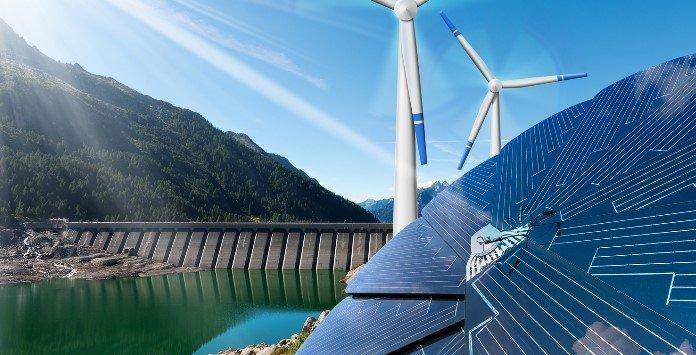
The Brazilian Energy Matrix Alongside Investments in Solar Energy Are Directly Responsible for the Economic, Technological, and Scientific Development of the Country
The diversity of a country’s energy matrix reduces the risks of energy crises, as it will not depend on a single source of solar energy, but on a plant, thereby supplementing each other. Moreover, with the increasing concern to reduce the harmful effects on the environment and the ozone layer, new technologies and segments stand out in this race against the consequences and damage inflicted over the years by us, human beings. Thanks to advances in renewable energy, we can contribute to the reduction of environmental impacts.
Read Also
- The Norwegian Havila Wins a 3-Year Contract in Brazil to Operate an Oil Spill Response Ship
- HEINEKEN Will Hire Professionals from Any College Major: Apply for Job Openings in the Leadership Experiences Program at One of the Country’s Largest Breweries
- Energy Platform (EnP) Is Interested in Onshore Exploratory Areas in Espírito Santo and Parnaíba
- Discover the New Renewable Energy from Agriculture – RenovaBio
Sabesp Will Implement 34 Solar Plants in Sewage Treatment Stations, with 67 Megawatts of Power
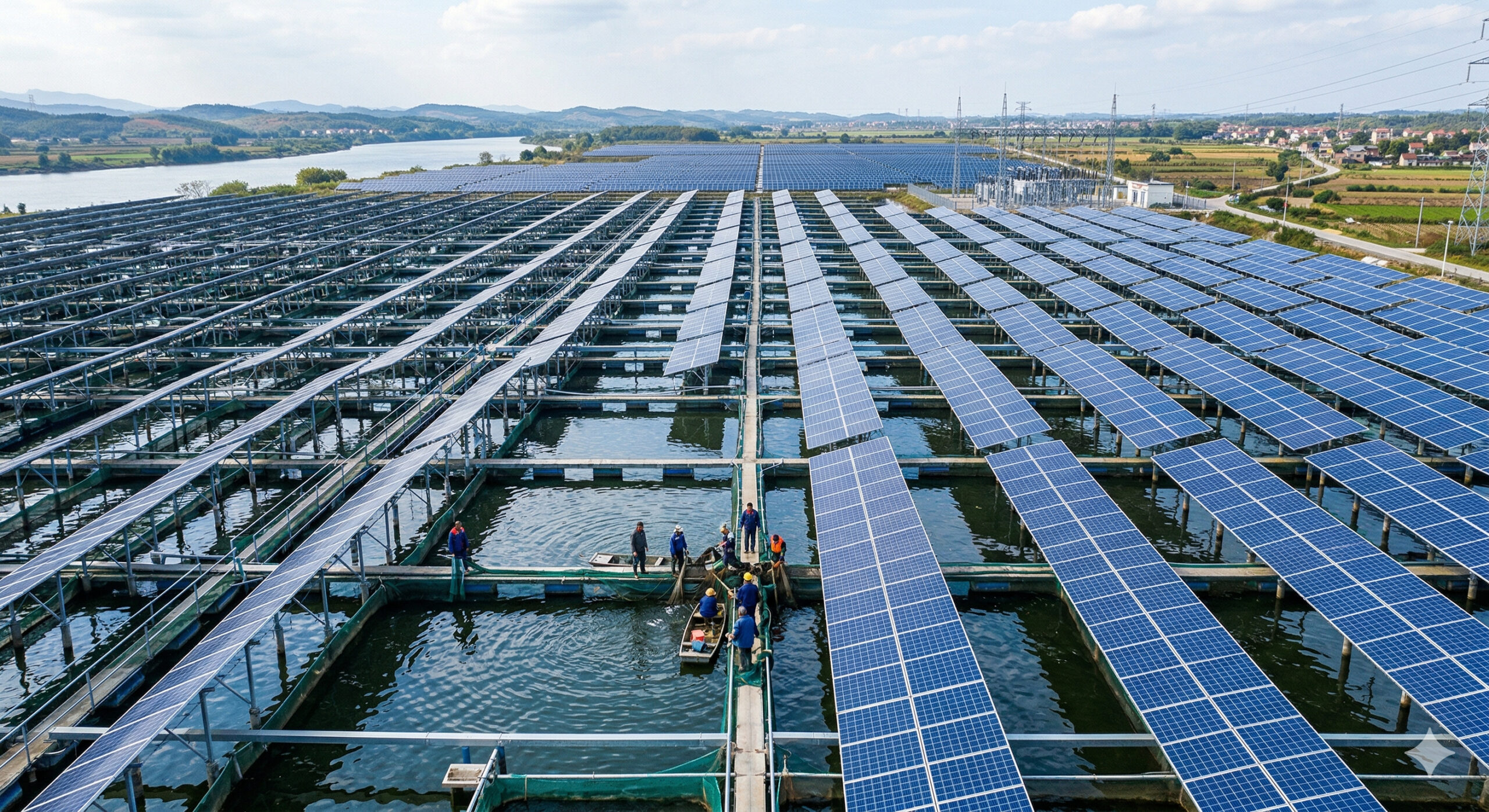
With the idea of repurposing operational areas and increasing the use of renewable energy in Brazil, the State of São Paulo, along with Sabesp – the State Basic Sanitation Company, is set to install about 34 solar power plants capable of generating 67 megawatts of power, most of which will be installed in stabilization lagoon areas with idle land.
The Project Can Power 65,200 Households with Solar Energy
From the same standpoint, according to Sabesp, solar energy production is expected to commence by the end of the second half of 2020. With the start of production, the solar power plants could contribute to greater diversification of the energy matrix of the sanitation company. Finally, the energy generated by the solar source is clean, with no greenhouse gas emissions and low environmental impact.
-
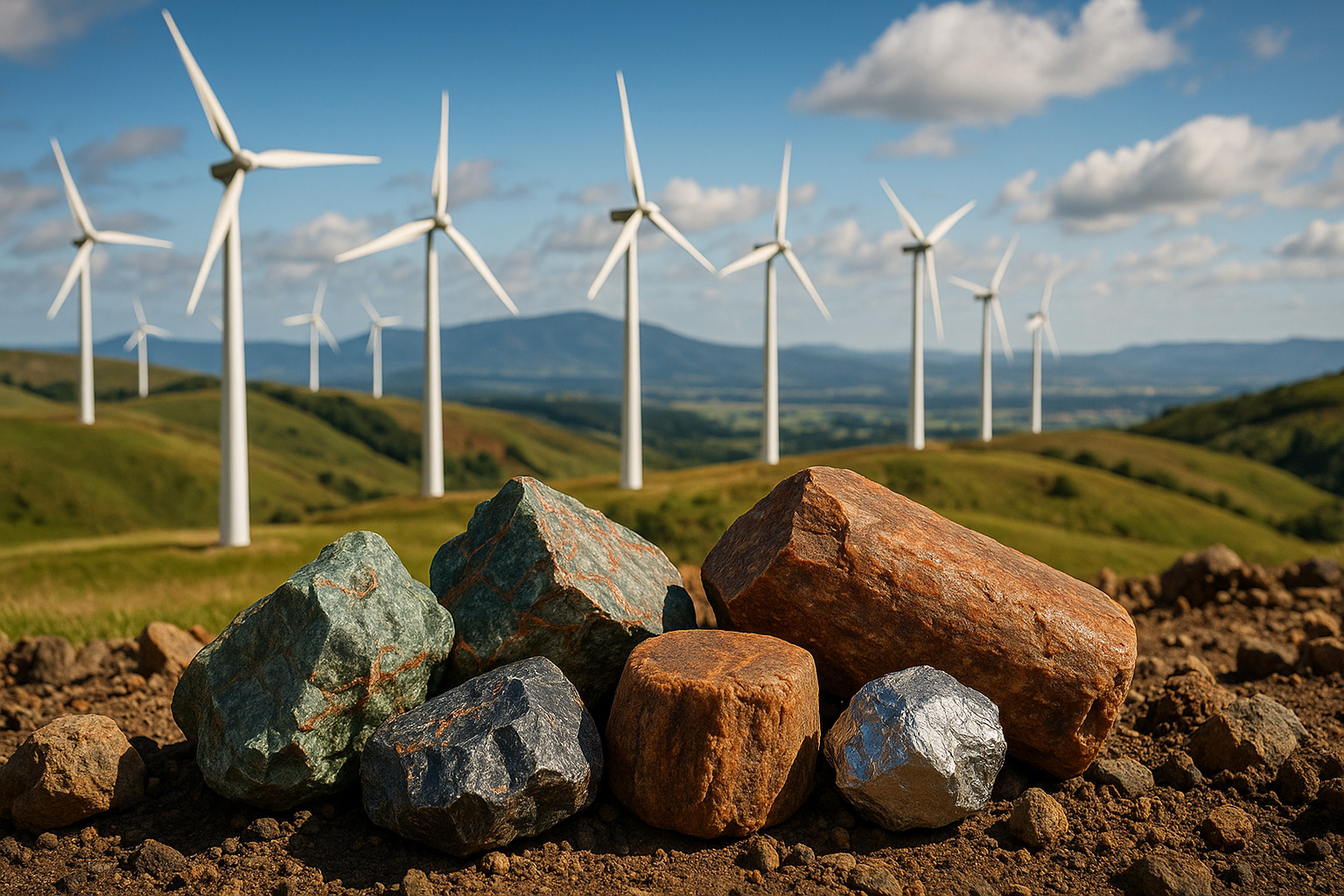
The Brazilian state accelerates industrial competitiveness with a focus on the extraction of strategic minerals to boost the energy transition in Goiás.
-
A Canadian retiree creates a hydroelectric system on a real river, generating energy continuously throughout the day and demonstrating how the power of water can supply a house with stability even in a simple structure.

-
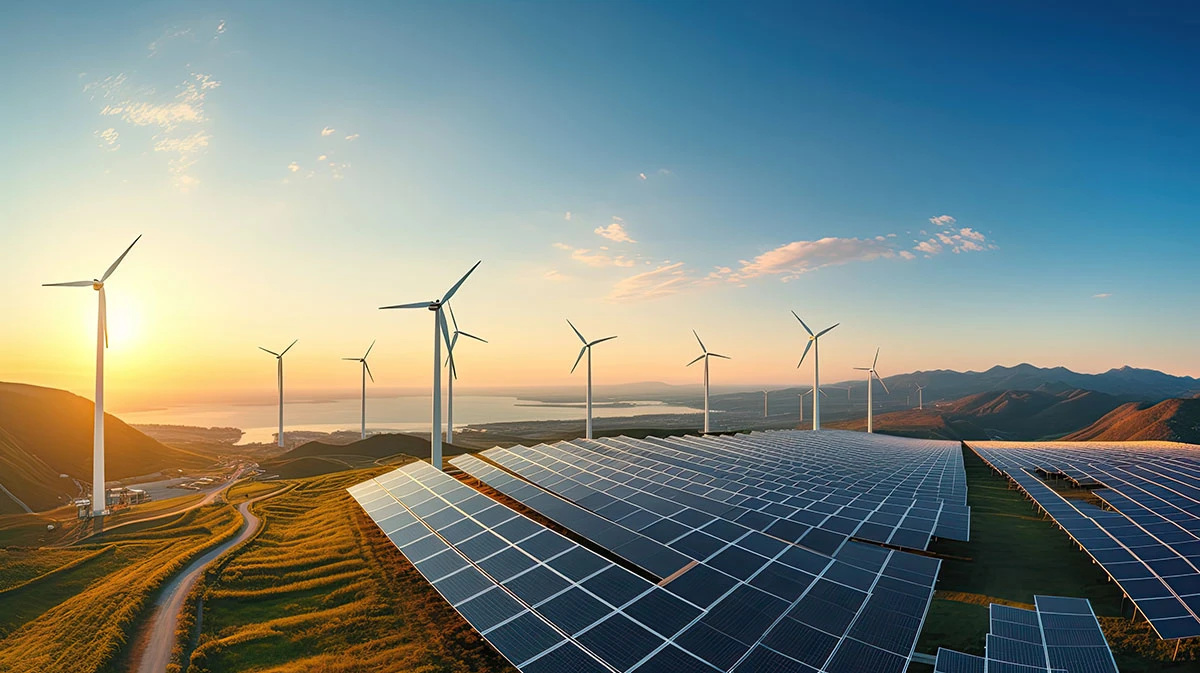
Petrobras reaffirms its commitment to the market and ensures that it will carry out the energy transition safely to maintain national sovereignty.
-
Researchers discover a possible hydrogen deposit of up to 46 million tons beneath an ancient coal basin, and the volume could exceed half of the entire global production.


The Sewage Treatment Station in Mogi Mirim Was the First to Adopt the Solar Energy Generation Model
Currently, Mogi Mirim treats more than 150 liters of sewage per second, consuming only 1.72 megawatts of energy per year. In summary, the modules occupy an area of 2,100 m2, producing about 606 MW/h per year – enough energy to supply 370 housing units.








Seja o primeiro a reagir!