Portuguese
  Spanish




“The RenovaBio is essential for the renewable energy sector, as it will enhance the socio-environmental benefits of ethanol, in addition to ensuring the energy security of the Country,” says Fabiano José Zillo, the CEO of Zilor Agroindustrial
RenovaBio is the National Policy for Biofuels and renewable energy, established by Law No. 13.576/2017, with the following objectives:
- – Provide a significant contribution to fulfilling Brazil’s commitments under the Paris Agreement;
- – Promote the appropriate expansion of biofuels in the energy matrix, emphasizing the consistency of fuel supply; and
- – Ensure predictability for the fuel market, inducing gains in energy efficiency and the reduction of greenhouse gas emissions in the production, commercialization, and use of biofuels.
Also Read:
- The Price of Solar Panels Has Decreased by 90% Since 2010 and Technology Becomes Attractive in the Market
- ANP Director Says Brazil Has Potential for Building Refineries for the Domestic Fuel Market
- Job Openings to Support the Offshore Maritime Sector in Macaé
Operation
The main instrument of RenovaBio is the establishment of annual national decarbonization targets for the fuel sector, aimed at encouraging the increase in production and the participation of biofuels in the country’s transport energy matrix.
-
Brazil saved US$ 32.4 billion in 2025 by switching from fossil to renewable energy and only ranked behind China and the United States on the IRENA global podium.

-
Fired during apartheid and with a little borrowed money, an electrician started with a borrowed truck and transformed electrical services into a group connected to energy, real estate, and infrastructure in South Africa.

-
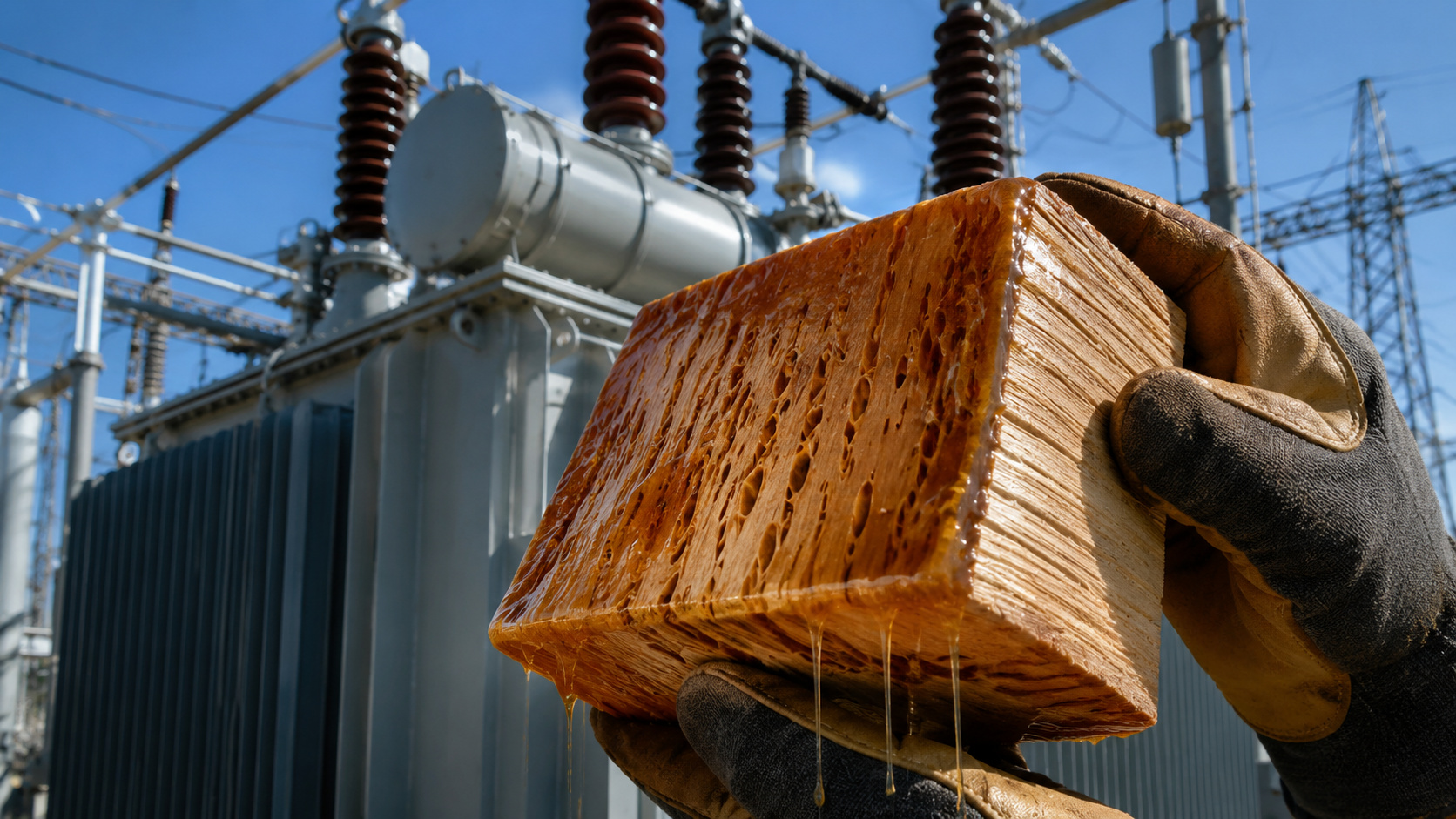
Wood has ceased to be just a construction material in Yale research and has become insulation for electrical transformers that face intense heat, aging, and increasing pressure from the renewable energy-powered grid.
-
More than 1,000 residents of a remote island in Kiribati now have clean water and electricity with solar systems operated by the community itself.



The national emission reduction targets for the fuel matrix were defined for the period from 2019 to 2029 by CNPE Resolution No. 15, dated June 24, 2019.
The national targets set by CNPE will be annually broken down into mandatory individual targets for fuel distributors, according to their shares in the fossil fuel market, in accordance with ANP Resolution No. 791/2019, dated June 12, 2019.
Certification
Through the certification of biofuel production, different scores will be assigned to each biofuel producer and importer, with values inversely proportional to the carbon intensity of the produced biofuel. The score will exactly reflect the individual contribution of each producer to the mitigation of a specific amount of greenhouse gases compared to its fossil counterpart (in terms of tons of CO² equivalent).
Producers and importers of biofuels wishing to join the program will hire ANP-accredited inspection firms to carry out the Biofuel Certification and validate the Energy-Efficiency-Environmental Score. The Efficient Biofuel Production Certificate will be valid for three years from the date of its approval by ANP and can only be issued by the inspection firm after the approval of the process by ANP.
The ANP Resolution No. 758, dated November 23, 2018 regulated the certification of efficient biofuel production or importation and the accreditation of inspection firms.